Follow Me On Social Media!

The Great Grating Debate: Electric vs. Hand Graters
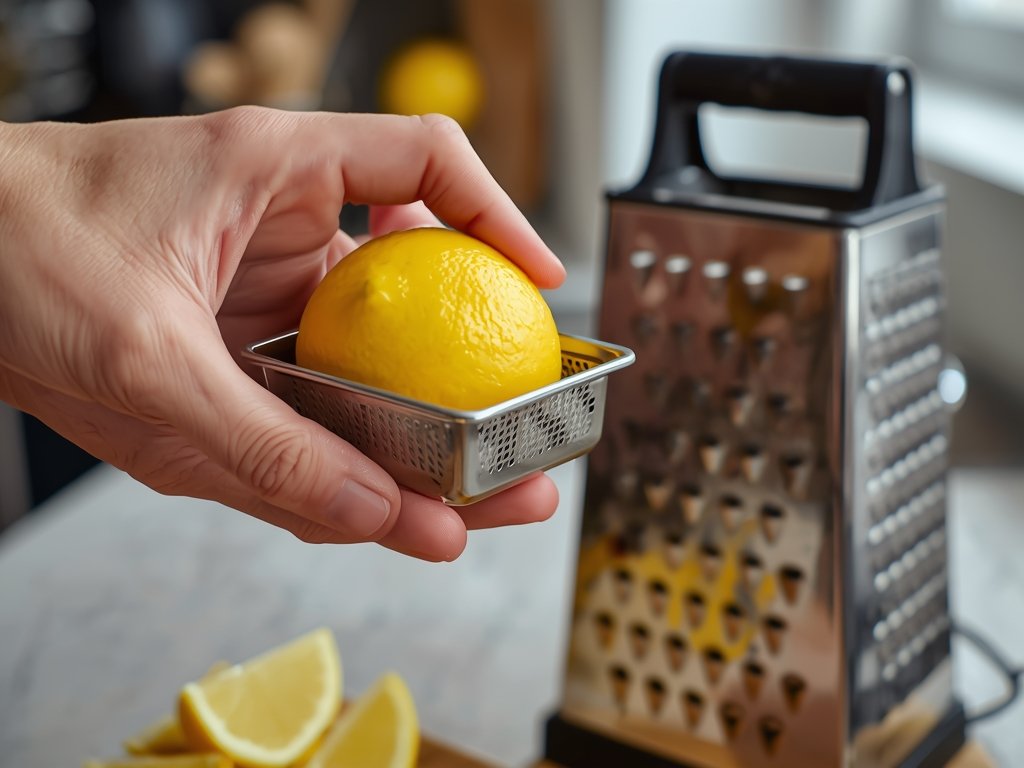
When it comes to grating cheese, zesting lemons, or shredding vegetables, the tools you choose can make all the difference. For generations, home cooks across the U.S. have relied on trusty hand graters. But with the rise of electric graters, many are wondering if it’s time to plug in and upgrade. Let’s dive into the pros and cons of both, so you can decide which one deserves a spot in your kitchen.
The Classic Charm of Hand Graters
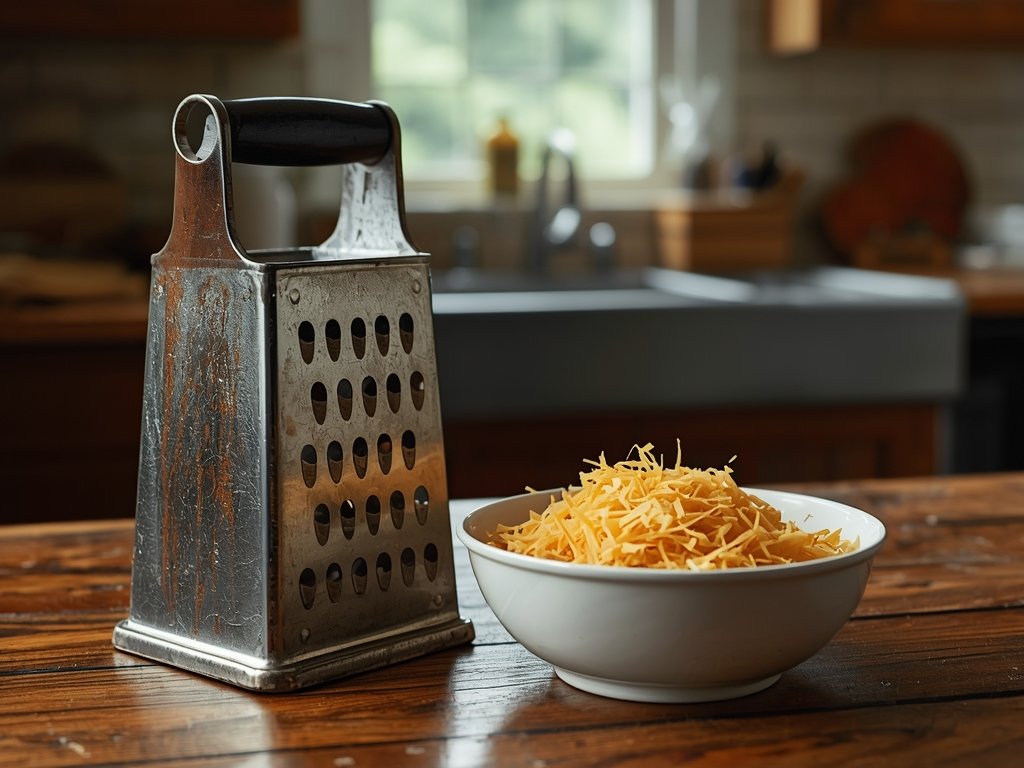
Hand graters have been a staple in American kitchens since the early 20th century. From box graters to Microplanes, these tools are simple, affordable, and incredibly versatile. They’re perfect for small tasks like grating a single lemon for a pie or shredding a block of cheddar for tacos.
Why Hand Graters Still Shine
One of the biggest perks of hand graters is their portability. No cords, no batteries—just grab and go. They’re also easy to clean, with most models being dishwasher-safe. Plus, there’s something satisfying about the tactile experience of grating by hand, especially when you’re prepping ingredients for a family recipe passed down through generations.
However, hand graters aren’t without their drawbacks. The risk of knuckle injuries is real, especially when you’re in a rush. And let’s face it, grating a large quantity of cheese for a holiday lasagna can be a tedious, time-consuming task.
The Modern Convenience of Electric Graters
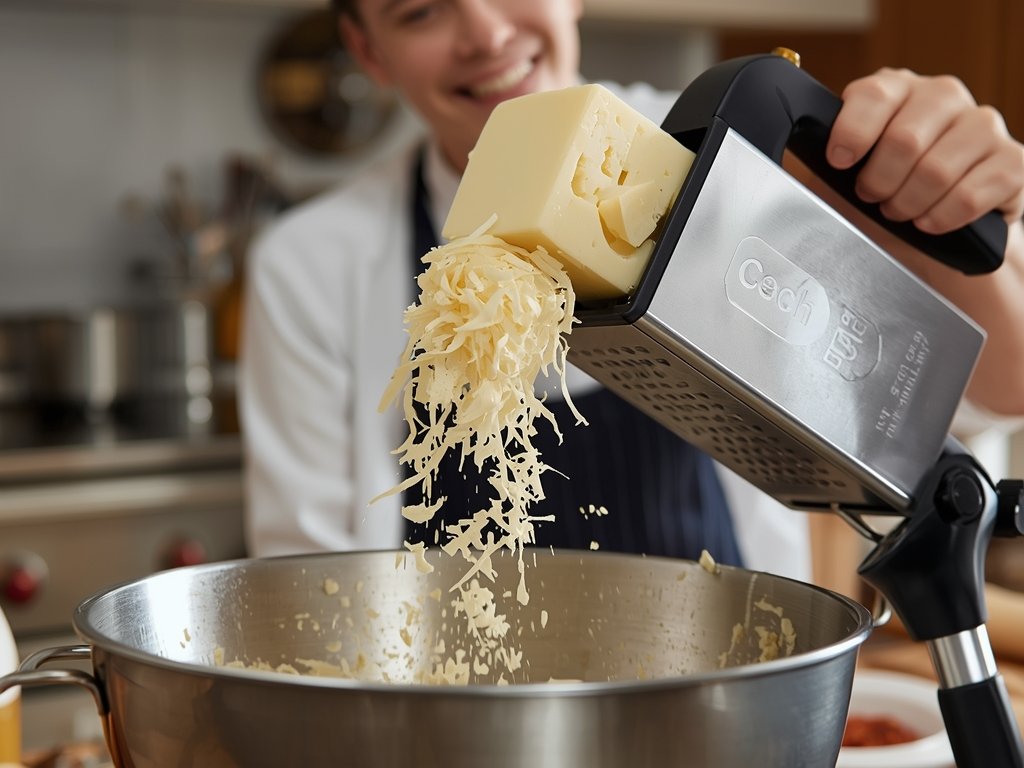
Electric graters are the new kids on the block, offering speed and efficiency that hand graters can’t match. With the push of a button, you can grate, shred, or slice ingredients in seconds. They’re a game-changer for busy families or anyone who loves hosting big gatherings.
The Perks of Going Electric
Electric graters are ideal for large-scale cooking. Need five pounds of grated potatoes for latkes? No problem. They’re also great for people with arthritis or hand strength issues, as they require minimal effort. Many models come with multiple attachments, making them a versatile addition to your kitchen arsenal.
The downside? Electric graters can be bulky and take up valuable counter space. They also require electricity, which isn’t always convenient if you’re cooking outdoors or in a small kitchen. And while they’re powerful, they can be overkill for smaller tasks.
Knuckle-Saving Tips for Hand Grater Fans
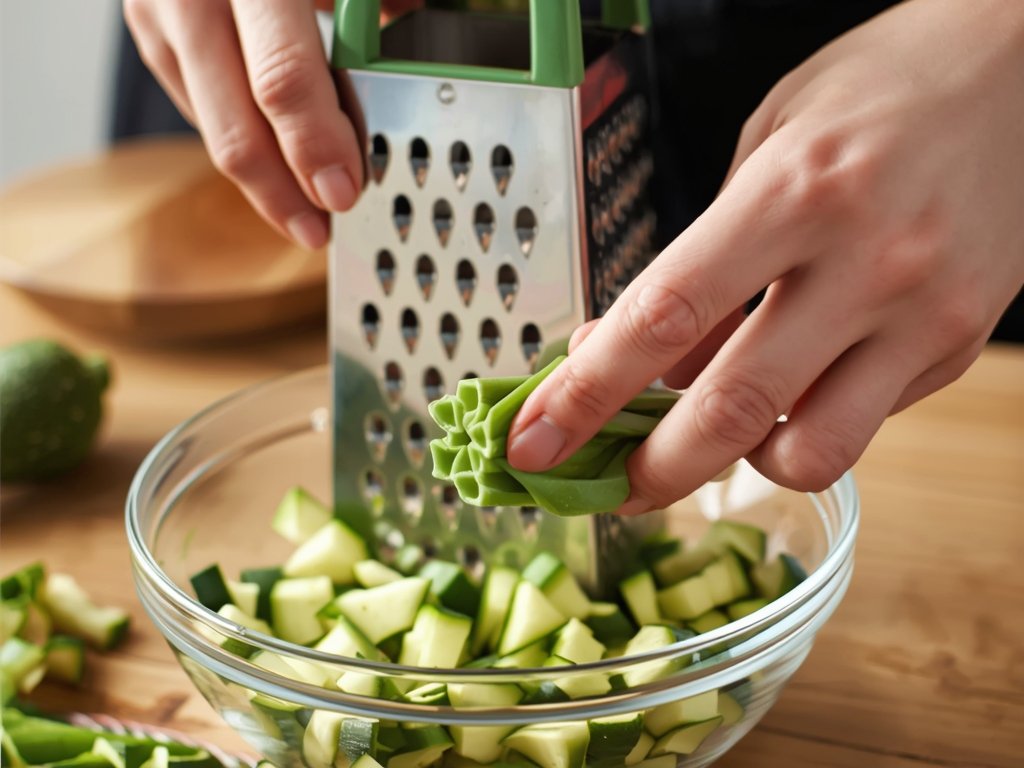
If you’re team hand grater but tired of nicked knuckles, there are tricks to make the process safer. Investing in a finger guard or using the side of the grater with larger holes can help. Another pro tip: grate ingredients slowly and deliberately, rather than rushing through the task.
Creative Uses for Hand Graters
Beyond cheese and citrus, hand graters are perfect for grating frozen butter for pie crusts, shredding coconut for desserts, or even creating fine breadcrumbs. Their compact size makes them easy to store, and their durability means they’ll last for years with proper care.
Time-Saving Tricks for Electric Grater Enthusiasts
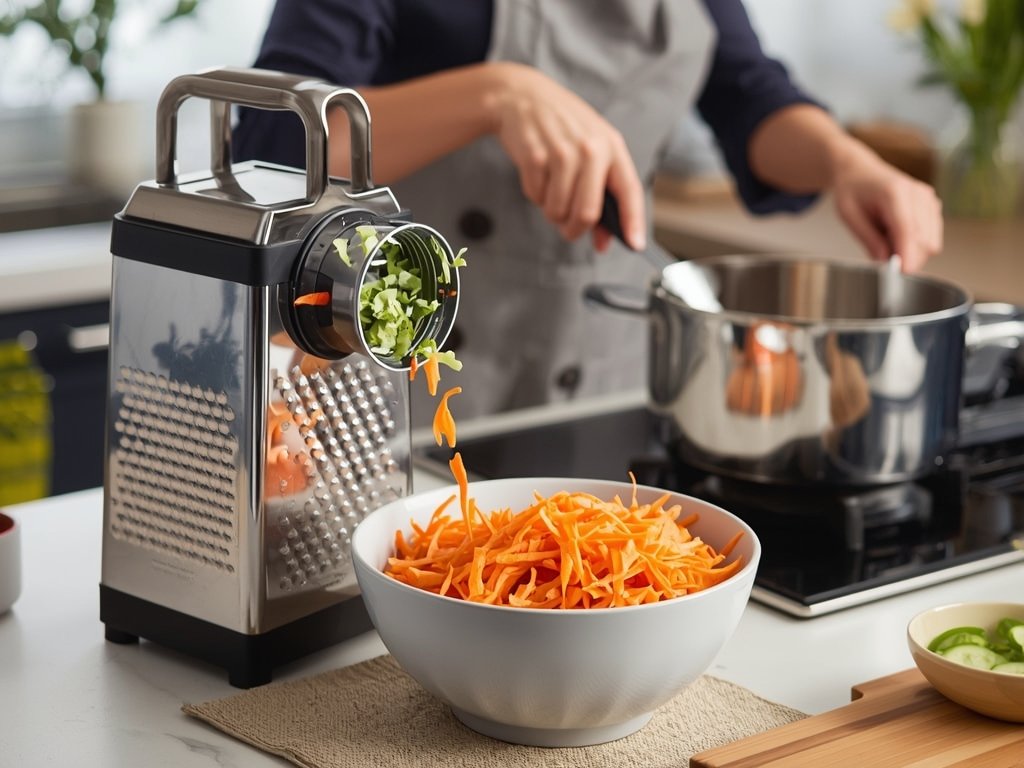
Electric graters are all about efficiency, but there are ways to maximize their potential. Prep ingredients in bulk and store them in the fridge for later use. For example, grate a week’s worth of cheese or veggies and keep them in airtight containers. This saves time and reduces cleanup.
When to Skip the Electric Grater
While electric graters are fantastic for large tasks, they’re not always the best choice for small jobs. Zesting a single lemon or grating a small amount of Parmesan is quicker and easier with a hand grater. Plus, electric graters can be noisy, which might not be ideal for early morning meal prep.
Which Grater is Right for You?
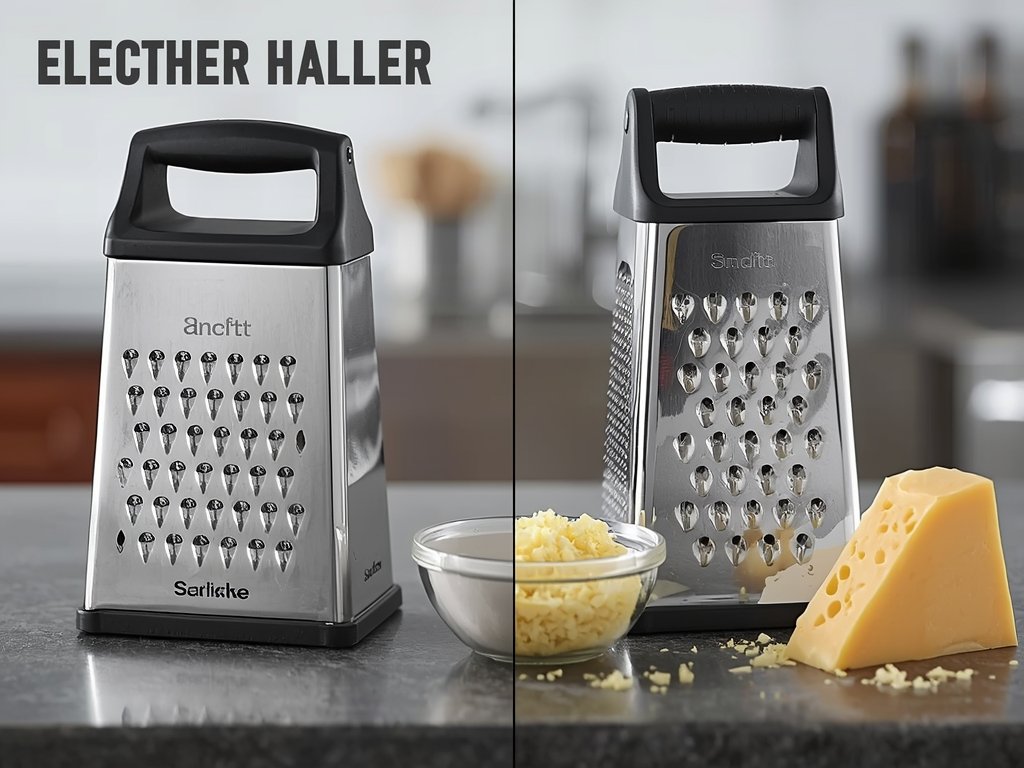
The choice between electric and hand graters ultimately comes down to your cooking style and needs. If you’re a traditionalist who values simplicity and portability, a hand grater is your best bet. But if you’re a busy cook who needs to save time and effort, an electric grater might be worth the investment.
Factors to Consider
- Frequency of Use: If you grate ingredients daily, an electric grater could be a lifesaver.
- Storage Space: Hand graters are compact, while electric models can be bulky.
- Budget: Hand graters are affordable, but electric graters are a pricier upfront investment.
FAQ: Electric vs. Hand Graters
Are electric graters worth the cost?
If you frequently grate large quantities of ingredients, an electric grater can save you time and effort, making it a worthwhile investment.
Can hand graters handle hard cheeses?
Yes, hand graters are excellent for hard cheeses like Parmesan or Pecorino. Just be sure to use the correct side of the grater for best results.
How do I clean an electric grater?
Most electric graters come with removable parts that are dishwasher-safe. Always unplug the device before cleaning and follow the manufacturer’s instructions.
Which grater is better for small kitchens?
Hand graters are ideal for small kitchens due to their compact size and ease of storage.

David handles the Kitchen Gear category, reviewing tools, equipment, and accessories that make cooking and food storage easier. His articles focus on practical recommendations for everyday home cooks.

← Previous
Fish Turner: The Ultimate Kitchen Tool for Every Meal
Next →
Vacuum Sealers vs Freezer Burn: The Ultimate Food Storage Test