Follow Me On Social Media!

The Dishwasher Dilemma: Why Your Chef’s Knife Deserves Better
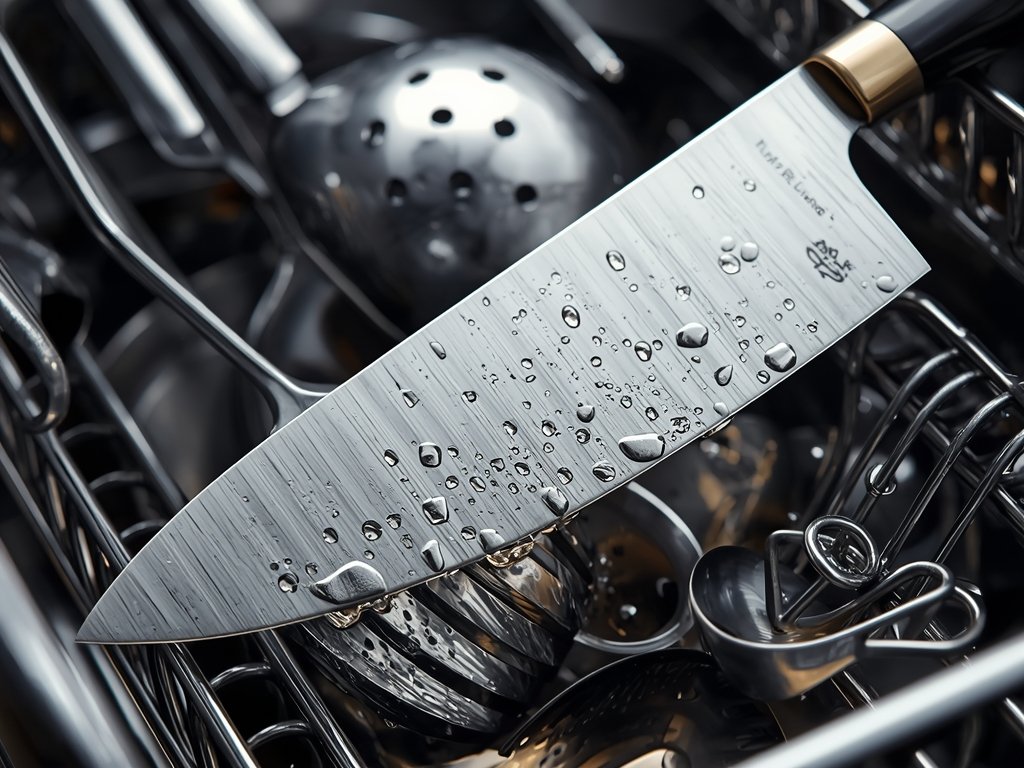
As a home cook or professional chef, you’ve likely invested in a high-quality chef’s knife. This essential tool is the workhorse of your kitchen, making quick work of chopping, slicing, and dicing. But when it comes to cleaning, you might be tempted to toss it in the dishwasher with the rest of your utensils. After all, it’s convenient, right? Wrong. Putting your chef’s knife in the dishwasher can have serious consequences, from damaging the blade to compromising its performance. In this article, we’ll explore why you should never put your chef’s knife in the dishwasher and provide tips for proper care and maintenance.
The Anatomy of a Chef’s Knife: Understanding the Materials
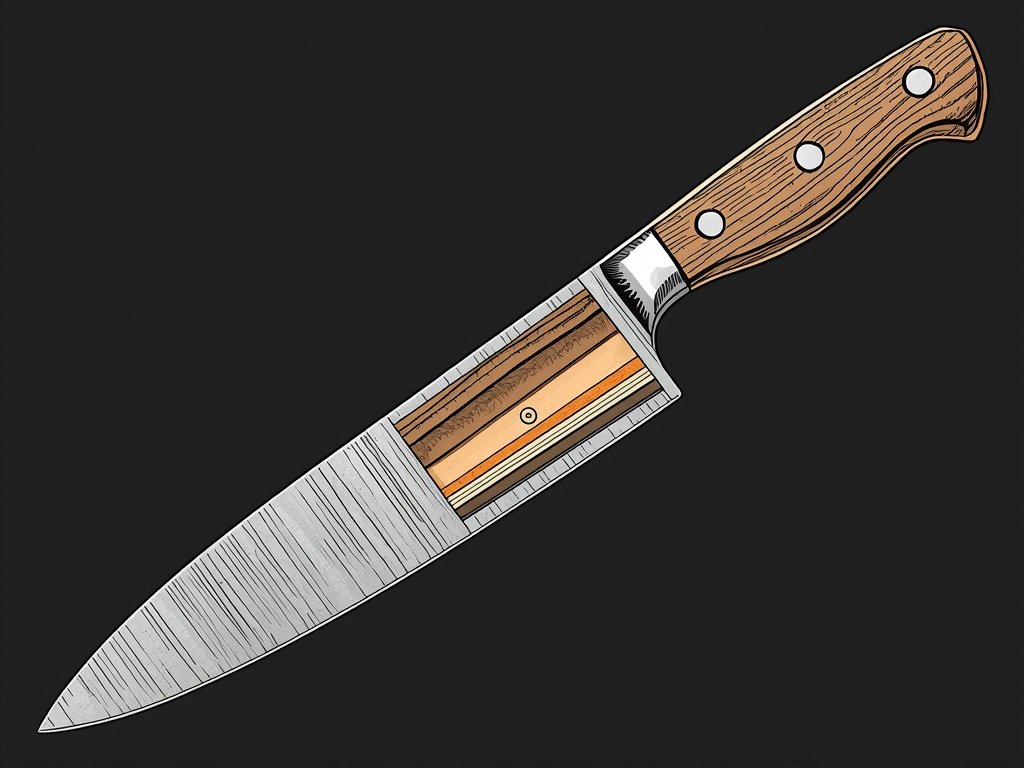
Before we dive into the reasons why dishwashers and chef’s knives don’t mix, let’s take a closer look at the anatomy of this essential kitchen tool. A typical chef’s knife consists of a blade made from high-carbon stainless steel, which is known for its durability, sharpness, and resistance to corrosion. The handle, on the other hand, is usually made from materials like wood, plastic, or composite materials, which provide a comfortable grip and balance.
The blade’s construction is crucial to its performance. High-quality chef’s knives often feature a full tang, where the steel extends through the entire length of the handle, providing exceptional balance and stability. Understanding these materials and their properties is essential in realizing why dishwashers can be detrimental to your knife’s health.
The Harsh Reality of Dishwashers: Heat, Water, and Detergents

The Enemy Within: Heat and Moisture
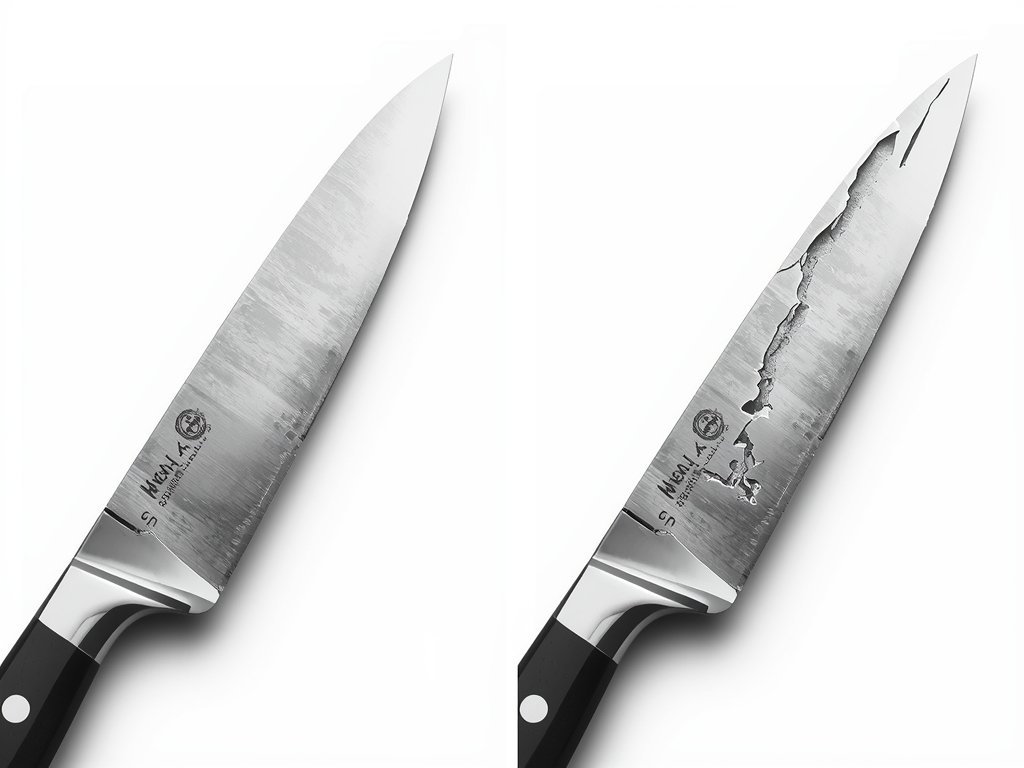
Dishwashers are designed to clean and sanitize dishes using a combination of heat, water, and detergents. While this might be perfect for plates and glasses, it’s a recipe for disaster when it comes to your chef’s knife. The high temperatures and moisture levels inside a dishwasher can cause the blade to expand and contract rapidly, leading to microscopic cracks and warping.
Moreover, the heat can also damage the handle material, causing it to crack, warp, or become brittle over time. Wooden handles, in particular, are susceptible to water damage, which can lead to swelling, shrinking, or even mold growth.
The Chemical Threat: Detergents and Their Effects

Dishwasher detergents are formulated to break down food particles and grease, but they can also be harsh on your chef’s knife. The alkaline nature of most detergents can cause the blade to corrode, leading to pitting, rust, and discoloration. Additionally, the chemicals can strip away the natural oils and protective coatings on the blade, leaving it vulnerable to further damage.
The handle material is not immune to the effects of detergents either. Plastic and composite handles can become discolored or brittle, while wooden handles may dry out and crack. The glue or adhesive used to secure the handle to the tang can also be affected, leading to a loose or wobbly handle.
Consequences of Dishwasher Damage: Dull Blades and Compromised Performance
The Dulling Effect: How Dishwashers Ruin Your Knife’s Edge
One of the most noticeable consequences of putting your chef’s knife in the dishwasher is a dull blade. The combination of heat, moisture, and detergents can cause the edge to become misaligned, leading to a loss of sharpness. As the blade expands and contracts, the microscopic teeth that make up the edge can become bent or damaged, resulting in a rough, uneven cut.
A dull blade not only affects the quality of your cuts but also requires more effort and pressure to use, increasing the risk of accidents and injuries. Moreover, a damaged edge can be difficult and expensive to repair, often requiring professional sharpening or even replacement.
Performance Compromises: From Chopping to Slicing
The damage caused by dishwashers doesn’t stop at the blade’s edge. A compromised chef’s knife can affect your overall cooking experience, from chopping to slicing. A warped or damaged blade may not make clean cuts, leading to unevenly sized pieces and an inconsistent texture. This can be particularly problematic when preparing dishes that require precision, such as sushi or delicate pastries.
Additionally, a damaged handle can affect your grip and control, making it difficult to maneuver the knife effectively. A loose or wobbly handle can also be a safety hazard, increasing the risk of accidents and injuries. By avoiding the dishwasher, you can preserve the performance and longevity of your chef’s knife, ensuring it remains a reliable tool in your kitchen.
Proper Care and Maintenance: Keeping Your Chef’s Knife in Top Shape

Hand-Washing 101: The Right Way to Clean Your Knife
So, what’s the best way to clean your chef’s knife? Hand-washing is the answer. Fill a sink or basin with warm water and a mild dish soap, and use a soft sponge or cloth to gently clean the blade and handle. Avoid using abrasive scrubbers or steel wool, which can scratch the surface and damage the edge.
After washing, rinse the knife thoroughly with clean water and dry it immediately with a soft towel. Make sure to dry the handle as well, especially if it’s made of wood. You can also apply a small amount of food-safe mineral oil to the blade and handle to help protect against moisture and corrosion.
Storage and Sharpening: Tips for Longevity
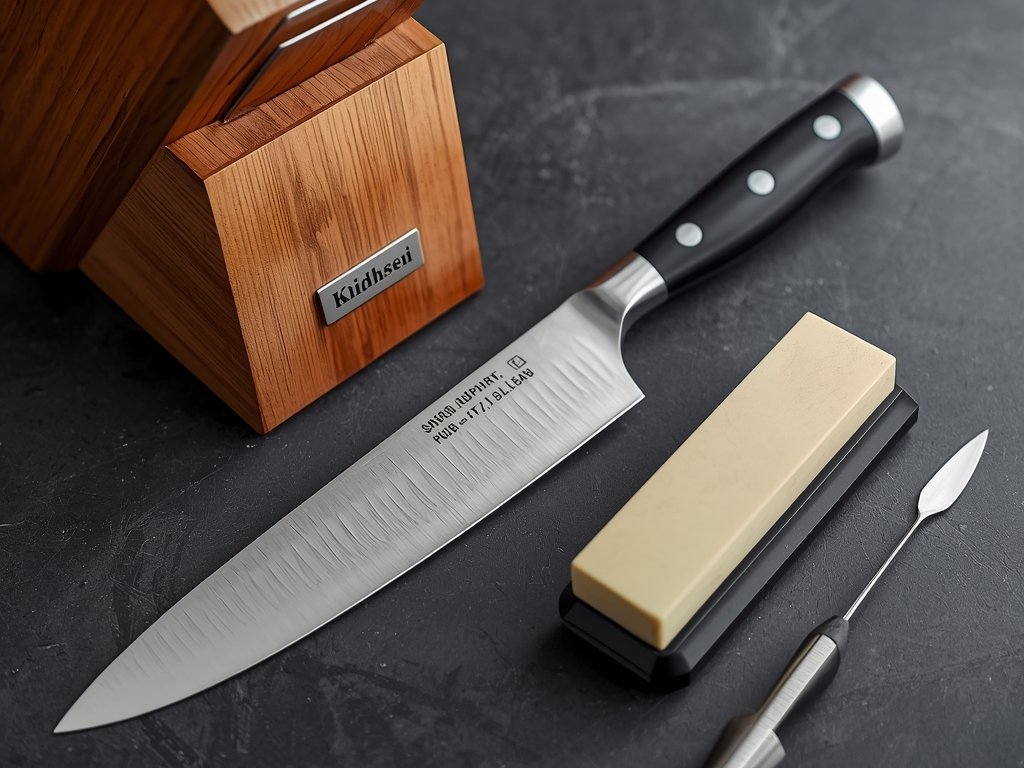
Proper storage is also crucial in maintaining your chef’s knife. Store it in a knife block, magnetic strip, or sheath to protect the edge and prevent accidents. Avoid storing it loose in a drawer, where it can knock against other utensils and become damaged.
Regular sharpening is essential to keep your knife’s edge in top shape. Invest in a high-quality sharpening stone or honing rod, and learn the proper technique for sharpening your specific type of knife. With proper care and maintenance, your chef’s knife can last for years, providing reliable performance and precision in the kitchen.
Real-Life Examples: Horror Stories from the Kitchen

Don’t just take our word for it – many home cooks and professional chefs have experienced the consequences of putting their chef’s knives in the dishwasher. From ruined blades to compromised handles, the stories are a cautionary tale for anyone considering this convenient but damaging practice.
One chef recounts how their expensive Japanese chef’s knife became warped and dull after just a few cycles in the dishwasher. Another home cook shares how the wooden handle of their favorite knife cracked and splintered, rendering it unusable. These real-life examples serve as a reminder that proper care and maintenance are essential in preserving the performance and longevity of your chef’s knife.
FAQ
Can I put my chef’s knife in the dishwasher if I use a protective cover?
While a protective cover may offer some protection, it’s still not recommended to put your chef’s knife in the dishwasher. The heat, moisture, and detergents can still cause damage to the blade and handle, even with a cover. Hand-washing is always the best option.
How often should I sharpen my chef’s knife?
The frequency of sharpening depends on how often you use your knife and the type of cutting tasks you perform. As a general rule, it’s a good idea to sharpen your chef’s knife every 3-6 months, or when you notice a decrease in performance. Regular honing with a honing rod can also help maintain the edge between sharpenings.
Can I use bleach or other harsh chemicals to clean my chef’s knife?
No, it’s not recommended to use bleach or other harsh chemicals to clean your chef’s knife. These substances can be corrosive and cause damage to the blade and handle. Stick to mild dish soap and warm water for cleaning, and avoid using abrasive scrubbers or steel wool.
What’s the best way to store my chef’s knife when not in use?
The best way to store your chef’s knife is in a knife block, magnetic strip, or sheath. These options protect the edge and prevent accidents. Avoid storing your knife loose in a drawer, where it can knock against other utensils and become damaged.
Can I repair a damaged chef’s knife, or do I need to replace it?
In some cases, a damaged chef’s knife can be repaired, especially if the damage is limited to the edge. A professional sharpener may be able to restore the blade to its original condition. However, if the handle is damaged or the blade is severely warped, replacement may be necessary.

David handles the Kitchen Gear category, reviewing tools, equipment, and accessories that make cooking and food storage easier. His articles focus on practical recommendations for everyday home cooks.

← Previous
Master Air Fryer Coil Cleaning: A Delicate Art
Next →
Slow Cooker Secrets: Fix Dry Meat with These Simple Tips