Follow Me On Social Media!

The Great Cast Iron Debate: To Soap or Not to Soap
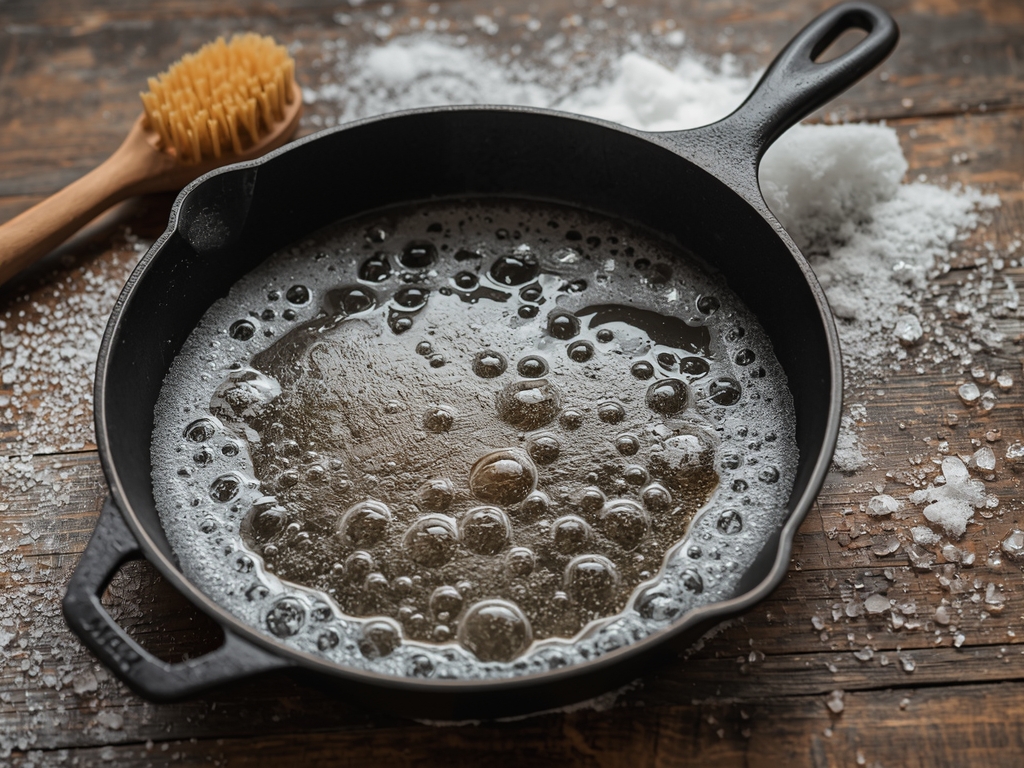
Cast iron cookware has been a staple in American kitchens for generations, cherished for its durability, versatility, and ability to retain heat. However, when it comes to caring for these prized possessions, opinions are divided. The great debate? Whether or not to use soap when cleaning cast iron.
Traditionalists argue that soap will strip the seasoning, the protective layer of polymerized oil that makes cast iron naturally non-stick. But is this really the case? In this article, we’ll delve into the myths surrounding cast iron seasoning, explore the science behind it, and provide practical advice for keeping your cast iron in top condition.
The Science of Seasoning: What’s Really Going On
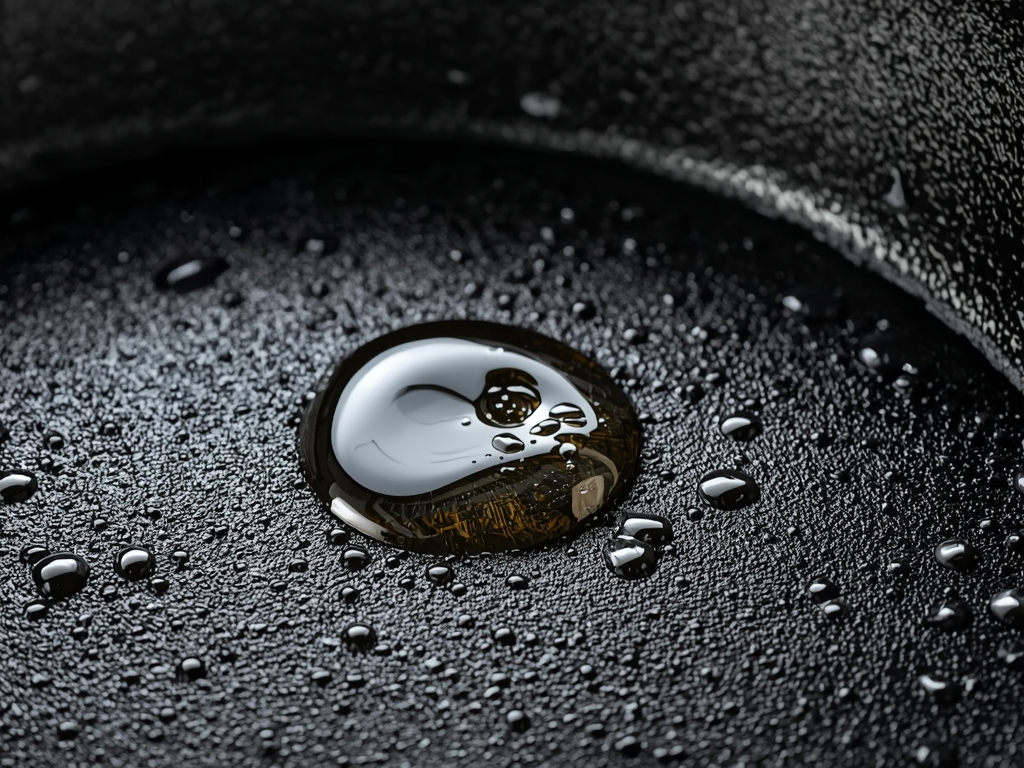
To understand why soap is often vilified in the cast iron community, we need to grasp the basics of seasoning. Seasoning is a process where oil is heated to a high temperature, causing it to polymerize and bond to the cast iron surface. This creates a smooth, non-stick coating that improves with each use.
The key to a good seasoning is not just the oil, but the heat. When oil is heated beyond its smoke point, it undergoes a chemical reaction, forming a hard, glass-like surface. This is what makes cast iron so resilient and non-stick. However, this process is not easily reversed, which is why many believe soap can damage the seasoning.
The Role of Soap in Cast Iron Care
So, where does soap fit into this picture? Modern dish soaps are designed to break down oils and grease, which is precisely what we’re trying to preserve on our cast iron. However, the occasional use of soap is unlikely to cause significant damage, especially if followed by a thorough re-seasoning.
In fact, soap can be beneficial in certain situations. For instance, when removing stubborn food residue or when your cast iron has been exposed to acidic foods, which can break down the seasoning. In these cases, a mild soap and a gentle scrub can help restore your cast iron to its former glory.
When to Use Soap: Breaking the Rules
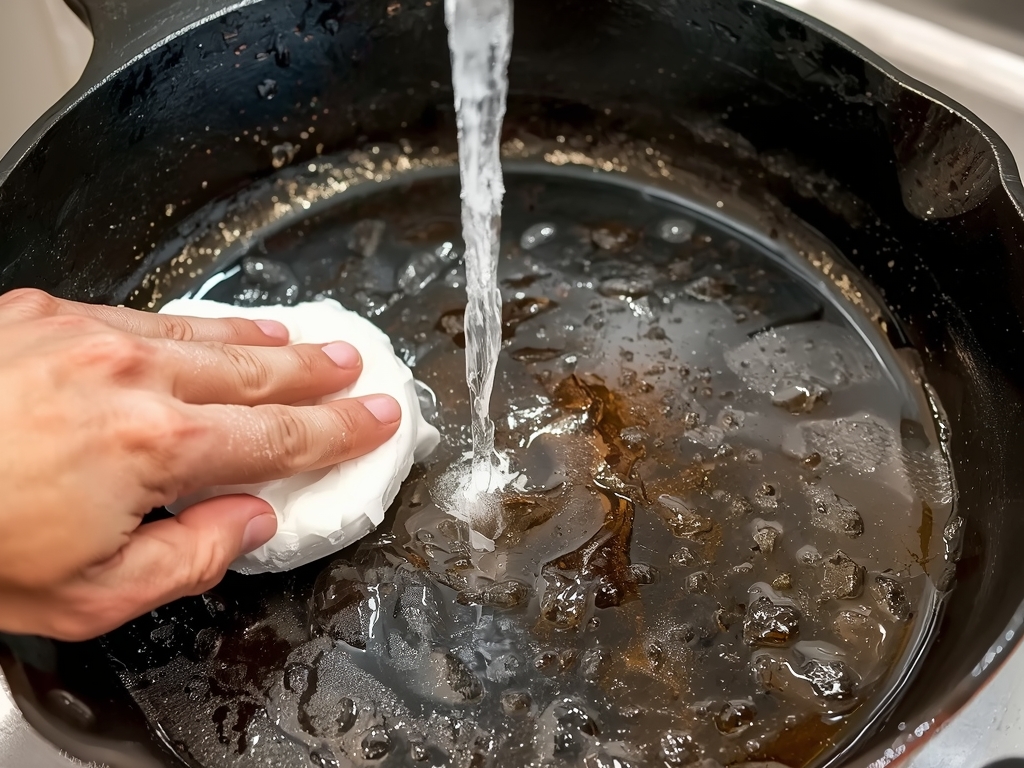
While it’s generally advised to avoid soap, there are times when it’s not only acceptable but necessary. Here are a few scenarios where soap can be your cast iron’s best friend:
- Removing stuck-on food: If you’ve accidentally burned food onto your cast iron, a little soap and a gentle scrub can help loosen the residue without damaging the seasoning.
- Cleaning after acidic foods: Acidic ingredients like tomatoes or vinegar can break down the seasoning, making it more susceptible to soap. In these cases, a mild soap can help remove any remaining acid and prepare the surface for re-seasoning.
- Restoring neglected cast iron: If you’ve inherited a rusty or neglected cast iron skillet, soap can be an essential tool in the restoration process. Use a mild soap and a non-metallic scrubber to remove rust and old seasoning, then re-season according to the manufacturer’s instructions.
How to Use Soap Safely on Cast Iron
When using soap on your cast iron, follow these guidelines to minimize any potential damage:
- Use a mild, fragrance-free dish soap.
- Avoid harsh, abrasive scrubbers or steel wool.
- Rinse thoroughly with warm water and dry immediately.
- Re-season your cast iron after using soap, especially if you’ve removed a significant amount of the existing seasoning.
The Art of Re-Seasoning: Restoring Your Cast Iron’s Glory
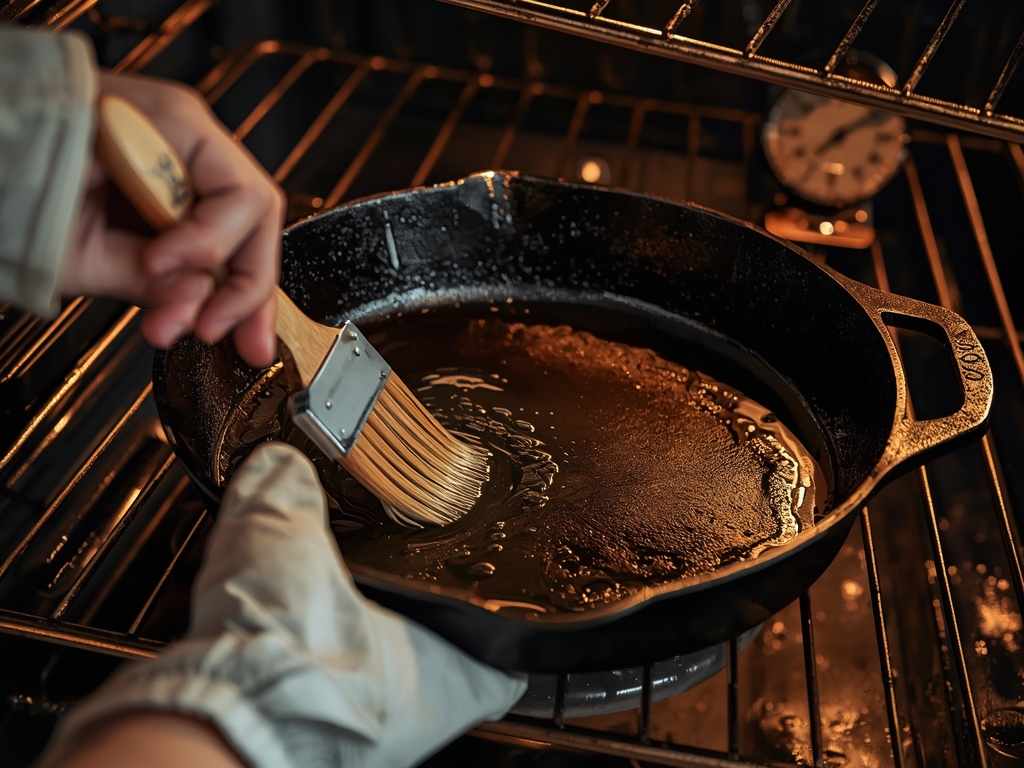
Re-seasoning is an essential part of cast iron care, whether you’ve used soap or not. Over time, the seasoning can wear down, especially if you’re cooking acidic foods or using metal utensils. Re-seasoning helps restore the non-stick surface and protect your cast iron from rust.
To re-season your cast iron, follow these simple steps:
- Preheat your oven to 350-400°F (180-200°C).
- Clean your cast iron thoroughly, removing any food residue or soap.
- Apply a thin layer of oil (such as vegetable oil or flaxseed oil) to the surface, using a paper towel or brush.
- Place the cast iron upside down on the oven rack, with a baking sheet below to catch any drips.
- Bake for 1 hour, then let cool completely before using.
Tips for Maintaining a Perfect Seasoning
To keep your cast iron’s seasoning in top condition, follow these tips:
- Avoid cooking acidic foods for extended periods.
- Use wooden or silicone utensils to prevent scratching.
- Store your cast iron in a dry place, with a paper towel or cloth between the skillet and lid to prevent moisture buildup.
- Re-season your cast iron regularly, especially if you notice any signs of wear or rust.
Cast Iron in American Culture: A Culinary Heritage
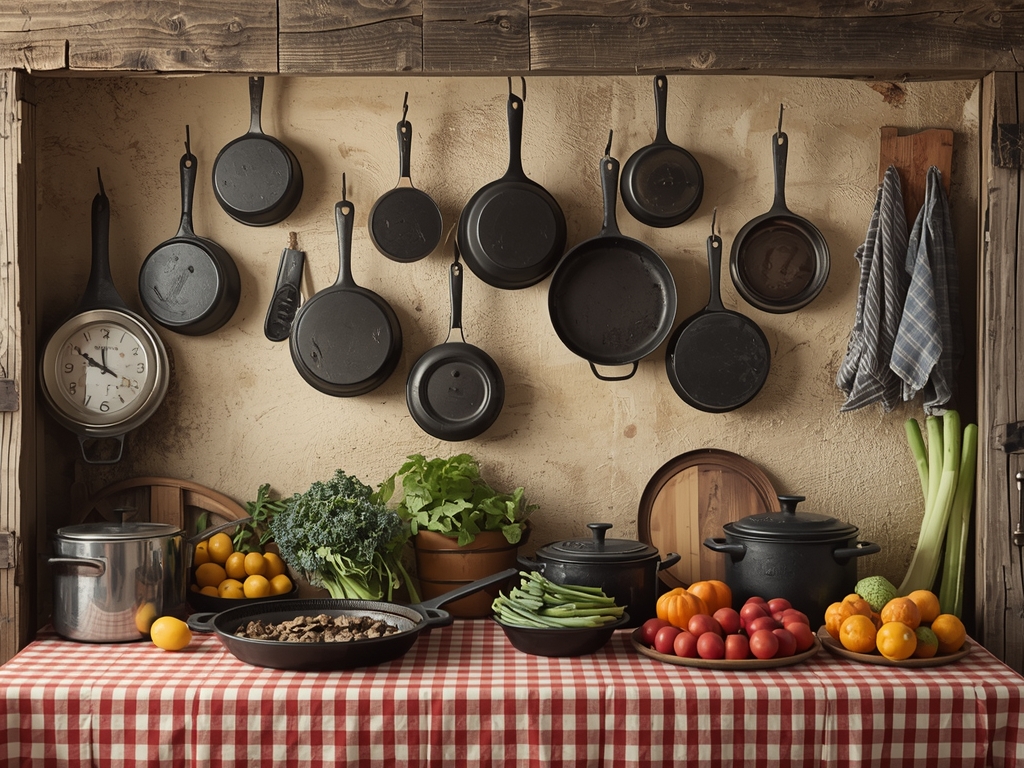
Cast iron cookware holds a special place in American culinary culture. From cowboy campfires to Southern soul food, cast iron has been a trusted companion for generations. Its durability and versatility have made it a staple in households across the country, from the bustling cities of the East Coast to the sprawling ranches of the West.
In recent years, cast iron has experienced a resurgence in popularity, thanks in part to the farm-to-table movement and a renewed interest in traditional cooking methods. As more people discover the joys of cooking with cast iron, the debate over soap and seasoning continues to rage on. But one thing is certain: with proper care and attention, your cast iron will remain a cherished heirloom for years to come.
FAQ
Can I use soap on my cast iron every time I wash it?
While it’s best to avoid soap for routine cleaning, the occasional use of a mild soap is unlikely to cause significant damage, especially if followed by a thorough re-seasoning.
How often should I re-season my cast iron?
Re-season your cast iron as needed, typically every few months or when you notice signs of wear or rust. If you cook frequently with acidic foods, you may need to re-season more often.
Can I use steel wool or abrasive scrubbers on my cast iron?
Avoid using steel wool or abrasive scrubbers, as they can scratch the surface and damage the seasoning. Opt for gentle, non-metallic scrubbers or a soft-bristled brush instead.
What’s the best oil for seasoning cast iron?
Vegetable oil, flaxseed oil, and grapeseed oil are all excellent choices for seasoning cast iron. Avoid using olive oil or other oils with a low smoke point, as they can leave a sticky residue.
How do I remove rust from my cast iron?
To remove rust, use a mild soap and a non-metallic scrubber to gently clean the surface. Rinse thoroughly, dry completely, and re-season according to the manufacturer’s instructions.

David handles the Kitchen Gear category, reviewing tools, equipment, and accessories that make cooking and food storage easier. His articles focus on practical recommendations for everyday home cooks.

← Previous
Immersion Blender Secrets: Mayo, Soups, and More Made Easy
Next →
Fish Turner: The Ultimate Kitchen Tool for Every Meal