Follow Me On Social Media!

The Frozen Pasta Paradox: Why Your Spaghetti Turns Into Mush

I used to believe freezing pasta was a lie invented by Pinterest moms with perfect handwriting and unrealistic expectations. I’d batch-cook spaghetti on Sunday, freeze it in neat little portions, and pat myself on the back for being so organized. Then Wednesday would roll around. I’d thaw my “convenience meal” and discover… pasta pudding. Soft. Gummy. Somehow wet and dry simultaneously. The sauce had separated into oily puddles. The noodles had swollen to twice their size, then collapsed into a starchy heap.
I’d glare at that container like it had personally betrayed me. Because it had.
Here’s the truth most food blogs won’t tell you: freezing pasta isn’t impossible—it’s just misunderstood. The failure isn’t in the freezing; it’s in the chemistry you’re ignoring. Pasta is a starch sponge. When you cook it, those starch granules absorb water and swell. Freeze that swollen structure, and ice crystals form inside the noodles. Thaw it, and those crystals melt into… more water. The pasta keeps drinking, expanding, weakening. By the time you reheat, it’s given up on structural integrity entirely.
But chefs freeze pasta all the time. Restaurants do it daily. The difference? They know which pastas forgive freezing, which sauces act as protective armor, and the one critical step that home cooks skip because it feels like extra work.
The TwiceTasty Secret? Undercook, sauce heavily, and reheat with aggression. Master this trinity, and frozen pasta becomes your weeknight superpower instead of your kitchen shame.
The Science of Starch Collapse (And How to Prevent It)
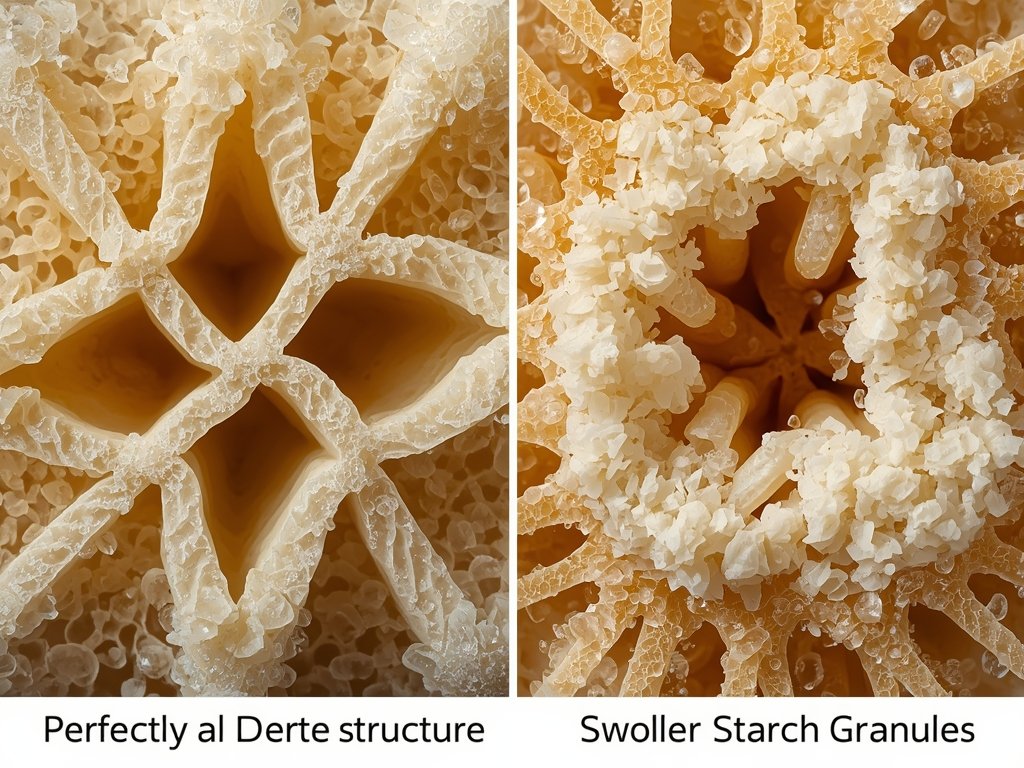
To understand frozen pasta salvation, you need to understand starch gelatinization. Raw pasta is tight, dry, organized. Boiling water rushes in, starch granules absorb liquid and swell, then burst—creating that soft, edible texture we call “done.” Al dente means you’ve stopped this process early, leaving some granules intact and structural.
Here’s where freezing becomes tricky:
Water expands when it freezes. Inside a fully cooked noodle, that expansion ruptures cell walls that were already compromised by cooking. Thawing doesn’t reverse this—it just leaves you with collapsed architecture and released starch. The pasta becomes a sponge that can’t stop absorbing moisture from its own sauce.
Sauces behave badly too. Cream-based sauces separate into grainy curds and oily pools. Oil-based sauces turn sticky and heavy. Only tomato-based sauces with enough acidity and sugar tend to survive with dignity intact.
The science of winning:
We need to stop the swelling before it starts (undercooking), protect the noodles with a sauce barrier (coating every strand), and reheat so fast that ice crystals don’t have time to melt and soak in (aggressive heat). It’s not about preventing texture change—it’s about controlling it.
The TwiceTasty Freezer-Ready Pasta Method

What you’ll need:
- Pasta shape with structural integrity (more on this below)
- Sauce that’s freezer-friendly
- Ice bath setup
- Freezer bags or airtight containers
- Permanent marker for dating
Step 1: The Al Dente Gambit
Boil your pasta for 2 minutes less than package directions. If it says 10 minutes, pull it at 8. The noodles should have a distinct white core when you bite—almost too firm. This undercooking creates a buffer zone for the freezing/thawing damage.
Pro Tip: Use a timer. “Eyeballing it” is how you end up with mush. That 2-minute window is the difference between resilience and ruin.
Step 2: The Ice Bath Shock
Drain and immediately plunge into ice water. This stops cooking instantly, removes surface starch that causes clumping, and firms up the exterior structure. Stir for 30 seconds until completely cold.
Pro Tip: Don’t skip this. Room-temperature cooling lets carryover cooking push your pasta past the point of no return. Cold shock is non-negotiable.
Step 3: The Sauce Marriage
Toss the cold, drained pasta with your sauce immediately—while still slightly wet. The noodles should be heavily coated, almost saucier than you’d normally serve. This creates a protective layer that prevents freezer burn and gives the pasta something to absorb besides its own starch.
Pro Tip: Reserve extra sauce on the side. Pasta drinks sauce during freezing; you’ll need ammunition for reheating.
Step 4: Portion with Purpose
Freeze in single-serving portions. Large batches thaw unevenly—outside turns mushy while the center stays frozen. Flatten bags to remove air, or use shallow containers. Label with the date and pasta type (they all look identical when frozen).
Pro Tip: Freeze flat on a baking sheet first, then stack. This prevents frozen clumps that take forever to thaw.
Step 5: The 3-Month Rule
For best texture, use within 90 days. After that, freezer burn and oxidation create off-flavors even if the pasta remains edible. Tomato-based sauces last longest; cream sauces should be used within 1 month.
Shape Shifters: Which Pastas Survive the Deep Freeze?

Not all pasta is created equal in the face of freezing. Here’s the hierarchy:
The Survivors (Freeze Boldly):
- Rigatoni, penne, ziti: Tubular shapes with thick walls maintain structure. The hollow center allows even freezing and reheating.
- Fusilli, rotini: Spirals trap sauce in crevices, protecting the noodle surface. The twists provide structural reinforcement.
- Farfalle (bowties): The pinched middle stays firmer than you’d expect, and the flat wings reheat evenly.
The Risky (Proceed with Caution):
- Spaghetti, linguine, fettuccine: Long strands tangle, freeze in clumps, and break when stirred. If you must, freeze in nests with parchment between.
- Lasagna: Actually freezes beautifully if assembled and baked first. The cheese and sauce matrix protects the pasta sheets. Don’t freeze plain cooked lasagna noodles.
The Avoid (Just Don’t):
- Orzo, ditalini, stelline: Tiny shapes turn to paste. Too much surface area, not enough structure.
- Fresh pasta: The egg content creates texture that’s already delicate. Freezing cooked fresh pasta is a one-way ticket to mush town. Freeze it raw instead.
- Gnocchi: Potato-based means already moisture-heavy. Freezing cooked gnocchi creates glue bombs.
Sauce Strategy: Your Pasta Armor

The sauce you choose determines your freezer success rate:
Tomato-Based (90% Success Rate): Marinara, bolognese, arrabbiata—the acidity and sugar in tomatoes act as natural preservatives. The sauce actually improves as flavors meld. Freeze confidently.
Oil-Based (70% Success Rate): Aglio e olio, pesto (without cheese added), simple olive oil dressings. These can turn greasy or sticky. Add extra oil before freezing, toss aggressively when reheating.
Cream-Based (40% Success Rate): Alfredo, carbonara, vodka sauce. Dairy separates and grainifies. If you must freeze, use heavy cream-based (not milk-based) recipes, and accept that texture will suffer. Reheat gently with fresh cream added.
Cheese Sauces (25% Success Rate): Mac and cheese, cacio e pepe. The cheese becomes grainy and oily. Better to freeze the pasta plain and make fresh cheese sauce when reheating.
The Reheating Redemption: Bringing Frozen Pasta Back to Life

Thawing is where most frozen pasta dies. Slow thawing in the fridge? The ice melts, the pasta drinks, you get mush. Room temperature thawing? Bacterial risk and continued starch degradation.
The TwiceTasty Reheating Method:
Skillet Salvation (Best): Heat a skillet with a tablespoon of olive oil or butter until shimmering. Add frozen pasta directly—no thawing. Pour in 2 tablespoons of water or extra sauce, cover immediately. The steam thaws while the pan crisps. After 3 minutes, uncover and toss aggressively over high heat for 2 more minutes. The rapid heat shock prevents waterlogging and creates textural contrast.
Microwave Emergency (Acceptable): Place in a microwave-safe bowl. Add 1 tablespoon liquid per serving. Cover with a damp paper towel. Microwave on 50% power for 2 minutes, stir, then full power for 1 minute. The lower initial power prevents the outside from turning to rubber while the center stays frozen.
Oven Batch (For Large Quantities): Spread in a baking dish, dot with butter, cover tightly with foil. Bake at 375°F (190°C) for 20 minutes, then uncover and broil for 2 minutes to recrisp top.
Pro Tip: Always finish with fresh elements—a grating of Parmesan, fresh herbs, a drizzle of good olive oil. These restore the “just cooked” illusion.
Safety & Storage: The Cold Hard Facts

Storage Timeline:
- Frozen cooked pasta: 3 months optimal, 6 months maximum
- Frozen pasta with meat sauce: 3 months (meat quality declines faster)
- Frozen plain cooked pasta: Not recommended—sauceless pasta develops freezer burn rapidly
The Danger Zone: Never refreeze thawed pasta. The texture is already compromised, and bacterial growth during the thaw creates safety risks. Portion appropriately so you only thaw what you’ll eat.
Do:
- Cool completely before freezing (prevents ice crystals from steam)
- Remove all air from bags (prevents freezer burn)
- Label with date and sauce type
- Reheat to 165°F (74°C) internal temperature
- Add fresh sauce or pasta water when reheating to restore moisture balance
Don’t:
- Freeze pasta salad with mayonnaise (separation nightmare)
- Thaw at room temperature (bacterial breeding ground)
- Freeze pasta that’s been sitting out for more than 2 hours
- Expect perfect texture—aim for “good enough for Wednesday,” not “competition Italian grandmother”
Your Frozen Pasta Questions, Answered

Can I freeze pasta with seafood? Technically yes, practically no. Seafood texture degrades rapidly in freezing, becoming rubbery and releasing strong flavors. If you must, use within 2 weeks and accept that the seafood is texture-sacrifice for convenience.
Why does my frozen pasta taste bland? Freezing dulls flavors—it’s just physics. Salt perception drops, aromatics volatilize. The fix? Overseason slightly before freezing, then brighten with acid (lemon juice, vinegar) and fresh herbs when reheating.
Is it better to freeze sauce and pasta separately? For cream sauces, absolutely yes. For tomato sauces, the combined method actually protects the pasta better. The sauce acts as a buffer against freezer burn. Separate storage is ideal for maximum quality, but requires more planning.
Can I freeze fresh pasta dough instead?This is the pro move. Fresh pasta dough freezes beautifully for 6 months. Thaw overnight in the fridge, roll and cut fresh. Takes 10 minutes of active time and gives you that “just made” texture that cooked-frozen pasta can’t match.
Why do restaurants freeze pasta successfully? They undercook aggressively (sometimes by 4-5 minutes), use industrial blast freezers that create smaller ice crystals, and reheat in screaming-hot sauté pans with plenty of fat. Home cooks can mimic this with the methods above—just accept 90% perfection instead of 100%.
Ready to stop fearing the frozen pasta? Start with a batch of rigatoni bolognese this weekend. Undercook that pasta like your life depends on it. Shock it cold. Sauce it heavy. Flat-freeze it with labels you’ll actually read. Three weeks from now, when you’re staring into an empty fridge at 8 PM, you’ll remember that bag in the freezer. And this time, it’ll actually be good.
What’s your frozen pasta horror story? Did you try to freeze fettuccine Alfredo and create a dairy crime scene? Or have you cracked the code to perfect make-ahead mac and cheese? Share your wins and losses below—let’s build a community of pasta preservationists.