
Follow Me On Social Media!

The Brown Avocado Betrayal: Why Your Toast Dreams Die by Morning

I have trust issues with avocados. Not because they’re expensive—though they are. Not because they’re unpredictable—though cutting into one feels like scratching a lottery ticket. No, I distrust them because of the promise they break.
Sunday evening: perfect avocado. Creamy, green, yielding just enough to suggest readiness. I use half for dinner, wrap the other half with the care of a museum curator. Plastic wrap. Tight seal. Into the fridge like I’m storing the Crown Jewels. Monday morning: brown leather. Not just surface discoloration—deep, pervasive oxidation that smells vaguely like wet cardboard and broken dreams.
I used to think this was inevitable. That “avocado halves” were simply single-serving by nature, and anyone claiming otherwise was lying for Instagram. I’d tried the tricks: lemon juice (delayed browning by maybe an hour), leaving the pit in (protected exactly nothing), storing in water (soggy mess). Nothing worked consistently. The avocado always won.
Then I learned about polyphenol oxidase—the enzyme responsible for my heartbreak—and realized I’d been fighting the wrong battle. This isn’t about air exposure. It’s about pH, cellular structure, and oxygen availability at the microscopic level. The solutions that work don’t just “slow” browning; they disrupt the chemical reaction entirely.
The TwiceTasty Secret? Create an oxygen barrier that sticks, acidify the surface chemistry, and store with intention. Do this right, and your Tuesday avocado tastes like Monday morning. Do it wrong, and you’re making brown guacamole whether you planned to or not.
The Enzyme Enemy: Why Avocados Turn Brown (And Why Lemon Juice Only Kinda Works)

Avocado browning is enzymatic oxidation—a defense mechanism evolved to protect the fruit from pests and pathogens. When the flesh is exposed to oxygen, an enzyme called polyphenol oxidase (PPO) converts phenolic compounds into melanin and quinones. Same process that turns apples brown, bananas spotty, and potatoes gray. It’s not rot—it’s chemistry. Edible but aesthetically tragic.
Here’s why common fixes fail:
Lemon/Lime Juice: Citric acid lowers pH, which does slow PPO activity (the enzyme works best at neutral pH). But the effect is temporary—2-4 hours at best—and the juice only contacts the surface. Cut surfaces have microscopic roughness; air reaches valleys the juice doesn’t fill.
The Pit Method: Leaving the pit in the unused half protects only the flesh directly underneath it through physical blocking. The exposed rim? Still browns. The cut surface? Completely unprotected. It’s like wearing a hat in the rain and claiming you’re dry.
Plastic Wrap: Standard plastic wrap is oxygen-permeable. It slows oxidation but doesn’t stop it. Plus, avocados release ethylene gas, which accelerates their own ripening when trapped. Tight plastic can actually speed up the timeline from “perfect” to “overripe mush.”
Water Storage: Submerging works—water displaces oxygen—but avocados are hydrophobic on the surface and porous underneath. The flesh absorbs water, becoming waterlogged and losing that buttery texture. You get green avocado that tastes like wet nothing.
The science of winning:
We need to eliminate oxygen contact entirely with an edible barrier, lower pH across the entire surface, and remove ethylene gas from the storage environment. This requires combining methods, not choosing one.
The TwiceTasty Avocado Preservation Method

What you’ll need:
- Fresh lemon or lime juice (bottled works in emergencies)
- Pastry brush or clean fingers
- Plastic wrap or beeswax wrap
- Airtight container
- Shallot or red onion (trust me on this)
Step 1: The Acid Bath (Not Just a Sprinkle)
Don’t just squeeze lemon over the cut surface—brush it on vigorously. Use a pastry brush to work juice into every microscopic valley of the cut flesh. The goal is complete surface coverage, not just a drizzle. For maximum protection, mix 1 tablespoon lemon juice with 1 tablespoon water and brush this diluted solution—full-strength lemon can “cook” the surface slightly, changing texture.
Pro Tip: Lime juice has lower pH than lemon (more acidic) and adds flavor compatibility for Mexican dishes. Use lime if you know the avocado’s destiny involves tacos or guacamole.
Step 2: The Pit Stays (But Not for the Reason You Think)
Keep the pit in the unused half, but place the cut half face-down on a plate so the pit presses against the surface. This creates pressure that minimizes air pockets. The pit itself does little; the pressure does everything.
Pro Tip: If you’ve used the half with the pit, press a piece of parchment paper cut to size firmly against the cut surface before wrapping. Physical barrier + chemical barrier = double defense.
Step 3: The Airtight Seal (Not Just “Covered”)
Place the avocado half cut-side down on a small plate. Press plastic wrap directly against the cut surface, eliminating every air bubble. Wrap the entire avocado tightly, then place in an airtight container. The container traps any ethylene gas away from the fruit (it sinks, so the avocado sitting on it creates a buffer).
Pro Tip: Beeswax wrap works better than plastic—it creates a tighter seal and is less permeable to oxygen. Warm it slightly with your hands before pressing onto the avocado for maximum adhesion.
Step 4: The Onion Trick (The Secret Weapon)
Place a few slices of red onion or shallot in the bottom of the container before adding the wrapped avocado. Onions release sulfur compounds that inhibit PPO enzyme activity. It’s the same reason cut onions don’t brown as quickly as other vegetables. Your avocado won’t taste like onion (if wrapped properly), but the sulfur vapor creates a protective atmosphere.
Pro Tip: Don’t let the onion touch the avocado directly—that flavor transfer will happen. Keep them separated by the wrap and container space.
Step 5: The 24-Hour Rule
Even with perfect technique, plan to use stored avocado within 24 hours for best quality. After 48 hours, cellular breakdown accelerates regardless of color. The texture becomes mealy, the flavor dulls. Green doesn’t always mean good.
The Guacamole Gambit: Storing the Already-Mashed

Guacamole is avocados’ highest-risk form—all that surface area exposed to oxygen, plus additional ingredients that bring their own browning issues. But it’s also where the water method actually works (because texture is already mashed).
The Water Seal Method: Smooth the guacamole surface perfectly flat with a spatula. Pour 1/2 inch of lukewarm water over the top. The water creates a complete oxygen barrier. Cover and refrigerate. When ready to eat, pour off the water and stir—the guacamole will be slightly looser but perfectly green. The water doesn’t absorb into the fat-rich mash significantly.
The Pit + Plastic Method: For thicker guacamole, press plastic wrap directly onto the surface (no water), ensuring zero air pockets. Add the pit in the center before wrapping—the physical barrier helps, and tradition demands it.
Pro Tip: Increase acid in your recipe when planning to store. Double the lime juice, add extra salsa verde (tomatillo acidity helps), or mix in Greek yogurt (protein barrier + tang). Store-bought guacamole lasts longer because manufacturers use ascorbic acid (vitamin C) preservatives—mimic this at home with extra citrus.
The Freezer Option: Long-Term Avocado Hoarding

Yes, you can freeze avocado. No, it won’t be the same when thawed. But for smoothies, dressings, or baking? It’s viable.
The Freezer Method: Halve and pit avocados. Brush cut surfaces with lemon juice. Wrap each half tightly in plastic, then foil, then place in freezer bag. Freeze flat. Use within 3 months.
Thawed Texture: Thawed avocado becomes mushy—good for mashing, terrible for slicing. The cellular structure collapses during freezing. Plan to use frozen avocado exclusively for applications where texture doesn’t matter: chocolate mousse, smoothie bases, salad dressings, baked goods.
Pro Tip: Freeze avocado in portioned chunks on a baking sheet first, then transfer to bags. This prevents the halves from freezing into a solid mass you can’t separate without thawing everything.
Safety & Storage: When Green Means Go (And When It Means Stop)
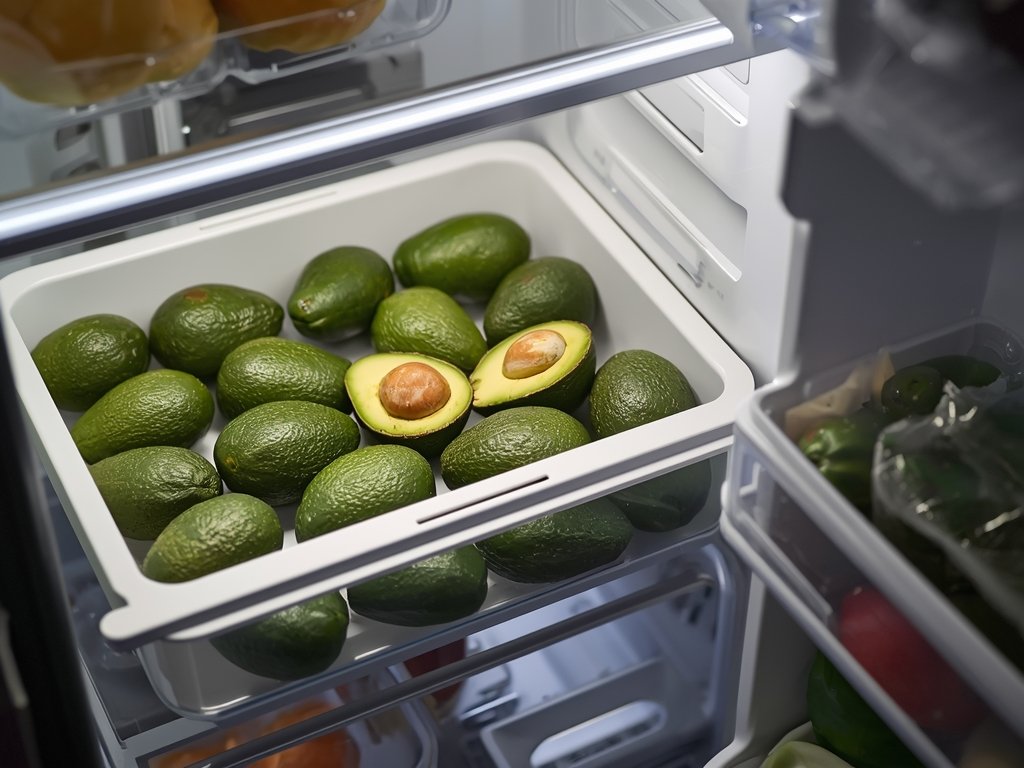
Storage Timeline:
- Whole, uncut avocado: 3-5 days at room temperature (until ripe), then 3-5 days refrigerated
- Cut avocado (properly stored): 24-48 hours maximum
- Guacamole (water seal): 48 hours
- Frozen avocado: 3 months
The Ripeness Reality: Storing unripe avocados in the fridge arrests ripening permanently. They’ll stay rock-hard forever. Only refrigerate avocados once they yield slightly to gentle pressure. Once cut, refrigeration is mandatory—room temperature cut avocados breed bacteria rapidly.
Do:
- Wash the skin before cutting (bacteria on the skin transfers to flesh via knife)
- Store whole avocados with bananas to speed ripening (ethylene gas)
- Check stored halves daily—surface browning can be scraped off, but deep browning means use immediately
- Use glass containers when possible (they don’t absorb odors like plastic)
Don’t:
- Store cut avocados at room temperature for more than 2 hours
- Eat avocado that smells sour, rancid, or like old paint (oxidation vs. actual spoilage)
- Trust color alone—some varieties stay green when overripe (Fuerte), others turn dark green/black when perfect (Hass)
- Microwave to ripen (cooks the inside, ruins the texture)
Your Avocado Questions, Answered

Can I just use store-bought guacamole preservative spray? Commercial anti-browning sprays use ascorbic acid (vitamin C) and citric acid—safe and effective. But you’re paying $5 for lemon juice in a spray bottle. Make your own: 1 cup water, 1 tablespoon lemon juice, 1 teaspoon vitamin C powder (ascorbic acid). Spray or brush on.
Why does my avocado sometimes have brown strings inside?
Those are vascular bundles—natural fiber that carries nutrients. More common in overripe or stressed avocados. They’re edible but tough. Scrape them out if texture bothers you; they indicate the avocado was picked at maturity but stored too long.
Is brown avocado safe to eat? Surface browning from oxidation? Yes—scrape off the top layer, use the green flesh underneath. Brown throughout with sour smell? No—that’s bacterial fermentation. When in doubt, compost it. Avocados aren’t expensive enough to risk food poisoning.
Can I store avocado in olive oil? Submerging in oil works—fat creates an oxygen barrier—but the avocado absorbs oil and becomes greasy. Fine for immediate use in salads, weird for toast. Plus, oil + avocado + time = potential anaerobic bacteria growth if not refrigerated properly. Stick to acid barriers.
Why do restaurant avocados stay green longer? They don’t. Restaurants just cut them to order, or they use calcium ascorbate (a preservative) in pre-cut products. The “perfect avocado” you see at brunch spots was likely cut 20 minutes ago, not 20 hours ago. Fresh-cut is the only true secret.
Ready to end the brown avocado era? Buy that lemon juice. Find your pastry brush. Embrace the onion trick even if it sounds weird. Tomorrow morning, when you open the fridge and find green instead of gray, you’ll understand why this matters. Perfect avocado toast shouldn’t be a Monday-only luxury.
What’s your avocado storage confession? Did you used to believe the pit myth, or have you been team “eat the whole thing in one sitting” to avoid the problem entirely? Share your brown avocado horror stories and your weirdest preservation experiments below—let’s build a community of green-flesh guardians.