Follow Me On Social Media!

How to Make Fried Rice Using Leftover White Rice
1. Fried Rice – Problem & Solution
You cooked rice with good intentions.
Now it’s sitting in the fridge—cold, clumpy, and completely unexciting.
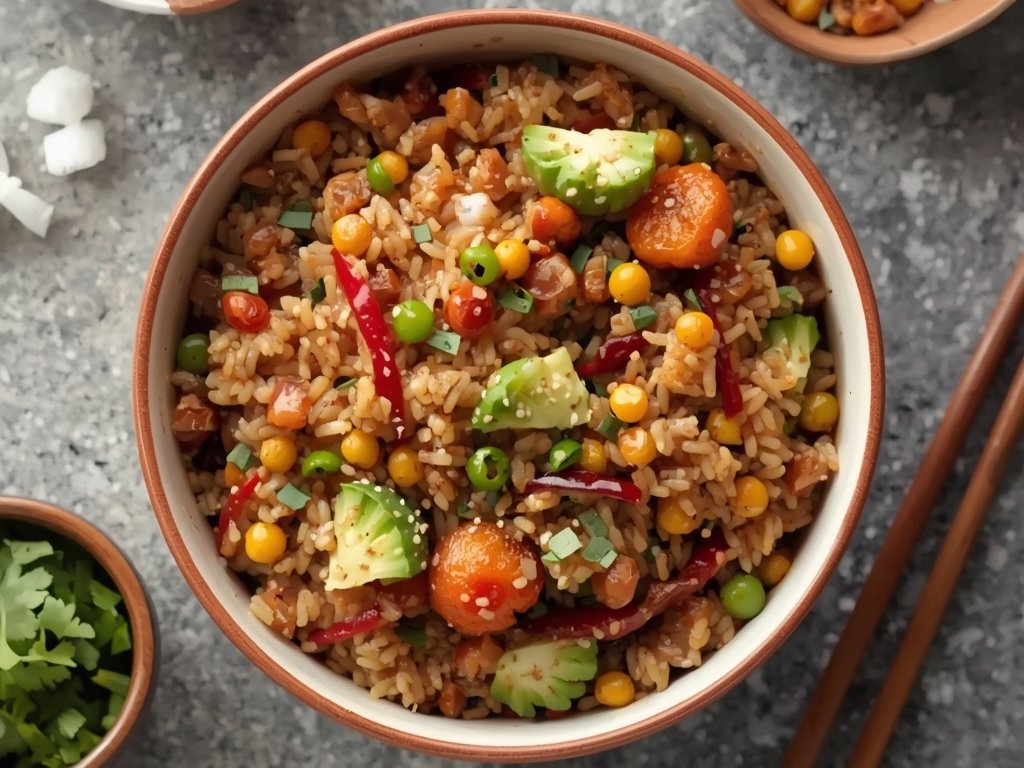
You consider reheating it, but you already know how that story ends: steamed mush, bland flavor, and rice that somehow tastes wetter and drier at the same time. This is one of the most common leftover food tragedies, and it’s exactly why people search “Can I use leftover rice for fried rice?” instead of “How to reheat rice.”
Here’s the key truth: fried rice only works because the rice is leftover. Fresh rice is the enemy. It holds too much moisture, steams instead of fries, and turns gummy the second it hits the pan.
Leftover rice, on the other hand, is primed for transformation.
At TwiceTasty, we don’t see cold rice as a problem—we see it as perfect raw material. With the right heat, timing, and fat management, yesterday’s plain white rice becomes separate, golden grains packed with flavor.
This isn’t a shortcut recipe. It’s the correct one.
2. The Science of Taste (Why Leftover Rice Is Essential)
Fried rice success is 100% about moisture control.
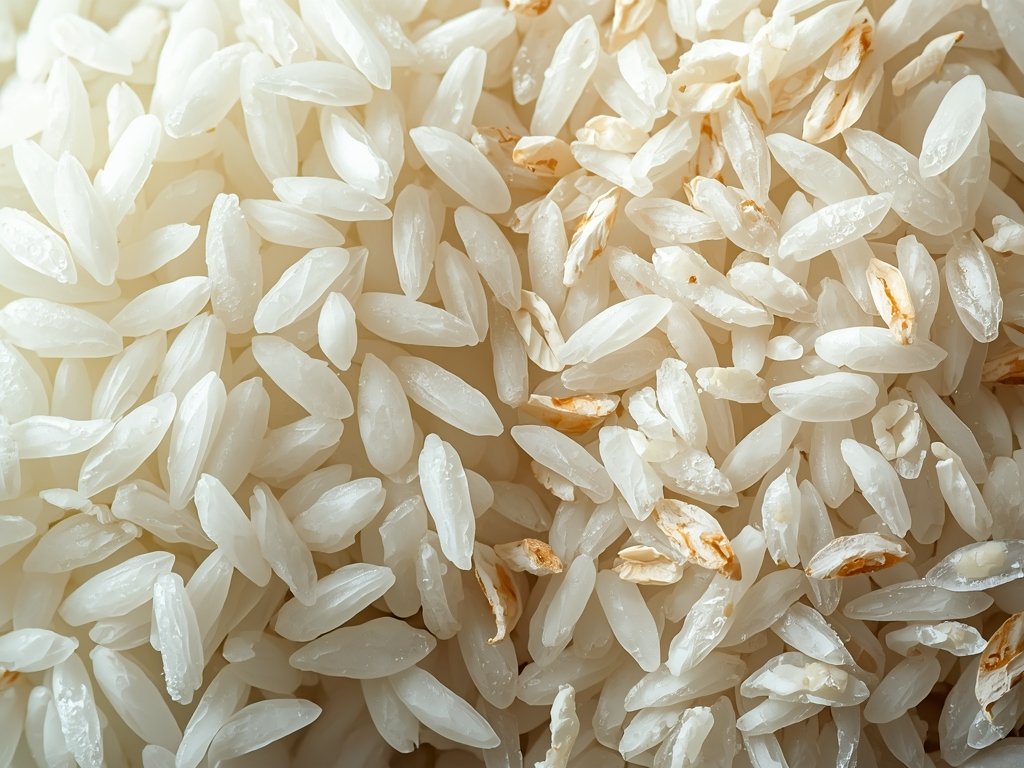
Why Fresh Rice Fails
Freshly cooked rice contains surface steam and internal water. When it hits a hot pan:
- Moisture turns into steam
- Steam prevents browning
- Grains burst and stick together
Result: soggy, pale, flavorless rice.
Why Leftover Rice Wins
When rice rests in the fridge:
- Surface moisture evaporates
- Starch retrogrades (firms up)
- Grains dry just enough to fry, not steam
This allows oil to coat each grain, creating separation and crisp edges. Heat drives the Maillard reaction, adding nutty, toasted notes that fresh rice can’t achieve.
Fat + dry starch + high heat = fried rice.
That’s the formula.
And this is why fried rice isn’t reheated rice—it’s re-engineered rice.
3. Step-by-Step Method (The Right Way, Every Time)
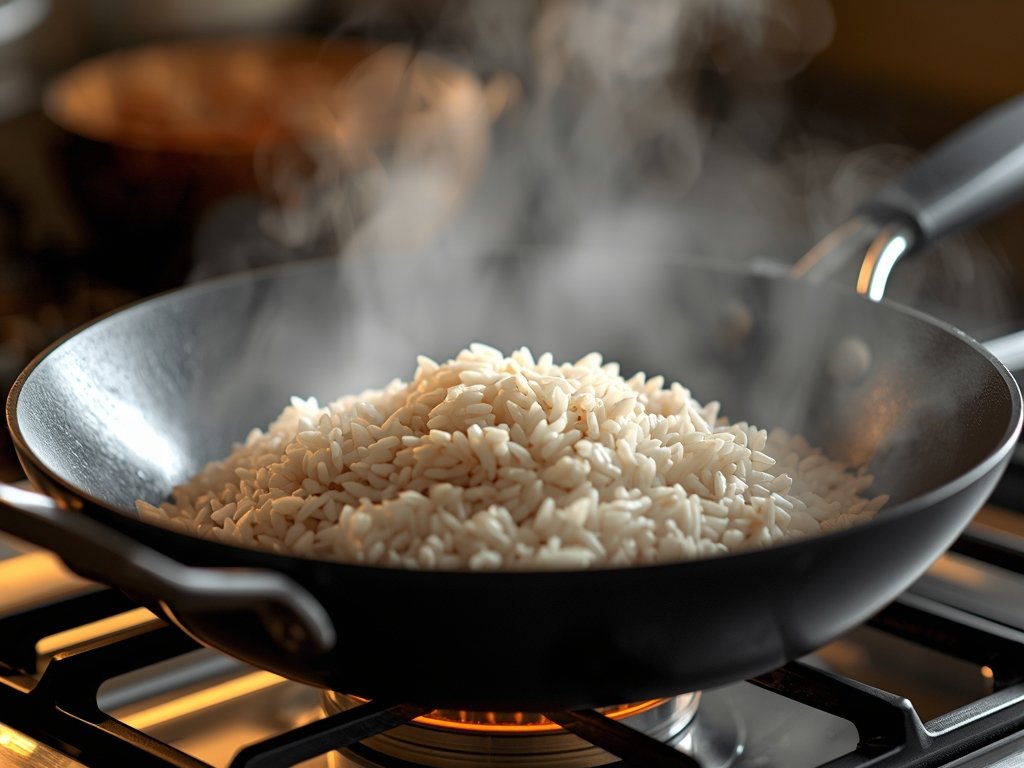
Ingredients (Base Formula)
- 3 cups cold leftover white rice (day-old preferred)
- 2 tablespoons neutral oil (canola, peanut)
- 2 eggs, beaten
- 2 cloves garlic, minced
- 2–3 tablespoons soy sauce
- Salt & white pepper to taste
- Optional add-ins: scallions, frozen peas, leftover protein
Step 1: Break Up the Rice
Use clean hands to gently separate clumps before cooking.
Pro Tip: Break rice before heat—never in the pan, or you’ll mash it.
Step 2: Preheat the Pan Properly
Heat wok or skillet over high heat (400°F / 205°C) until very hot.
Pro Tip: If the pan isn’t hot enough, rice absorbs oil instead of frying.
Step 3: Add Oil, Then Eggs
Add oil, swirl, then pour in eggs. Scramble 10–15 seconds and remove.
Pro Tip: Cooking eggs first keeps them soft, not rubbery.
Step 4: Aromatics Go Fast
Add a touch more oil, then garlic. Stir 5–10 seconds only.
Pro Tip: Garlic burns quickly—burnt garlic ruins the entire dish.
Step 5: Rice In, Spread It Out
Add rice and spread into a thin layer. Let sit 20–30 seconds untouched.
Pro Tip: Contact = browning. Stirring too early causes steaming.
Step 6: Season Strategically
Drizzle soy sauce around the pan edge, not directly on rice.
Pro Tip: Sauce hitting hot metal caramelizes instead of soaking grains.
Step 7: Return Eggs & Add-Ins
Add eggs and any cooked add-ins. Toss quickly for 30–45 seconds.
Pro Tip: Everything should already be cooked—this step is for integration.
Step 8: Final Taste Check
Adjust salt and pepper. Serve immediately.
Pro Tip: Fried rice waits for no one—delay kills texture.
4. Variations & Flavor Boosters
Simple upgrades that change everything.
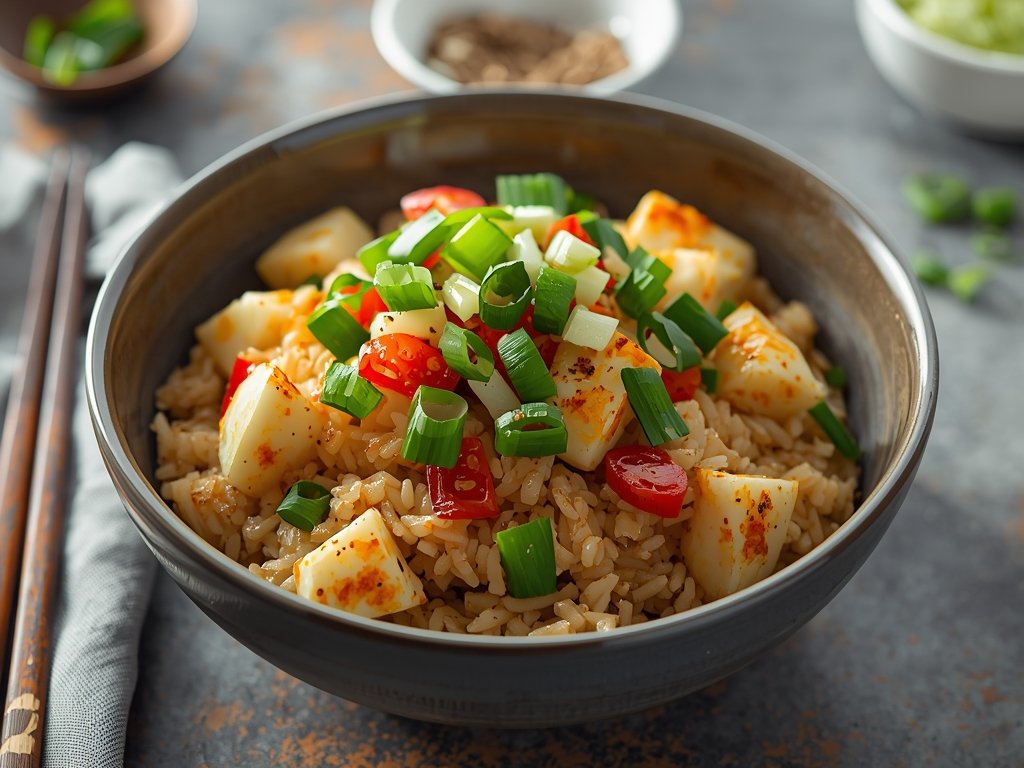
Classic Takeout Style
Add oyster sauce and a pinch of sugar.
Why it works: Sweetness balances salt and enhances browning.
Garlic Butter Fried Rice
Finish with a small knob of butter.
Why it works: Butter adds richness and rounds sharp soy notes.
Spicy Fried Rice
Add chili oil or sambal oelek at the end.
Why it works: Heat boosts aroma and perceived freshness.
5. Food Safety & Storage (Especially Important for Rice)
Rice requires extra attention.
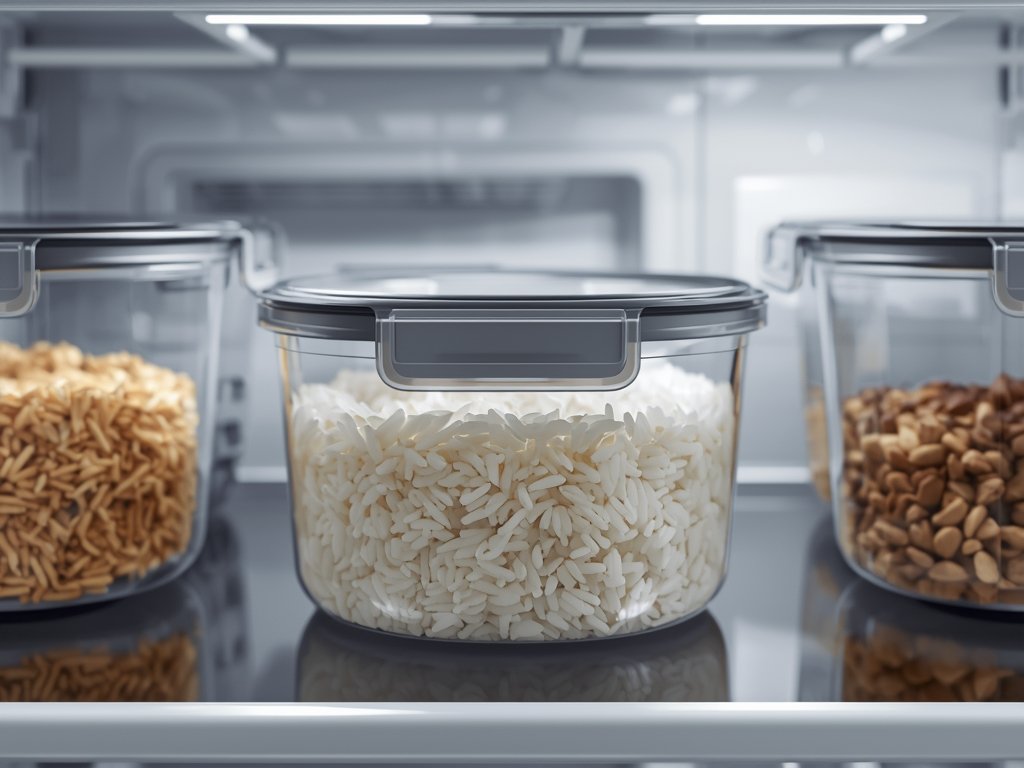
Safe Storage Time
- Cooked rice in fridge (≤40°F / 4°C): 3–4 days
Rice can grow bacteria if mishandled—cool it quickly and store properly.
Do’s and Don’ts
DO:
- Cool rice within 1 hour after cooking
- Store in shallow, airtight containers
- Reheat only once
DON’T:
- Leave rice at room temperature over 2 hours
- Reheat rice multiple times
- Use rice with sour or musty smell
Good fried rice starts with safe rice.
6. FAQ – People Also Ask
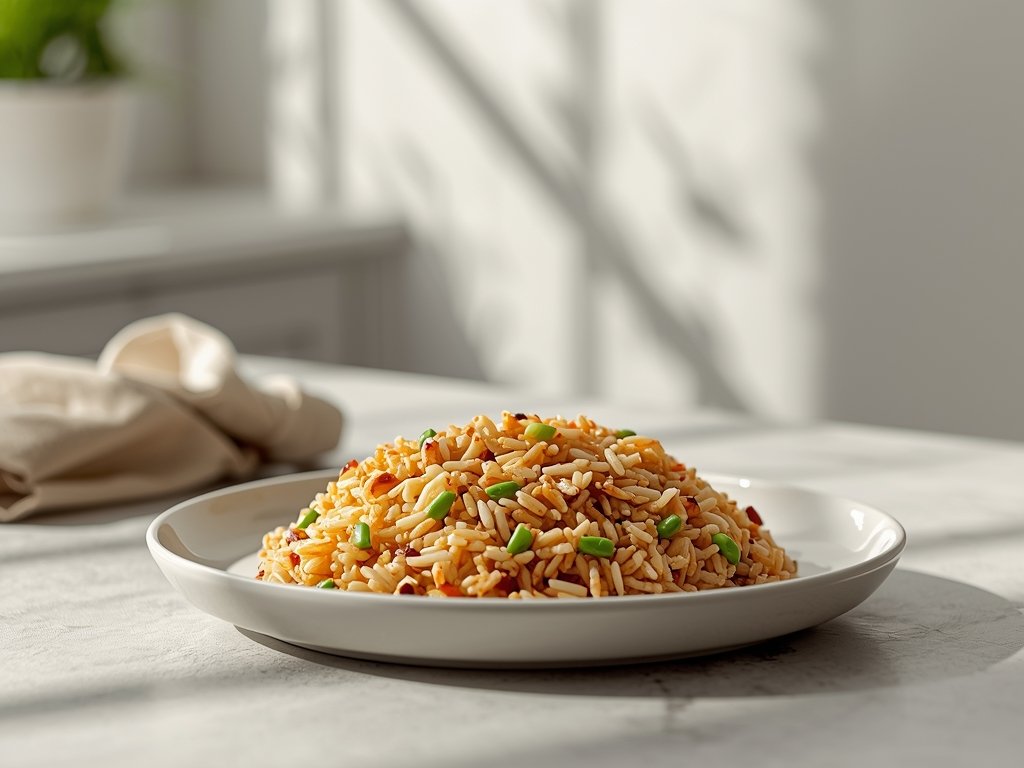
Can I use same-day rice for fried rice?
Only if you spread it thin and refrigerate for several hours. Overnight is best.
Why is my fried rice mushy?
Too much moisture, pan not hot enough, or stirring too often.
Can I use brown rice?
Yes—expect chewier texture and nuttier flavor.
Is fried rice healthy?
It can be. Control oil, add vegetables, and use lean proteins.
Can I freeze cooked rice?
Yes. Freeze flat, thaw in fridge, and use directly for fried rice.
Leftover white rice isn’t a compromise—it’s a requirement. Once you understand moisture, heat, and timing, fried rice stops being hit-or-miss and becomes predictable, fast, and deeply satisfying. Cold rice plus hot pan equals intention, not leftovers.