Follow Me On Social Media!

The Pantry Pitfall: Why Your Walnuts Deserve Better
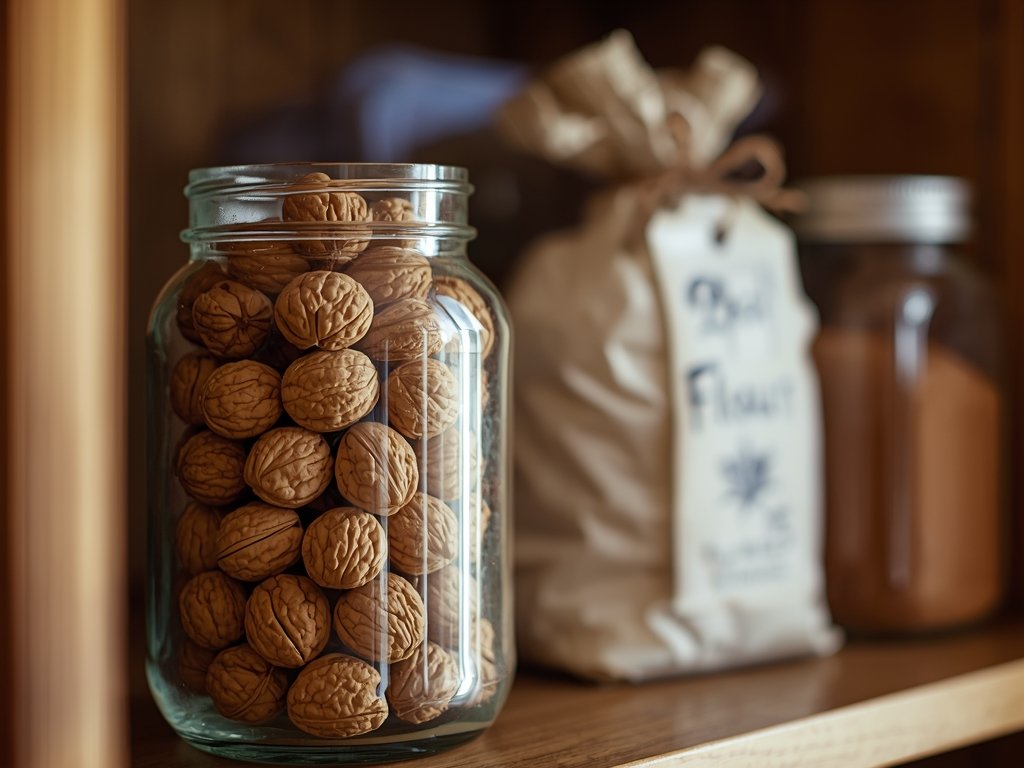
We’ve all been there – tossing a bag of walnuts into the pantry, thinking we’re doing them a favor by keeping them “cool and dry.” But here’s the hard truth: your pantry might be the worst place for these delicate nuts. Walnuts, like many of their nutty and seedy cousins, are more sensitive than they seem. Let’s crack open the truth about nut and seed longevity, and why your pantry could be sabotaging your snacks.
The Science of Spoilage: What’s Happening to Your Nuts?
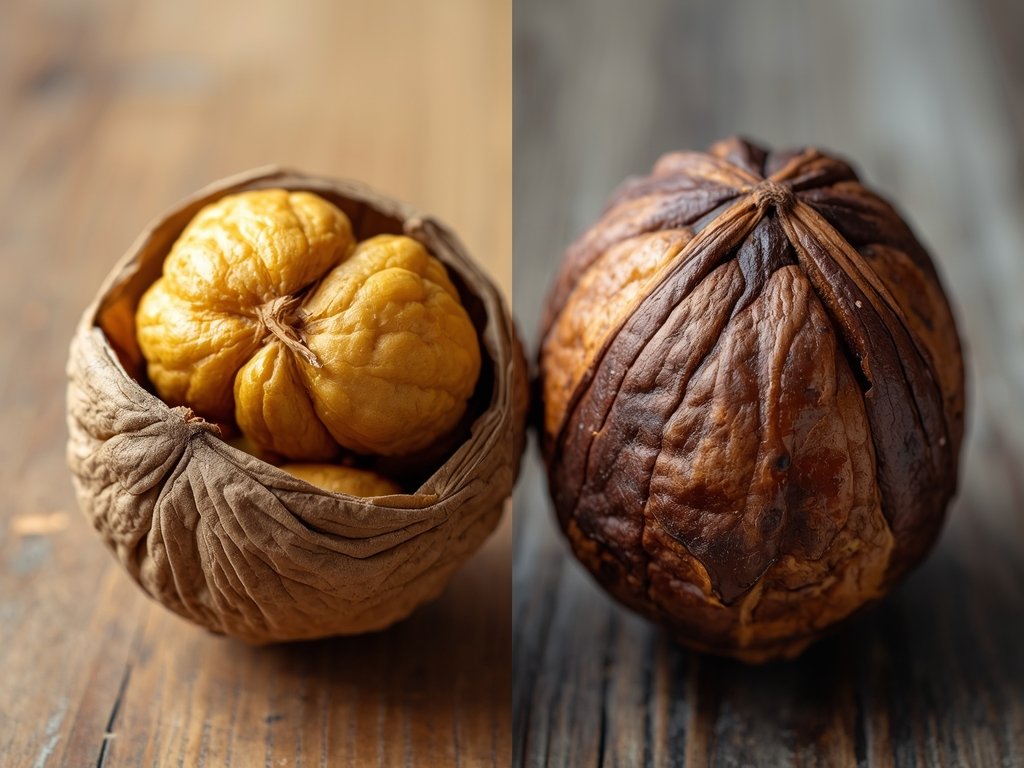
Before we dive into storage solutions, let’s talk about what’s actually happening when nuts go bad. The primary culprit is oxidation – a chemical reaction that occurs when the fats in nuts are exposed to oxygen. This process, also known as rancidity, breaks down the fats, creating that telltale bitter taste and unpleasant odor.
Walnuts, being rich in healthy fats, are particularly susceptible to oxidation. When stored improperly, they can start to turn within a few months. But it’s not just about taste – rancid nuts can also lose their nutritional value, defeating the purpose of choosing these healthy snacks in the first place.
The Role of Temperature and Humidity
Temperature and humidity play a critical role in nut longevity. Warm, humid environments accelerate oxidation, while cool, dry conditions can slow it down. Unfortunately, most pantries in American homes fall into the former category, especially during the summer months or in warmer climates like Florida or Texas.
The Great American Pantry: A Nut’s Nightmare
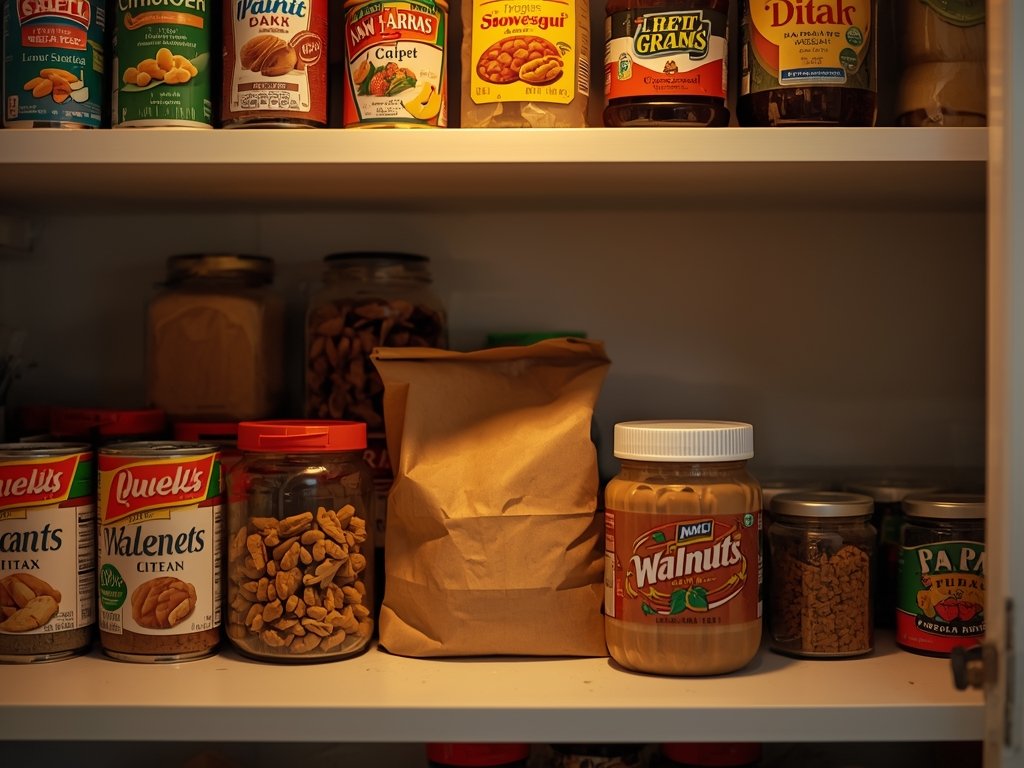
The traditional American pantry is a marvel of organization, but it’s not designed with nut storage in mind. Most pantries are located in the kitchen, where temperatures fluctuate with cooking and baking. Additionally, pantries often lack proper ventilation, trapping moisture and heat – the perfect storm for nut spoilage.
Regional Considerations
For those living in regions with high humidity, like the Southeast or the Pacific Northwest, the pantry can be an even worse storage spot. The moisture in the air can seep into nut containers, creating an ideal environment for mold and bacteria. Even in drier climates, like the Southwest, pantries can still be too warm, especially if they’re located near appliances like ovens or refrigerators.
The Fridge vs. Freezer Debate: Where Do Walnuts Belong?
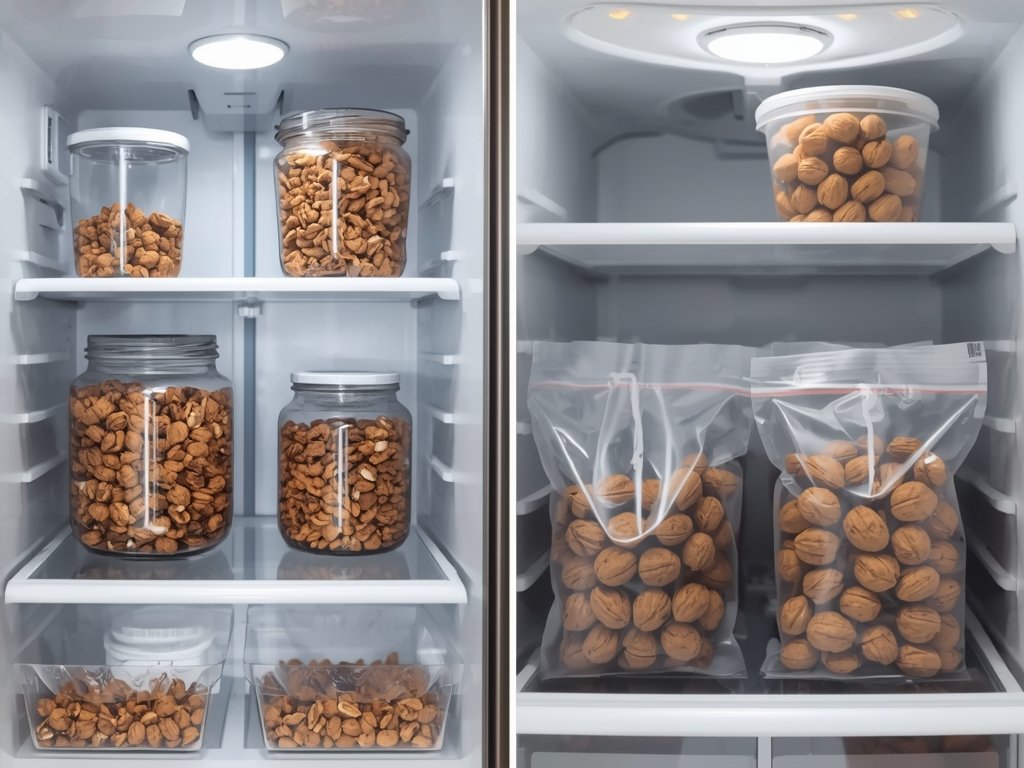
If the pantry is out, where should you store your walnuts? The fridge and freezer are both viable options, but they come with their own sets of pros and cons. Let’s weigh the benefits of each.
Refrigerator Storage: The Middle Ground
Storing walnuts in the fridge can extend their shelf life by several months. The cool, consistent temperature slows down oxidation, keeping your nuts fresher for longer. However, refrigerators can be humid, especially if they’re frequently opened. To combat this, store walnuts in an airtight container, preferably with a moisture absorber like a silica gel packet.
Freezer Storage: The Long-Term Solution
For maximum longevity, the freezer is the way to go. Walnuts can last up to a year in the freezer without significant quality loss. The key is to store them properly – use airtight, freezer-safe containers or vacuum-sealed bags to prevent freezer burn. When you’re ready to use them, let the walnuts thaw at room temperature for a few minutes to restore their texture.
Creative Storage Solutions for Nut Lovers
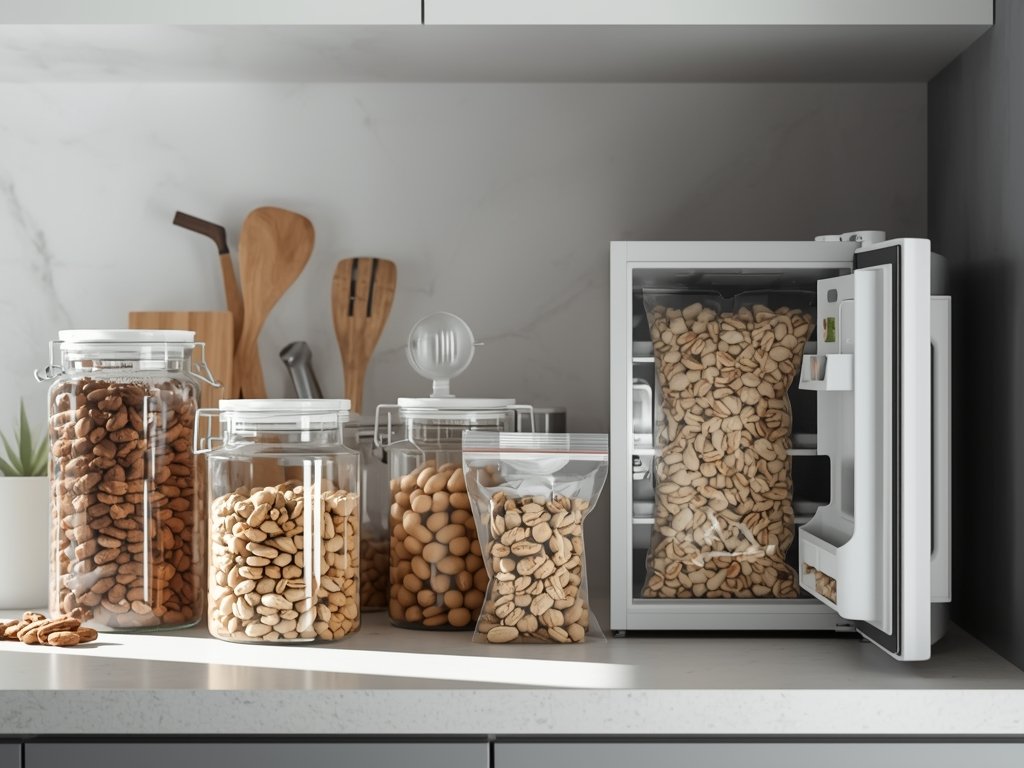
Not ready to commit your walnuts to the fridge or freezer? There are other creative ways to store nuts and seeds, ensuring they stay fresh and flavorful. Here are some ideas to inspire your storage setup.
Airtight Containers: The First Line of Defense
Investing in high-quality airtight containers is a game-changer for nut storage. Glass jars with tight-fitting lids are ideal, as they block out moisture and air while allowing you to see the contents. Mason jars or specialized nut storage containers are great options. Just be sure to keep them in a cool, dark place – not the pantry!
Vacuum Sealing: The Ultimate Protection
For those who take their nuts seriously, vacuum sealing is the gold standard. This method removes all air from the container, virtually eliminating the risk of oxidation. Vacuum-sealed nuts can last for years, making it a great option for bulk buyers or those who want to stock up on their favorite varieties.
The Nut Lover’s Checklist: Keeping Your Walnuts Fresh
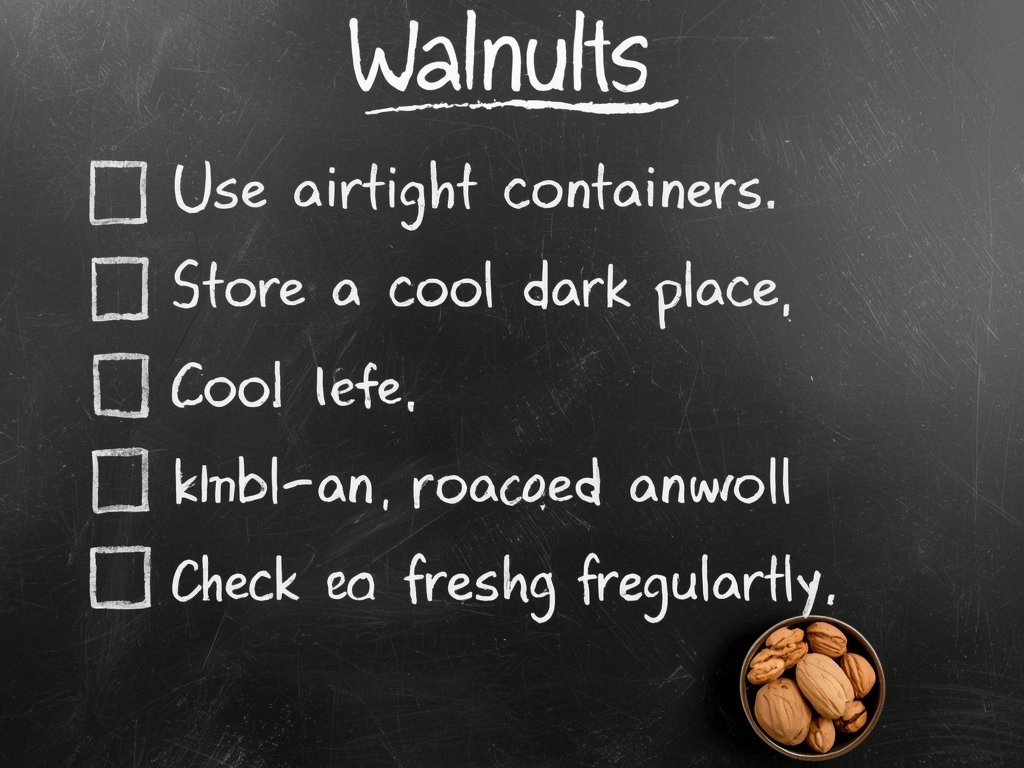
To ensure your walnuts stay fresh and delicious, follow this simple checklist. These steps apply to all nuts and seeds, so you can use them as a general guide for your entire collection.
- Choose the Right Container: Opt for airtight, opaque containers to block out air and light.
- Store in a Cool Place: Avoid warm areas like the pantry or near appliances. The fridge or freezer is best.
- Monitor Humidity: Use moisture absorbers like silica gel packets, especially in humid climates.
- Buy in Small Batches: If you can’t store nuts long-term, buy smaller quantities to ensure freshness.
- Check for Freshness: Regularly inspect your nuts for signs of spoilage, such as a bitter taste or unpleasant odor.
FAQ: Your Burning Questions About Nut Storage
Can I store walnuts in the pantry if I live in a dry climate?
While drier climates are better for pantry storage, it’s still not ideal for walnuts. The temperature fluctuations and lack of proper ventilation can lead to spoilage. Opt for the fridge or freezer for best results.
How can I tell if my walnuts have gone bad?
Rancid walnuts will have a bitter taste and a sharp, unpleasant odor. They may also appear discolored or have a soft texture. If you notice any of these signs, it’s best to discard them.
Can I freeze walnuts in their original packaging?
It’s not recommended, as most original packaging is not airtight or freezer-safe. Transfer your walnuts to a freezer-safe container or vacuum-sealed bag for optimal storage.
How long do walnuts last in the fridge?
When stored properly in an airtight container, walnuts can last up to 6 months in the fridge. For longer storage, consider the freezer.
Are there any nuts that can be stored in the pantry?
Some nuts, like peanuts and almonds, are more shelf-stable and can be stored in the pantry for short periods. However, for maximum freshness, it’s still best to store them in the fridge or freezer.

Lina leads the Fresh Hacks category, covering food storage tips, freshness preservation, and smart ways to extend the life of your groceries. Her guides help readers keep ingredients at peak quality for longer.

← Previous
Freeze Fresh Ginger: Grate Directly from Freezer
Next →
Softened Butter Hack: Safe Counter Storage Tips