Follow Me On Social Media!

The Great Freezer Burn Debate: Can Vacuum Sealers Save Your Food?
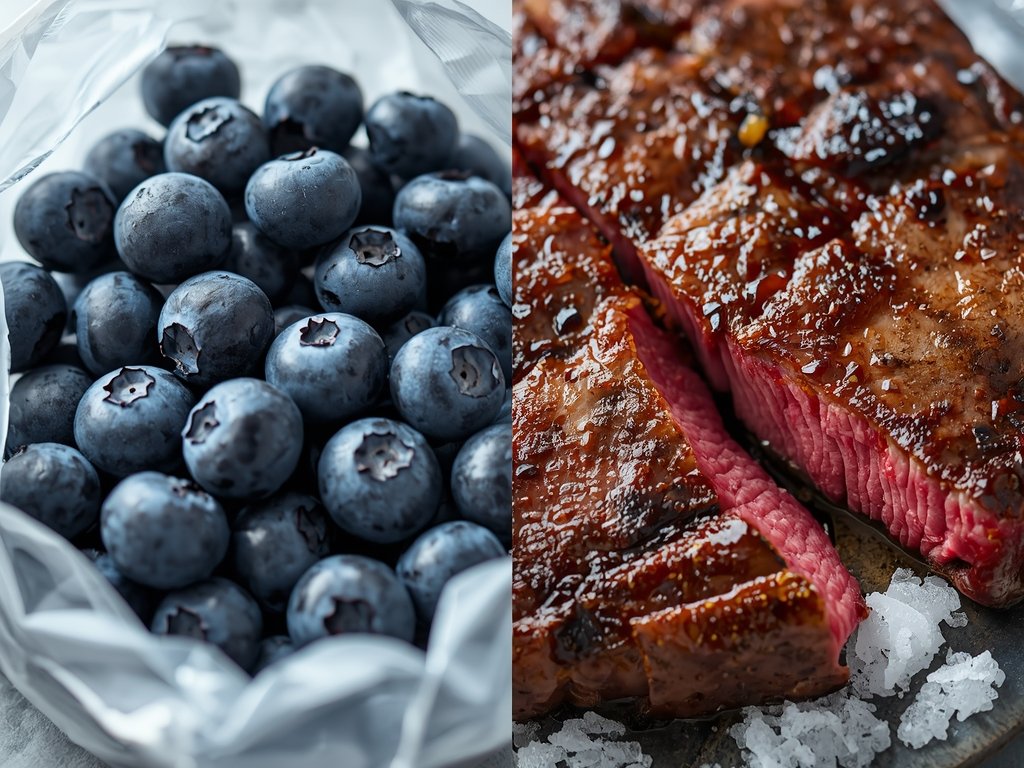
As any home cook or meal prep enthusiast knows, freezer burn is the arch-nemesis of food storage. That dreaded grayish-brown discoloration and dry, tough texture can ruin even the most carefully prepared meals. But what if there was a way to prevent it? Enter the vacuum sealer, a kitchen gadget that promises to extend the life of your frozen foods. But does it really work? We put vacuum sealers to the test to find out if they can truly prevent freezer burn.
Understanding Freezer Burn: The Enemy Within

Before we dive into the vacuum sealer test, let’s understand what causes freezer burn. Contrary to popular belief, it’s not a result of cold temperatures, but rather a lack of moisture control. When food is exposed to air in the freezer, moisture evaporates, and ice crystals form on the surface, leading to dehydration and oxidation.
This process not only affects the taste and texture of your food but also its nutritional value. In the United States, where food waste is a significant concern, finding ways to preserve food quality is more important than ever. According to the USDA, Americans waste approximately 30-40% of the food supply, with much of it ending up in landfills. By preventing freezer burn, we can reduce waste and save money on groceries.
The Vacuum Sealer Promise: A Game-Changer for Food Storage?

How Vacuum Sealers Work
Vacuum sealers remove air from specially designed bags, creating an airtight seal that prevents moisture loss and oxidation. This process, known as vacuum packaging, is widely used in the food industry to extend shelf life and maintain freshness.
For home cooks, vacuum sealers offer a convenient way to store leftovers, meal prep, and preserve seasonal produce. But can they really prevent freezer burn? To find out, we conducted a series of tests using a popular vacuum sealer model and a variety of foods commonly prone to freezer burn.
The Vacuum Sealer Test: Putting Theory into Practice

Test Parameters and Methodology
We selected five foods known for their susceptibility to freezer burn: bread, berries, steak, fish, and cooked rice. For each food, we prepared two samples: one vacuum-sealed and one stored in a traditional freezer bag. The samples were stored in a standard household freezer set at 0°F (-18°C) for a period of three months.
Every two weeks, we inspected the samples for signs of freezer burn, noting any changes in color, texture, or odor. At the end of the three-month period, we evaluated the samples based on their overall quality and taste.
Results: Does the Vacuum Sealer Deliver?

The Verdict: A Clear Winner
After three months, the results were striking. The vacuum-sealed samples showed little to no signs of freezer burn, retaining their original color, texture, and flavor. In contrast, the control samples exhibited significant deterioration, with noticeable discoloration, dryness, and off-flavors.
The most dramatic difference was observed in the bread and berries, which are particularly prone to moisture loss. The vacuum-sealed bread remained soft and fresh, while the control sample became stale and crumbly. Similarly, the vacuum-sealed berries retained their juicy texture, whereas the control sample turned into a frozen, flavorless mass.
Maximizing Your Vacuum Sealer: Tips and Tricks

Getting the Most Out of Your Investment
To ensure optimal results with your vacuum sealer, follow these best practices:
- Choose the right bags: Use high-quality vacuum sealer bags designed for freezer storage. Avoid reusing bags, as they may not seal properly.
- Portion control: Divide food into meal-sized portions before sealing. This reduces the amount of air in each bag and makes it easier to thaw only what you need.
- Label and date: Always label your sealed bags with the contents and date. This helps you keep track of what’s in your freezer and ensures you use older items first.
- Pre-freeze liquids: When sealing soups, sauces, or other liquids, pre-freeze them in ice cube trays before transferring to vacuum sealer bags. This prevents spills and ensures even freezing.
By incorporating these tips into your food storage routine, you can maximize the benefits of your vacuum sealer and enjoy fresher, more flavorful meals.
FAQ: Your Vacuum Sealer Questions Answered
Can I vacuum seal any type of food?
Most foods can be vacuum sealed, but some require special preparation. For example, raw garlic and onions should be blanched before sealing to prevent the growth of Clostridium botulinum. Always follow food safety guidelines when vacuum sealing.
How long can vacuum-sealed food last in the freezer?
When stored properly, vacuum-sealed food can last up to 2-3 years in the freezer, compared to 3-6 months for traditionally stored food. However, always check for signs of spoilage before consuming.
Can I reuse vacuum sealer bags?
While it may be tempting to reuse vacuum sealer bags, it’s not recommended. The sealing process can weaken the bag, leading to potential leaks and contamination. Always use fresh bags for optimal results.
Are vacuum sealers worth the investment?
For households that frequently store food in the freezer, a vacuum sealer can be a worthwhile investment. By reducing food waste and preserving quality, it can save you money in the long run. Additionally, vacuum sealers are great for meal prep, sous vide cooking, and preserving seasonal produce.
Can vacuum sealing prevent all types of food spoilage?
While vacuum sealing is highly effective at preventing freezer burn and extending shelf life, it’s not a guarantee against all types of spoilage. Proper food handling, storage, and hygiene practices are still essential to ensure safety and quality.

David handles the Kitchen Gear category, reviewing tools, equipment, and accessories that make cooking and food storage easier. His articles focus on practical recommendations for everyday home cooks.

← Previous
Electric vs. Hand Graters: Which Saves Time and Knuckles?
Next →
Silicon Mats vs. Oil: Healthier Baking Choices for Americans