Follow Me On Social Media!

The Great Vacuum Sealer Experiment: A 6-Month Journey
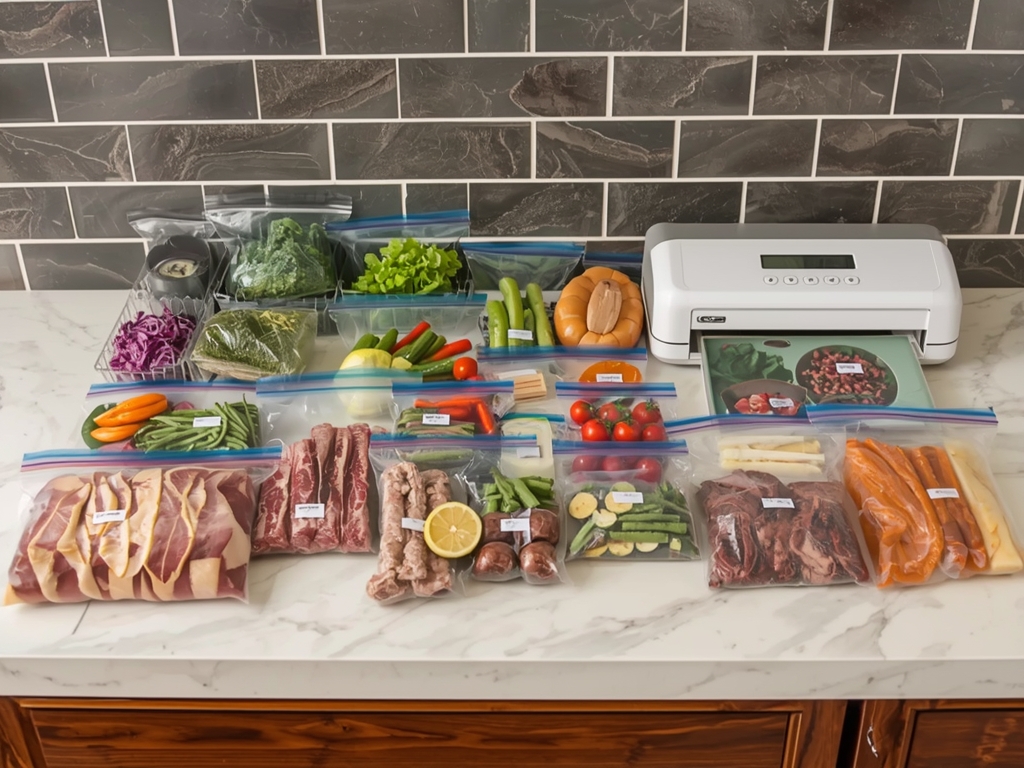
As a food enthusiast and a budget-conscious shopper, I’ve always been intrigued by the idea of vacuum sealers. The promise of extending the life of my groceries and reducing waste sounded too good to be true. So, I decided to put this kitchen gadget to the test. Over the course of six months, I embarked on a journey to answer the burning question: Do vacuum sealers actually save you money?
Setting the Stage: My Grocery Habits
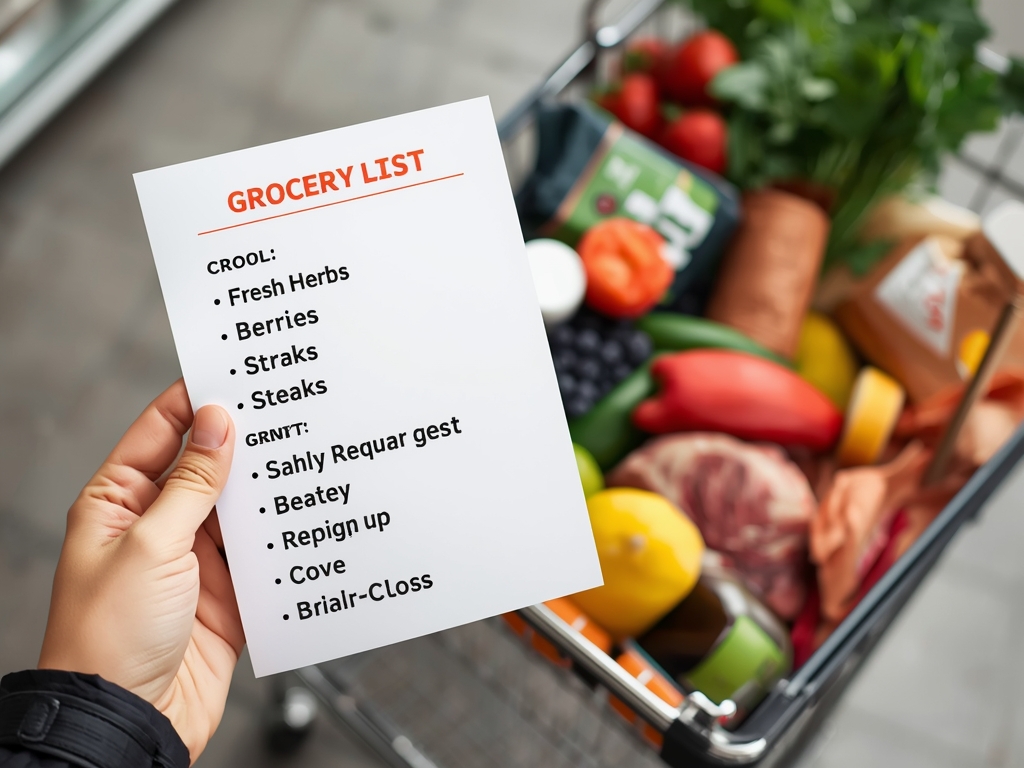
Before we dive into the experiment, let’s set the scene. I’m a typical American foodie, living in the suburbs of Chicago. My weekly grocery haul includes a mix of fresh produce, meats, and dairy, with the occasional indulgence in specialty items. Like many, I struggle with keeping my groceries fresh, especially those delicate herbs and berries that seem to wilt within days.
My pre-experiment grocery spending averaged around $150 per week for a family of four. With a keen eye for deals and a love for cooking, I considered myself a savvy shopper. But could a vacuum sealer take my savings to the next level?
Month 1: Unboxing and Initial Impressions
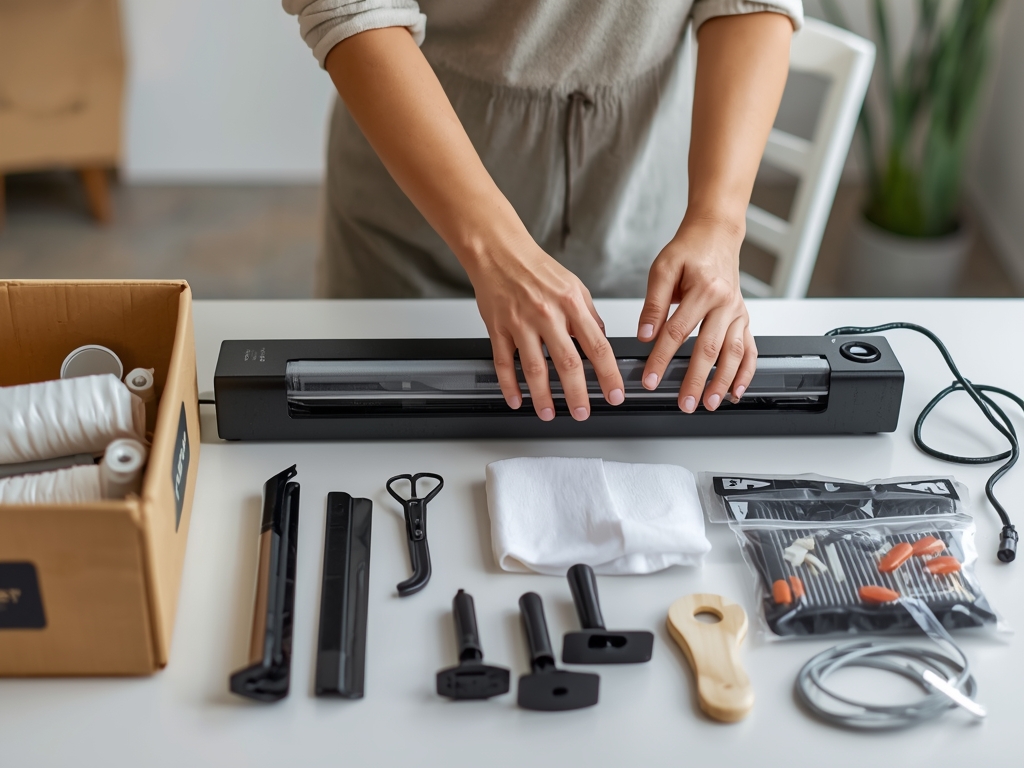
The Unboxing Experience
I opted for a mid-range vacuum sealer, a popular model known for its ease of use and reliability. As I unboxed the machine, I was struck by its compact design. The starter kit included a roll of vacuum bags, a handheld sealer, and a detailed user manual.
The initial setup was a breeze. Within minutes, I had the machine ready for action. The first test run involved sealing a bag of fresh spinach, a notorious culprit for wilting quickly. The process was surprisingly simple: place the item in the bag, insert it into the machine, and let the vacuum work its magic.
First Impressions: A Game-Changer?
The results were immediate. The sealed spinach remained crisp and fresh for over a week, a stark contrast to its usual 3-day lifespan. I repeated the process with strawberries, a loaf of bread, and some leftover cooked chicken. Each item showed remarkable longevity, staying fresh for days beyond their typical shelf life.
However, the real test was yet to come. Could this initial success translate into long-term savings?
Months 2-4: The Daily Grind and Unexpected Challenges
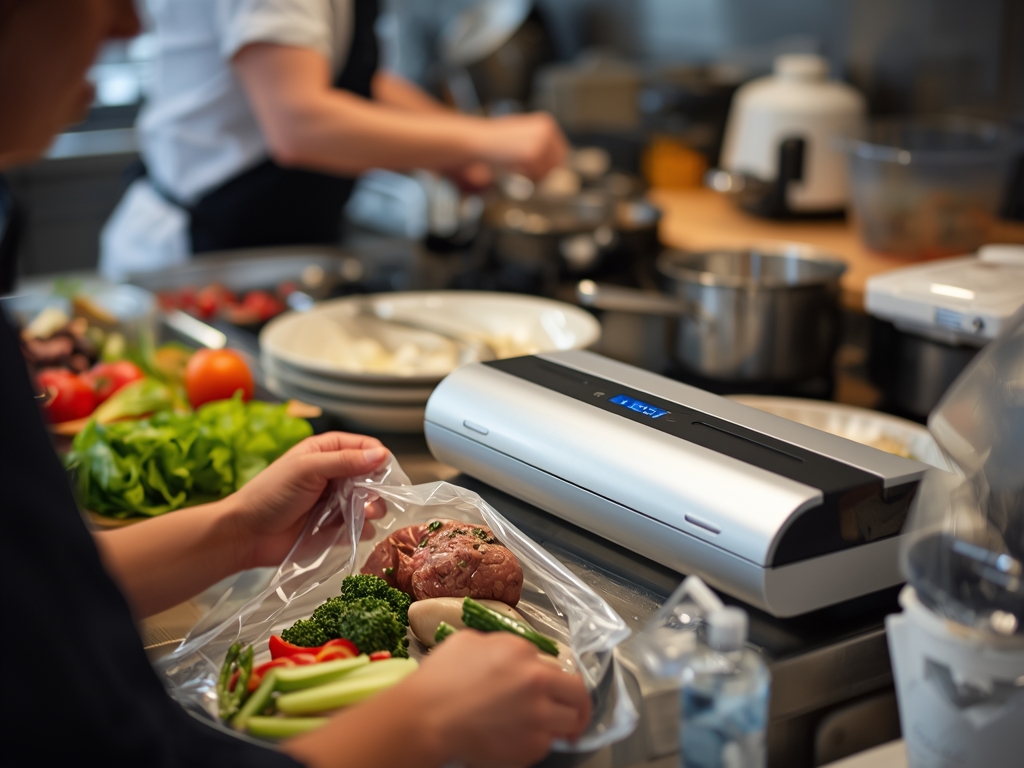
Incorporating the Sealer into My Routine
As the weeks progressed, the vacuum sealer became an integral part of my kitchen routine. I found myself sealing everything from bulk purchases to leftovers. The machine’s efficiency was impressive, handling various foods with ease.
One of my favorite discoveries was the ability to seal and freeze fresh herbs. No more sad, wilted basil! I could now buy in bulk and preserve the herbs for future recipes, a game-changer for my cooking.
Challenges and Learning Curves
It wasn’t all smooth sailing. I quickly learned that not all foods are created equal when it comes to vacuum sealing. Delicate items like crispy salads and certain cheeses required a gentler approach. Over-sealing could lead to crushed goods, a lesson learned the hard way with a bag of potato chips.
Additionally, the cost of vacuum bags became a consideration. While the machine itself was an investment, the ongoing expense of bags needed to be factored into the overall savings equation.
Month 5: The Numbers Game – Analyzing the Savings
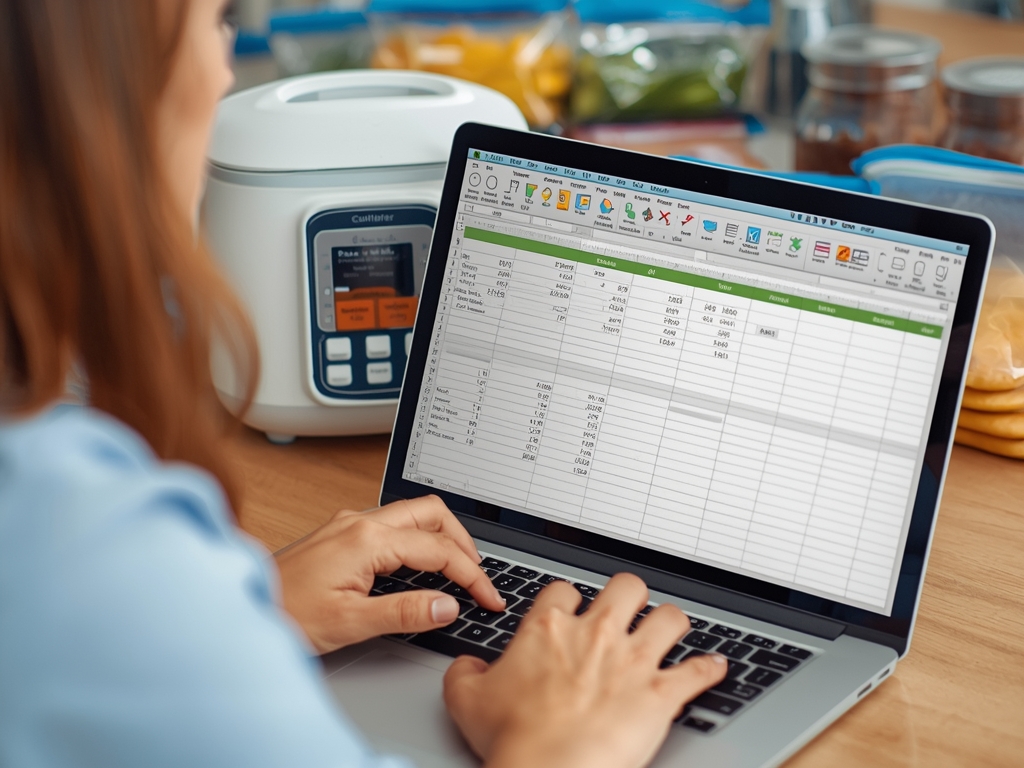
Crunching the Numbers
Five months in, it was time to assess the financial impact. I compared my pre-experiment grocery bills with the current expenses, factoring in the cost of vacuum bags. The results were eye-opening.
On average, my weekly grocery spend had decreased by approximately 15%. This might not seem like a significant amount, but over the course of a year, it translates to substantial savings. The vacuum sealer had indeed helped reduce waste, especially with perishable items.
The Intangibles: Time and Convenience
Beyond the monetary savings, the vacuum sealer offered intangible benefits. Meal prep became more efficient, as I could cook in bulk and store portions for later. The convenience of having fresh ingredients readily available cannot be overstated, especially for busy weeknights.
Moreover, the environmental impact of reducing food waste aligned with my values, adding a feel-good factor to the entire experience.
Month 6: Long-Term Verdict and Tips for Success
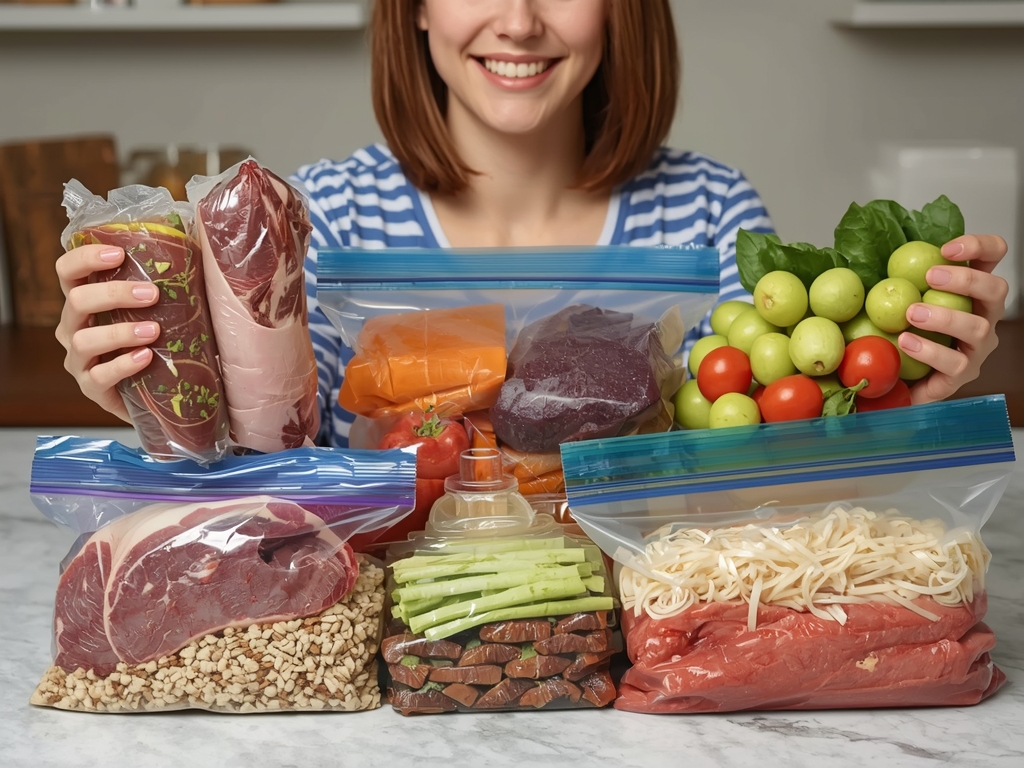
The Final Verdict
After six months, I can confidently say that vacuum sealers do save you money. The reduction in food waste and the ability to buy in bulk without fear of spoilage are significant advantages. While the initial investment and ongoing cost of bags are factors to consider, the long-term savings outweigh these expenses.
For the average American household, a vacuum sealer can be a valuable tool in the fight against food waste and rising grocery costs.
Tips for Maximizing Your Sealer’s Potential
- Buy in Bulk: Take advantage of wholesale clubs and bulk stores. Sealing and storing large quantities of non-perishables can save money and reduce packaging waste.
- Meal Prep Like a Pro: Cook once, eat twice (or more!). Vacuum sealing makes meal prep efficient and ensures your efforts last longer.
- Preserve the Season: Seal and freeze seasonal produce at its peak. Enjoy summer berries in winter and vice versa.
- Don’t Overlook Leftovers: Seal and store leftovers for quick, convenient meals. No more forgotten containers in the back of the fridge!
FAQ: Vacuum Sealer Savings Unsealed
How much can I realistically save with a vacuum sealer?
Savings vary depending on your shopping habits and the types of food you buy. On average, you can expect a 10-20% reduction in grocery waste, which translates to significant annual savings.
Are vacuum sealers worth the initial investment?
For most households, yes. The long-term savings and convenience often outweigh the upfront cost. Consider it an investment in reducing food waste and improving your overall grocery management.
What foods benefit the most from vacuum sealing?
Perishable items like fresh produce, meats, and dairy show the most significant improvement in shelf life. Vacuum sealing also works wonders for preserving the freshness of bulk purchases and leftovers.
Can I use vacuum sealers for long-term food storage?
Absolutely! Vacuum sealing is an excellent method for long-term food preservation. When combined with proper freezing techniques, you can extend the life of many foods by months, if not years.
How do I choose the right vacuum sealer for my needs?
Consider factors like frequency of use, types of food you’ll seal, and available counter space. Mid-range models often offer the best balance of features and affordability for home use.

David handles the Kitchen Gear category, reviewing tools, equipment, and accessories that make cooking and food storage easier. His articles focus on practical recommendations for everyday home cooks.

← Previous
Air Fryer Accessories Worth Buying: 5 Game-Changers
Next →
Natural Coffee Maker Descaling: A Simple, Effective Guide