Follow Me On Social Media!

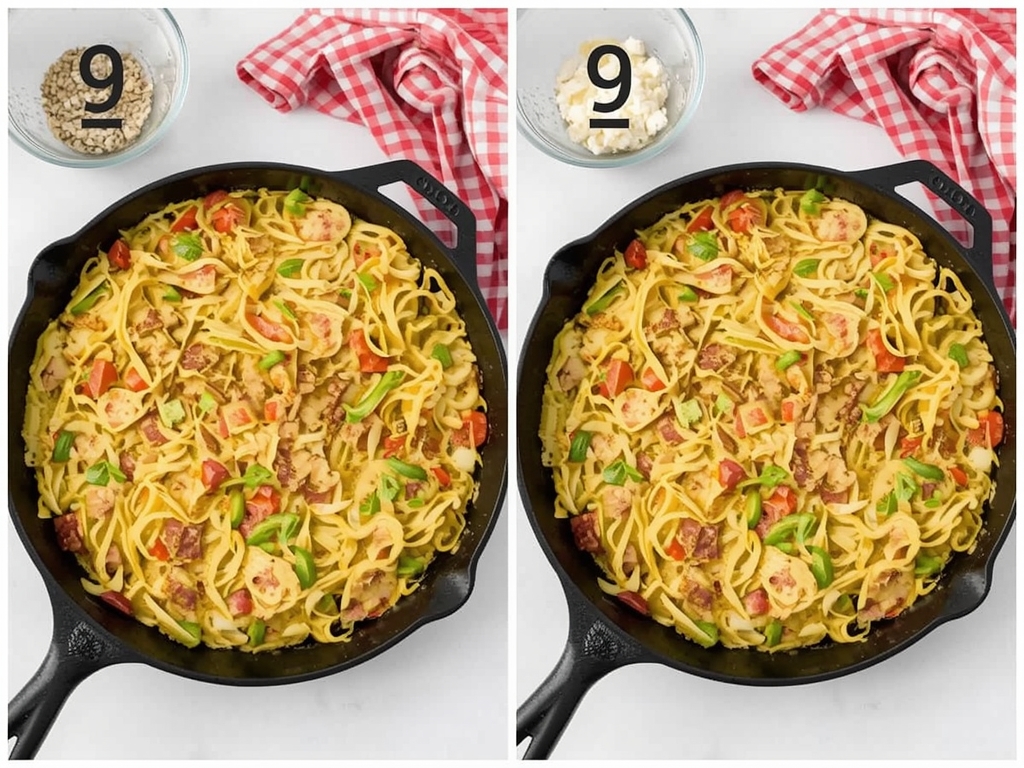
There is a specific kind of kitchen fatigue that hits around Tuesday. You open the fridge, staring at the Tupperware container from Sunday’s pasta night. It’s not a pretty sight. The fettuccine or penne has settled into a dense, solid block. The sauce has been absorbed by the noodles, turning them into a gummy, indistinguishable mass. It looks heavy, it looks cold, and it looks unappetizing. You know that if you zap it in the microwave, it’s going to heat unevenly—scorching hot on the outside and cold in the center—with the texture of warm, wet glue.
Most people toss this in the trash or suffer through it as a sad desk lunch. But that block of starch is actually a goldmine waiting for a transformation. We aren’t going to try to revive it as “pasta.” We’re going to treat it like a completely different ingredient. By binding those leftover noodles with eggs and cheese and hitting them with high heat, we can create a Crispy Italian Noodle Frittata. It’s part quiche, part hash brown, and entirely delicious. It has a golden, crunchy crust that gives way to a soft, savory interior. It’s the ultimate comfort food hack that turns a boring leftover into a meal that feels intentional.
Why Pasta and Eggs Are a Secret Power Couple
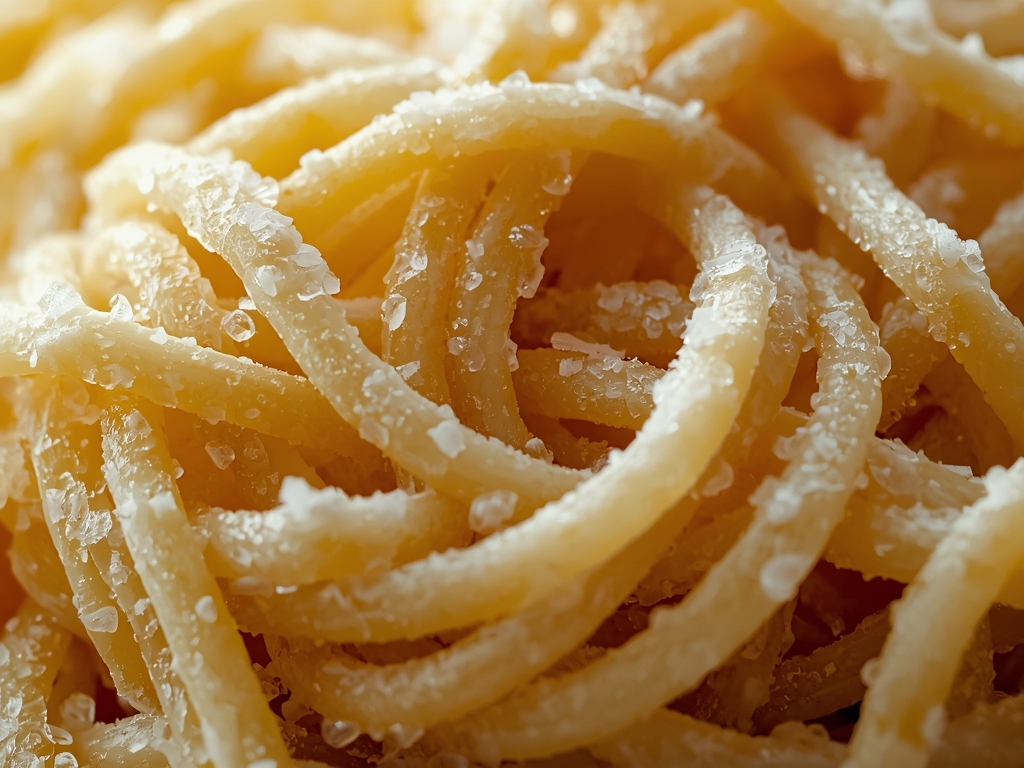
To understand why this works, we have to look at what happens to pasta when it cools down. Pasta is mostly starch. When you cook it, the starch granules swell up with water and burst, creating that soft texture. As it sits in the fridge, that water moves around and the starch molecules undergo retrogradation—they realign and squeeze out water, which is why leftover pasta gets dry and sticky. It becomes a dense, starchy sponge.
Now, think about eggs. They are protein and fat. When you cook them, they set into a custard. If you just mix eggs and pasta, you might think you’d get a mess, but actually, the starch in the pasta acts as a thickener for the eggs. It creates a structure that is sturdier than a standard omelet but more tender than a frittata made with just flour.
The beauty of this dish is the texture contrast. We are going to use the oven to drive off that excess moisture that made the pasta gummy. We are going to fry the starches. The outside of the frittata will become caramelized and crisp, almost like a potato latke, while the inside remains creamy and rich. The pasta noodles provide a chewiness that you can’t get from potatoes or bread. It’s a textural playground.
The “Crust-First” Technique
The mistake people make with frittatas is treating them like scrambled eggs. You don’t want soft curds here; you want structure. And you definitely want that crust.
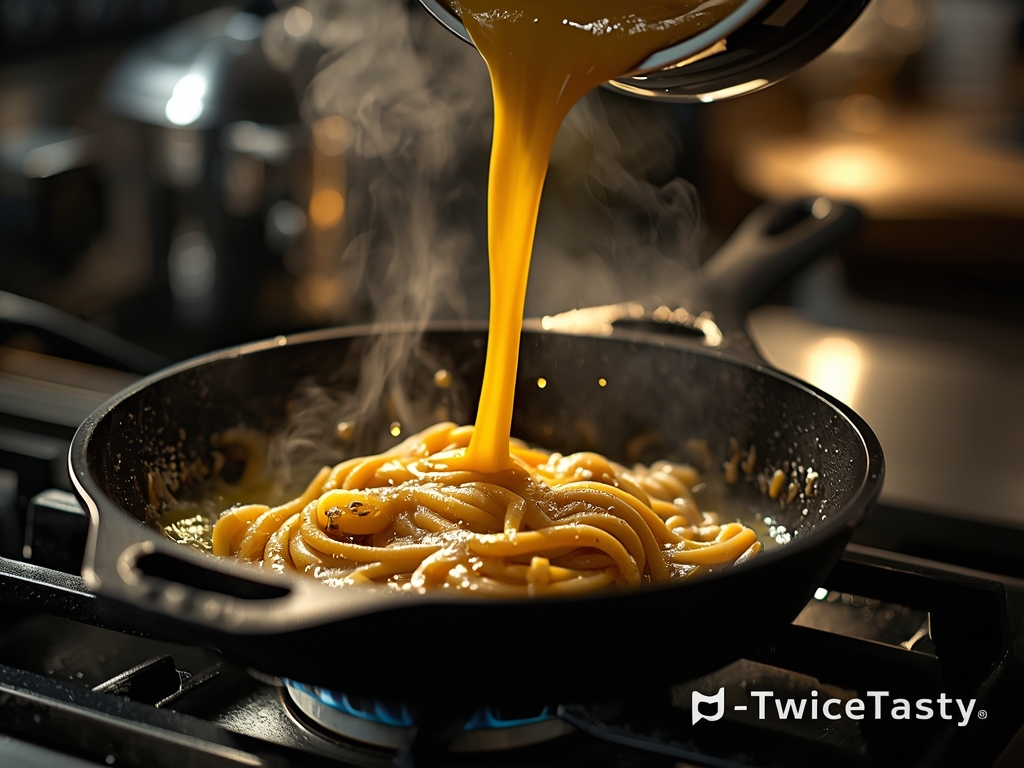
Grab your block of leftover pasta. If it’s a giant brick, use a knife to cut it into chunks. It doesn’t have to be pretty. Toss it into a bowl. Crack in your eggs—the ratio is usually about 6 to 8 eggs for a standard leftover pasta portion. Don’t overbeat the eggs until they are frothy; just whisk them until the yolks and whites are blended. Over-beating introduces too much air, which can make the frittata dry.
Now, the glue. Grate in a mountain of Parmesan or Pecorino Romano. These hard, salty cheeses are essential. They melt into the nooks and crannies of the pasta, acting as a mortar that holds the noodles together. If your leftover pasta was plain, add some salt and pepper now. If it was already sauced (especially if it was a red sauce), go easy on the salt; the sauce has done the work for you.
Get an oven-safe skillet—cast iron is the MVP here. Get it ripping hot over medium-high heat. Add a generous glug of olive oil. Pour the pasta and egg mixture into the hot pan. Listen to that immediate hiss. Do not touch it. Let it cook. This is the “crust-first” phase. We are frying the bottom layer of noodles and eggs against the metal. We want it to turn a deep, golden brown. This usually takes about 3 to 5 minutes. You want the edges to set and pull away from the pan.
The Finish: The Cheese Melt
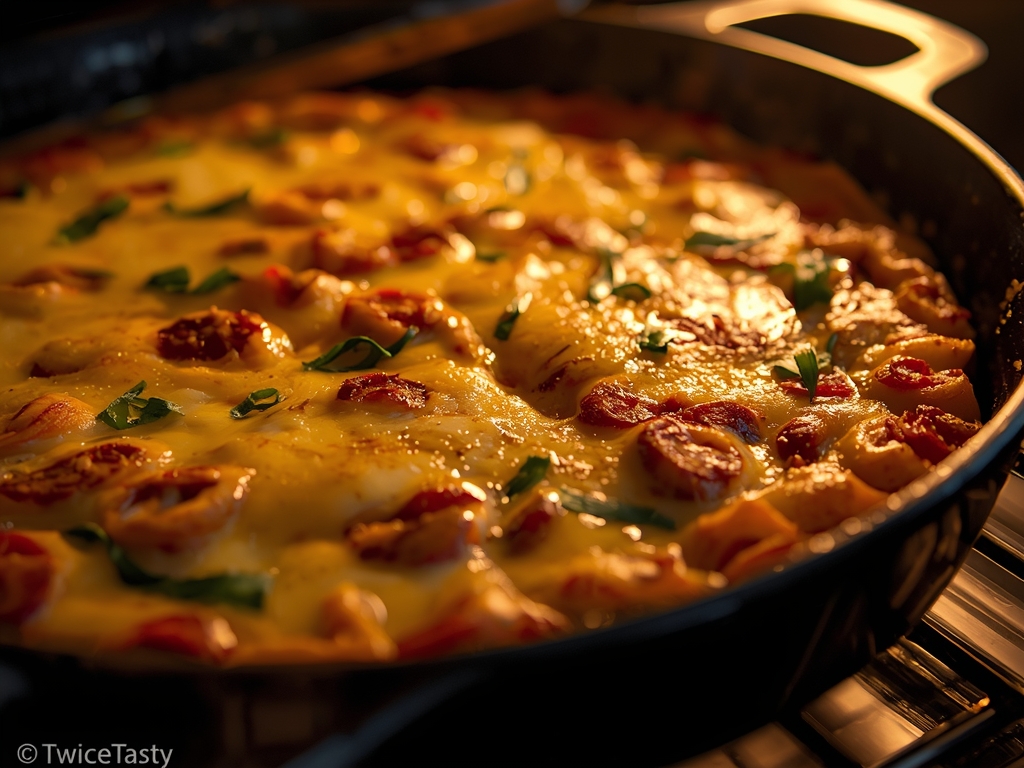
Once the bottom is set and crispy, it’s time for the oven. Slide the skillet into a broiler or an oven set to 400°F. We aren’t cooking the eggs through on the stovetop because the bottom would burn before the center was set. The ambient heat of the oven will cook the top and firm up the custard.
If you have any fresh mozzarella or a softer cheese like Fontina, tear it up and scatter it over the top now. The broiler will melt it into a bubbling, gooey layer that contrasts with the crispy bottom. Keep an eye on it. It goes from “golden” to “burnt” in seconds under a broiler.
When you pull it out, let it rest for a solid 5 minutes. This is non-negotiable. The structure needs to set. If you cut it while it’s too hot, it will weep liquid and collapse. You want that custard to relax so it holds its shape when you slice it.
When you do slice it, you should hear the crunch of the knife breaking through that fried bottom crust. The inside should be soft and yellow, studded with savory noodles and pockets of melted cheese. It’s a meal that feels substantial but isn’t heavy like a bowl of cold pasta. It’s warm, it’s comforting, and it reinvents the texture entirely.
The Fresh Green Upgrade
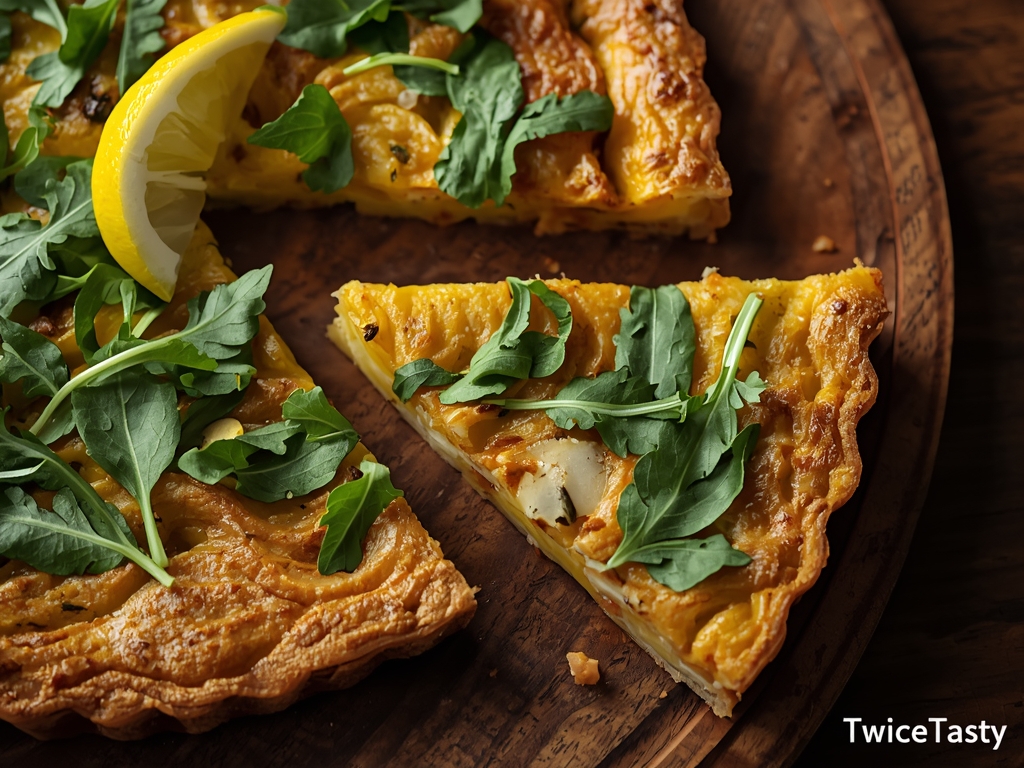
We have savory, we have salty, and we have crispy. We’re missing acid and freshness. Because leftover pasta can sometimes taste a bit “flat” or “starchy,” we need something to wake up the palate.
While the frittata is resting, whip up a quick salad. Arugula is perfect here. Its peppery bite cuts right through the richness of the eggs and cheese. Toss the arugula with nothing but a little lemon juice, olive oil, and a pinch of salt.
Serve a wedge of the warm frittata with a pile of the cold, sharp salad right on top. Or, if you want to go full Italian, drizzle the frittata with some spicy Calabrian chili oil or a spoonful of pesto. The herbaceous pop of the basil or the heat of the chili cuts through the starch, making every bite feel bright and balanced. You didn’t just reheat leftovers; you baked a new dinner.
Frequently Asked Questions
What if my leftover pasta has a lot of sauce on it?
That actually works great! Red sauce adds a ton of flavor. However, you might want to reduce the number of eggs slightly or add a tablespoon of milk or cream to the mix. The sauce adds moisture, and you don’t want the frittata to be “wet.” If it looks too soupy, just add a handful of breadcrumbs or grated cheese to bind it up.
Can I use long noodles like spaghetti or linguine? Yes, but they can be a bit unwieldy. Before mixing them with the eggs, take kitchen shears and snip the noodles a few times while they are in the bowl. Shorter noodles are easier to eat in a frittata slice and distribute more evenly through the egg mixture.
Can I make this in a square baking dish instead of a skillet? You can, but you will miss out on the crispy bottom crust. A baking dish steams the food from the bottom up. A skillet fries it. If you must use a baking dish, I recommend lining the bottom with parchment paper and maybe brushing the paper with oil and pre-baking it for 5 minutes before adding the mix to simulate that fried crust.

Amara writes for the Tasty Remakes category, turning everyday leftovers into creative new dishes. Her recipes focus on practical transformations that save time and reduce food waste — proving that yesterday’s dinner can become today’s best meal.

← Previous
Leftover Pot Roast Flatbread with Caramelized Onions
Next →
Leftover Mashed Sweet Potatoes: The Secret to Fluffy Morning Pancakes