Follow Me On Social Media!

The Secret Weapon in Every Pro Kitchen: Tongs

Walk into any professional kitchen in the United States, and you’ll notice something peculiar: spoons are rarely used for flipping. Instead, chefs swear by tongs. This isn’t just a trend—it’s a technique honed over decades. But why? What makes tongs the go-to tool for flipping everything from pancakes to burgers?
The answer lies in precision, control, and efficiency. Tongs allow chefs to handle food with the finesse of a surgeon, ensuring every flip is perfect. Whether you’re grilling in your backyard or sautéing in your kitchen, mastering the tongs technique can elevate your cooking game.
Why Spoons Just Don’t Cut It
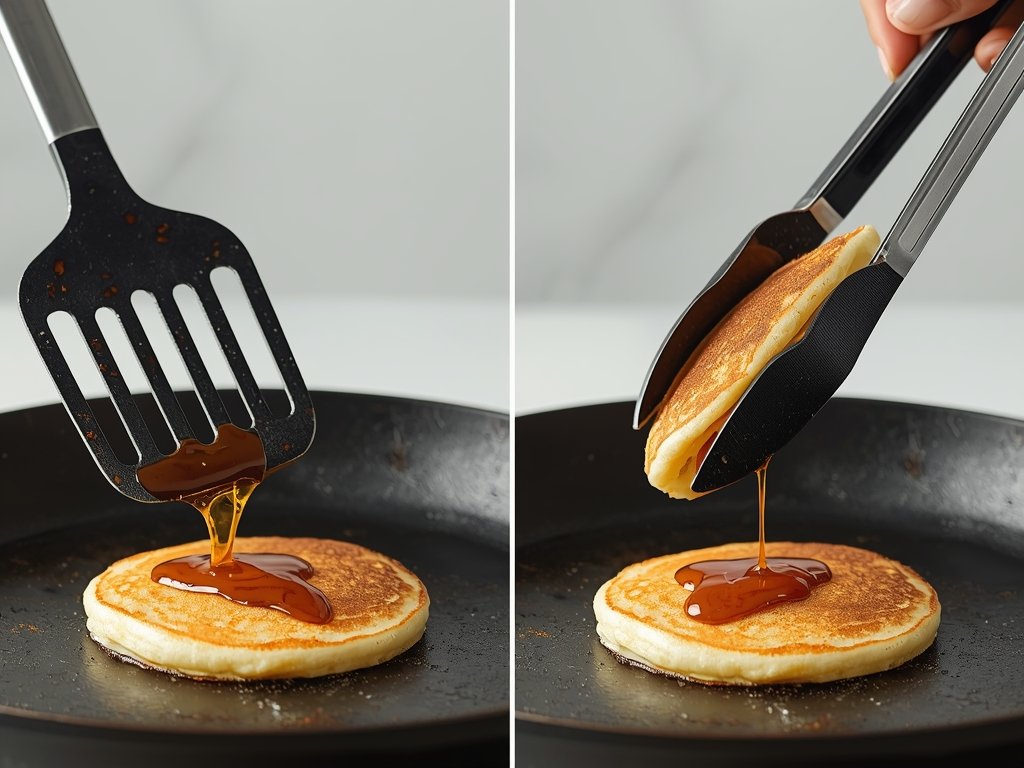
Spoons are great for stirring, scooping, and tasting, but when it comes to flipping, they fall short. Their flat surface lacks the grip needed to handle delicate or heavy items. Imagine trying to flip a juicy burger with a spoon—it’s a recipe for disaster.
Spoons also lack the precision required for even cooking. They can’t handle uneven surfaces or odd shapes as effectively as tongs. Plus, they’re more likely to damage the food, leaving unsightly marks or breaking it apart.
The Spoon Struggle: A Common Kitchen Frustration
Ever tried to flip a fish fillet with a spoon? It’s a delicate task that often ends in a mess. Spoons can’t grip the fish securely, leading to tears or uneven cooking. This frustration is why many home cooks give up on certain dishes altogether.
Even in simpler tasks, like flipping pancakes, spoons can be cumbersome. They don’t provide the same control as tongs, often resulting in uneven flips or, worse, pancakes stuck to the pan.
The Science Behind Tongs: Precision and Control

Tongs are designed for one purpose: to grip and manipulate food with precision. Their hinged design allows for a firm hold, making them ideal for flipping items of any size or shape. Whether you’re handling a small shrimp or a large steak, tongs provide the control you need.
The spring-loaded mechanism ensures a consistent grip, reducing the risk of dropping food. This is especially important in a fast-paced kitchen where every second counts. With tongs, you can flip, turn, and move food quickly and efficiently.
The Art of the Flip: How Tongs Enhance Cooking
Flipping isn’t just about moving food from one side to the other—it’s about ensuring even cooking. Tongs allow you to handle food gently, preserving its texture and shape. This is crucial for dishes like fish or eggs, where a heavy hand can ruin the final product.
Tongs also give you the ability to adjust the food’s position mid-flip. This level of control ensures that every part of the dish cooks evenly, resulting in a perfectly finished meal.
Tongs in Action: Real-World Applications

Professional chefs use tongs for a wide range of tasks, from grilling to sautéing. They’re particularly useful for handling hot items, like grilled vegetables or seared meats. The long handles keep your hands safe from heat, while the grip ensures nothing slips.
Tongs are also versatile. They can be used for tasks beyond flipping, such as tossing salads, serving pasta, or even arranging garnishes. This multitasking ability makes them an indispensable tool in any kitchen.
Mastering the Tongs Technique at Home
You don’t need to be a pro to benefit from using tongs. Start by practicing with simpler dishes, like flipping pancakes or burgers. Once you get the hang of it, move on to more delicate items like fish or eggs.
Invest in a good pair of tongs—preferably stainless steel with silicone tips. This combination offers durability and heat resistance, ensuring your tongs last for years. With practice, you’ll soon see why chefs prefer tongs over spoons.
Common Mistakes to Avoid When Using Tongs

While tongs are incredibly useful, they’re not foolproof. One common mistake is gripping food too tightly, which can damage delicate items like fish or pastries. Always use a gentle touch, especially when handling fragile ingredients.
Another mistake is using tongs for tasks they’re not suited for, like stirring thick batters. Tongs are designed for gripping and flipping, not mixing. Stick to their intended use to get the most out of them.
Pro Tips for Tongs Mastery
To avoid scratching non-stick pans, opt for tongs with silicone or nylon tips. These materials are gentle on cookware while still providing a secure grip. Additionally, always clean your tongs thoroughly after use to prevent food particles from sticking.
Practice makes perfect. Spend time honing your tongs technique, and you’ll soon flip like a pro. Remember, it’s all about control and precision.
FAQ
Why do professional chefs prefer tongs over spoons for flipping?
Professional chefs prefer tongs because they offer better grip, precision, and control compared to spoons. Tongs can handle a variety of food shapes and sizes without damaging them, making them ideal for flipping delicate items like fish or eggs.
Can I use tongs on non-stick cookware?
Yes, but choose tongs with silicone or nylon tips to avoid scratching the surface. These materials are gentle on non-stick coatings while still providing a secure grip.
Are tongs only used for flipping?
No, tongs are versatile tools that can be used for tossing salads, serving pasta, arranging garnishes, and more. Their multitasking ability makes them a must-have in any kitchen.
What type of tongs should I buy for home cooking?
For home cooking, invest in a pair of stainless steel tongs with silicone tips. This combination offers durability, heat resistance, and gentleness on cookware, ensuring your tongs last for years.
How do I clean and maintain my tongs?
Clean your tongs thoroughly after each use with warm, soapy water. For stubborn food particles, use a brush to scrub the tips. Dry them completely before storing to prevent rust, especially if they’re made of stainless steel.

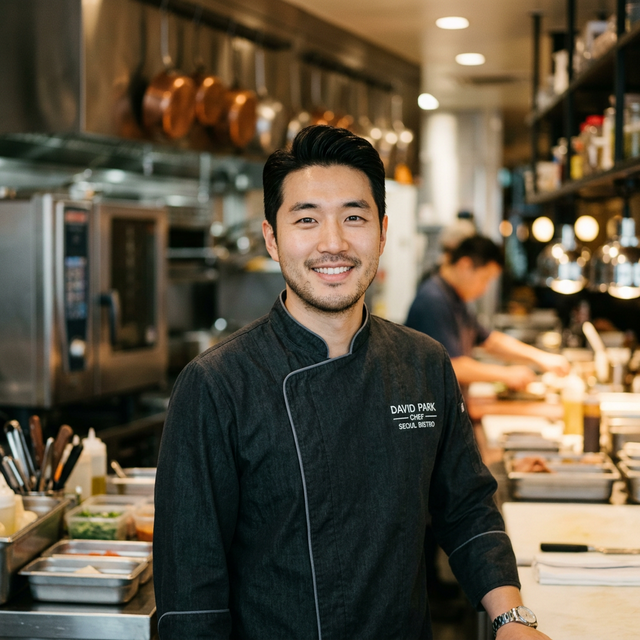
David handles the Kitchen Gear category, reviewing tools, equipment, and accessories that make cooking and food storage easier. His articles focus on practical recommendations for everyday home cooks.
← Previous
Coffee Grinder Hacks: Spice & Sugar Secrets Revealed
Next →
Mason Jars: 10 Creative Uses Beyond Jam & Preserves