Follow Me On Social Media!

The Tomato Counter Rule: A Tale of Flavor and Texture
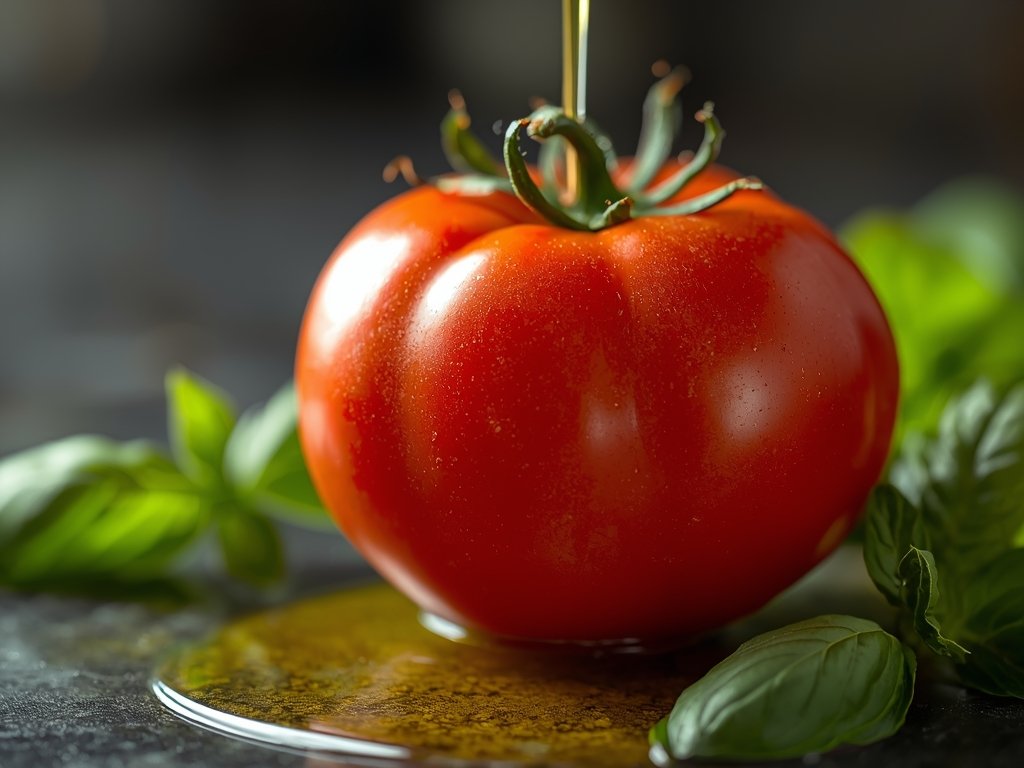
In the heart of every American kitchen, a silent battle rages. It’s not about the latest cooking gadget or the trendiest recipe. It’s about where to store that precious pint of tomatoes you just brought home from the farmer’s market. The fridge, with its cool embrace, seems like the obvious choice. But wait! The Tomato Counter Rule says otherwise. This age-old wisdom, passed down through generations, insists that tomatoes belong on the counter, not in the chill of the refrigerator. Why? Because the fridge, despite its convenience, can wreak havoc on the flavor and texture of these summer gems.
The Science Behind the Chill
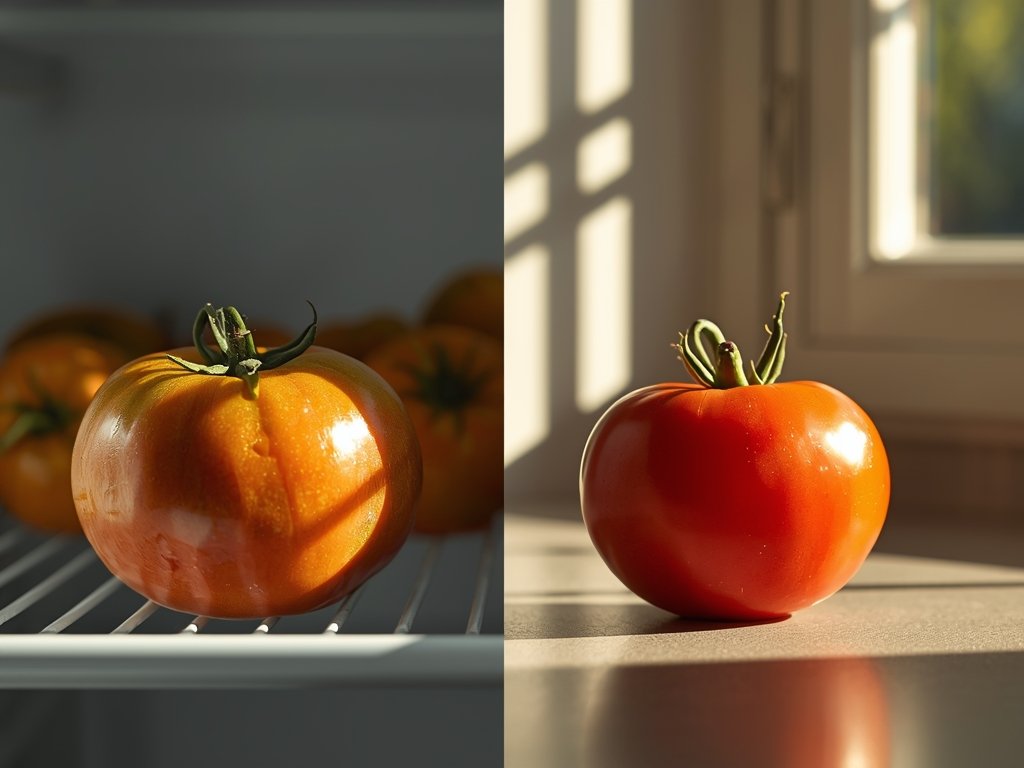
To understand why the fridge is the enemy of tomatoes, we need to dive into the science of these fruits. Yes, tomatoes are technically fruits, though we often treat them like vegetables in our culinary adventures. When tomatoes are chilled, their cell walls undergo a process called “chilling injury.” This isn’t just a fancy term—it’s a real phenomenon that affects the texture and flavor of the fruit.
At temperatures below 55°F (13°C), the enzymes responsible for breaking down the cell walls become less active. This leads to a mealy texture, as if the tomato has lost its soul. The cold also stifles the production of volatile compounds that give tomatoes their distinctive aroma and taste. Imagine biting into a tomato that tastes like a shadow of its former self—that’s what happens when you refrigerate them.
The Flavor Factor: Why Room Temperature Wins
Flavor is the star of the show when it comes to tomatoes. Whether you’re slicing them for a BLT, tossing them into a salad, or simply enjoying them with a sprinkle of salt, the taste is what makes tomatoes unforgettable. But when you refrigerate them, you’re essentially muting their flavor profile.
Room temperature allows tomatoes to retain their natural sweetness and acidity. The sugars and acids in the fruit are more pronounced when they’re not chilled. This is why a tomato left on the counter tastes brighter and more vibrant than one pulled from the fridge. It’s like comparing a symphony to a whisper—the difference is undeniable.
The Role of Ethylene Gas
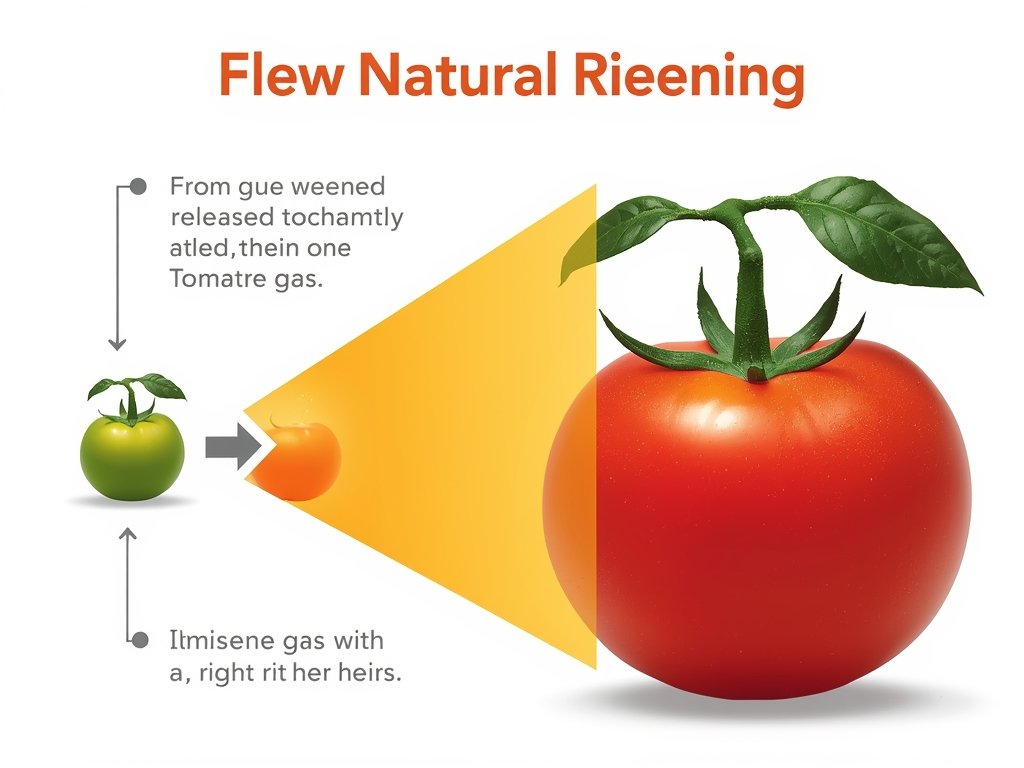
Tomatoes are not just sitting pretty on your counter; they’re actively ripening. This process is driven by ethylene gas, a natural plant hormone. Ethylene helps tomatoes develop their full flavor and color. When tomatoes are refrigerated, the cold slows down the production of ethylene, halting the ripening process in its tracks.
This is why a refrigerated tomato often feels underripe, even if it was perfectly ripe when you bought it. By keeping tomatoes at room temperature, you’re allowing them to continue ripening, ensuring that every bite is as flavorful as possible.
Texture Matters: The Mealy vs. Juicy Debate
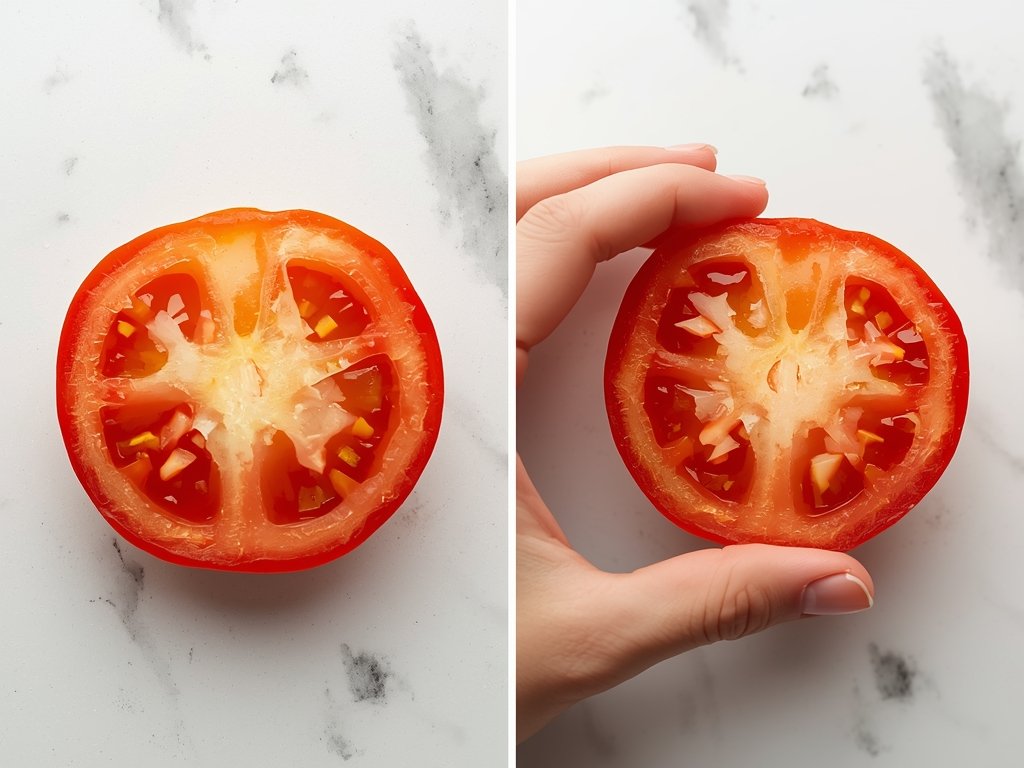
Texture is just as important as flavor when it comes to tomatoes. A juicy, firm tomato can elevate any dish, while a mealy one can ruin the experience. The chilling injury we mentioned earlier is the culprit behind the dreaded mealy texture. When tomatoes are cold, their cell walls break down, causing them to lose their structure and become mushy.
Room temperature tomatoes, on the other hand, maintain their integrity. They stay firm yet yielding, with a texture that bursts with juiciness. This is especially important in dishes where tomatoes are the star, like caprese salad or a fresh salsa. The contrast between the creamy mozzarella and the juicy tomato in a caprese is lost when the tomato is mealy.
The Exception to the Rule: Overripe Tomatoes
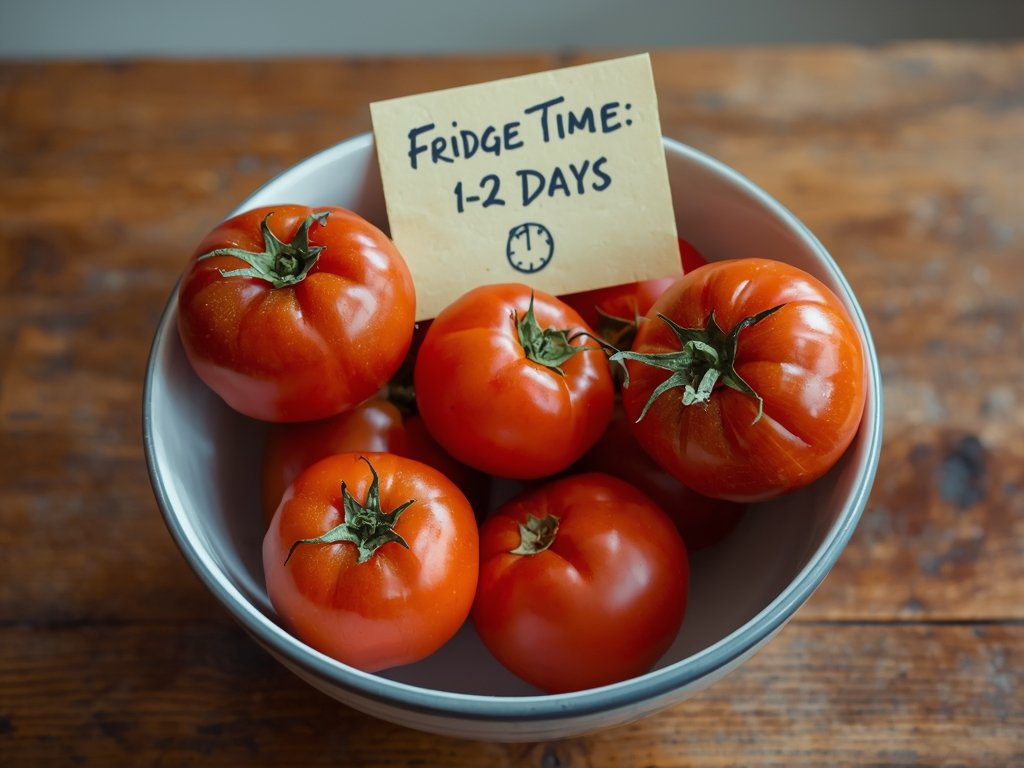
While the Tomato Counter Rule holds true for most tomatoes, there’s an exception. If your tomatoes are already overripe and you’re not planning to use them immediately, a short stint in the fridge can buy you some time. Overripe tomatoes are more susceptible to spoilage, and the cold can slow down the process.
However, this should be a last resort. Even a day or two in the fridge can affect their flavor and texture. If you find yourself with overripe tomatoes, consider using them in cooked dishes like sauces or soups, where the loss of texture is less noticeable.
Practical Tips for Tomato Storage
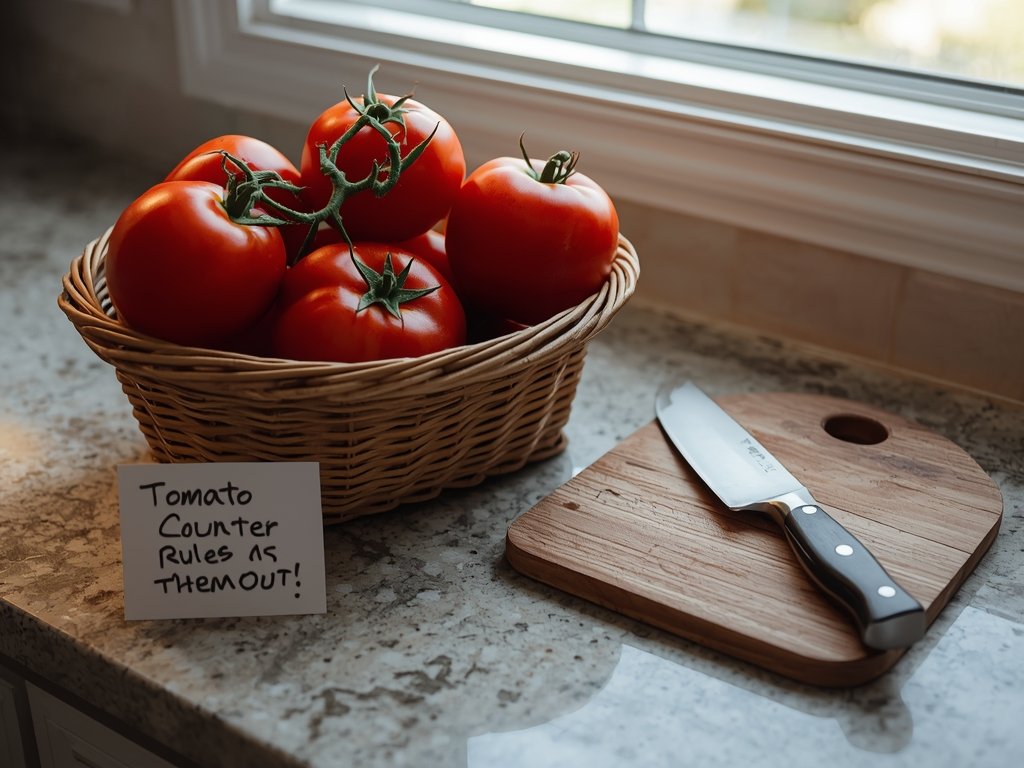
Now that you’re convinced to keep your tomatoes on the counter, here are some practical tips to ensure they stay fresh and flavorful:
- Choose the Right Spot: Place your tomatoes in a well-ventilated area away from direct sunlight. A kitchen counter or a windowsill with indirect light is ideal.
- Stem Side Up: Store tomatoes with the stem side up to prevent moisture from accumulating around the stem, which can lead to rot.
- Check Regularly: Inspect your tomatoes daily for any signs of spoilage. Remove any that show signs of mold or overripeness to prevent them from affecting the others.
- Use Within a Week: For the best flavor and texture, aim to use your tomatoes within a week of purchase. If you have more than you can use, consider preserving them by making sauce or salsa.
FAQ
Can I store tomatoes in the fridge if I need to keep them longer than a week?
While it’s best to avoid refrigerating tomatoes, if you absolutely need to extend their life beyond a week, place them in the fridge for no more than 2-3 days. Bring them back to room temperature before using for the best flavor and texture.
Does the Tomato Counter Rule apply to all types of tomatoes?
Yes, the rule applies to all varieties of tomatoes, from cherry to heirloom. However, smaller tomatoes like cherry or grape may spoil faster, so monitor them closely.
What if my kitchen is very warm? Can I still keep tomatoes on the counter?
If your kitchen is consistently above 85°F (29°C), it might be too warm for tomatoes. In this case, find a cooler spot in your home, like a basement or a pantry, to store them.
How can I tell if a tomato is overripe?
Overripe tomatoes will feel soft to the touch, have deep red color, and may show signs of wrinkling or mold. If you notice these signs, use them immediately or refrigerate them temporarily.
Can I revive a refrigerated tomato?
Once a tomato has been chilled, its texture and flavor are compromised. However, bringing it to room temperature can help restore some of its qualities. Use it in cooked dishes for the best results.

Lina leads the Fresh Hacks category, covering food storage tips, freshness preservation, and smart ways to extend the life of your groceries. Her guides help readers keep ingredients at peak quality for longer.

← Previous
Revive Wilted Lettuce with Ice Water Shock Therapy
Next →
Freeze Fresh Ginger: Grate Directly from Freezer