Follow Me On Social Media!

There is a specific kind of disappointment reserved for the morning after a great ramen night. You shuffle into the kitchen, bleary-eyed and anticipating that rich, salty comfort, only to open the fridge and face a cruel reality. Your beautiful, springy noodles have spent the night drinking up every drop of that precious tonkotsu or miso broth. What was once a harmonious bowl of distinct elements is now a monolithic starchy sludge. The noodles are bloated, the broth is gone, and the chashu pork looks sad and shriveled.
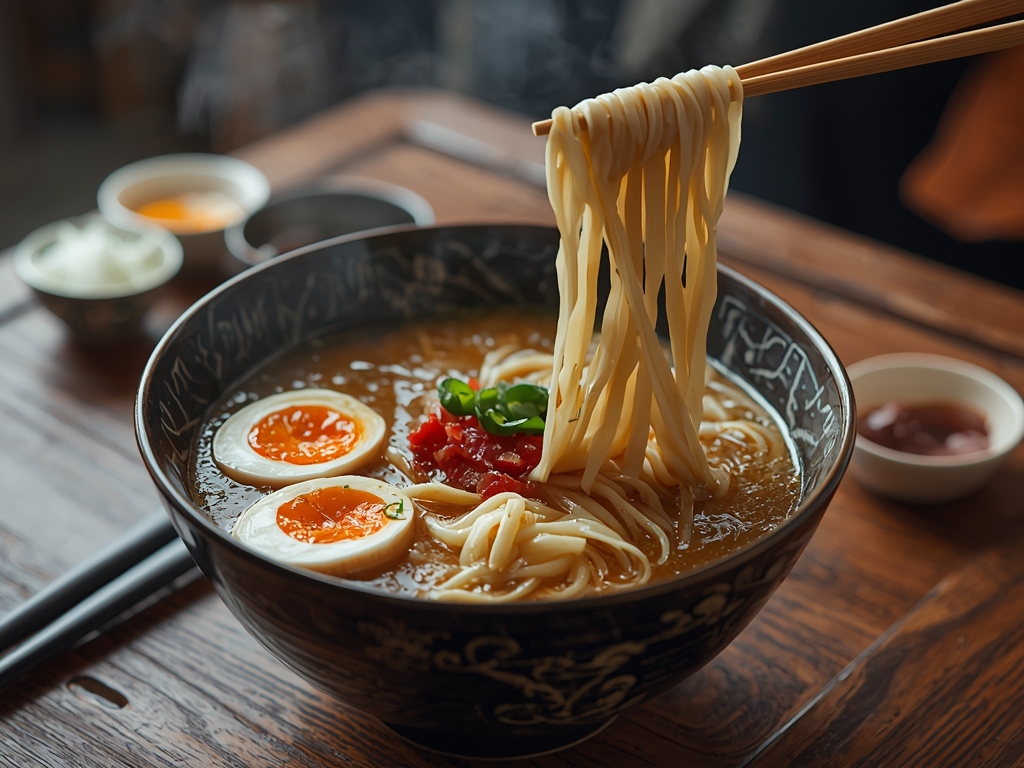
Most people just shrug, dump the whole container into the microwave, and nuke it until it explodes. The result? A bowl of scalding hot, unevenly cooked mush that smells like wet cardboard and broken dreams. The noodles are gummy, the broth is boiling over the sides of the bowl, and any subtlety the dish once had is obliterated by the violent aggression of the microwave. It feels wasteful to toss it, but eating it feels like a punishment. It doesn’t have to be this way. You can actually bring that bowl back to life, and maybe even improve the depth of flavor, if you understand how to treat the ingredients with the respect they didn’t get in the fridge.
Why Noodles Turn into Sponges Overnight
To fix the problem, we have to understand why the refrigerator betrayed us. Ramen noodles, especially the fresh, curly kind you get at a good shop, are made of wheat flour, water, and kansui (that alkaline mineral water that gives them their signature bounce and yellow color). They are thirsty little things.
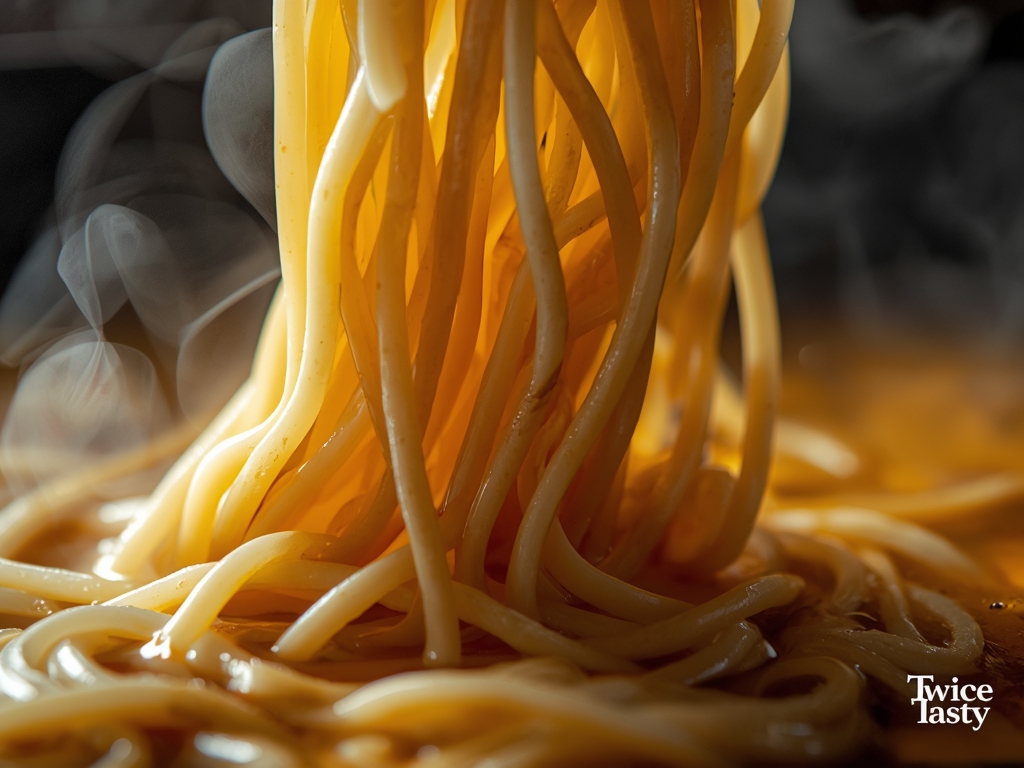
When you leave them sitting in the broth, osmosis goes into overdrive. The liquid inside the noodle is less concentrated than the salty, flavorful broth outside, so the broth forces its way into the noodle’s starch cells. The fridge slows this down, but it doesn’t stop it. By the next morning, those noodles are basically water balloons made of starch. They’ve swollen, the structure has weakened, and they’ve stolen the liquid volume that made the dish a soup in the first place.
The danger of reheating is that heat accelerates this absorption. If you just blast it with high heat, the starch gelatinizes even further. The noodles don’t just get soft; they get sticky and slimy as the surface starch breaks down and leaches into what little broth is left. It turns the soup into a thick, gloopy gravy. We need to reverse that process—or at least stop it in its tracks—without turning the whole thing into a volcanic eruption.
The Art of the Gentle Reunion
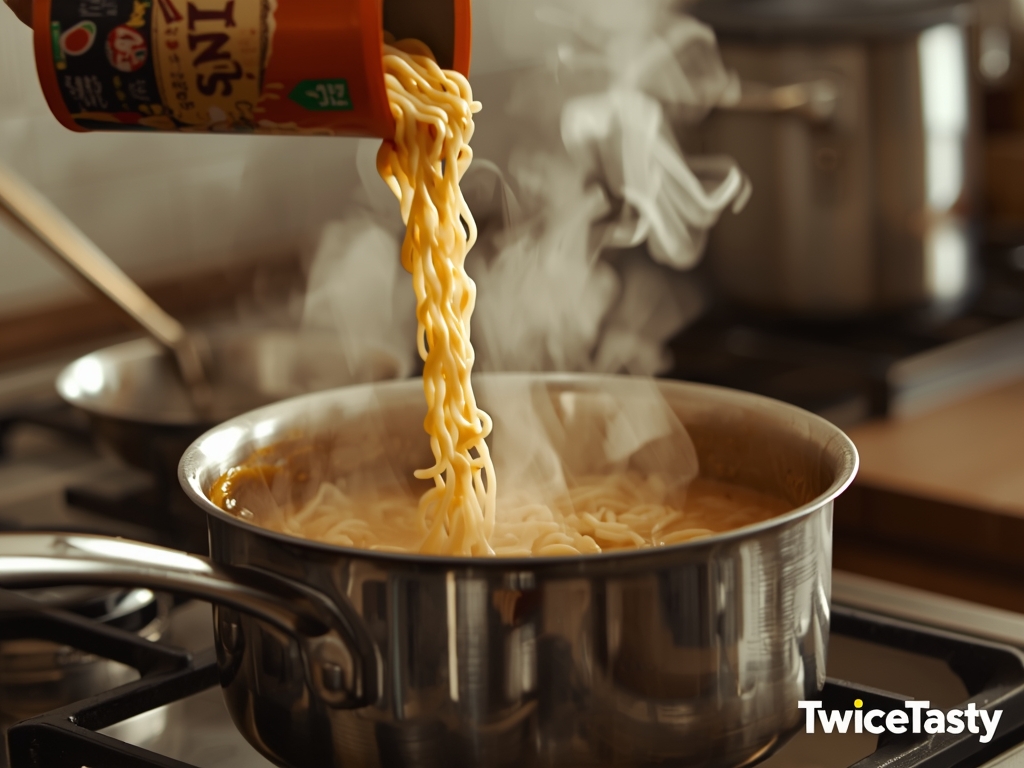
The microwave is the enemy here because it heats from the inside out and traps moisture. We need a method that allows us to control the temperature and separate the elements, even if just for a few minutes. The stovetop is your only real friend for this operation.
Start by grabbing a saucepan, something wider than it is deep. You want maximum surface area for the broth to heat up gently. If you have the storage space and the foresight, keeping the noodles and broth separate is the pro move, but let’s assume you’re like the rest of us and dumped the whole bowl into a container last night.
Pour the contents of the container into the saucepan. You’ll likely notice there isn’t much liquid left. This is where the magic happens. Add a splash of fresh water or, if you have it, some fresh chicken or dashi stock. We aren’t trying to dilute the flavor; we are trying to loosen the starchy grip. The fresh liquid changes the osmotic pressure, encouraging the noodles to release some of that absorbed broth back into the sauce. It thins out that gluey texture and restores the soup’s consistency.
Turn the heat to medium-low. You want a gentle simmer, not a rolling boil. A boil is too violent for noodles that are already on the verge of falling apart. Stir it gently with a chopstick or a wooden spoon. As the liquid warms up, you’ll see the broth start to move again, swirling around the swollen noodles. Keep your eye on it. You aren’t trying to cook it; you are just trying to bring it up to eating temperature. The moment you see the first bubble break the surface, kill the heat.
The “Hot Splash” Technique
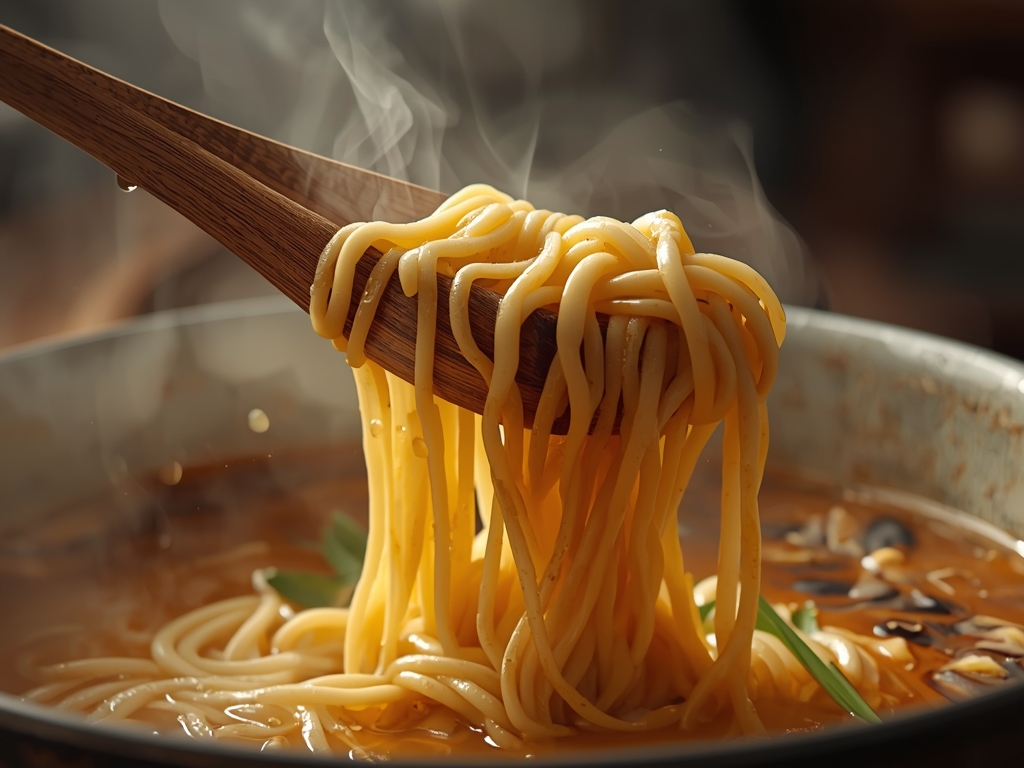
There is a specific moment in the reheating process where you can save the texture, and it happens right before you eat. It’s a technique I call the “hot splash.” Once you’ve got the ramen warmed through in the saucepan, turn the heat off. Let it sit for just a minute. Then, taste the broth. It might taste a little weak because we added that splash of water to save the noodles. This is your cue.
Have a kettle of boiling water ready, or better yet, a small cup of hot dashi or even the hot liquid from a separate packet of instant noodles (I won’t tell). Pour a small amount of this intensely hot liquid into your serving bowl. Swirl it around to warm the ceramic—a cold bowl kills ramen instantly—then pour it back into the pot.
Now, taste again. Adjust the seasoning. It probably needs a hit of soy sauce, a pinch of salt, or a squeeze of chili paste to wake it back up. The flavor of soup dulls in the fridge; the fats solidify and the aromatics go to sleep. You need to re-acidify and re-salt it slightly to match your palate.
Pour the reheated ramen into the now-warm bowl. Because we heated it gently and added a bit of fresh liquid, the broth should flow smoothly, coating the noodles rather than gluing them together. The noodles, having not been boiled to death, will retain a little bit of their chew, even if they aren’t quite as bouncy as the night before. It’s a compromise, but it’s a delicious one.
Waking Up the Toppings: The Flavor Upgrade
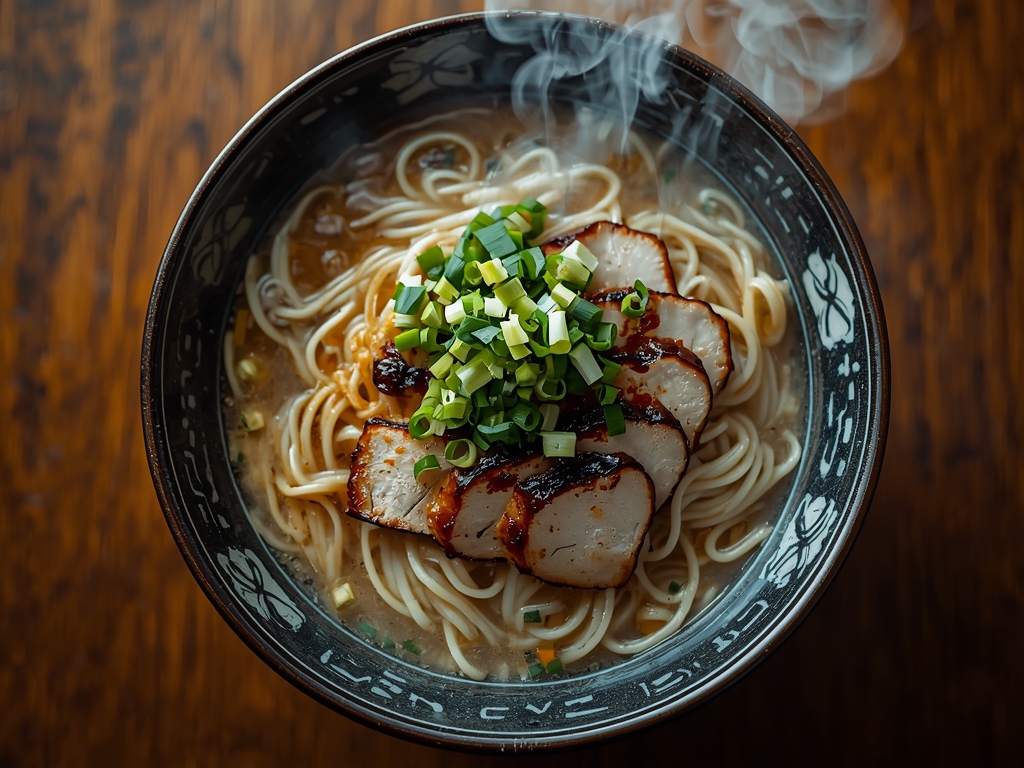
Reheated ramen often suffers from “one-note syndrome.” The toppings—egg, pork, bamboo—usually taste reheated and rubbery, and they bring the dish down. Here is how we turn that around. While the soup is warming up, take your cold chashu pork or soft-boiled egg out of the mix. Do not boil the egg again; it will turn into a rubber ball. Do not boil the pork; it will dry out.
Slice the pork thinly. Place it in a small pan over medium-high heat with just a tiny drop of sesame oil. Sear it for just thirty seconds on each side. You aren’t cooking it through; you are rendering the fat and crisping the edges. This brings back the savory, meaty aroma that the fridge stole. The contrast between the hot, crispy edges of the pork and the warm broth is incredible.
For the egg, if it’s a marinated ajitama, just let it come to room temperature on the counter while the soup heats. Cold egg in hot soup creates a weird temperature clash. A room-temperature egg cuts the richness of the broth perfectly.
Now, for the final garnish. This is non-negotiable. Fresh aromatics are the lifeblood of a second-day ramen bowl. Slice some fresh scallions—green and white parts. If you have them, tear up some fresh nori sheets. The nori gets soggy in the fridge, so fresh sheets add that crucial oceanic crispness back. A sprinkle of togarashi (Japanese seven-spice) or a dash of chili oil revitalizes the palate, adding heat that cuts through the heavy starch of the rehydrated noodles.
Frequently Asked Questions
Can I just microwave the ramen if I’m in a huge rush?
You can, but you have to be clever about it. Don’t just blast it on high for two minutes. Instead, heat it in 30-second intervals. After every 30 seconds, take it out and stir the bowl vigorously. This distributes the heat so the noodles don’t get a “hot spot” and turn to mush while the center stays cold. It also helps re-incorporate the separated broth and fats.
Is it better to store the noodles and broth separately? Always, if you have the energy. If you can drain the noodles before putting them in the fridge and store them in a ziplock bag with a drop of oil to keep them from sticking, and store the broth separately, you will have a much easier time reheating. You can boil the broth fresh and dip the noodles in just long enough to warm them, preserving their texture almost perfectly.
Why does my leftover ramen broth look cloudy or thick? That’s the starch from the noodles. As the noodles sit, they release starch into the liquid, thickening it. That’s why adding a splash of fresh water or broth when reheating is so important—it dilutes that starch concentration and brings the soup back to a silky, drinkable consistency rather than a gravy.
Can I freeze leftover ramen? I wouldn’t recommend it, especially if the noodles are already in the broth. Freezing changes the structure of the noodles completely, turning them into mush upon thawing. If you want to freeze ramen, freeze the broth and the meat separately in airtight containers. Just cook fresh noodles when you’re ready to eat it; it takes three minutes and is infinitely better than frozen, thawed noodles.

Marco covers the Reheat Pro category on TwiceTasty, focusing on reheating techniques and texture preservation. His articles help home cooks bring leftovers back to life with the right methods for every type of food — from crispy fried chicken to creamy pastas.

← Previous
Revive Leftover Fried Rice with This Genius Microwave Trick
Next →
Reheat Pulled Pork Like a Pro: Apple Juice Secret