
Follow Me On Social Media!

Save Pasta Water: The Secret to Perfect Sauces and More
The Secret Sauce: Why Pasta Water is a Chef’s Best Friend
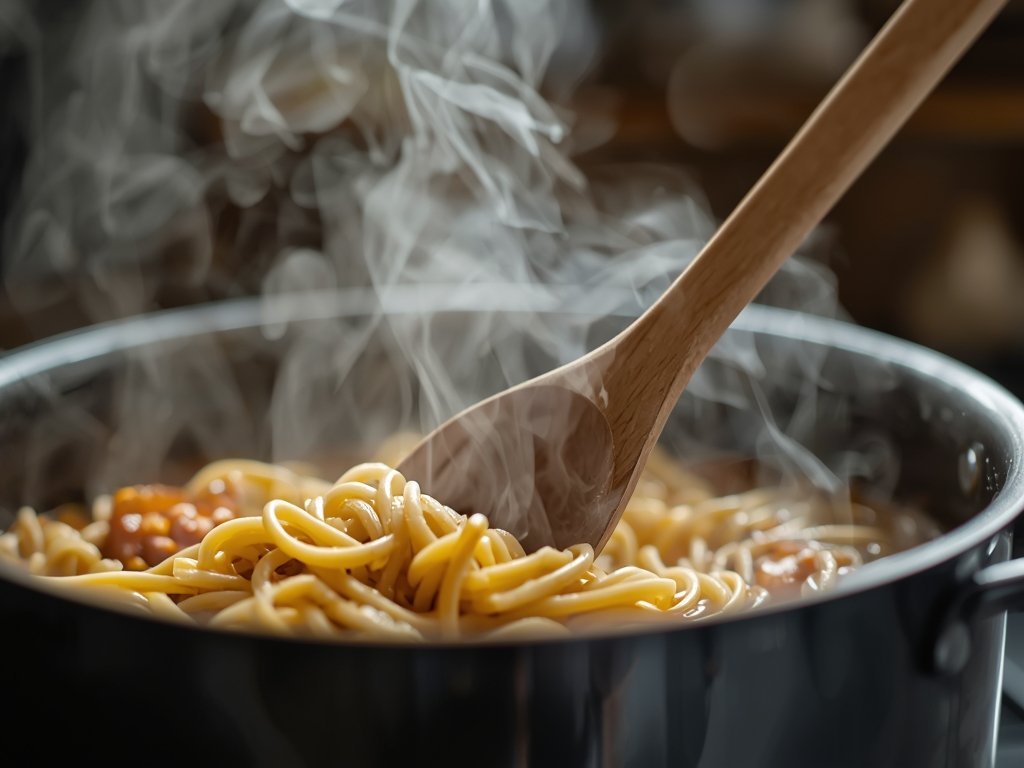
If you’re a pasta lover, you’ve likely heard the age-old advice: “Save your pasta water!” But what’s the big deal? Why is this starchy liquid so crucial to your culinary creations? As it turns out, pasta water is the secret ingredient that can elevate your dishes from good to extraordinary.
In the United States, where pasta is a staple in many households, understanding the importance of pasta water is essential. From creamy carbonaras to hearty Bologneses, this simple yet powerful ingredient can make all the difference in achieving the perfect texture and flavor.
A Starchy Symphony: The Science Behind Pasta Water
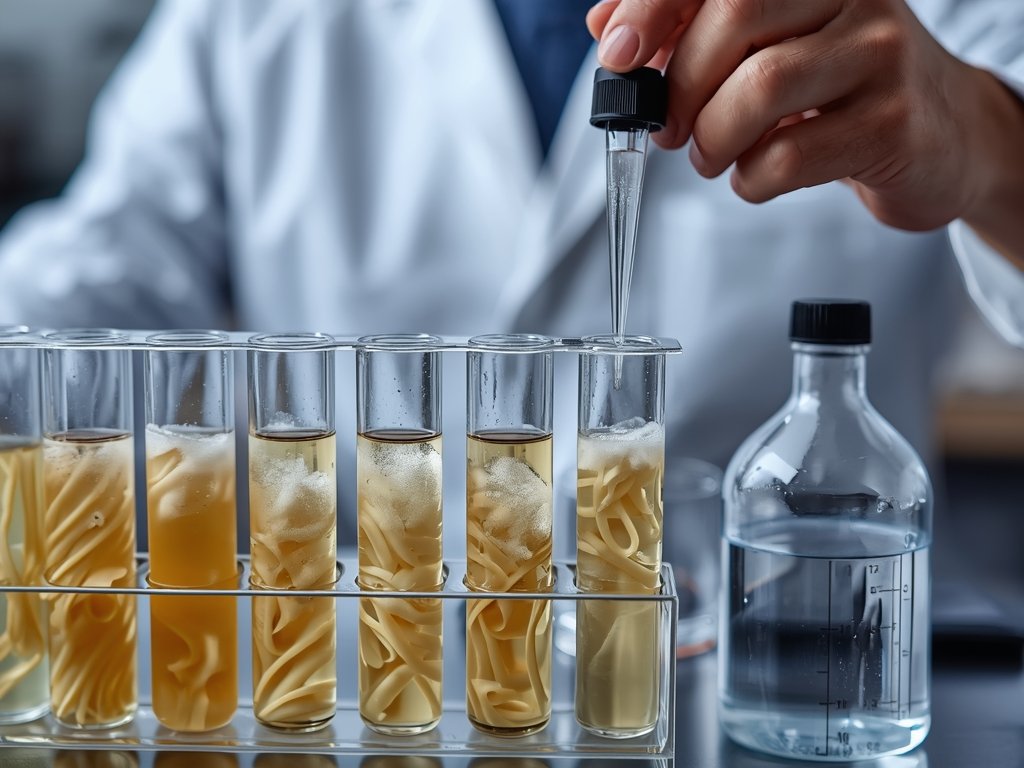
To understand why pasta water is so valuable, let’s dive into the science behind it. When you cook pasta, the starch molecules on the surface of the noodles begin to break down and release into the water. This creates a cloudy, starchy liquid that’s packed with flavor and texture-enhancing properties.
The starch in pasta water acts as a natural thickener and binder, helping to create a smooth, velvety sauce that clings to your pasta. It also helps to emulsify fats and oils, resulting in a richer, more luscious texture. In the context of American cuisine, where comfort foods reign supreme, this starchy symphony is the key to achieving that perfect, indulgent bite.
The Role of Starch in Sauce-Making
When you add pasta water to your sauce, the starch molecules interact with the other ingredients, creating a harmonious blend of flavors and textures. This is especially important in dishes like Alfredo or carbonara, where a creamy, cohesive sauce is essential.
Imagine a classic spaghetti carbonara, a dish beloved by many Americans. The combination of eggs, cheese, and pancetta creates a rich, flavorful sauce. But it’s the addition of pasta water that brings everything together, resulting in a silky, luxurious texture that’s simply irresistible.
From Waste to Wonder: Creative Uses for Leftover Pasta Water
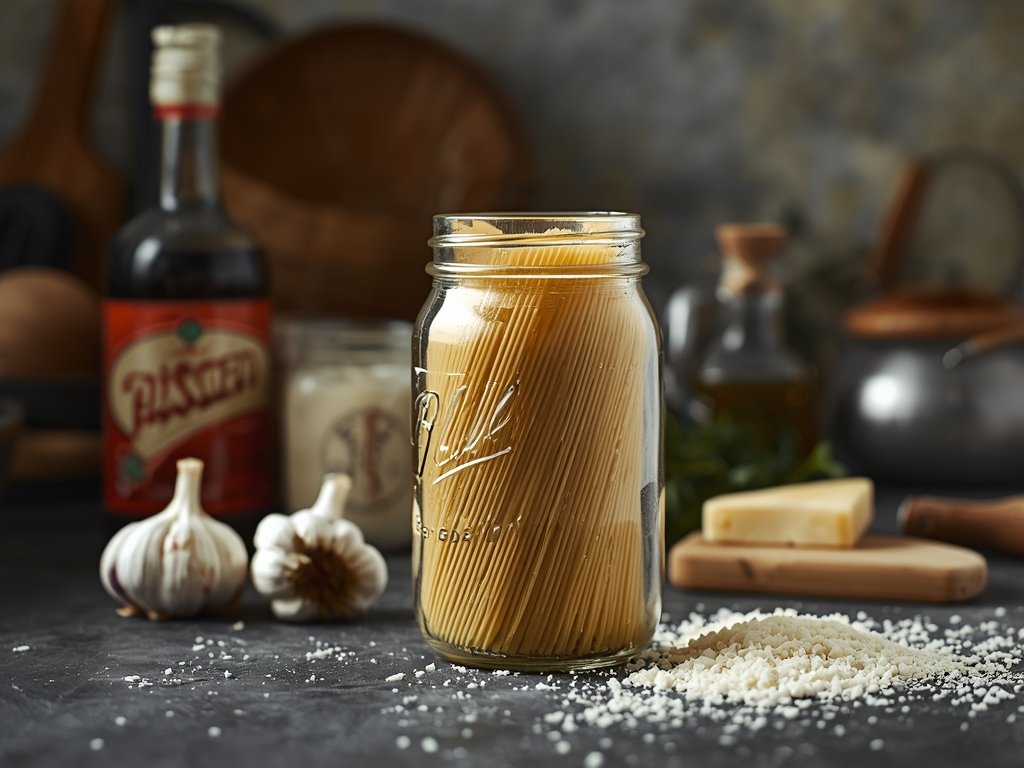
Now that you understand the importance of pasta water, what do you do with the leftovers? Instead of pouring it down the drain, consider the countless ways you can repurpose this valuable ingredient. From soups and stews to bread and pizza dough, pasta water can add a unique depth of flavor and texture to your favorite recipes.
In the United States, where food waste is a growing concern, finding creative ways to use every last drop of pasta water is not only environmentally friendly but also economically savvy. Plus, it’s an excellent way to add a touch of Italian-American flair to your cooking.
Soups, Stews, and Beyond
One of the simplest ways to use leftover pasta water is to incorporate it into soups and stews. The starchy liquid adds body and richness to your broth, creating a more satisfying and flavorful dish. Try adding it to a classic minestrone or a hearty chicken noodle soup for a truly comforting meal.
For a more adventurous twist, use pasta water as the base for a creamy vegetable soup or a spicy chili. The possibilities are endless, and your taste buds will thank you.
Baking with Pasta Water
Believe it or not, pasta water can also be used in baking. The starch in the water helps to create a crispy, golden crust on bread and pizza dough. Simply replace a portion of the water in your recipe with pasta water, and prepare to be amazed by the results.
Imagine a freshly baked loaf of Italian bread, with a crust that’s perfectly crispy on the outside and soft on the inside. Or a pizza with a chewy, flavorful crust that’s sure to rival your favorite local pizzeria. With pasta water, the possibilities are endless.
Storing Pasta Water: Tips and Tricks
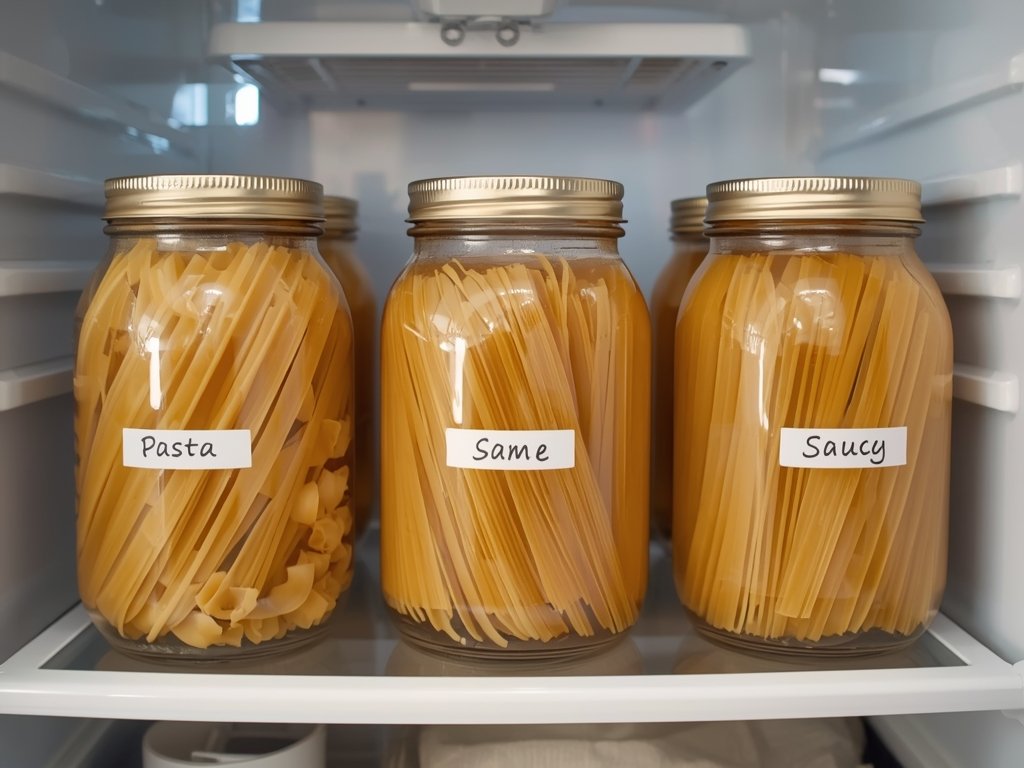
Now that you’re convinced of the benefits of saving pasta water, it’s essential to know how to store it properly. Improper storage can lead to bacterial growth and spoilage, so follow these tips to ensure your pasta water stays fresh and flavorful.
- Cool it down: Before storing, allow the pasta water to cool to room temperature. This prevents condensation from forming inside the container, which can lead to bacterial growth.
- Use airtight containers: Store your pasta water in airtight containers, such as glass jars or plastic containers with tight-fitting lids. This helps to prevent contamination and extends the shelf life of your pasta water.
- Label and date: Always label your containers with the date and contents. This helps you keep track of how long the pasta water has been stored and ensures you use it within a safe timeframe.
How Long Does Pasta Water Last?
When stored properly, pasta water can last up to 5 days in the refrigerator. However, it’s best to use it within 2-3 days for optimal freshness and flavor. If you’re not planning to use it within this timeframe, consider freezing it for later use.
Frozen pasta water can last up to 3 months, making it an excellent option for batch cooking and meal prep. Simply thaw it in the refrigerator overnight before using, and you’re good to go.
Pasta Water in American Cuisine: A Cultural Perspective

In the United States, pasta is more than just a food – it’s a cultural phenomenon. From Italian-American classics like spaghetti and meatballs to modern fusion dishes, pasta has become an integral part of the American culinary landscape. And at the heart of it all is the humble pasta water, a testament to the resourcefulness and creativity of American cooks.
Whether you’re a home cook or a professional chef, understanding the importance of pasta water is essential to creating authentic, flavorful dishes that reflect the diversity and richness of American cuisine.
Regional Variations
Across the United States, different regions have put their unique spin on pasta dishes. In the Northeast, you’ll find hearty, meat-based sauces like Bolognese and Sunday gravy. In the South, creamy, indulgent dishes like macaroni and cheese reign supreme. And on the West Coast, fresh, seasonal ingredients take center stage in dishes like pasta primavera.
Despite these regional variations, one thing remains constant: the importance of pasta water in achieving the perfect texture and flavor. Whether you’re cooking in a bustling city kitchen or a quiet rural home, pasta water is the secret ingredient that ties it all together.
FAQ
Can I use pasta water in place of regular water in recipes?
Yes, you can use pasta water in place of regular water in many recipes, especially those that require a starchy liquid. However, keep in mind that pasta water has a distinct flavor and texture, so use it judiciously to avoid overwhelming your dish.
How much pasta water should I save?
As a general rule, save about 1 cup (240 ml) of pasta water per pound (450 g) of pasta. This should be enough to use in most recipes, but you can always save more if needed.
Can I freeze pasta water in ice cube trays?
Yes, freezing pasta water in ice cube trays is an excellent way to store it in small, convenient portions. Simply thaw the cubes in the refrigerator or at room temperature before using.
Is it safe to drink pasta water?
While pasta water is not toxic, it’s not recommended to drink it due to its high starch content and potential bacterial growth. Stick to using it in recipes for the best results.
Can I use pasta water in gluten-free recipes?
Yes, you can use pasta water in gluten-free recipes, as long as the pasta itself is gluten-free. Keep in mind that the starch content may vary, so adjust your recipe accordingly.