Follow Me On Social Media!

The Coconut Milk Conundrum: How Long Does it Last?
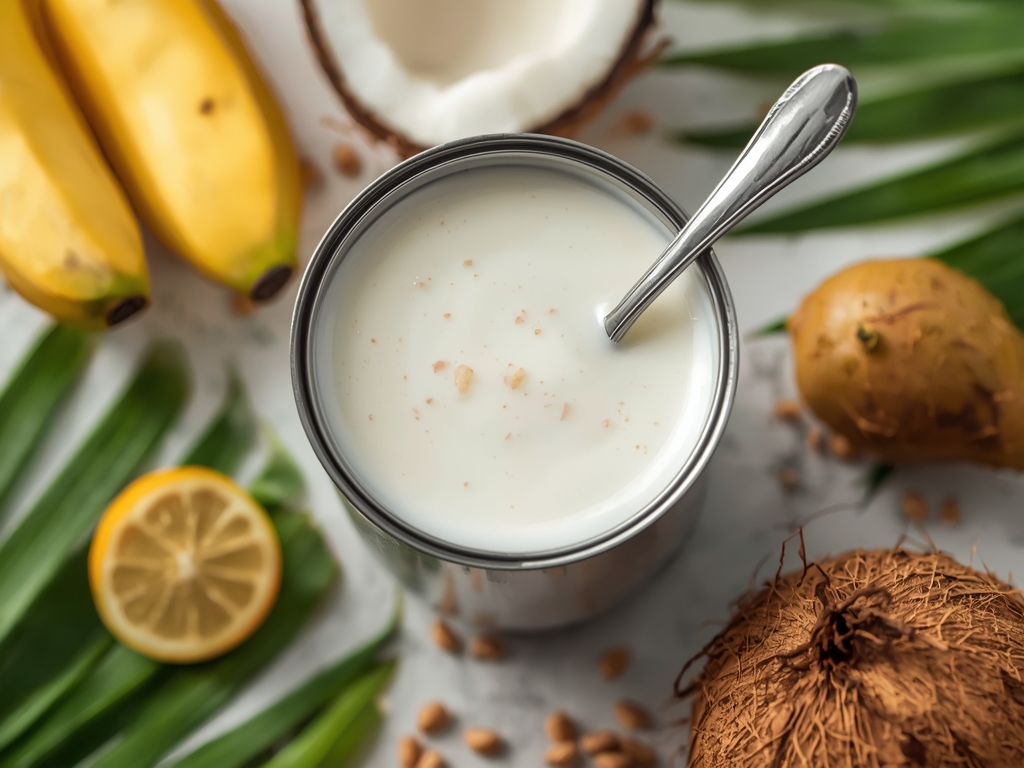
Coconut milk has become a staple in many American kitchens, thanks to its versatility and rich, creamy texture. From curries to smoothies, this tropical ingredient adds a unique flavor and depth to countless dishes. But what happens when you don’t finish the entire can? How long does leftover coconut milk stay fresh, and what’s the best way to store it?
Understanding Coconut Milk: A Tropical Treasure

Before we dive into storage tips, let’s appreciate what makes coconut milk so special. Extracted from the flesh of mature coconuts, this milk is a rich source of healthy fats, vitamins, and minerals. Its unique flavor profile, with hints of sweetness and nuttiness, has made it a favorite among food enthusiasts across the United States.
Whether you’re whipping up a Thai green curry or a vegan piña colada, coconut milk’s creamy consistency and distinct taste elevate any dish. However, its freshness is crucial to maintaining these desirable qualities.
Shelf Life Secrets: How Long Does Coconut Milk Last?
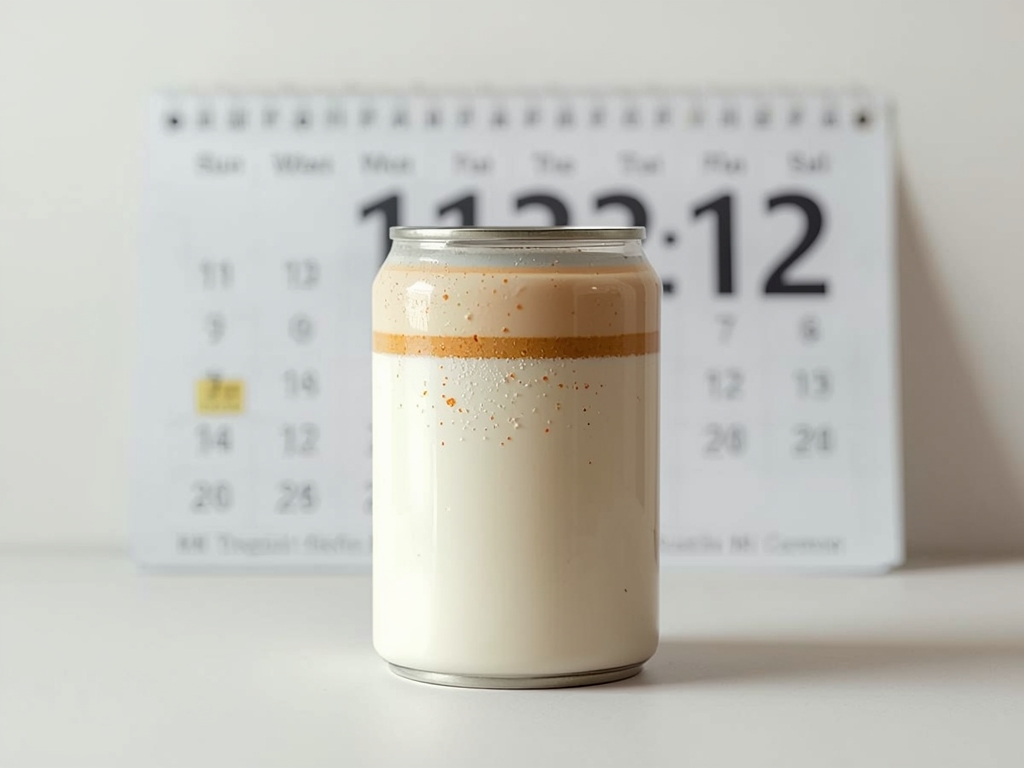
Unopened Coconut Milk: A Long-Lasting Companion
Unopened cans or cartons of coconut milk can last for months, even years, when stored properly. Most brands have a printed expiration date, typically ranging from 6 to 12 months from the production date. This extended shelf life is due to the milk’s natural preservatives and the airtight packaging.
For instance, a popular brand like Thai Kitchen offers coconut milk with a shelf life of up to 12 months, making it a convenient pantry staple for sporadic cooks and avid foodies alike.
Opened Coconut Milk: A Ticking Clock
Once opened, the clock starts ticking. Exposed to air and potential contaminants, coconut milk begins to deteriorate. The general rule of thumb is to consume opened coconut milk within 4-7 days when refrigerated. However, this can vary depending on various factors, such as the brand, storage conditions, and initial quality.
Some brands, like Native Forest, use BPA-free lining in their cans, which may affect the milk’s freshness. Always check the manufacturer’s guidelines for specific storage instructions.
Storage Strategies: Keeping Coconut Milk Fresh
Refrigeration: The Go-To Method
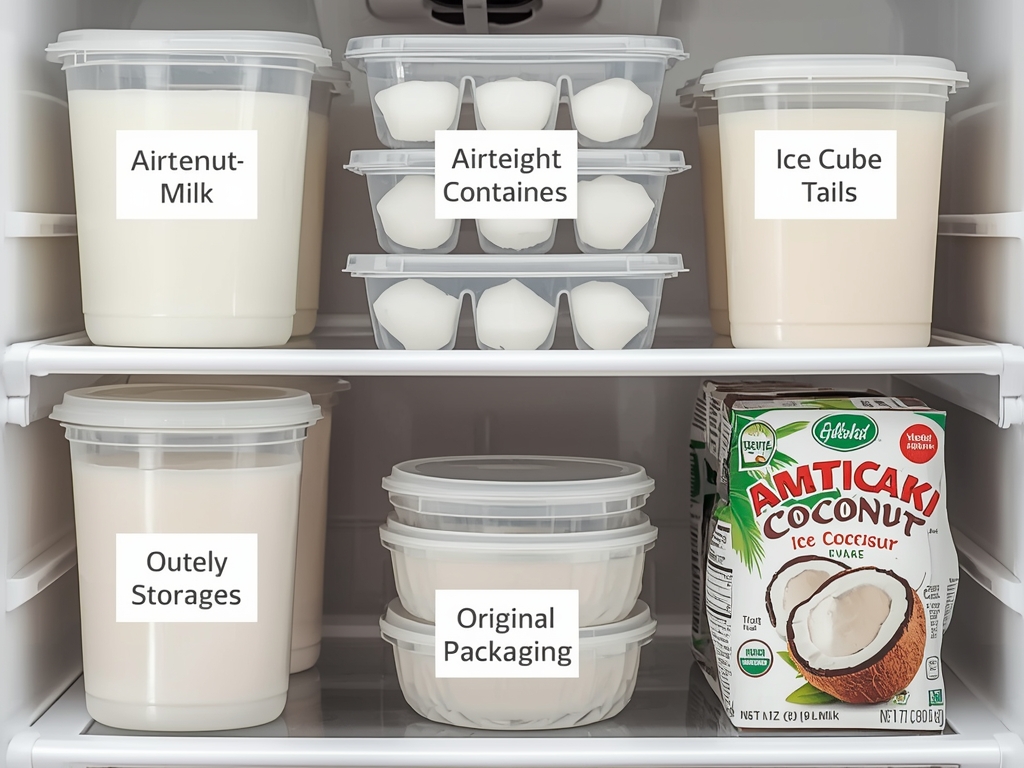
Refrigeration is the most common and effective way to store leftover coconut milk. The cool temperature slows down bacterial growth and preserves the milk’s freshness. Transfer the remaining milk to an airtight container, leaving some space at the top, as coconut milk expands slightly when chilled.
For those who prefer convenience, storing the milk in its original packaging is also an option. Simply cover the opening with plastic wrap or a lid, ensuring a tight seal.
Freezing: A Long-Term Solution
If you won’t be using the coconut milk within a week, freezing is an excellent alternative. Freezing can extend the milk’s life by several months. Pour the milk into ice cube trays or freezer-safe containers, leaving some room for expansion. Once frozen, transfer the cubes to a labeled freezer bag for easy portion control.
Thawed coconut milk may separate, but a quick whisk or blend will restore its creamy consistency. This method is perfect for those who use coconut milk infrequently or in small quantities.
Creative Storage Hacks
For the creatively inclined, there are alternative storage methods to consider. Some home cooks swear by storing coconut milk in glass jars with tight-fitting lids, while others use vacuum-sealed bags to remove air and prevent oxidation.
Another innovative approach is to make coconut milk ‘chips’ by freezing the milk in thin layers on a baking sheet, then breaking it into pieces and storing them in a freezer bag. This allows for easy measurement and quick thawing.
Signs of Spoilage: When to Say Goodbye
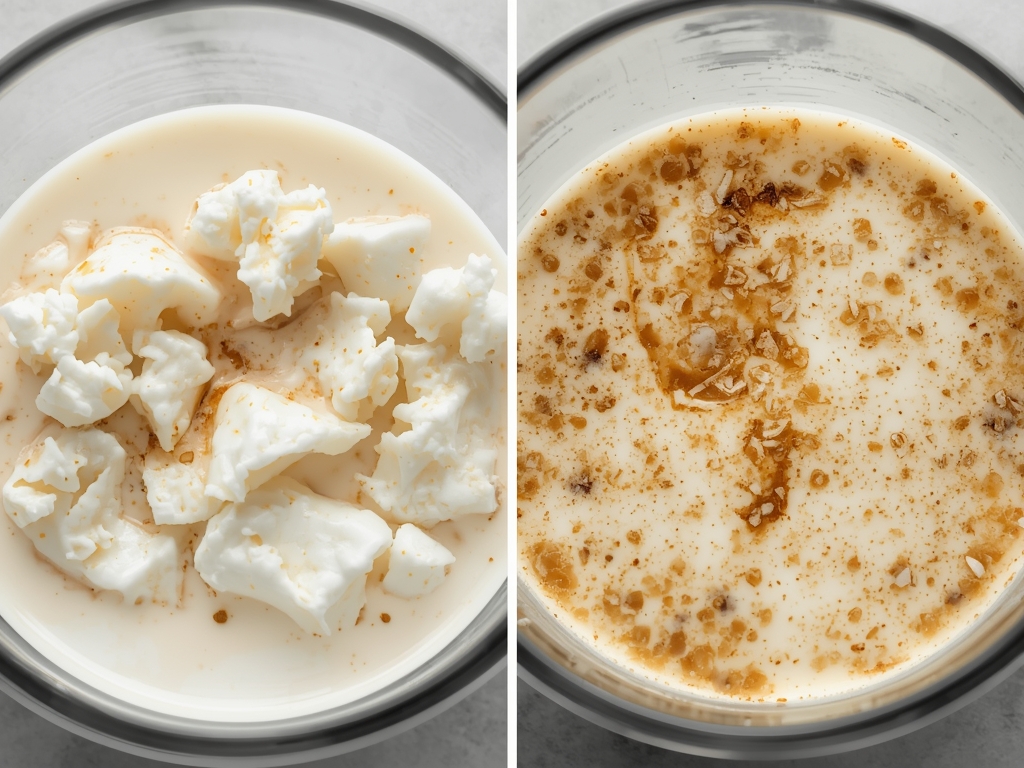
Despite your best storage efforts, coconut milk will eventually spoil. Knowing the signs of spoilage is essential to avoid consuming unsafe food. Here’s what to look out for:
- Off Odor: Fresh coconut milk has a mild, sweet aroma. If it emits a sour or unpleasant smell, it’s time to discard it.
- Discoloration: A change in color, especially a yellowish or brownish tint, indicates spoilage.
- Curdling: Coconut milk should have a smooth, creamy texture. If it appears lumpy or curdled, it’s no longer safe to consume.
- Mold: Visible mold growth is a clear sign of spoilage. Always inspect the milk before use, especially if it’s been stored for a while.
Leftover Coconut Milk: Creative Uses

If you find yourself with leftover coconut milk, don’t let it go to waste! There are countless ways to incorporate it into your cooking and baking. Here are some ideas to inspire your culinary creativity:
- Curries and Stews: Coconut milk is a staple in many Asian and Caribbean cuisines. Use it to create flavorful curries, like a Thai red curry or a Jamaican jerk chicken stew.
- Smoothies and Shakes: Add a tropical twist to your morning smoothie or post-workout shake. Blend coconut milk with fruits like mango, pineapple, or banana for a delicious, creamy treat.
- Desserts: From coconut milk ice cream to vegan cheesecakes, this ingredient adds richness and depth to desserts. Try a classic coconut custard pie or a modern coconut milk panna cotta.
- Soups and Sauces: Enhance your soups and sauces with a splash of coconut milk. It pairs well with vegetables like butternut squash, sweet potatoes, and tomatoes.
FAQ: Coconut Milk Storage and Freshness
Can I freeze coconut milk in its original can?
It’s not recommended to freeze coconut milk in its original can, as the liquid expands when frozen, which can cause the can to rupture. Always transfer the milk to a freezer-safe container, leaving room for expansion.
How can I tell if a can of coconut milk is still good?
Check the expiration date on the can or carton. If it’s past the printed date, it’s best to discard it. Additionally, inspect the can for any signs of damage, bulging, or leakage, which may indicate spoilage.
Can I use expired coconut milk in cooking?
Using expired coconut milk is not advisable, as it may have lost its flavor and nutritional value. Moreover, consuming spoiled food can lead to foodborne illnesses. Always prioritize food safety and use fresh ingredients.
What’s the best way to reheat frozen coconut milk?
Thaw frozen coconut milk in the refrigerator overnight or at room temperature for a few hours. You can also place the container in a bowl of warm water to speed up the process. Once thawed, give it a good stir or blend to restore its original texture.
Can I store coconut milk at room temperature after opening?
It’s not recommended to store opened coconut milk at room temperature, as it can spoil quickly. Always refrigerate or freeze leftover coconut milk to maintain its freshness and quality.

Lina leads the Fresh Hacks category, covering food storage tips, freshness preservation, and smart ways to extend the life of your groceries. Her guides help readers keep ingredients at peak quality for longer.

← Previous
Freeze Cooked Quinoa: Texture, Safety, and Storage Tips
Next →
Sourdough Storage Secrets: Bread Box or Fridge?