Follow Me On Social Media!

Storing Leftover Batter: Safety Tips & Creative Uses
The Great Batter Debate: To Save or Toss?
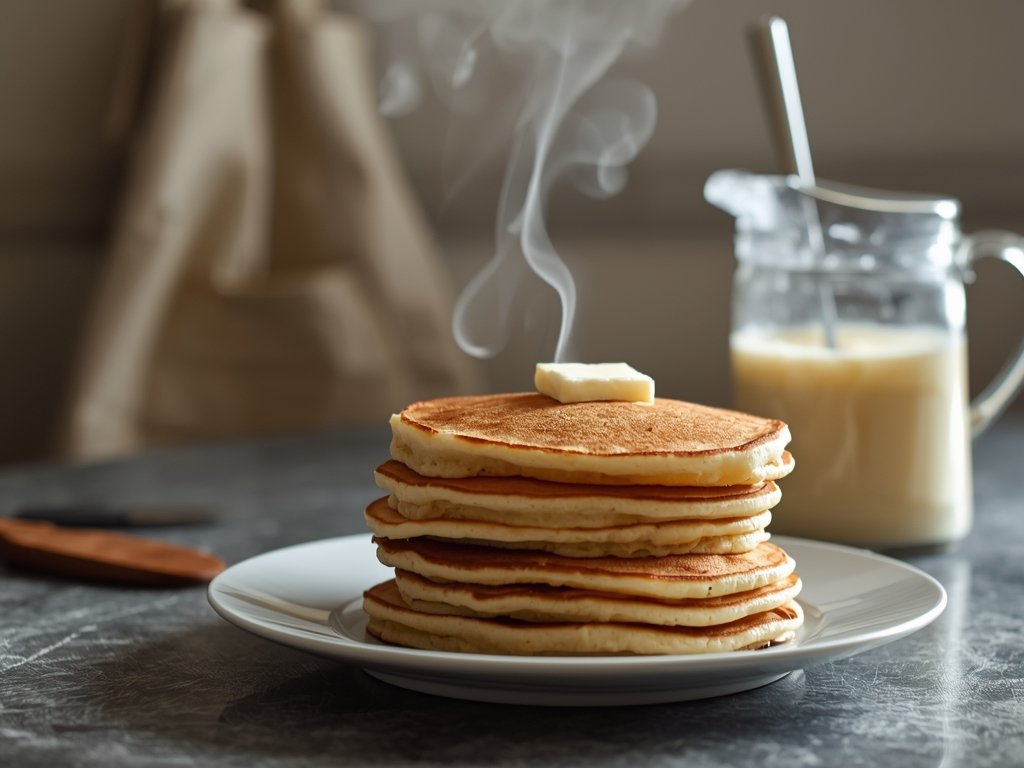
We’ve all been there—whipping up a batch of batter for a weekend brunch, only to realize we’ve made enough to feed an army. Whether you’re team pancake or team waffle, the question looms: Can you save that leftover batter for another day? It’s a common dilemma in kitchens across the U.S., where breakfast is a cherished ritual and food waste is a growing concern.
In a country where the average household wastes nearly a pound of food per person daily, finding ways to preserve ingredients is more important than ever. But when it comes to batter, the stakes are higher. After all, no one wants to risk a stomachache for the sake of saving a few cents.
What’s in Your Batter, Anyway?
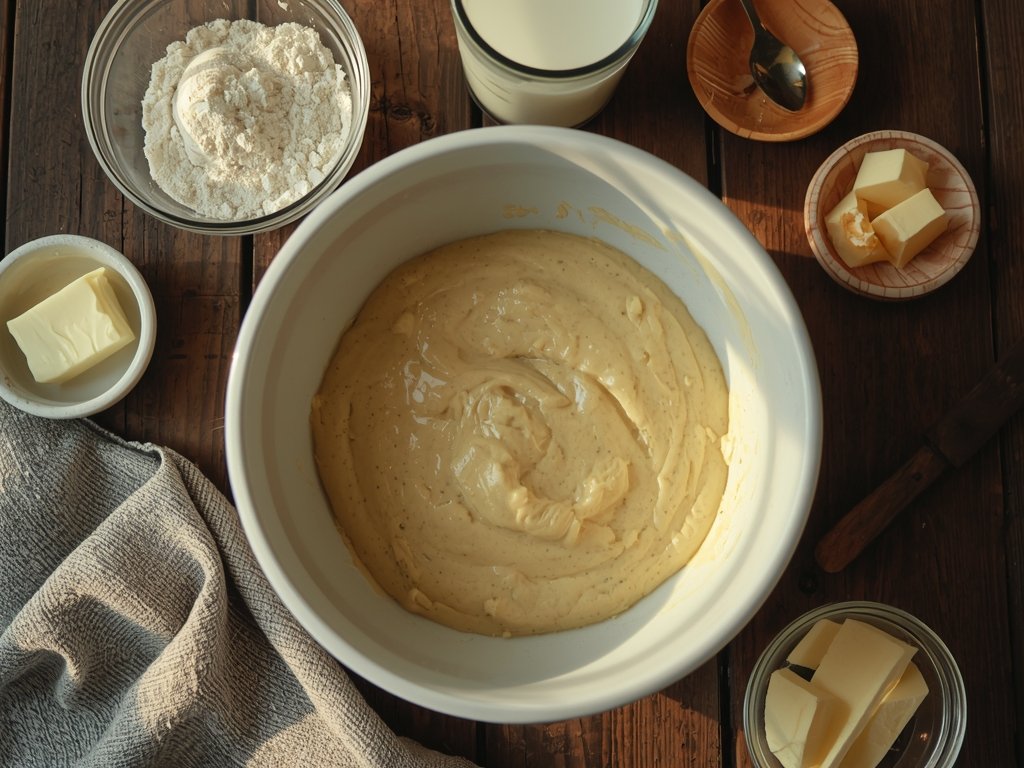
To understand how long batter lasts, let’s break down its basic components. Most pancake and waffle batters include flour, eggs, milk, and a leavening agent like baking powder. Each ingredient plays a role in determining the batter’s shelf life.
Flour, when stored properly, can last for months, but once mixed with wet ingredients, it becomes a breeding ground for bacteria. Eggs and milk are more perishable, especially when left at room temperature. And while baking powder gives your batter that fluffy texture, it also starts to lose its potency over time.
The Role of Bacteria
The real culprit behind spoilage is bacteria. When batter sits, especially in warmer temperatures, bacteria multiply rapidly. This can lead to off flavors, textures, and even foodborne illnesses. That’s why understanding proper storage is key to enjoying your leftovers safely.
How Long Can You Safely Store Batter?
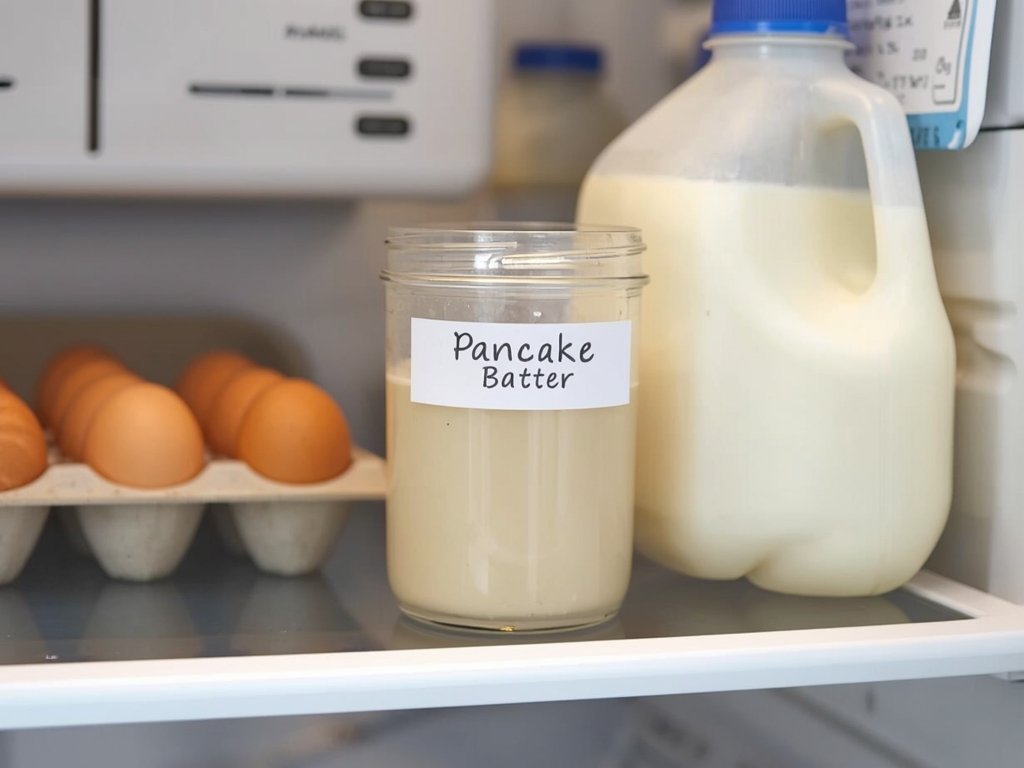
The general rule of thumb is that batter can be stored in the fridge for 1-2 days. Beyond that, the risk of spoilage increases significantly. However, this timeline can vary based on factors like the freshness of your ingredients and how quickly you refrigerate the batter.
If you’re planning to store batter, it’s best to do so in an airtight container. This not only prevents contamination but also helps retain moisture, keeping your batter from drying out. For longer storage, consider freezing, but be aware that the texture may change slightly upon thawing.
Signs Your Batter Has Gone Bad
Even with proper storage, batter can spoil. Look out for these red flags: a sour smell, mold growth, or a separation of liquids. If your batter exhibits any of these signs, it’s time to toss it. Trust your senses—when in doubt, throw it out.
Creative Ways to Use Leftover Batter

Before you pour that extra batter down the drain, consider these inventive ways to repurpose it. From savory snacks to sweet treats, there’s no shortage of options to make the most of your leftovers.
- Pancake Muffins: Pour batter into muffin tins for a portable breakfast option.
- Batter-Fried Vegetables: Dip veggies in batter and fry for a crispy side dish.
- Sweet Crepes: Thin out batter with milk and cook in a crepe pan for dessert.
Batch Cooking Tips
To minimize waste, try making smaller batches of batter. Alternatively, prepare dry and wet ingredients separately and combine just before cooking. This way, you can mix only what you need and store the rest for later.
Regional Twists on Batter Storage

Across the U.S., batter recipes vary by region, reflecting local tastes and traditions. In the South, buttermilk batter is a staple, while in New England, blueberry pancakes reign supreme. These regional differences can also impact storage considerations.
For example, batters with acidic ingredients like buttermilk may have a slightly longer fridge life due to their lower pH levels. However, richer batters with higher fat content, common in the Midwest, may spoil faster. Always consider the specifics of your recipe when planning storage.
Cultural Breakfast Traditions
From the hearty breakfasts of the Midwest to the lighter fare of the West Coast, Americans cherish their morning meals. Understanding these cultural nuances can inspire new ways to use leftover batter, whether it’s in a Southern-style waffle or a California-inspired pancake stack.
FAQ: Your Batter Questions Answered
Can I freeze pancake or waffle batter?
Yes, you can freeze batter for up to 2 months. Thaw it in the fridge overnight and give it a good stir before using.
Is it safe to use batter left out overnight?
No, batter left at room temperature for more than 2 hours should be discarded due to the risk of bacterial growth.
Can I add preservatives to extend batter life?
While adding a small amount of vinegar or lemon juice can inhibit bacterial growth, it’s best to rely on proper storage practices for safety.
How can I tell if my baking powder is still active?
Mix a teaspoon of baking powder with hot water. If it fizzes vigorously, it’s still good to use.