Follow Me On Social Media!

Cook once. Eat twice. Zero compromise.

Why Steak Night Deserves a Smarter Plan
Steak night feels special. You season carefully, cook confidently, slice, serve… and then panic slightly when there’s steak left over. Because reheated steak has a reputation—and it’s not a good one. Gray edges, tough texture, flavor that’s gone flat.
So most people either overeat “to avoid leftovers” or avoid cooking steak at all unless it’s a one-and-done meal.
That’s a waste of a great ingredient.
With the right mindset, steak night becomes efficient, intentional, and flexible. The goal isn’t reheating steak tomorrow. The goal is planning the second dish from the first sear. Classic steak one night. A bold, balanced steak & blue cheese salad the next—each dish playing to what steak does best at that moment.
This isn’t leftover management. It’s steak strategy.
What Happens to Steak After It Cools (And Why That’s Not a Bad Thing)
Fresh steak is all about heat, fat, and juiciness. Cold steak behaves differently—and that difference is useful.
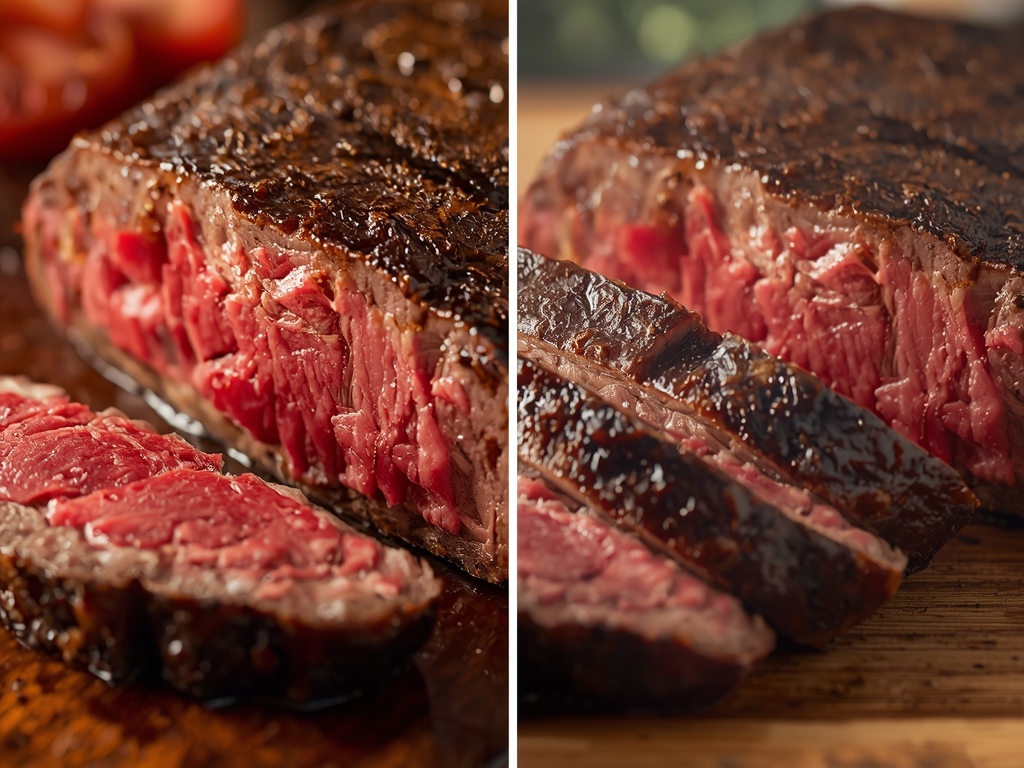
As steak cools:
- Muscle fibers relax and firm slightly
- Juices redistribute and settle
- Flavor becomes more concentrated
The mistake most people make is trying to force cold steak to act hot again. High heat tightens the fibers, squeezes out moisture, and ruins texture.
But sliced cold or gently warmed steak?
That’s where steak shines in salads.
Cold steak doesn’t need rescuing. It needs a new role.
Step One: Cooking the Steak with Tomorrow in Mind
Not all steaks are equal when it comes to leftovers.
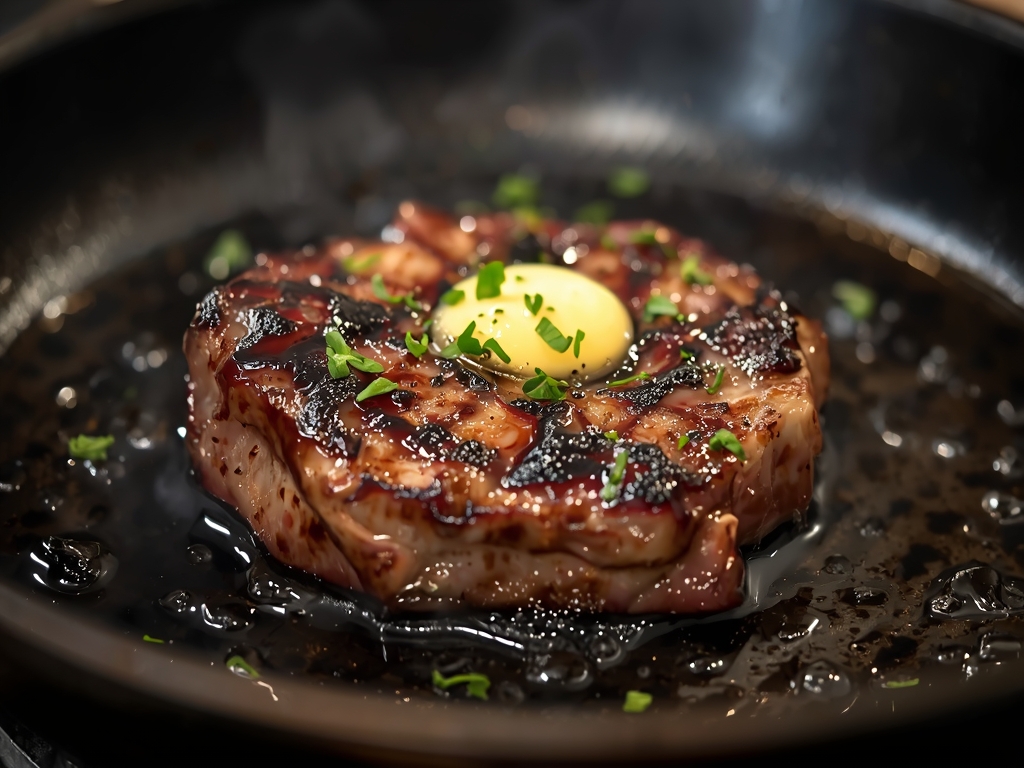
Best Cuts for This Strategy
- Ribeye
- Strip steak
- Sirloin
You want marbling, not extreme leanness.
How to Cook It
Season simply with salt and pepper. Sear hot, flip once, finish to medium-rare (52–54°C / 125–130°F).
Why medium-rare?
Because it gives you a buffer. Steak firms slightly as it cools. Starting too done leaves you nowhere to go.
Rest the steak fully. Slice only what you’ll eat tonight. Leave the rest whole.
Night One: The Classic Steak Experience
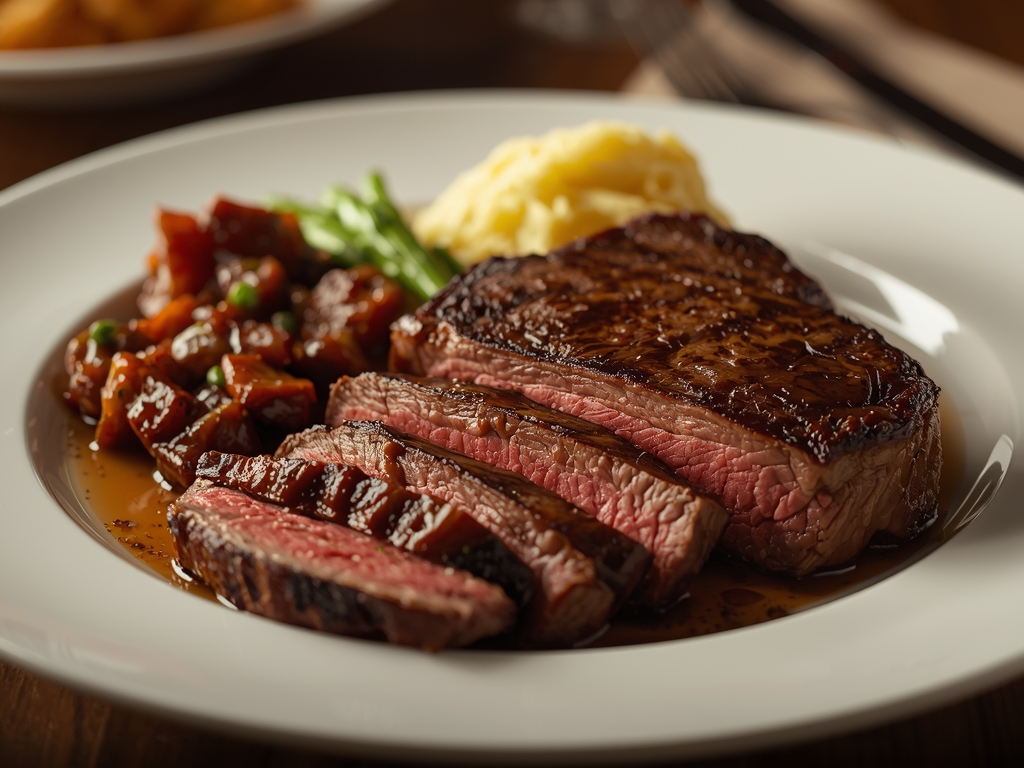
This is steak in its comfort zone.
Serve it hot, sliced thick, with simple sides. Let the crust shine. Let the fat do the work. Don’t drown it in sauce. This meal is about purity and contrast—crisp exterior, juicy center.
The key efficiency move happens after dinner:
Wrap the remaining steak whole. Refrigerate once cooled. No slicing. No reheating. No panic.
You’ve already set up tomorrow.
Why Steak Is Better Cold in a Salad Than Reheated on a Plate
Cold steak behaves like cured meat’s more luxurious cousin.
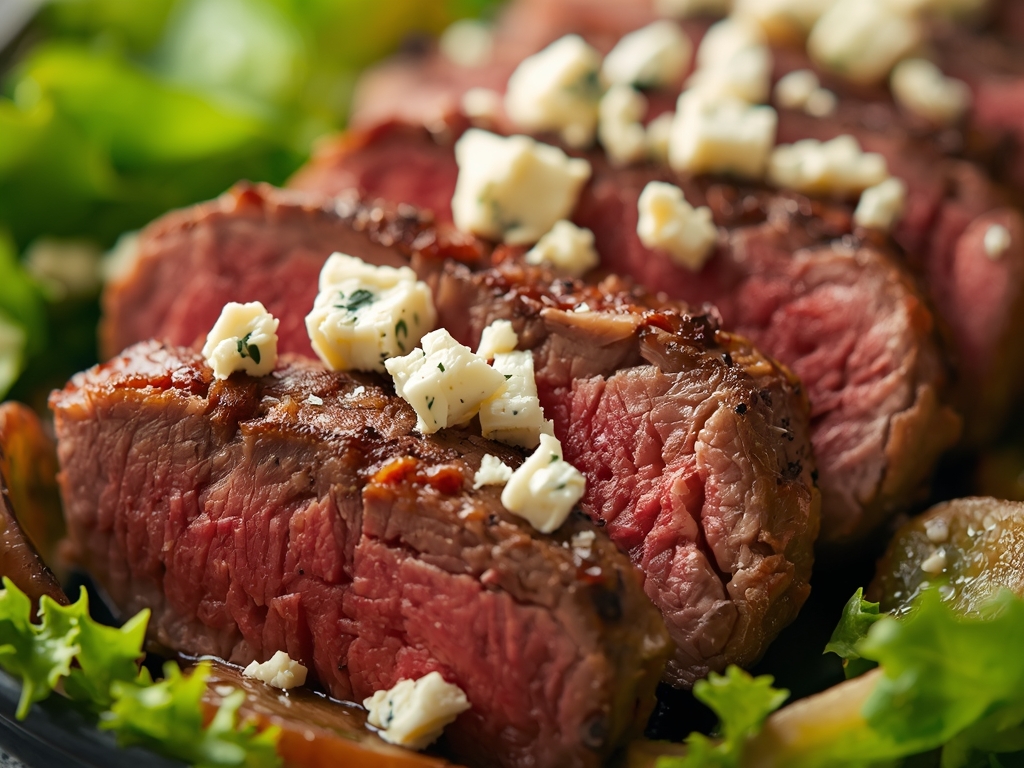
When sliced thin:
- It stays tender
- Fat softens at room temperature
- Flavor reads deeper and beefier
A salad gives steak what reheating never can:
- Acidity to cut richness
- Crunch to contrast texture
- Creaminess to round it out
That’s why steak & blue cheese works so well—it’s balanced by design.
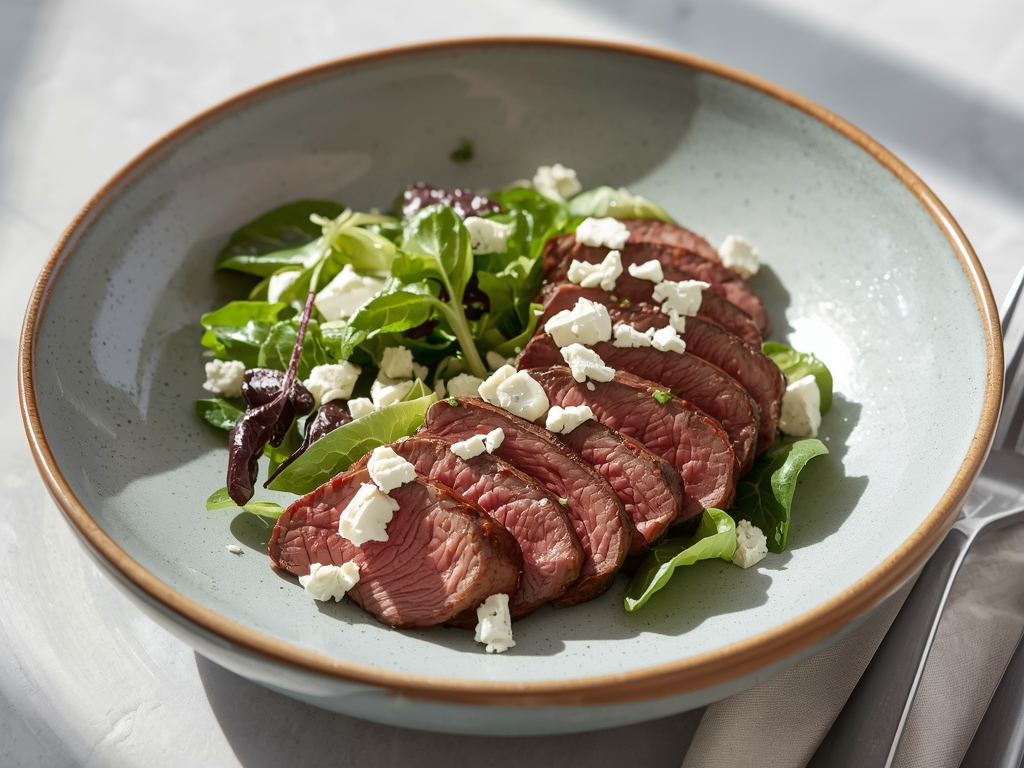
Night Two: Steak & Blue Cheese Salad That Feels Intentional
This isn’t a “throw leftovers on greens” situation. This is a composed dish.
How to Build It
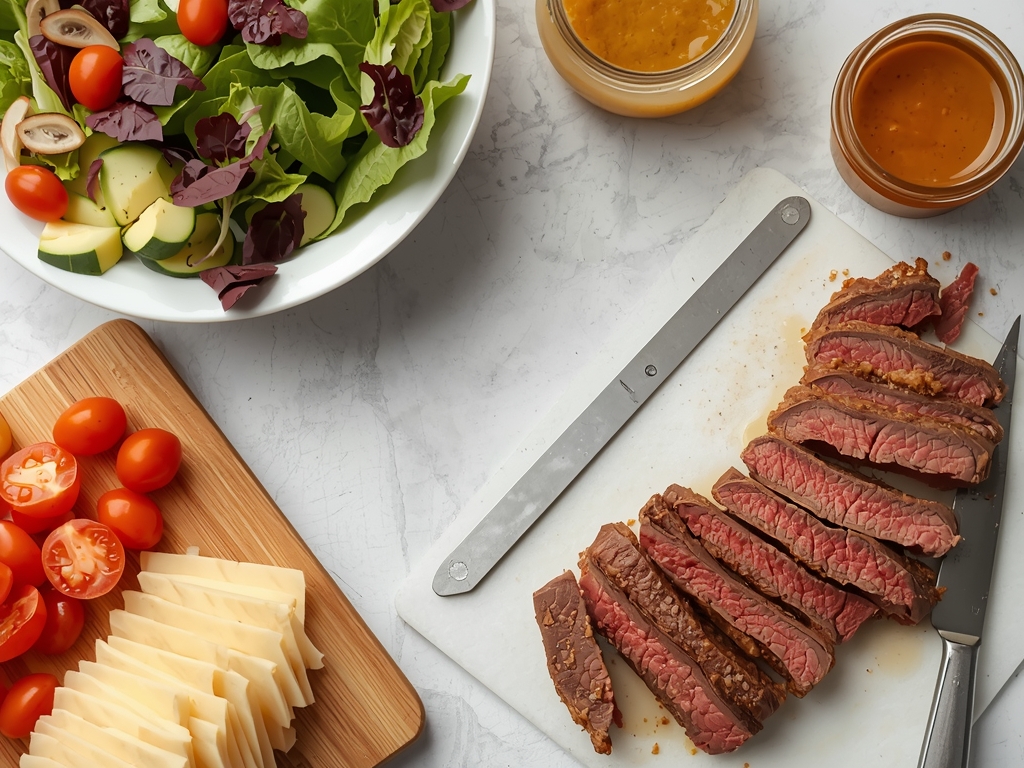
Start with crisp greens—romaine, arugula, or a mix. Add something crunchy (nuts, croutons). Something sweet (pear, apple, or dried figs). Then blue cheese, used confidently but not recklessly.
Slice the steak thin, against the grain, and let it come to cool room temperature before serving. Cold-from-the-fridge steak is muted. Five minutes on the counter wakes it up.
Finish with a sharp vinaigrette. Acid is non-negotiable.
What you get is not a downgraded steak night—it’s a different kind of luxury.
Blue Cheese Without Regret: How Much Is Enough
Blue cheese is powerful. That’s why it works.
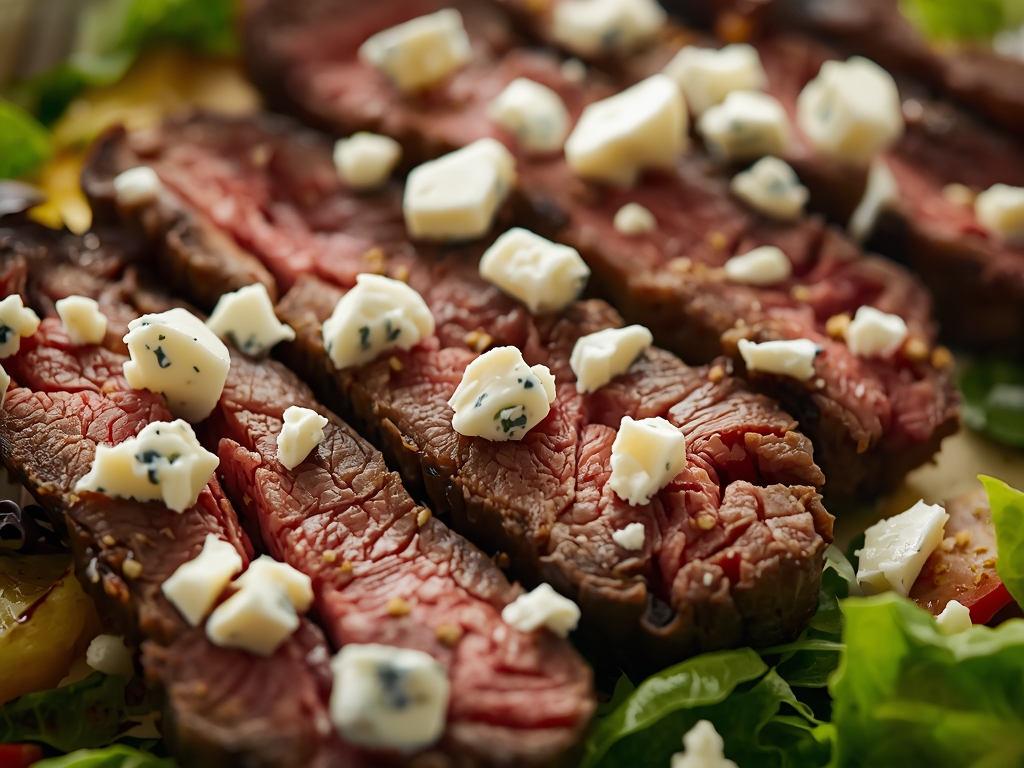
You don’t need a lot—just enough to:
- Melt slightly against the steak
- Contrast the acidity of the dressing
- Add salt without over-seasoning
If blue cheese feels too aggressive:
- Use it cold and crumbly
- Pair with something sweet
- Balance with a brighter vinaigrette
It’s not about dominance. It’s about contrast control.
Storage Rules That Keep Steak Worth Eating
Cooked steak (whole):
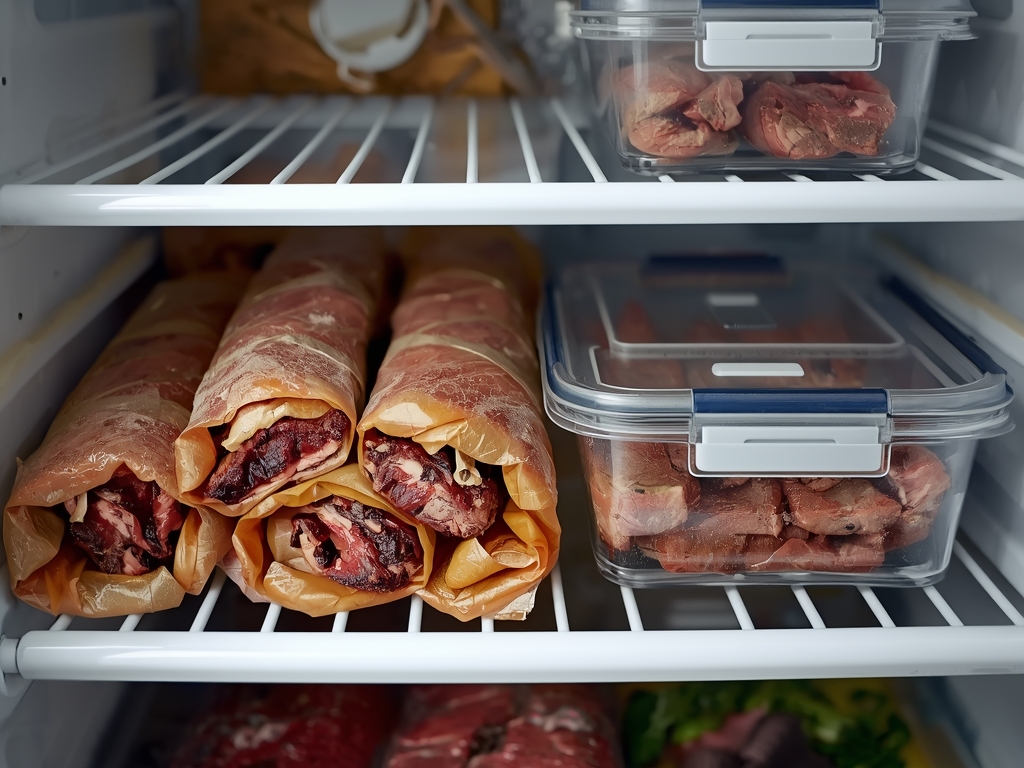
- Fridge: up to 3 days
- Wrap tightly once fully cooled
Sliced steak:
- Use within 24 hours
- Loses moisture faster
Do:
- Store steak whole
- Slice only before serving
- Let cold steak temper briefly
Don’t:
- Microwave steak
- Reheat on high heat
- Store steak sliced “for convenience”
Convenience kills texture. Patience saves it.
Questions People Always Ask About Leftover Steak
Can I reheat steak without ruining it?
Gently, yes—but cold or room-temp is often better.
Why does reheated steak taste dry?
Protein tightens with heat. Moisture leaves. Texture suffers.
Is cold steak safe to eat?
Yes, if stored properly and eaten within 3 days.
Can I use steak straight from the fridge in salad?
You can, but letting it temper improves flavor.
What dressing works best?
Sharp vinaigrettes—balsamic, red wine, mustard-based.
Final Thought
Efficiency doesn’t mean shortcuts. It means intention. When you cook steak with the second meal already in mind, nothing feels like an afterthought. One great cut. Two satisfying dinners. And not a single bite that feels like leftovers.

Sofia writes for the Smart Prep category, covering meal planning strategies, batch cooking techniques, and weekly prep guides. Her articles help busy families organize their cooking to save time and money.

← Previous
The Rice Strategy: From Steamed Rice to Crispy Arancini Balls
Next →
Big Pan Roasted Veggies: From Side Dish to Pasta Primavera