Follow Me On Social Media!

The Great Sourdough Storage Debate: Bread Box or Fridge?
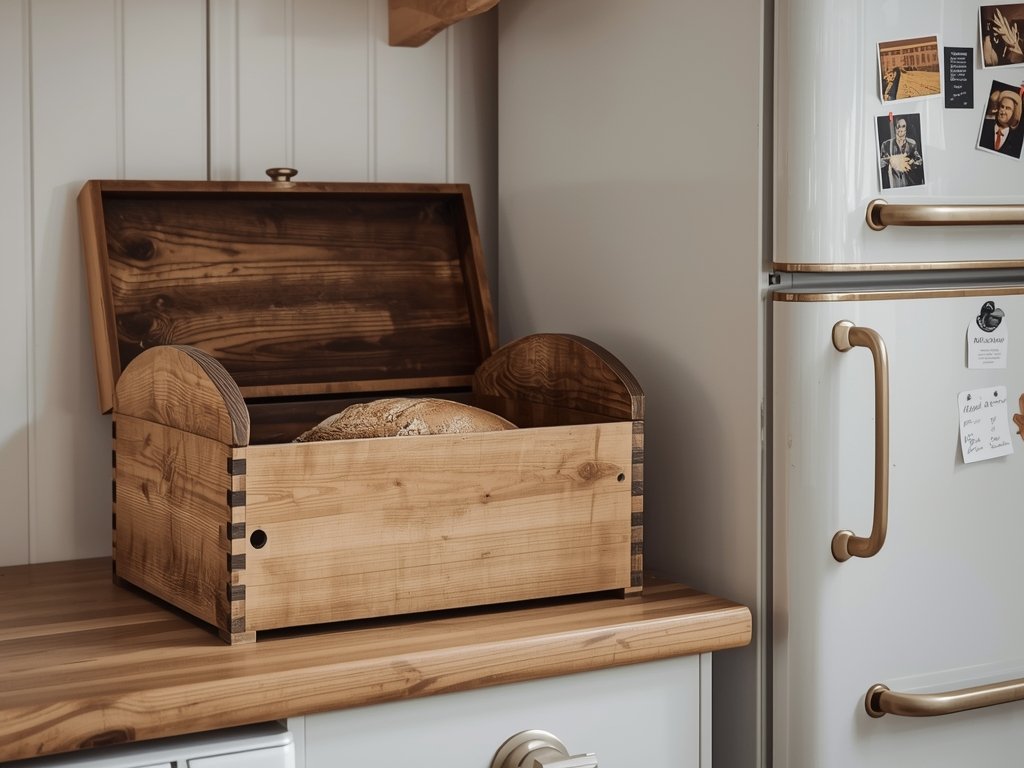
If you’re a sourdough enthusiast, you’ve likely found yourself pondering the best way to store your precious leftover loaf. Should it be tucked away in a bread box, a time-honored tradition, or does the fridge offer a more modern, practical solution? This debate has raged on in kitchens across the United States, with passionate bakers and bread lovers alike weighing in.
The Traditionalist’s Choice: Bread Box Storage
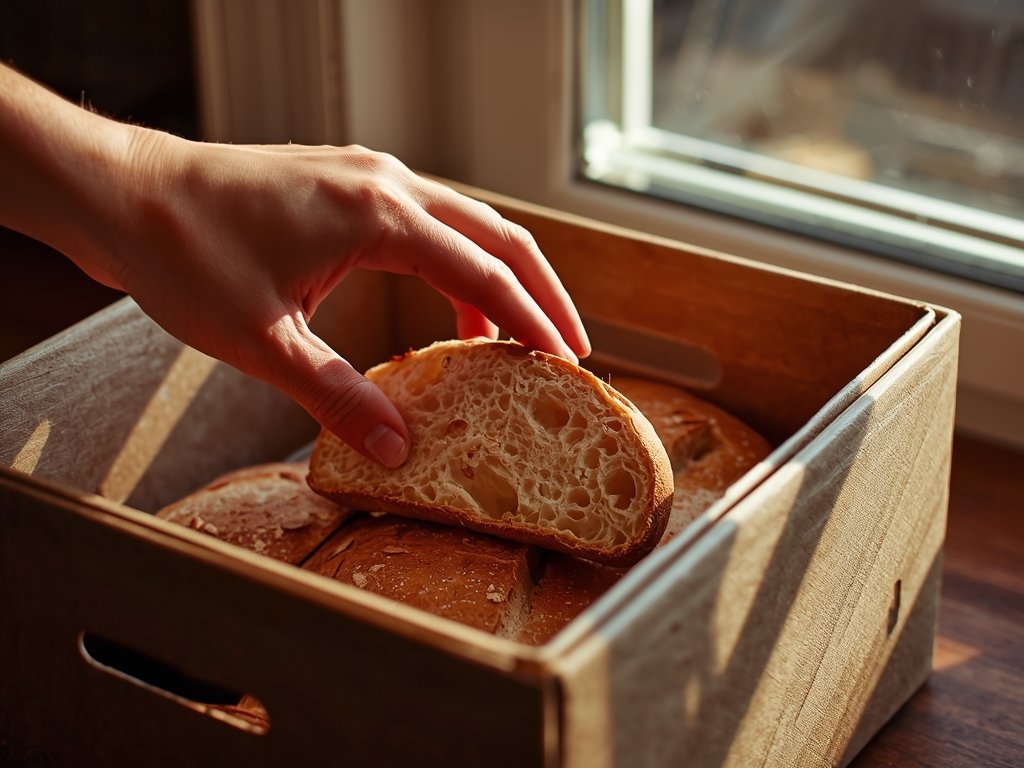
For many, the bread box is an iconic symbol of American kitchens past. This simple storage solution has been a staple in households for generations, and it’s easy to see why. Bread boxes provide a dedicated space for your loaf, keeping it within easy reach and adding a touch of nostalgia to your countertop.
Proponents of the bread box method argue that it allows the bread to breathe, maintaining its crusty exterior and soft interior. The controlled environment of a bread box can help regulate moisture, preventing the sourdough from drying out too quickly. This is especially beneficial for those who prefer their bread at room temperature, ready for a quick toast or sandwich.
Bread Box Benefits
- Aesthetic Appeal: Bread boxes come in various styles, from vintage enamel designs to modern wooden creations, adding character to your kitchen.
- Convenience: Your sourdough is always within arm’s reach, making it ideal for spontaneous snacking or meal prep.
- Natural Ventilation: The breathable nature of bread boxes can help maintain the bread’s texture and flavor.
The Modern Approach: Refrigeration
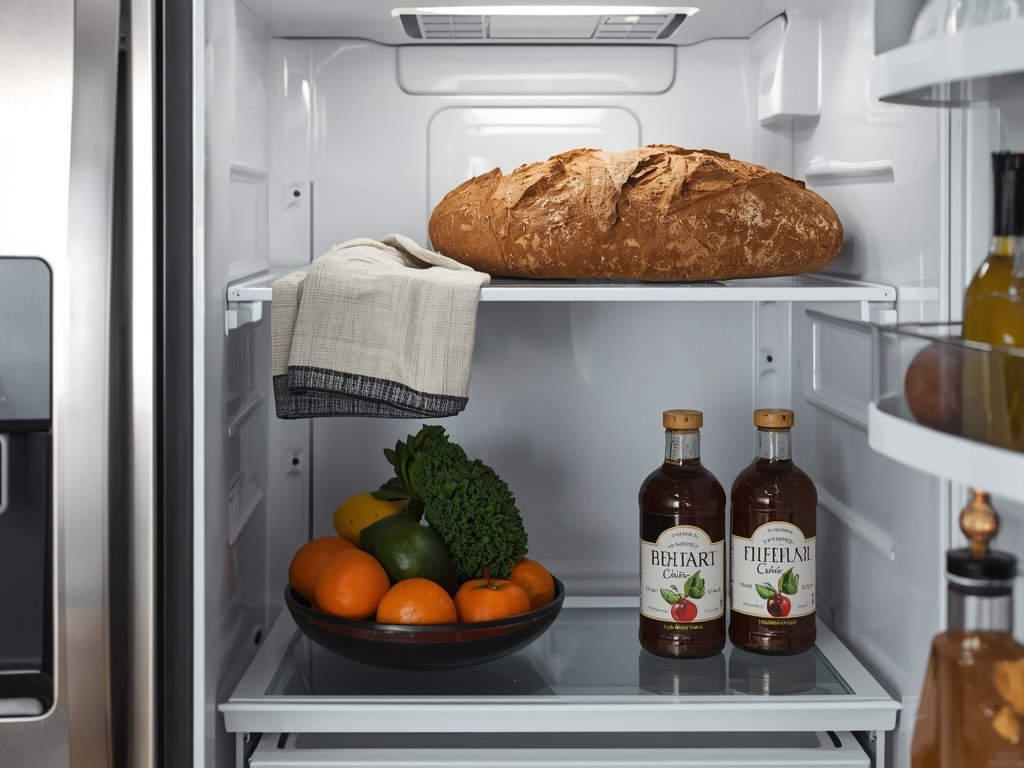
In today’s fast-paced world, the refrigerator has become the go-to storage solution for many foods, and sourdough is no exception. Refrigeration offers a convenient, low-maintenance way to extend the life of your bread, especially in warmer climates or during the hot American summers.
By slowing down the staling process, the fridge can keep your sourdough fresher for longer. This method is particularly useful if you don’t plan on finishing the loaf within a couple of days. However, it’s essential to store the bread properly to avoid drying it out or absorbing odors from other foods.
Refrigeration Tips
- Wrap it Right: Use a linen or cotton towel to wrap the sourdough, then place it in a paper bag. This allows the bread to breathe while protecting it from moisture.
- Avoid the Crisper: Store the bread in the main compartment of the fridge, away from produce drawers, to prevent excess moisture.
- Reheat for Best Results: To enjoy your refrigerated sourdough, give it a quick refresh in the oven or toaster to restore its crusty texture.
The Science Behind Sourdough Storage

To truly understand the impact of storage methods, let’s delve into the science of sourdough. This beloved bread is the result of a natural fermentation process, where wild yeast and lactic acid bacteria work their magic on a simple mixture of flour and water.
The unique flavor and texture of sourdough are due to this slow fermentation, which also contributes to its longer shelf life compared to commercial breads. However, even sourdough is not immune to staling, a process driven by the retrogradation of starch molecules.
Staling: The Enemy of Fresh Bread
Staling occurs when the starch in bread recrystallizes, causing the bread to become dry and firm. This process is accelerated by moisture loss and temperature changes. While refrigeration slows down staling, it doesn’t stop it entirely. That’s why proper storage and reheating techniques are crucial for maintaining the quality of your sourdough.
Regional Preferences and Cultural Influences

The bread box vs. fridge debate often reflects regional preferences and cultural traditions. In the United States, where sourdough has a rich history, especially in San Francisco, local customs play a significant role in storage choices.
In cooler regions, where the climate is more forgiving, bread boxes are a common sight. They align with the farm-to-table movement and the appreciation for traditional, artisanal foods. In contrast, warmer states might lean towards refrigeration to combat the heat and humidity that can accelerate bread spoilage.
Cultural Influences on Bread Storage
- European Traditions: In many European countries, bread boxes are a kitchen staple, reflecting a culture that values fresh, daily-baked bread.
- American Innovation: The rise of refrigeration in the US during the 20th century led to new storage habits, prioritizing convenience and food safety.
- Local Climate: Regional weather patterns significantly influence storage choices, with warmer areas favoring the fridge to combat heat and humidity.
Finding the Perfect Balance
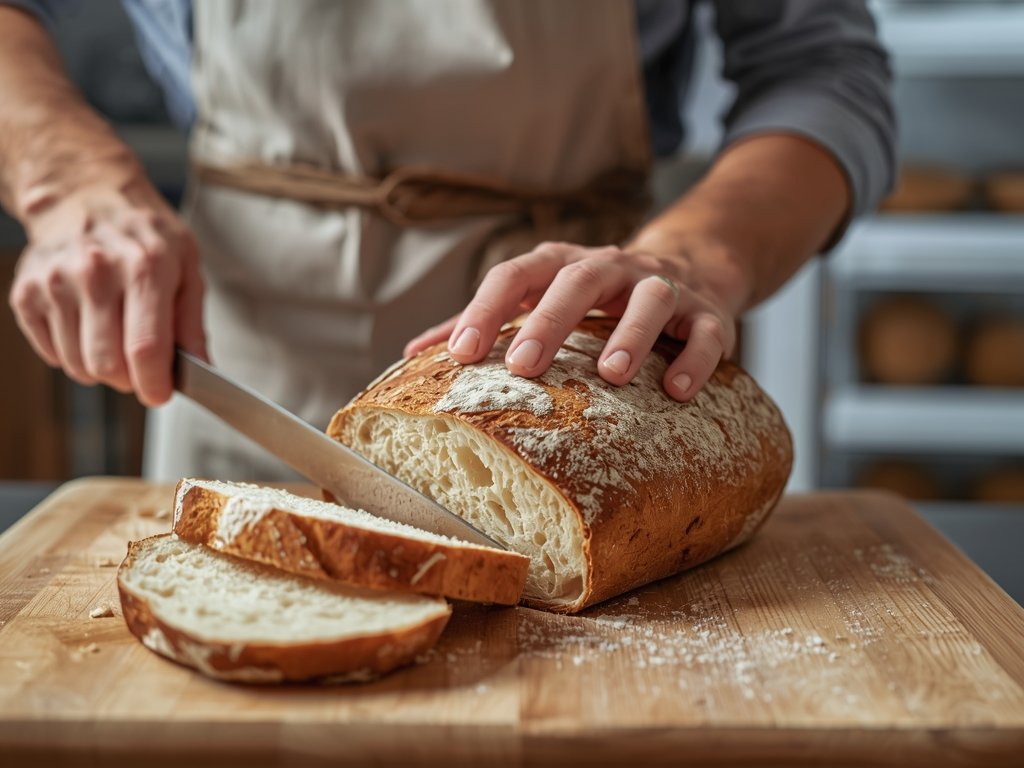
So, which method reigns supreme? The answer, as with many things in life, is that it depends. Both the bread box and the fridge have their merits, and the ideal storage solution may vary depending on your personal preferences, climate, and bread consumption habits.
For the ultimate sourdough experience, consider a combination of both methods. Store your bread in a bread box for the first day or two to enjoy it at its peak freshness. Then, if you have leftovers, transfer them to the fridge to extend their life. This way, you get the best of both worlds.
Hybrid Storage Strategy
- Day 1-2: Bread box for optimal freshness and texture.
- Day 3 onwards: Refrigerate to slow down staling and preserve the bread for longer.
- Reheat and Enjoy: Refresh refrigerated bread in the oven or toaster for a crusty, delicious slice.
FAQ: Sourdough Storage Solutions
Can I freeze sourdough bread?
Absolutely! Freezing is an excellent way to preserve sourdough for the long term. Wrap the loaf tightly in plastic wrap and then foil, or use a freezer bag. When ready to eat, thaw at room temperature or refresh in the oven.
How long does sourdough last in the fridge?
Properly stored, sourdough can last up to a week in the fridge. However, for the best quality, aim to consume it within 3-4 days. Always check for mold or off odors before eating.
Does sourdough need to be stored in a bread box?
While a bread box is ideal for short-term storage, it’s not mandatory. You can store sourdough at room temperature in a well-ventilated area, but it may dry out faster. A bread box simply provides a dedicated, breathable space.
Can I store sourdough in a plastic bag?
It’s best to avoid plastic bags, as they can trap moisture, leading to a soggy crust. Opt for breathable storage solutions like linen towels, paper bags, or a bread box. If using plastic, ensure the bread is well-wrapped in a towel first.
How do I refresh stale sourdough?
To revive stale bread, sprinkle a little water on the crust and heat it in a 350°F oven for 5-10 minutes. This will help restore the crust’s crispness. For a quicker fix, use a toaster or toaster oven.

Lina leads the Fresh Hacks category, covering food storage tips, freshness preservation, and smart ways to extend the life of your groceries. Her guides help readers keep ingredients at peak quality for longer.

← Previous
Storing Coconut Milk: Freshness Tips and Tricks
Next →
Revive Stale Bread: The Water Splash Method Revealed