Follow Me On Social Media!

The Softened Butter Hack: How to Keep it Spreadable and Safe on the Counter
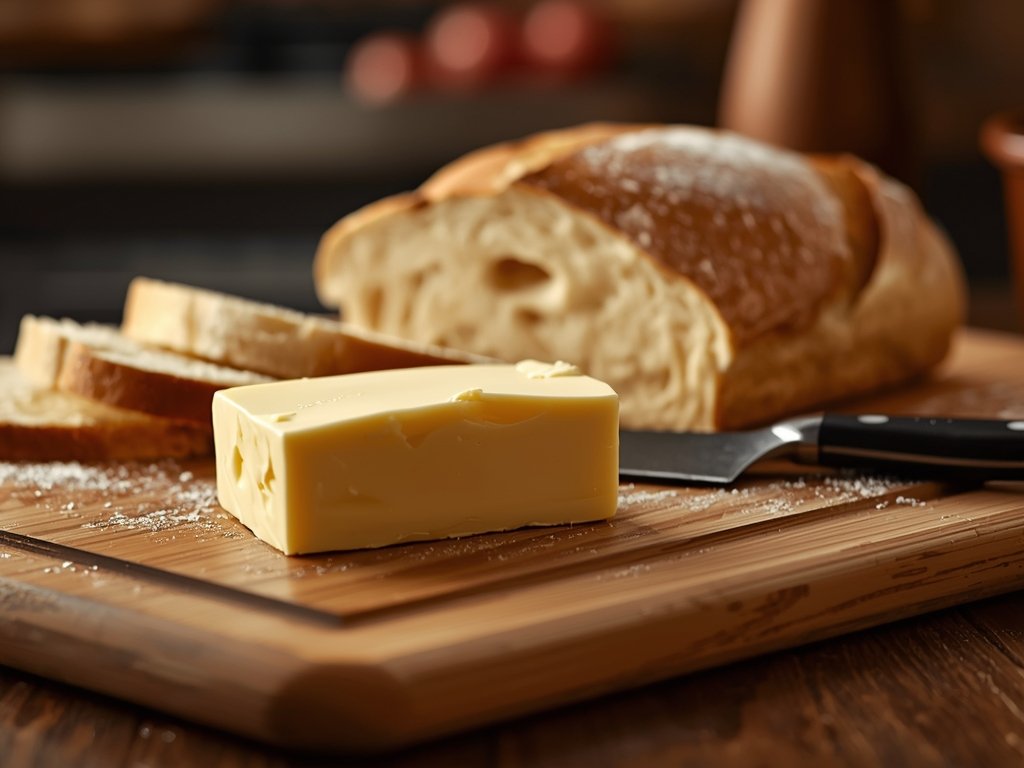
If you’re a fan of baking or simply enjoy a good slice of toast, you know the struggle of waiting for butter to soften. But leaving it on the counter for too long can be a recipe for disaster. In this article, we’ll explore the ultimate hack for keeping your butter spreadable and safe, without sacrificing its flavor or texture.
Why Softened Butter is a Game-Changer
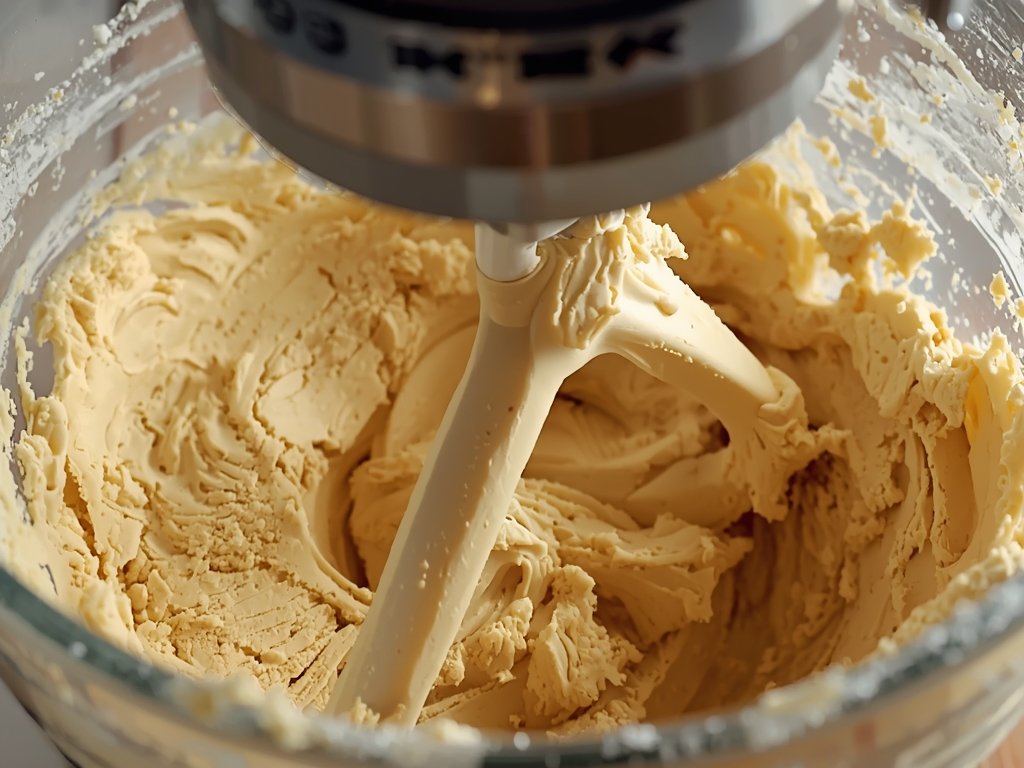
Softened butter is a crucial ingredient in many recipes, from cookies and cakes to frostings and sauces. When butter is at the right temperature, it’s easier to mix, cream, and incorporate into your recipes. This not only saves you time but also ensures a more consistent and delicious result.
The Science Behind Softened Butter
Butter is an emulsion of butterfat, milk solids, and water. When it’s cold, the butterfat is solid, making it difficult to work with. As it warms up, the butterfat begins to melt, allowing the butter to become more pliable and spreadable. However, if it gets too warm, the butter can become greasy and separated, ruining your recipe.
The Risks of Leaving Butter on the Counter
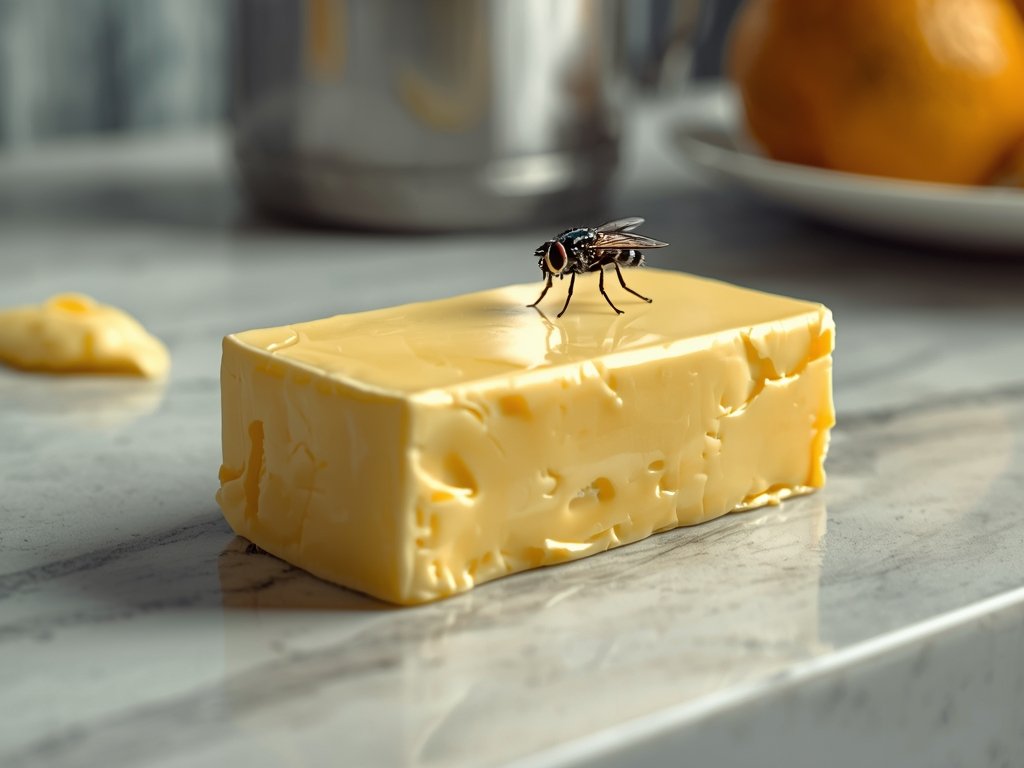
While it’s tempting to leave butter on the counter for convenience, it’s essential to understand the risks involved. Butter is a dairy product, and like all dairy products, it’s susceptible to bacterial growth. When left at room temperature for too long, butter can become a breeding ground for harmful bacteria like Salmonella and E. coli.
How Long is Too Long?
According to the USDA, butter can be left at room temperature for up to 2 days. However, this timeframe can vary depending on factors like humidity, temperature, and the butter’s packaging. As a general rule, if your kitchen is warm (above 70°F), it’s best to refrigerate your butter after 1-2 hours.
The Ultimate Softened Butter Hack
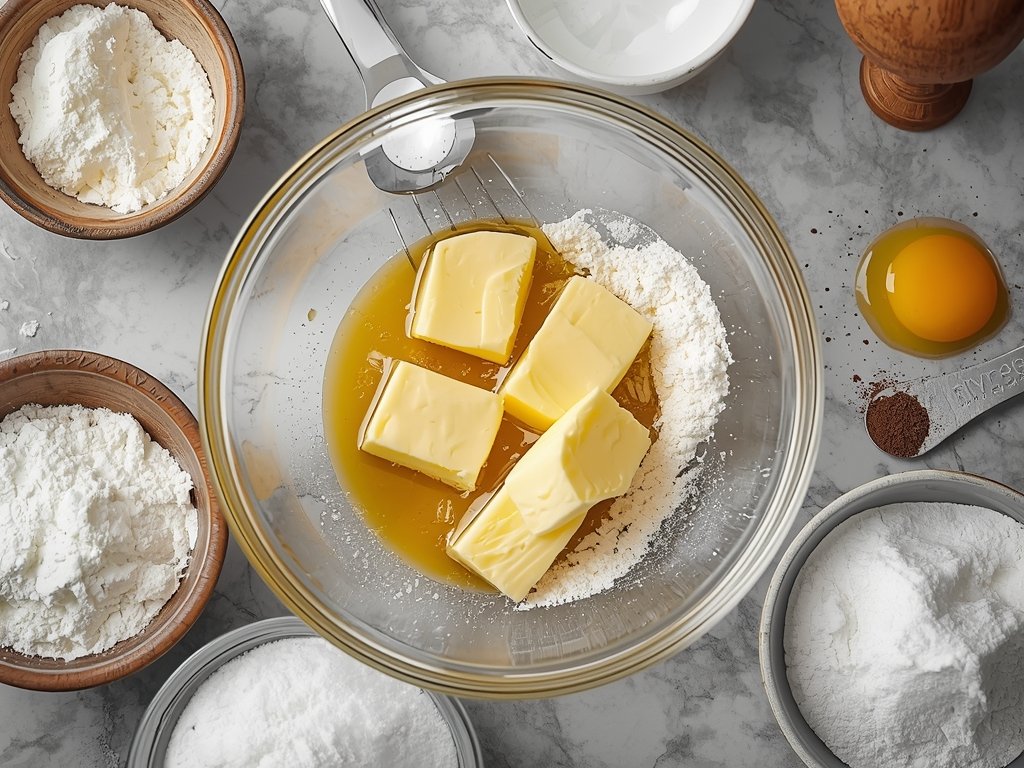
So, how can you keep your butter softened and safe on the counter? The key is to use a simple, yet effective technique that involves insulating your butter to maintain a consistent temperature. Here’s how to do it:
- Choose the Right Container: Use a small, airtight container with a lid, such as a glass jar or a plastic container with a tight-fitting lid.
- Softening the Butter: Cut your butter into small cubes and place them in the container. Leave the container on the counter for 30-60 minutes, or until the butter is softened to your liking.
- Insulating the Container: Wrap the container in a thin kitchen towel or a piece of aluminum foil. This will help insulate the butter and maintain a consistent temperature.
- Storing on the Counter: Place the insulated container on your counter, away from direct sunlight or heat sources. Your butter should remain softened and safe for up-to 4-6 hours.
Tips for Success
- Use unsalted butter for best results, as salted butter can become too soft and greasy.
- If your kitchen is particularly warm, consider placing a small ice pack or a frozen water bottle near the container to help regulate the temperature.
- Always use clean utensils when handling softened butter to prevent contamination.
Creative Ways to Use Softened Butter

Now that you know how to keep your butter softened and safe, it’s time to get creative in the kitchen. Here are some delicious ideas to inspire your next baking adventure:
- Compound Butter: Mix softened butter with herbs, spices, or citrus zest for a flavorful spread that’s perfect for steak, seafood, or bread.
- Frostings and Icings: Use softened butter as the base for creamy frostings and icings, like classic buttercream or cream cheese frosting.
- Sauces and Dressings: Incorporate softened butter into sauces like béarnaise or hollandaise, or use it to make rich, creamy dressings like ranch or blue cheese.
Regional Variations and Cultural Context
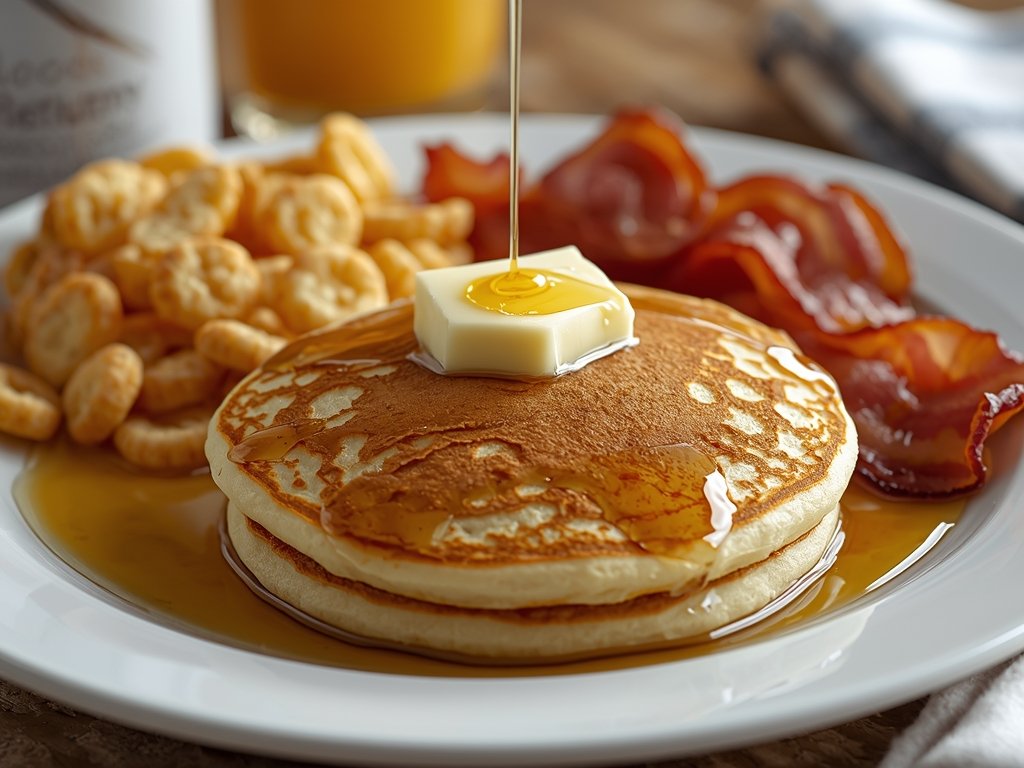
In the United States, butter plays a significant role in regional cuisines and cultural traditions. From the creamy, cultured butter of the Northeast to the sweet, creamy butter of the South, each region has its unique take on this beloved ingredient.
Southern-Style Butter
In the South, butter is often served softened and sweet, with a hint of sugar or honey. This style of butter is perfect for spreading on biscuits, cornbread, or toast, and is a staple of traditional Southern breakfasts.
New England-Style Butter
In New England, cultured butter is a favorite, with its tangy, slightly acidic flavor. This style of butter is often used in baking, particularly in recipes like scones, muffins, and coffee cakes.
FAQ
Can I leave butter on the counter overnight?
It’s not recommended to leave butter on the counter overnight, as it can become a breeding ground for harmful bacteria. If you need to soften butter for an extended period, consider using the insulated container method or refrigerating it and softening it in the morning.
How can I tell if butter has gone bad?
Butter that has gone bad may have a rancid smell, a sour taste, or a discolored appearance. If you suspect your butter has spoiled, it’s best to discard it and start fresh.
Can I freeze butter to extend its shelf life?
Yes, you can freeze butter to extend its shelf life. Wrap the butter tightly in plastic wrap or aluminum foil, or store it in an airtight container. Frozen butter can last up-to 6-9 months.
Is clarified butter a good alternative to softened butter?
Clarified butter, also known as ghee, is a good alternative to softened butter in some recipes. It has a higher smoke point and a longer shelf life, making it ideal for cooking and baking. However, it lacks the milk solids and flavor of traditional butter, so it may not be suitable for all recipes.
Can I use margarine instead of butter?
While margarine can be used as a substitute for butter in some recipes, it’s not recommended for baking or recipes that require creaming or whipping. Margarine has a different texture and flavor profile than butter, and may not produce the same results.

Lina leads the Fresh Hacks category, covering food storage tips, freshness preservation, and smart ways to extend the life of your groceries. Her guides help readers keep ingredients at peak quality for longer.

← Previous
Walnut Storage Secrets: Avoid Pantry Pitfalls for Fresher Nuts
Next →
Slow Down Banana Ripening: The Separation Secret Revealed