Follow Me On Social Media!

The Great American BBQ Debate: Analog vs. Digital Thermometers
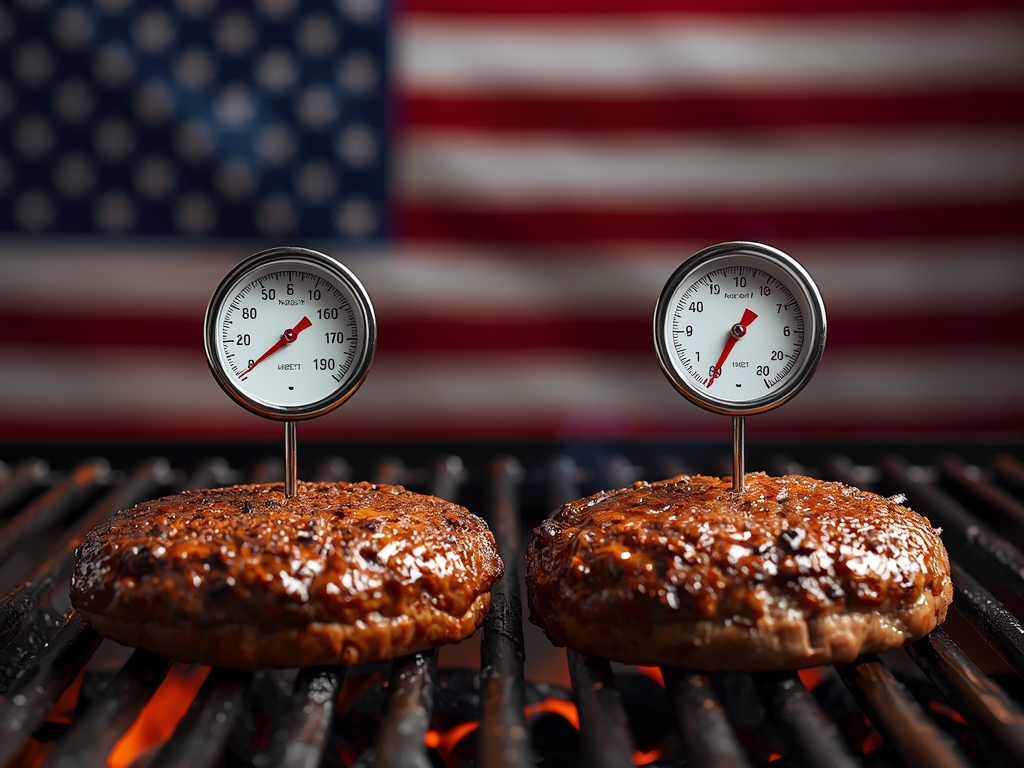
Picture this: it’s the Fourth of July, and the smell of charred burgers and smoky ribs fills the air. Your uncle swears by his trusty analog thermometer, while your tech-savvy cousin just unboxed the latest smart meat thermometer. Who’s right? The debate over meat thermometer accuracy has raged on for years, but with the rise of smart kitchen gadgets, it’s time to separate fact from fiction.
What Makes a Thermometer “Smart” Anyway?

Before we dive into the accuracy debate, let’s clarify what sets smart thermometers apart. These gadgets typically feature:
- Digital displays for easy reading
- Wireless connectivity to your phone or tablet
- Preset temperature alerts for different meats
- Real-time monitoring via companion apps
But do these fancy features translate to better accuracy? That’s the million-dollar question.
The Science Behind Temperature Readings
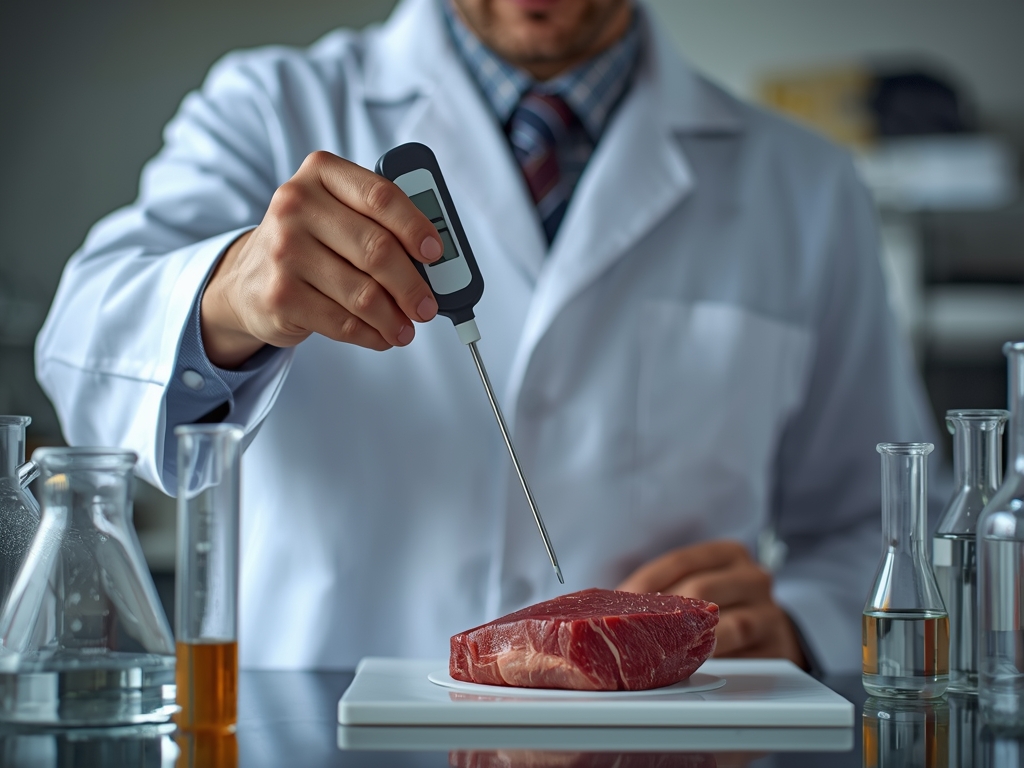
How Thermocouples and Probes Work
At the heart of every meat thermometer is a sensor, usually a thermocouple or thermistor. These components measure the electrical resistance changes caused by heat. In theory, the faster and more precisely they respond to temperature changes, the more accurate the reading.
Factors Affecting Accuracy
However, several factors can throw off even the most advanced thermometer:
- Probe placement: Inserting the probe too close to the bone or fat can give false readings
- Calibration: Over time, thermometers can drift from their original accuracy
- Response time: Some thermometers take longer to stabilize, especially in thick cuts
Putting Smart Thermometers to the Test
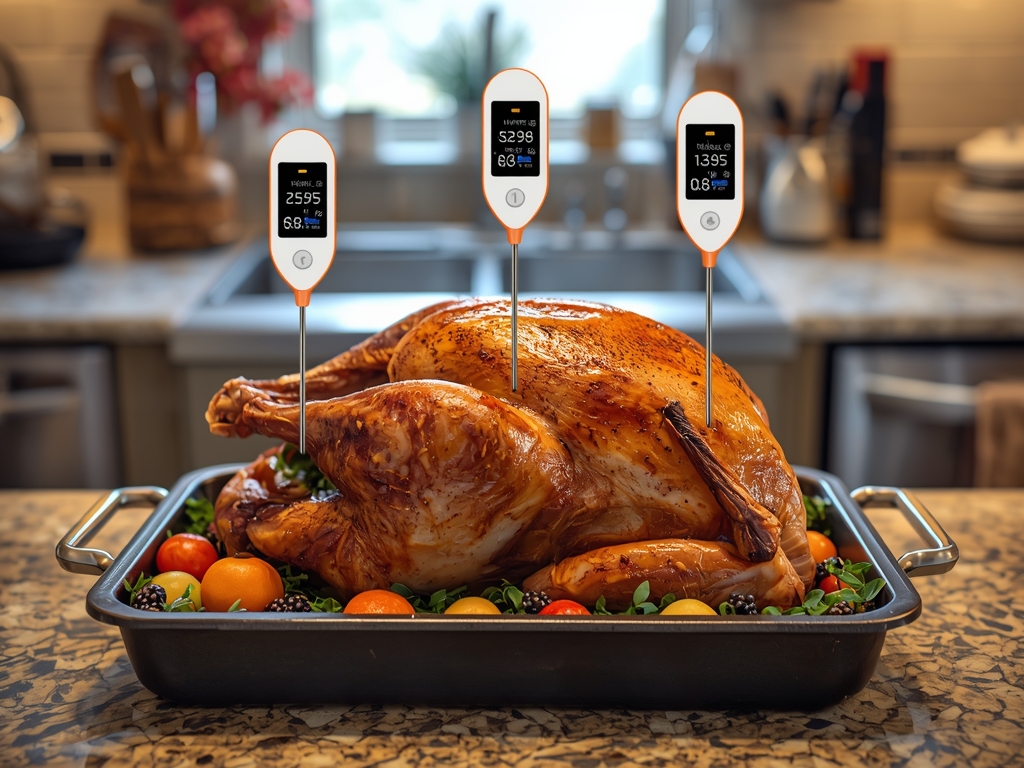
Real-World Accuracy Tests
We conducted a series of tests using popular smart thermometers and compared them to trusted analog models. Our findings? Smart thermometers generally performed on par with their analog counterparts, but with a few key differences:
- Consistency: Smart thermometers tended to give more consistent readings across multiple tests
- Speed: Digital models often provided faster readings, especially in thin cuts like chicken breasts
- Precision: In some cases, smart thermometers were more precise, particularly when measuring low-temperature cooks like sous vide
The Human Factor
It’s worth noting that user error plays a significant role in thermometer accuracy. Smart thermometers’ preset alerts and real-time monitoring can help mitigate this, ensuring you never overcook that expensive ribeye again.
When Accuracy Really Matters: Food Safety

While we all want our steaks cooked to perfection, food safety should be the top priority. According to the USDA, poultry should reach an internal temperature of 165°F, while ground meats need to hit 160°F. Smart thermometers’ alerts and precise readings can provide an extra layer of protection against foodborne illnesses.
Smart Thermometers and Sous Vide
For sous vide enthusiasts, accuracy is critical. Deviations of just a few degrees can mean the difference between a perfectly cooked steak and a tough, overcooked mess. In these cases, smart thermometers’ precision and real-time monitoring can be a game-changer.
FAQ: Your Burning Questions Answered
Are smart meat thermometers more accurate than analog ones?
In general, smart thermometers offer comparable accuracy to analog models, with added benefits like consistency, speed, and precision. However, proper use and calibration are key for both types.
Can I rely on a smart thermometer for food safety?
Absolutely. Smart thermometers’ preset alerts and precise readings make them a reliable tool for ensuring food safety, especially when cooking poultry and ground meats.
Do I need a smart thermometer if I already have an analog one?
If your analog thermometer is calibrated and works well, you may not need to upgrade. However, smart thermometers’ added features can make cooking more convenient and foolproof.
How often should I calibrate my smart meat thermometer?
Most manufacturers recommend calibrating your thermometer every 4-6 months, or before major cooking events like Thanksgiving or the Super Bowl.
Can smart thermometers be used for smoking meats?
Yes, many smart thermometers are designed for low-and-slow cooking methods like smoking. Look for models with long probes and high-temperature resistance for best results.

David handles the Kitchen Gear category, reviewing tools, equipment, and accessories that make cooking and food storage easier. His articles focus on practical recommendations for everyday home cooks.

← Previous
Declutter Your Kitchen: 5 Utensils You Can Toss Today
Next →
Best Kitchen Scales for Perfect Baking Results in 2023