Follow Me On Social Media!

The Great Baking Debate: Silicon Mats vs. Oil
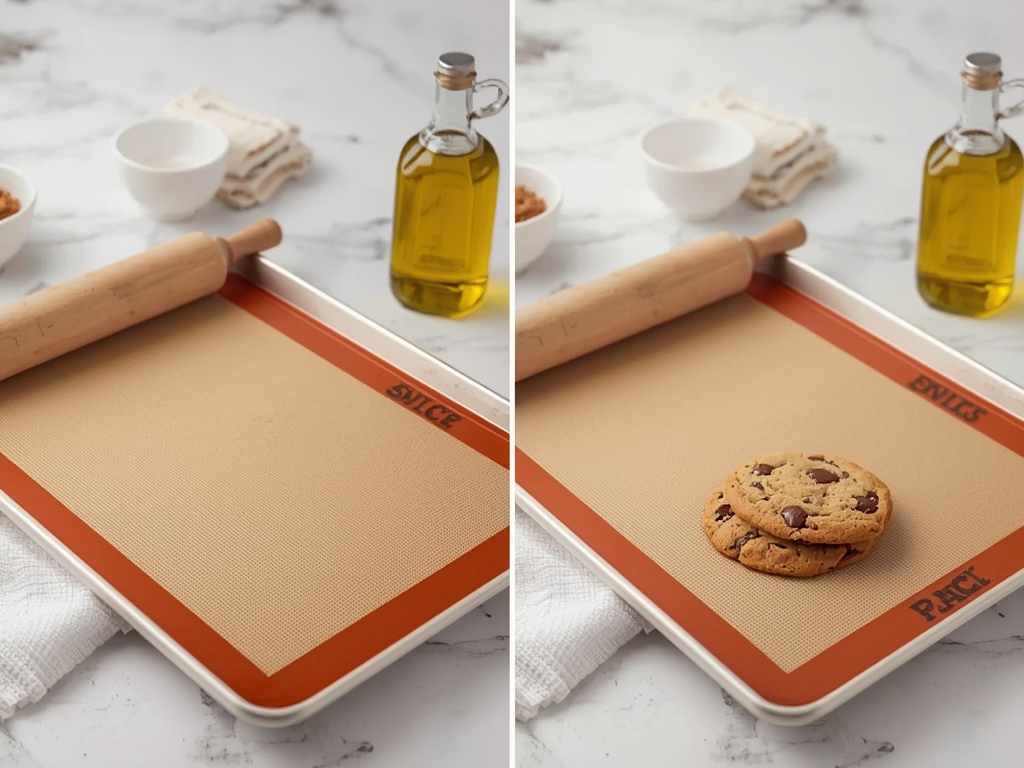
When it comes to baking, every home cook in the United States has their preferred methods and tools. One of the most debated topics is whether to use silicon baking mats or oil to prevent sticking and promote even cooking. Both options have their pros and cons, and understanding these can help you make an informed decision for your next baking adventure.
What Are Silicon Baking Mats?
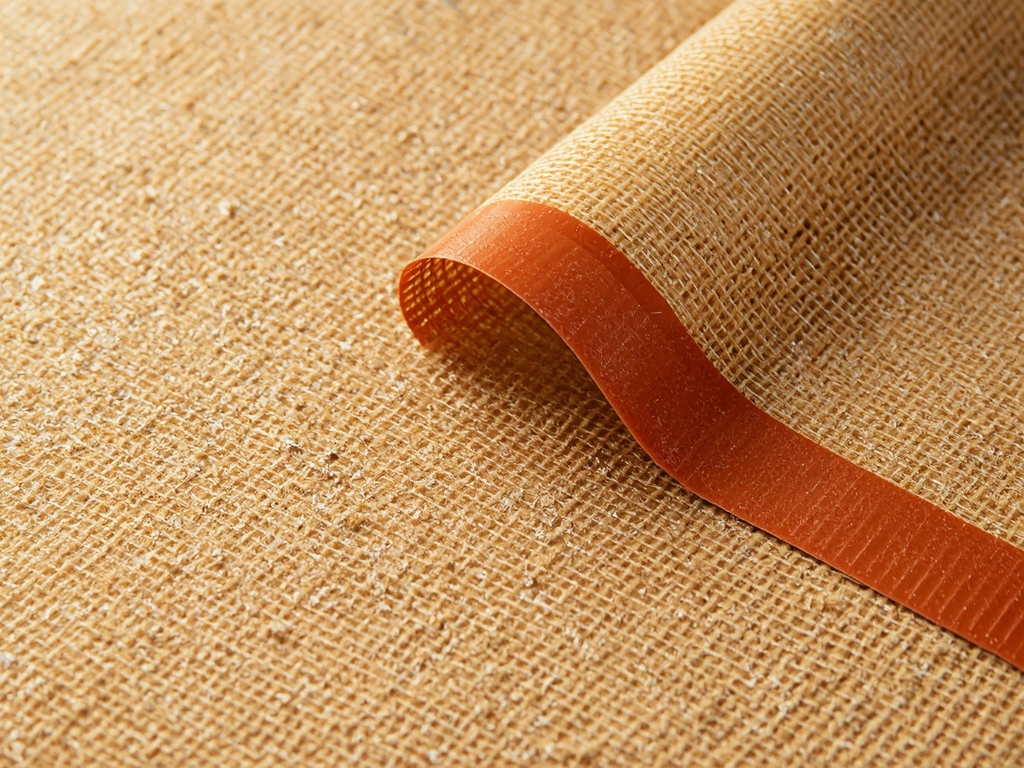
Silicon baking mats are reusable, non-stick sheets made from food-grade silicon. They are designed to be placed on baking sheets, providing a surface that prevents food from sticking without the need for additional fats like oil or butter. These mats are popular among bakers for their convenience and eco-friendliness.
Silicon mats are heat-resistant, typically safe for use in temperatures ranging from -40°F to 480°F. This makes them suitable for a wide variety of baking tasks, from cookies to roasted vegetables. Their non-stick properties also mean less cleanup, as food residue doesn’t adhere to the mat’s surface.
The Role of Oil in Baking

Oil has been a staple in baking for centuries, used not only to prevent sticking but also to add moisture and flavor to baked goods. Common types of oil used in baking include vegetable oil, olive oil, and coconut oil, each bringing its unique properties to the table.
While oil is versatile and widely available, it can sometimes lead to uneven cooking or greasiness if not used correctly. Additionally, excessive use of oil can add unnecessary calories to your baked goods, which may be a concern for health-conscious individuals.
Health Considerations: Silicon Mats vs. Oil
When it comes to health, silicon baking mats offer a clear advantage by eliminating the need for added fats. This can be particularly beneficial for those looking to reduce their calorie intake or manage dietary restrictions. Since no oil is used, there’s no risk of consuming trans fats or other unhealthy components that may be present in certain oils.
On the other hand, oil can be a healthier option when used in moderation, especially if you choose oils rich in monounsaturated or polyunsaturated fats, like olive oil or avocado oil. However, it’s essential to be mindful of portion sizes to avoid overconsumption of calories.
Environmental Impact: A Green Perspective
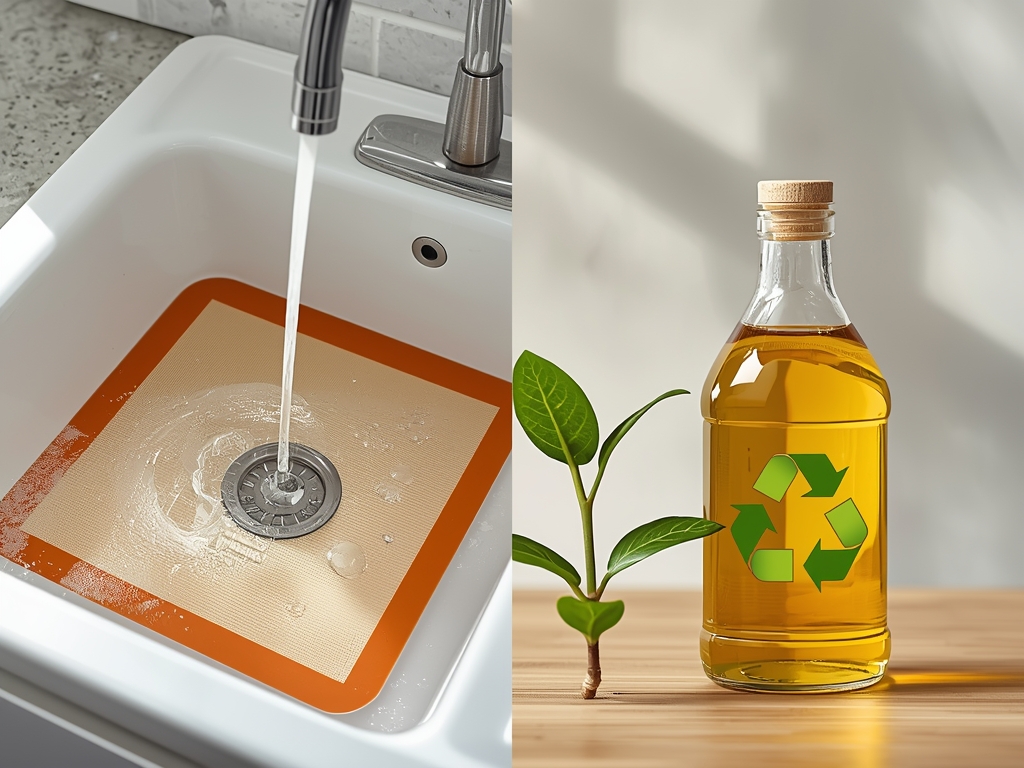
In today’s eco-conscious world, the environmental impact of our baking choices matters. Silicon baking mats are reusable and can last for years with proper care, reducing waste compared to single-use parchment paper or aluminum foil. However, their production involves synthetic materials, which may not be biodegradable.
Oil, particularly if sourced sustainably, can be a more natural option. However, the production and transportation of oil can have a significant carbon footprint. Additionally, disposable oil containers contribute to plastic waste unless properly recycled.
Practicality and Convenience in the Kitchen
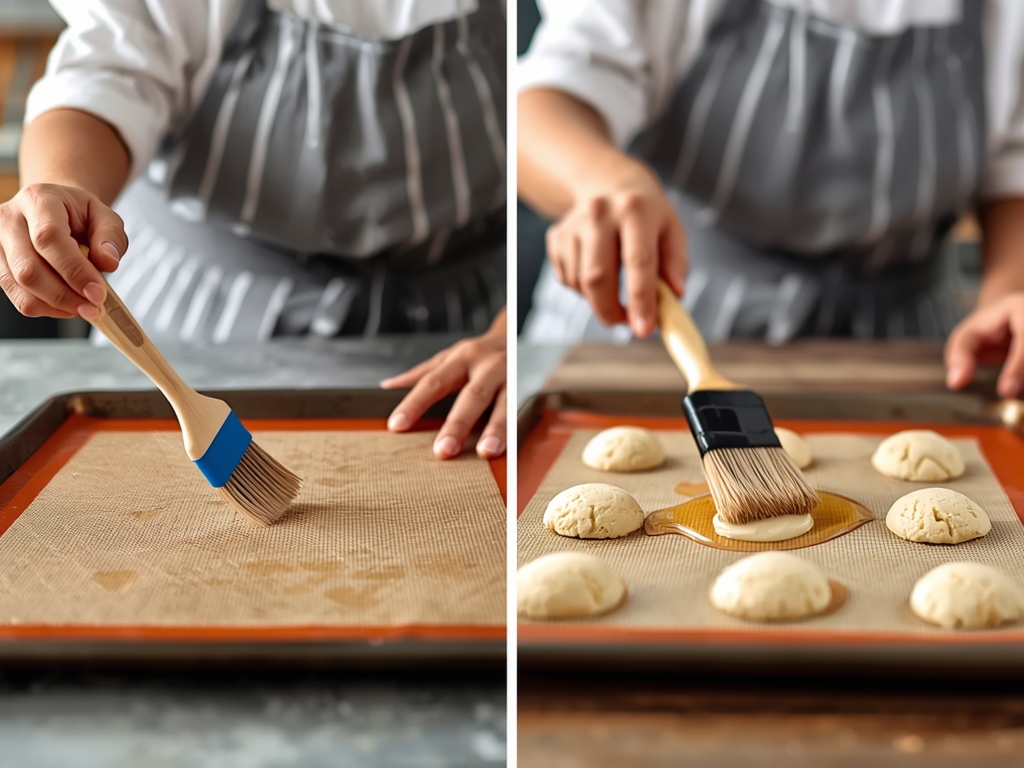
For many home bakers in the U.S., convenience is a top priority. Silicon baking mats are incredibly easy to use—simply place them on your baking sheet, and you’re ready to go. They also make cleanup a breeze, as most food residue wipes off effortlessly.
Oil, while versatile, requires more attention to detail. You need to measure the right amount, ensure even distribution, and deal with potential messes. However, oil is a pantry staple, making it readily available for spontaneous baking sessions.
Cost Analysis: Long-Term Savings
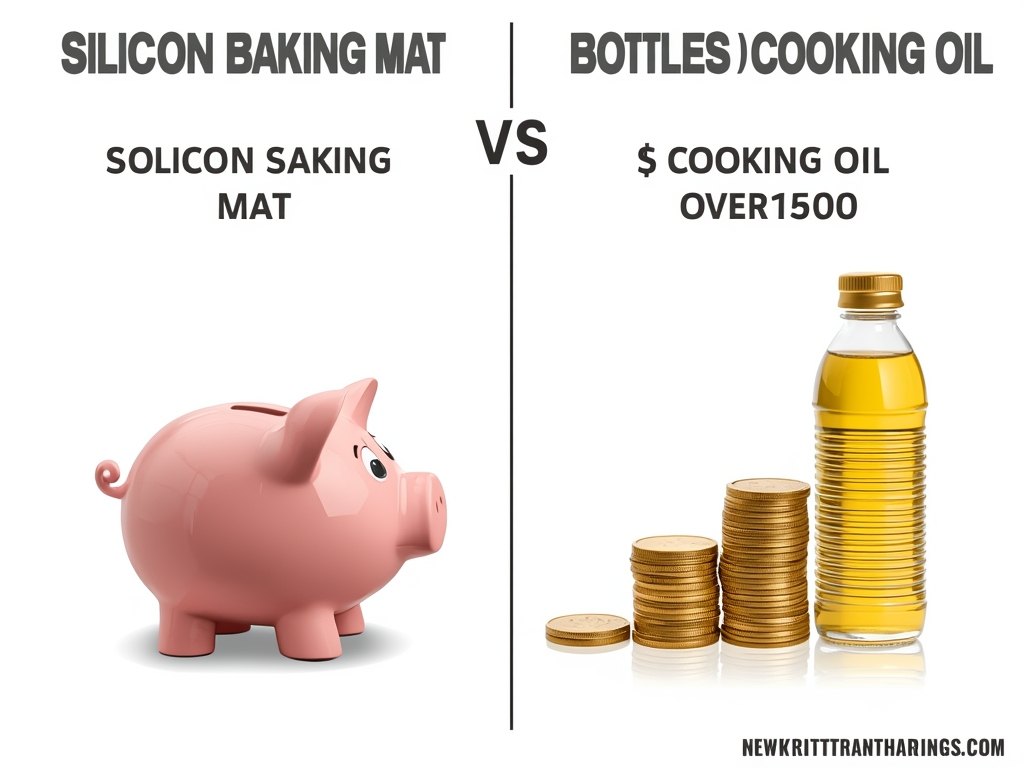
While silicon baking mats may have a higher upfront cost, they can save you money in the long run. A single mat can last for years, eliminating the need for repeated purchases of parchment paper or oil. This makes them a cost-effective investment for frequent bakers.
Oil, on the other hand, is relatively inexpensive but requires continuous repurchasing. Over time, the cumulative cost of oil can add up, especially if you bake regularly. However, its versatility for both baking and cooking may justify the expense for some households.
FAQ
Are silicon baking mats safe to use at high temperatures?
Yes, most silicon baking mats are safe for use in temperatures up to 480°F, making them suitable for a wide range of baking tasks.
Can I use oil on a silicon baking mat?
While it’s not necessary, you can use a small amount of oil on a silicon mat if desired. However, the mat’s non-stick properties usually eliminate the need for additional fats.
How do I clean a silicon baking mat?
Simply wash the mat with warm, soapy water after use. For stubborn residue, you can use a soft brush or place it in the dishwasher if it’s dishwasher-safe.
Is it better to use oil or a silicon mat for roasting vegetables?
Both options work well, but a silicon mat can help prevent vegetables from sticking without added oil, making it a healthier choice. However, a light drizzle of oil can enhance flavor and browning.
Can silicon baking mats be recycled?
Silicon baking mats are not typically recyclable, but their durability means they can last for years, reducing overall waste compared to disposable alternatives.

David handles the Kitchen Gear category, reviewing tools, equipment, and accessories that make cooking and food storage easier. His articles focus on practical recommendations for everyday home cooks.

← Previous
Vacuum Sealers vs Freezer Burn: The Ultimate Food Storage Test
Next →
Bench Scraper: The Secret Weapon for a Clean Kitchen