Follow Me On Social Media!

The Salty Situation: When Leftovers Go Wrong

We’ve all been there – you’re meal prepping for the week, or maybe you made a big batch of your famous chili for the family. But one tiny mistake, a heavy hand with the salt shaker, and suddenly your culinary masterpiece is a sodium bomb. Don’t toss it out just yet! With a few clever tricks, you can salvage those over-salted leftovers and turn them into a delicious meal.
The Spud Solution: Why Potatoes are the Unsung Heroes

Enter the humble potato, a staple in American households from coast to coast. Whether it’s a creamy mashed potato side at Thanksgiving or crispy fries at a ballpark, potatoes are a beloved part of our culinary culture. But did you know they can also be your secret weapon in the battle against salty disasters?
Potatoes have a unique ability to absorb excess salt, thanks to their high starch content. This makes them the perfect candidate for rescuing over-seasoned dishes. The concept is simple: add potatoes to your salty leftovers, let them work their magic, and then remove them, taking the excess salt with them.
Choosing the Right Spud for the Job
Not all potatoes are created equal when it comes to this task. For the best results, opt for starchy varieties like Russets or Idaho potatoes. These types have a higher starch-to-moisture ratio, making them more effective at absorbing salt.
Avoid waxy potatoes like Red Bliss or fingerlings, as their lower starch content won’t provide the same salt-reducing power. If you’re in a pinch and only have waxy potatoes on hand, you can still give it a try, but you may need to use more potatoes or let them soak longer.
The Potato Hack: Step-by-Step Rescue Mission

Now that you’ve got your potatoes ready, it’s time to put them to work. Here’s a simple, step-by-step process to save your over-salted leftovers:
Step 1: Prepare the Potatoes
Start by peeling and cutting your potatoes into large chunks. Aim for pieces about 1-2 inches in size. The more surface area you create, the better they’ll absorb the salt.
Step 2: Add Potatoes to the Dish
Place your cut potatoes into the salty dish. The general rule of thumb is to use one medium-sized potato for every 2-3 cups of liquid or dish. For larger batches, adjust accordingly.
Step 3: Simmer and Soak
Bring the dish to a gentle simmer and let it cook for about 20-30 minutes. This allows the potatoes to release their starch and absorb the excess salt. Keep an eye on it, stirring occasionally to prevent sticking.
Step 4: Remove and Taste
After the simmering time, carefully remove the potatoes with a slotted spoon or tongs. Taste your dish – if it’s still too salty, repeat the process with fresh potatoes. If it’s just right, you’re ready to serve!
Beyond the Basics: Creative Ways to Use the Potato Hack

The potato hack isn’t just for soups and stews. Get creative and apply this technique to a variety of dishes:
- Sauces and Gravies: Over-salted pasta sauce or gravy? Add potato chunks and simmer until the flavor is balanced.
- Casseroles and Bakes: If your casserole is too salty, stir in some diced potatoes and bake for an additional 15-20 minutes.
- Meat Dishes: For salty meat dishes like pot roasts or braises, add potatoes during the last 30 minutes of cooking.
- Vegetable Sides: Rescue over-seasoned roasted veggies by tossing in some potato cubes and returning to the oven for a few minutes.
Pro Tips for Perfectly Balanced Leftovers
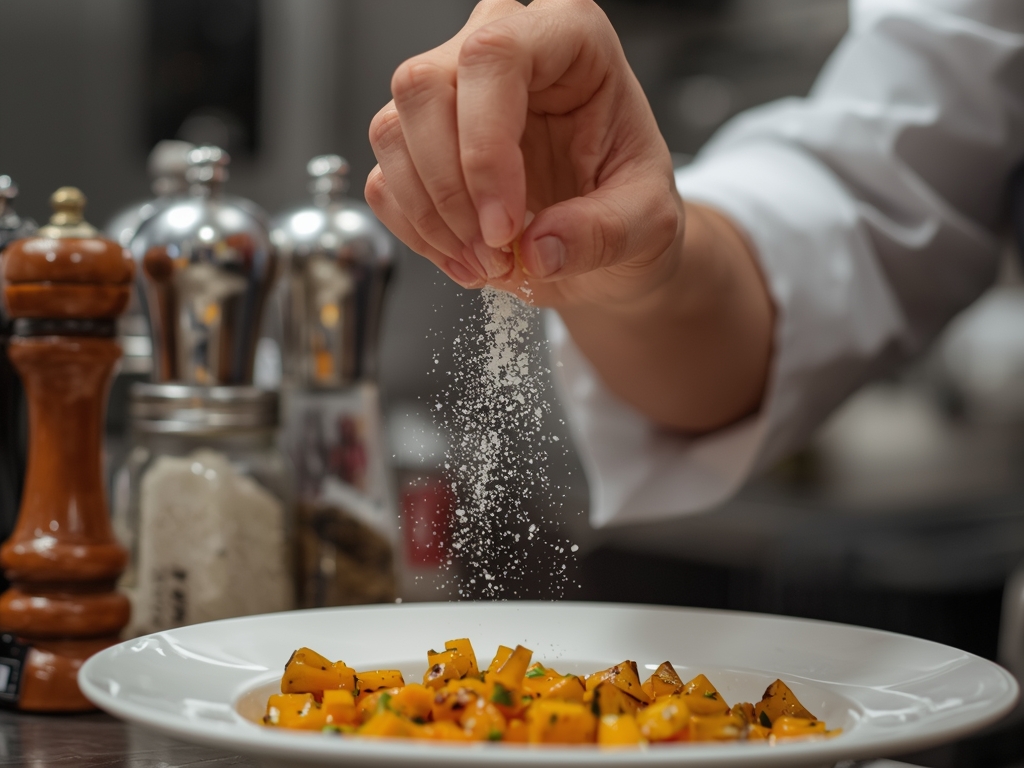
While the potato hack is a lifesaver, prevention is always better than cure. Here are some tips to avoid over-salting in the first place:
- Taste as You Go: Always taste your dish before adding more salt. It’s easier to add than to take away.
- Use Low-Sodium Ingredients: Opt for low-sodium broths, canned goods, and condiments to keep salt levels in check.
- Salt in Layers: Instead of adding all the salt at once, season in stages, especially when cooking dishes with long simmering times.
- Know Your Salt: Different types of salt have varying levels of salinity. Familiarize yourself with the salt you’re using to avoid over-seasoning.
FAQ: Your Burning Questions Answered
Can I use sweet potatoes instead of regular potatoes?
While sweet potatoes can absorb some salt, they’re not as effective as starchy potatoes due to their higher sugar and moisture content. Stick to Russets or Idaho potatoes for best results.
How long can I store leftovers after using the potato hack?
The potato hack doesn’t affect the storage life of your leftovers. Follow standard food safety guidelines: refrigerate within 2 hours, consume within 3-4 days, or freeze for longer storage.
Can I eat the potatoes after they’ve absorbed the salt?
It’s not recommended. The potatoes will be extremely salty and may not taste pleasant. Discard them after use, or compost them if possible.
What if my dish is still too salty after using the potato hack?
If your dish is still overly salty, try adding a bit of acid (like lemon juice or vinegar) to balance the flavor. You can also dilute it with unsalted broth or water, but be mindful of texture changes.
Can I use instant mashed potatoes for this hack?
Instant mashed potatoes won’t work as effectively as fresh potatoes, as they often contain added salt and lack the starch needed to absorb excess salt. Stick to fresh, starchy potatoes for the best results.

Lina leads the Fresh Hacks category, covering food storage tips, freshness preservation, and smart ways to extend the life of your groceries. Her guides help readers keep ingredients at peak quality for longer.

← Previous
Cooked Seafood Shelf Life: A Visual Freshness Guide
Next →
Freeze Leftover Tomato Paste: No More Mold, All Flavor