Follow Me On Social Media!

A Squash to Remember: Unlocking Butternut’s Versatility
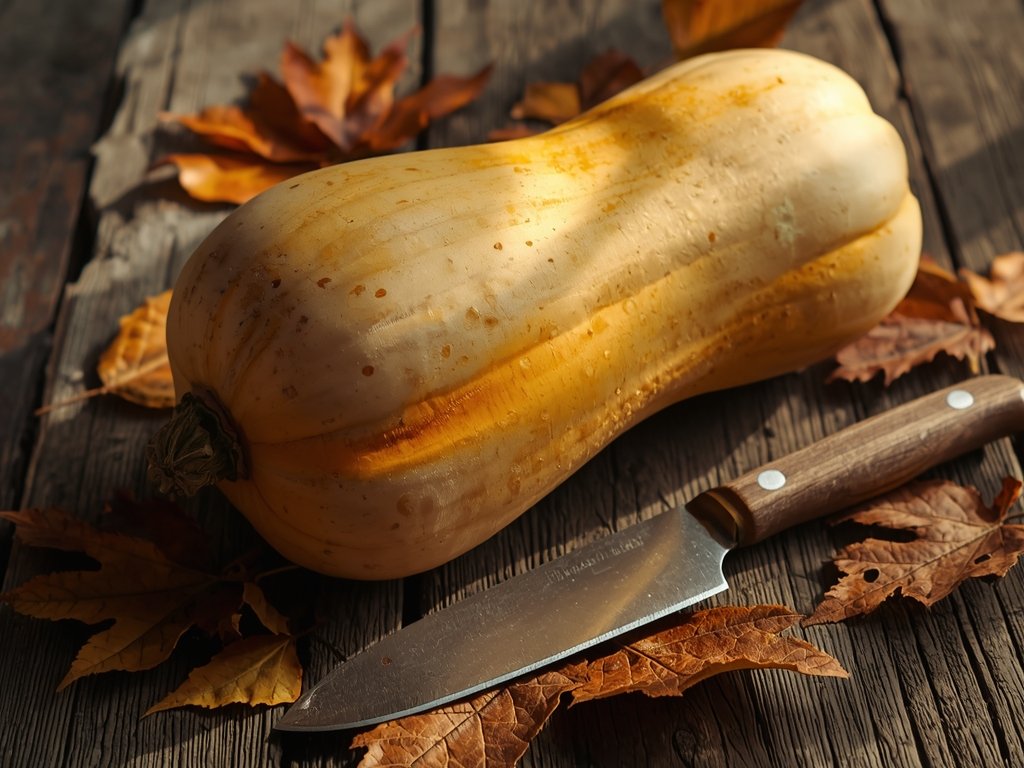
As the leaves turn and the air crisps, butternut squash steps into the spotlight. Its sweet, nutty flesh transforms from a simple side to a star ingredient. This unassuming gourd holds the key to countless autumnal delights, from crispy cubes to silky soups.
But unlocking its full potential requires more than a basic roast. It’s about understanding the nuances of this winter squash, from its unique texture to its natural affinity for certain spices. Get ready to elevate your butternut game and discover why this squash deserves a permanent place in your fall recipe rotation.
The Anatomy of a Perfect Cube: Roasting Butternut Squash
Choosing the Right Squash
Not all butternut squash are created equal. Look for specimens with a deep tan color and a firm, heavy feel. Avoid those with soft spots or excessive green patches, as they may be underripe or damaged.
The ideal squash for roasting has a long, slender neck – this part contains less seeds and more usable flesh. A heavier squash also indicates a thicker flesh-to-seed ratio, meaning more bang for your buck.
Mastering the Cut
Cubing butternut squash can feel like a battle, but a few tricks make it manageable. Start by slicing off both ends, then stand the squash upright and carefully peel the skin using a sharp vegetable peeler or a sturdy chef’s knife.
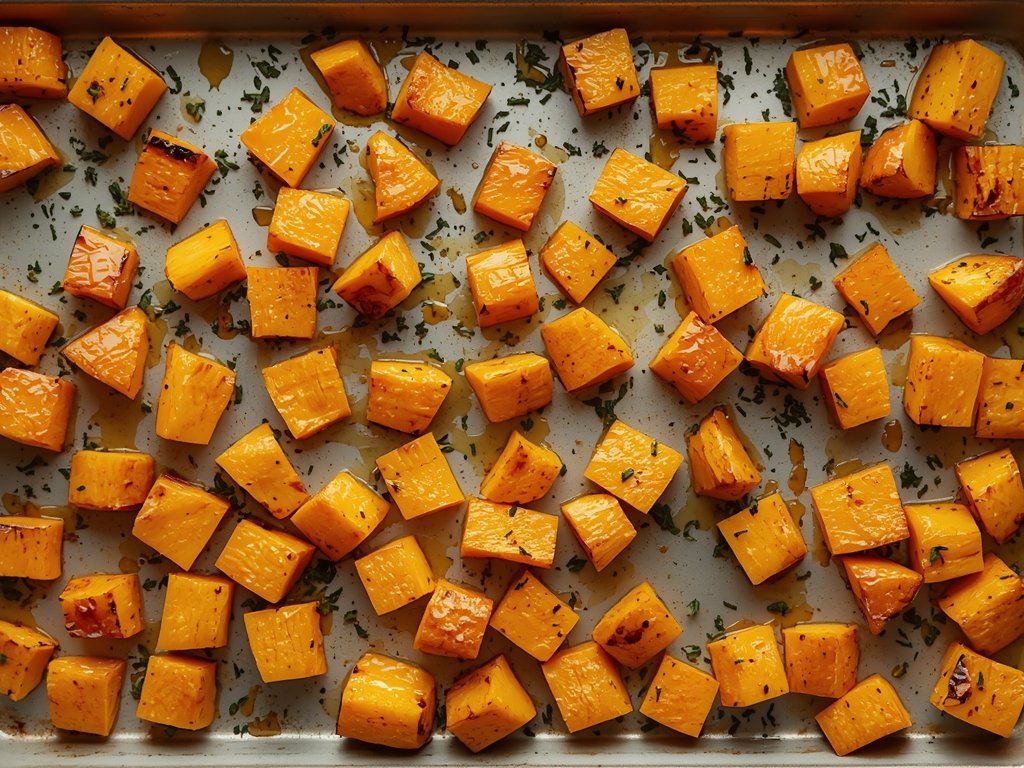
Cut the squash in half lengthwise and scoop out the seeds with a spoon. For even cooking, aim for ¾-inch cubes – large enough to maintain texture, but small enough to cook through without burning.
The Secret to Crispy Edges
Achieving that perfect balance of crispy exterior and tender interior is all about moisture management. After cutting, toss the cubes in a bowl with a generous drizzle of olive oil, ensuring each piece is well-coated.
Spread them on a baking sheet in a single layer – overcrowding leads to steaming instead of roasting. A sprinkle of salt not only seasons the squash but also helps draw out excess moisture, promoting caramelization.
From Side to Center Stage: Creative Cube Applications
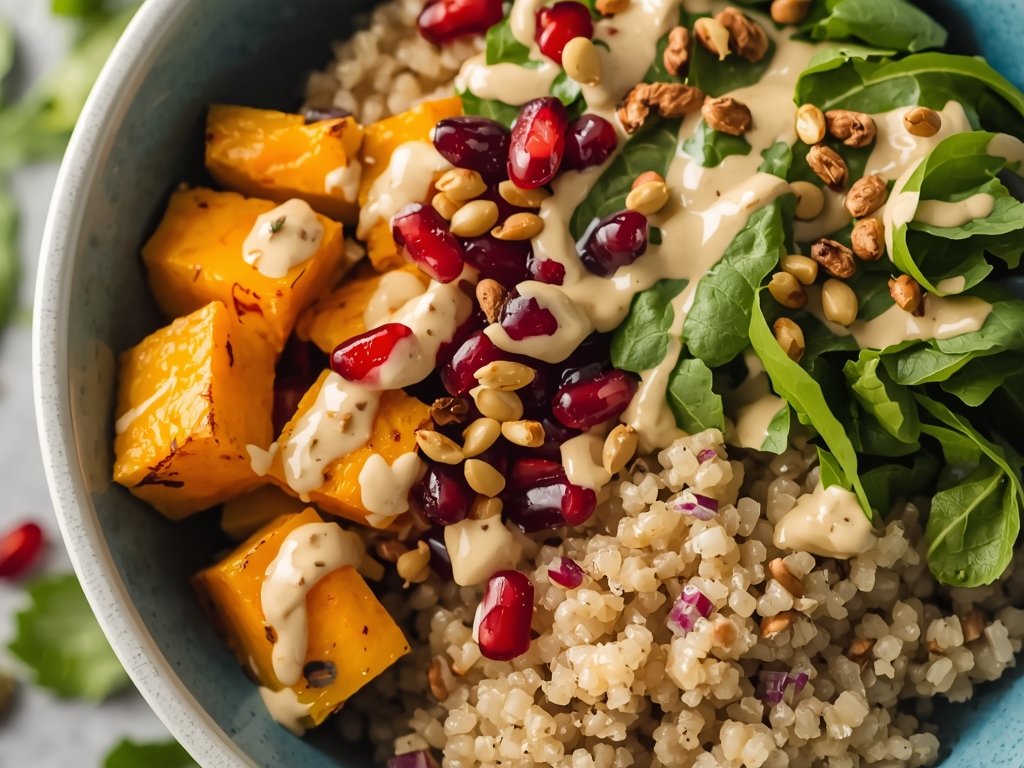
Roasted butternut squash cubes are a versatile ingredient that can elevate any dish. Their natural sweetness and tender texture make them a perfect addition to both sweet and savory recipes.
Try tossing them into grain bowls for a pop of color and flavor, or use them as a topping for salads and soups. They also make a great side dish on their own, paired with a variety of proteins and sauces.
Sweet Meets Savory
The natural sweetness of butternut squash makes it a perfect candidate for sweet and savory combinations. Try pairing roasted cubes with tangy cheeses like goat cheese or feta, or toss them with a balsamic glaze for a sweet and tangy twist.
For a more indulgent treat, use roasted squash cubes as a topping for pancakes or waffles, or fold them into a warm oatmeal bowl with a drizzle of maple syrup and a sprinkle of cinnamon.
Global Flavor Inspirations
Butternut squash’s mild flavor profile makes it a great canvas for global spices. Try tossing roasted cubes with a harissa yogurt sauce for a Moroccan twist, or sprinkle them with garam masala and cilantro for an Indian-inspired dish.
For a Mediterranean flair, pair squash cubes with olives, feta, and a lemon-tahini dressing. Or, take a trip to Mexico by combining them with black beans, corn, and a spicy chili sauce.
Soup’s On: Crafting the Ultimate Butternut Bisque
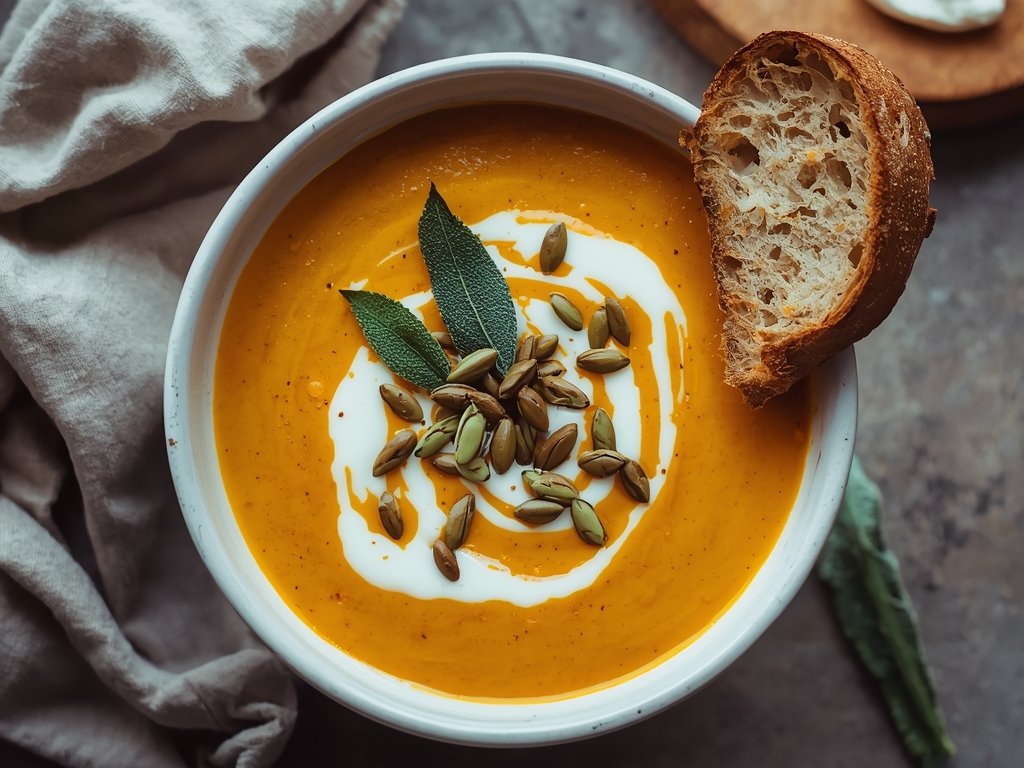
When it comes to butternut squash soup, the goal is a silky smooth texture and a depth of flavor that lingers. This starts with building a robust flavor base and ends with a careful blending process.
The key to a great soup is patience – allowing the ingredients to caramelize and the flavors to meld together. Don’t rush the process, and you’ll be rewarded with a soup that’s both comforting and sophisticated.
Building Flavor Layers
Start by sautéing aromatics like onions, garlic, and ginger in butter or olive oil. This creates a flavor foundation that enhances the squash’s natural sweetness. Add a touch of spice, like nutmeg or smoked paprika, to add depth.
For an extra layer of flavor, try roasting the squash before adding it to the soup. This caramelizes the natural sugars and adds a smoky note. You can also add a splash of apple cider or white wine to deglaze the pan and capture all the flavorful bits.
Texture Perfection
The secret to a velvety smooth soup is a combination of blending and straining. After cooking, use an immersion blender to puree the soup until smooth. For an even silkier texture, pass the soup through a fine-mesh strainer or food mill.
If the soup is too thick, thin it with a bit of broth or cream. For a richer soup, stir in a splash of heavy cream or coconut milk at the end. Taste and adjust the seasoning, adding a squeeze of lemon juice or a pinch of salt to brighten the flavors.
Garnish Game: Elevating Your Squash Creations

The right garnish can take your butternut squash dishes from good to great. It’s an opportunity to add texture, color, and flavor contrasts that enhance the overall experience.
Think beyond the basics – while a sprinkle of parsley is classic, there are so many more creative options to explore. From crispy toppings to flavorful oils, the possibilities are endless.
Crunch Factor
Adding a crunchy element to your squash dishes creates a satisfying textural contrast. Try topping your soup with crispy fried shallots or garlic chips, or sprinkle roasted cubes with toasted nuts or seeds.
For a sweeter crunch, add a sprinkle of granola or a handful of pomegranate seeds. You can also make your own crispy toppings by tossing breadcrumbs or panko with butter and spices, then toasting them in the oven.
Flavor Accents
Garnishes are also a great way to add flavor accents that complement the squash. A drizzle of flavored oil, like chili or truffle oil, can add a spicy or earthy note. A squeeze of citrus juice or a sprinkle of zest can brighten the flavors.
Fresh herbs are another great option – try adding a sprig of thyme or a few leaves of sage to your soup, or sprinkle roasted cubes with chopped cilantro or parsley. You can also add a dollop of yogurt or crème fraîche for a tangy contrast.
FAQ
Can I roast butternut squash ahead of time?
Yes, roasted butternut squash can be stored in an airtight container in the refrigerator for up to 4 days. Reheat in a 350°F oven for 10-15 minutes before serving.
How do I prevent butternut squash soup from separating?
To prevent separation, avoid over-blending the soup and don’t let it boil after adding dairy. If separation occurs, simply stir in a tablespoon of butter or cream and blend again.
Can I freeze butternut squash soup?
Yes, butternut squash soup freezes well. Let it cool completely, then store in freezer-safe containers, leaving 1 inch of headspace. Freeze for up to 3 months. Thaw in the refrigerator overnight before reheating.
What’s the best way to cut a butternut squash?
Start by slicing off both ends, then stand the squash upright and carefully peel the skin. Cut the squash in half lengthwise and scoop out the seeds. For cubes, cut the squash into ¾-inch pieces, making sure to cut through the tough fibers.
How do I know when butternut squash is ripe?
A ripe butternut squash should feel heavy for its size and have a hard, deep tan skin. Avoid squash with soft spots or excessive green patches, as they may be underripe or damaged.

Sofia writes for the Smart Prep category, covering meal planning strategies, batch cooking techniques, and weekly prep guides. Her articles help busy families organize their cooking to save time and money.

← Previous
Batch-Cooked Black Beans: Versatile Recipes for Every Meal
Next →
Marinated Tofu Block: Sunday Prep, Weekday Pan-Fry Magic