Follow Me On Social Media!

From Rice to Cake: A Sweet Kitchen Adventure
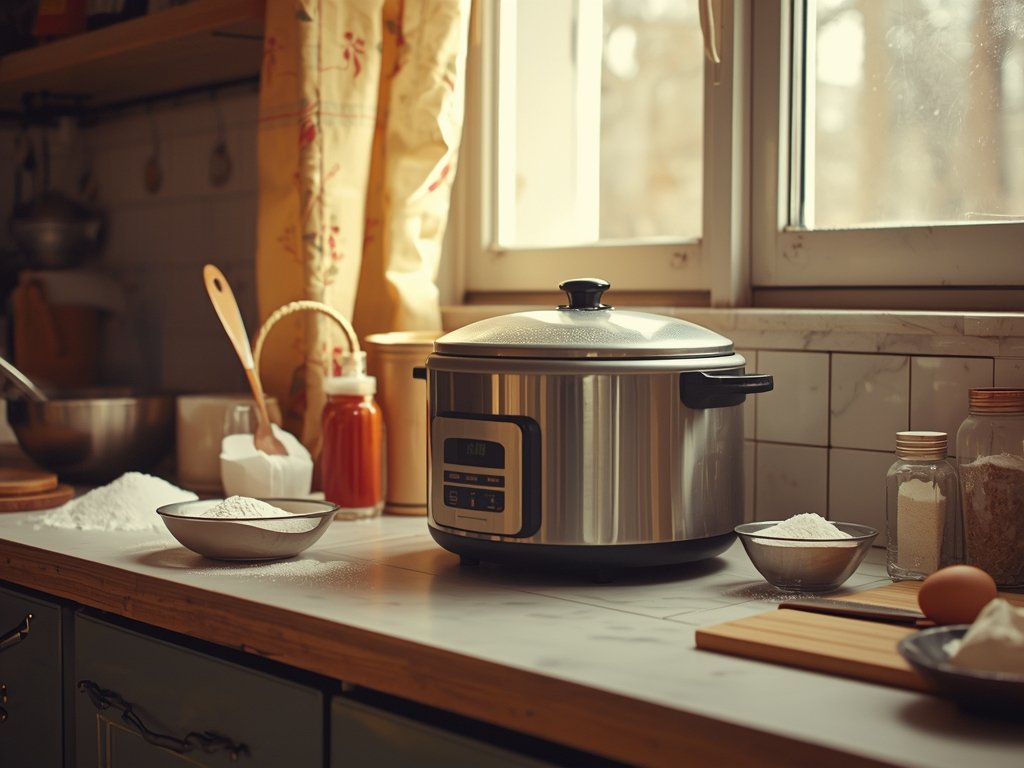
Imagine transforming your trusty rice cooker into a cake-baking powerhouse. It’s time to rethink this kitchen staple, which is often relegated to the sidelines for its single-use reputation. With a bit of creativity, you can whip up fluffy, mouthwatering desserts that’ll have your friends and family asking for seconds.
The rice cooker cake trend has been simmering in the US, blending the convenience of modern appliances with the nostalgia of homemade treats. It’s the perfect marriage of cultures, combining the efficiency of Asian cooking techniques with the sweet tooth of American desserts.
Why Rice Cookers are the Secret Weapon for Cake Lovers

Even Heat Distribution
Rice cookers are designed to distribute heat evenly, ensuring your cake bakes uniformly. No more worrying about hot spots or undercooked centers. This consistent heat creates a tender crumb that’ll make your cake stand out.
No Oven Required
For those living in small apartments or dorms, a rice cooker cake is a game-changer. You don’t need a full-sized oven to indulge in homemade desserts. It’s also an excellent option for hot summer days when you’d rather not heat up your kitchen.
Set-it-and-Forget-it Convenience
Simply add your batter, close the lid, and let the rice cooker work its magic. No need to monitor the baking process or worry about timing. It’s the ultimate hands-off approach to cake-making, freeing you up to tackle other tasks or just relax.
Mastering the Art of Rice Cooker Cake Baking

Choosing the Right Rice Cooker
Not all rice cookers are created equal. For best results, opt for a model with a ‘cake’ setting or adjustable temperature controls. This allows you to fine-tune the baking process, ensuring your cake rises perfectly and develops a golden crust.
Preparing Your Rice Cooker
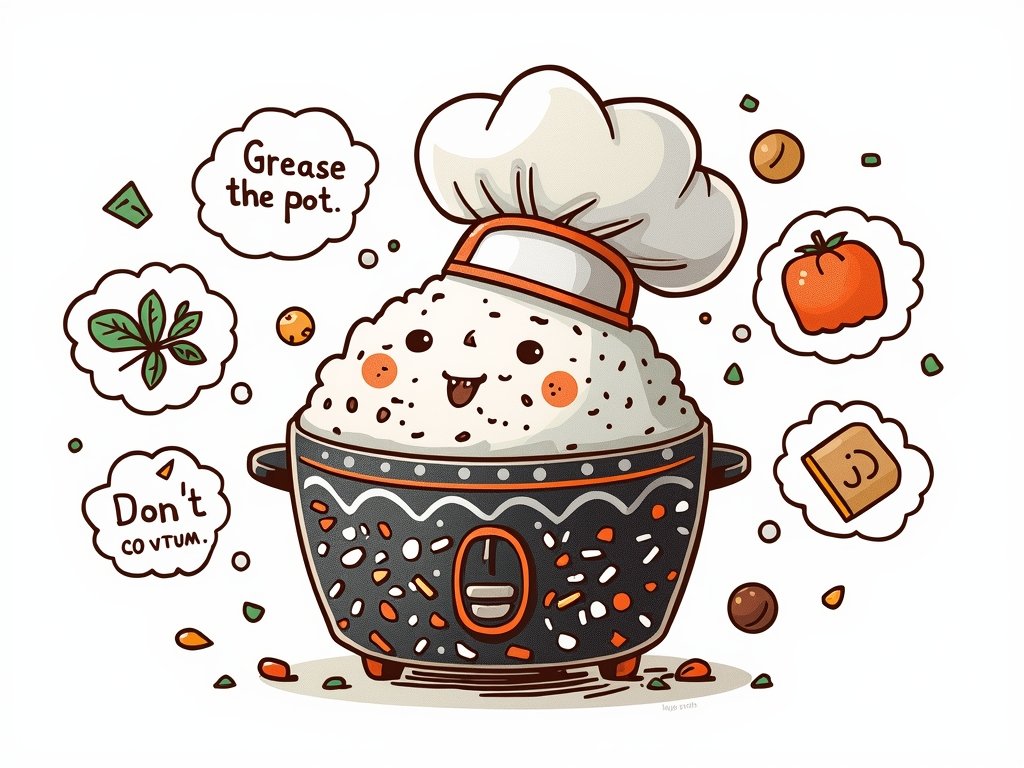
Before pouring in your batter, grease the inner pot with butter or non-stick spray. You can also line the bottom with parchment paper for easy removal. This simple step prevents sticking and makes cleanup a breeze.
Adapting Recipes for the Rice Cooker
Most cake recipes can be adapted for the rice cooker with a few tweaks. Reduce the liquid slightly, as the closed environment creates steam. You might also need to adjust baking times, as rice cookers can vary in temperature and efficiency.
Classic Rice Cooker Cake Recipes to Try

Chocolate Indulgence
Satisfy your chocolate cravings with a rich, fudgy cake. Combine cocoa powder, flour, sugar, eggs, and melted butter for a decadent treat. Add a handful of chocolate chips for an extra gooey surprise. Serve warm with a scoop of vanilla ice cream for the ultimate comfort dessert.
Vanilla Bean Dream
This light and airy cake is perfect for showcasing fresh, seasonal fruits. Infuse your batter with vanilla beans for a delicate flavor. Top with sliced strawberries, blueberries, or a dusting of powdered sugar. It’s an elegant dessert that’s deceptively simple to make.
Apple Cinnamon Delight
Celebrate the flavors of fall with a warm apple cake. Fold diced apples and a sprinkle of cinnamon into your batter for a cozy treat. Serve with a dollop of whipped cream or a scoop of caramel sauce. It’s the perfect way to use up those orchard-fresh apples.
Tips and Tricks for Rice Cooker Cake Success
Avoid the Peeking Temptation
Resist the urge to lift the lid during baking. Each time you peek, you release precious heat and steam, which can affect the cake’s rise and texture. Trust the process and let your rice cooker do its job without interruption.
Experiment with Mix-ins
Get creative with your cake batter by adding mix-ins like chocolate chips, nuts, or dried fruits. You can also swirl in a ribbon of jam or peanut butter for a surprise flavor burst. Just be mindful of the added moisture and adjust your recipe accordingly.
Let it Rest Before Slicing
Once your cake is baked, let it rest in the rice cooker for 5-10 minutes. This allows the steam to dissipate and the cake to set, making it easier to remove and slice. Rushing this step can result in a crumbly mess, so patience is key.
FAQ
Can I use any rice cooker for baking cakes?
While most rice cookers can be used for baking, models with a ‘cake’ setting or adjustable temperature controls offer the best results. These features allow for more precise baking, ensuring your cake rises and cooks evenly.
How do I know when my rice cooker cake is done?
Insert a toothpick or skewer into the center of the cake. If it comes out clean, your cake is ready. You can also gently press the top; if it springs back, it’s done. Keep in mind that rice cookers can vary, so it’s essential to keep an eye on your cake, especially the first time you bake.
Can I make gluten-free or vegan rice cooker cakes?
Absolutely! Rice cooker cakes are incredibly versatile. You can easily adapt recipes to be gluten-free by using alternative flours like almond or rice flour. For vegan cakes, substitute eggs with flax eggs or applesauce, and use plant-based milk and butter alternatives.
What’s the best way to store rice cooker cakes?
Allow your cake to cool completely before storing. Wrap it tightly in plastic wrap or store it in an airtight container at room temperature for up to 3 days. For longer storage, refrigerate for up to a week or freeze for up to 3 months. Thaw frozen cake slices at room temperature before enjoying.
Can I use my rice cooker for other desserts besides cake?
Definitely! Your rice cooker can be used to make a variety of desserts, including puddings, cobblers, and even bread pudding. The even heat distribution and closed environment make it ideal for creating creamy, comforting desserts with minimal effort.

David handles the Kitchen Gear category, reviewing tools, equipment, and accessories that make cooking and food storage easier. His articles focus on practical recommendations for everyday home cooks.
← Previous
Kitchen Shears Mastery: Cut Chicken Like a Pro
Next →
Remove Rainbow Stains from Stainless Steel Without Scratching