Follow Me On Social Media!

The Art of Bread Revival: A Splash of Water Magic
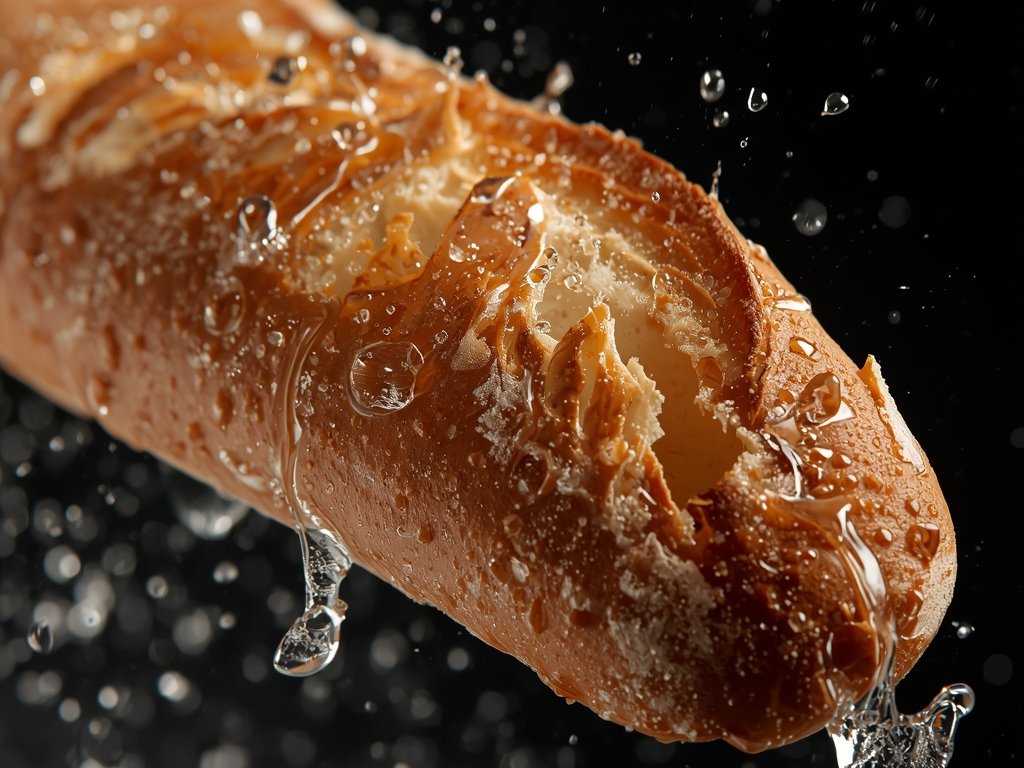
Ever found yourself with a loaf of bread that’s lost its charm, feeling more like a brick than a bakery delight? Fear not, fellow food enthusiasts! The “Water Splash” method is here to rescue your stale bread and bring it back to life. This simple yet effective technique will have you enjoying fresh-tasting bread in no time, without the need for a time machine or a trip to the local bakery.
Why Bread Goes Stale: A Quick Science Lesson

Before we dive into the revival process, let’s understand why bread decides to go stale on us. Staling is a natural process where the starch molecules in bread recrystallize, causing the bread to lose moisture and become dry and hard. This typically happens within a day or two, especially in low-humidity environments.
In the United States, where many households enjoy a variety of breads, from the classic American sandwich loaf to artisanal sourdoughs, staling is a common issue. But with the right knowledge, you can keep your bread fresh for longer or bring it back from the brink of staleness.
The Water Splash Method: A Simple Solution
What You’ll Need
- Stale Bread: The star of the show, whether it’s a baguette, ciabatta, or your favorite sandwich bread.
- Water: Tap water will do just fine.
- Oven: Preheated to a toasty 350°F (175°C).
Step-by-Step Revival
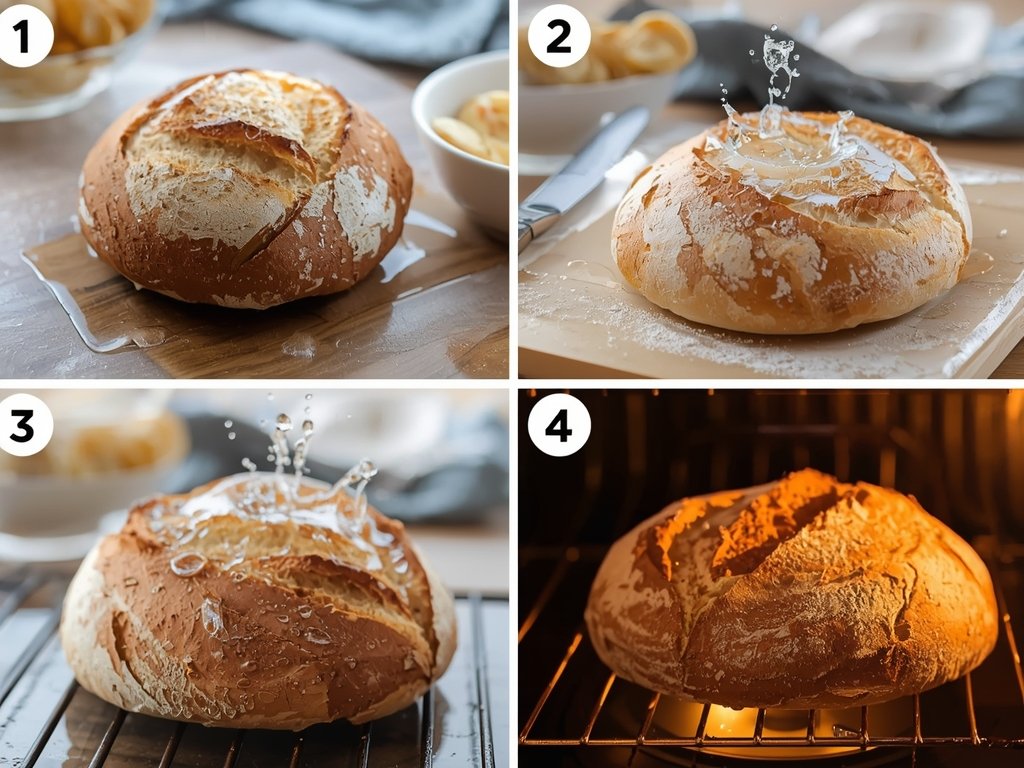
- Splash and Dash: Take your stale bread and give it a quick bath under the faucet. A light splash of water on the crust is all it takes. Think of it as a refreshing shower for your bread.
- Oven Time: Place the damp bread directly on the oven rack. No need for a baking sheet here. Let it bake for about 5-10 minutes, depending on the size of the loaf.
- Crispy Perfection: Keep an eye on your bread as it transforms. The steam created by the water will help rehydrate the starch molecules, while the dry heat of the oven will crisp up the crust. You’ll know it’s ready when the crust is golden and sounds hollow when tapped.
Tips and Tricks for Bread Revival Masters

Now that you’ve mastered the basics, let’s explore some tips to elevate your bread revival game:
- Timing is Key: Don’t overdo the water splash. A light misting is enough; you don’t want to drown your bread. Similarly, keep an eye on the oven time to avoid burning.
- Experiment with Varieties: Different breads respond slightly differently. A dense sourdough might need a few extra minutes, while a delicate brioche should be watched closely.
- Add a Flavor Twist: Before splashing, try brushing the crust with butter or olive oil for a rich, flavorful finish. A sprinkle of herbs or garlic powder can also take your revived bread to the next level.
Beyond the Splash: Other Bread Revival Techniques
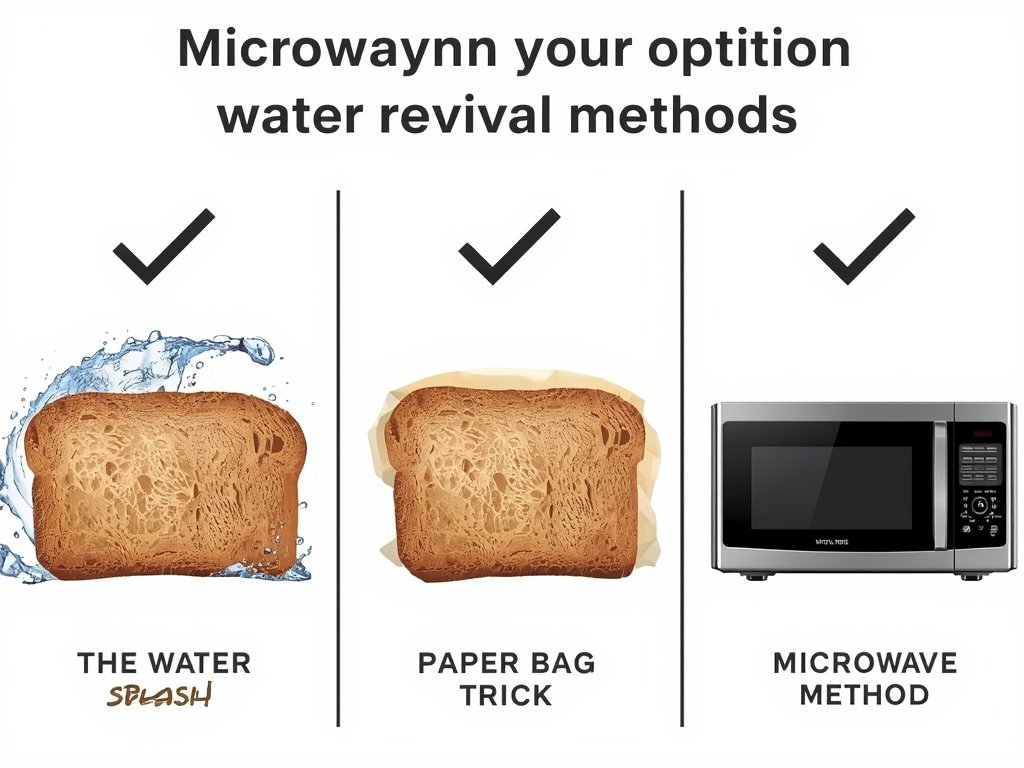
While the water splash method is a quick and effective solution, there are other ways to revive stale bread, each with its own merits:
- Paper Bag Trick: Place your stale bread in a paper bag and fold the top closed. The bag will help retain moisture, slowly reviving the bread over a few hours.
- Microwave Magic: For a quick fix, wrap your bread in a damp paper towel and microwave for 10-15 seconds. Be cautious, as overdoing it can make the bread tough.
- Toaster Oven Revival: Similar to the water splash method, but using a toaster oven. This is great for smaller items like bagels or English muffins.
FAQ: Your Bread Revival Queries Answered
Can I use this method for any type of bread?
Absolutely! The water splash method works wonders on most bread types, from crusty artisanal loaves to softer sandwich breads. Just adjust the oven time accordingly.
How long does the revived bread stay fresh?
The revived bread should stay fresh for a day or two, depending on the humidity and storage conditions. For longer-lasting freshness, consider storing it in a bread box or a paper bag.
Can I freeze bread to prevent staling?
Freezing is an excellent way to preserve bread. Wrap it tightly in plastic wrap or aluminum foil, then place it in a freezer bag. When ready to use, thaw at room temperature or in the oven for a quick refresh.
What’s the best way to store bread to prevent staling?
Store bread at room temperature in a bread box or a paper bag. Avoid refrigerating, as this can accelerate staling. For longer storage, freezing is the best option.
Can I use the water splash method for pastries or cakes?
This method is best suited for bread. Pastries and cakes have different textures and moisture contents, so they may not respond as well to the water splash technique.

Lina leads the Fresh Hacks category, covering food storage tips, freshness preservation, and smart ways to extend the life of your groceries. Her guides help readers keep ingredients at peak quality for longer.

← Previous
Sourdough Storage Secrets: Bread Box or Fridge?
Next →
Freeze Pizza Sauce Safely: A Complete Guide for Leftovers