Follow Me On Social Media!

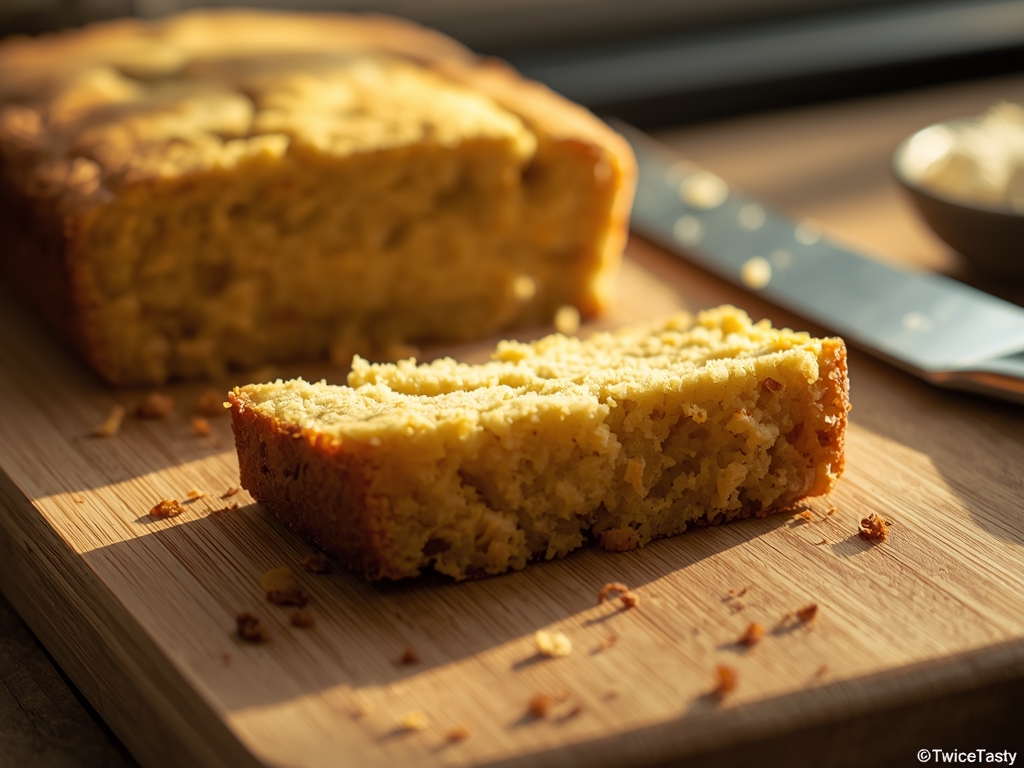
There is nothing quite as deflating as the morning after a chili night. You wake up craving that perfect accompaniment to a bowl of leftovers, only to open the bread box and find a reality check in the form of a hardened, yellow square. Yesterday, that cornbread was a golden miracle—steaming, tender, with a crust that gave way to a sweet, creamy interior. Today, sitting on the counter, it looks like it’s been curing in the desert for a week. It’s sad. It’s dry. And if you throw it in the microwave for thirty seconds, you know exactly what you’re going to get: a tough, rubbery hockey puck that sticks to the roof of your mouth.
We tend to treat cornbread like it’s disposable, but I’m here to tell you that the remnants are actually primed for a comeback, maybe even better than the first act. The issue isn’t that the cornbread has “lost” its flavor; it’s that the structure has betrayed it. The moisture has migrated, the fats have solidified, and the starch has tightened its belt. If we can gently coax that structure back into relaxation, we can reclaim that buttery crumb. It doesn’t take a culinary degree, just a little understanding of how cornmeal behaves when it thinks no one is watching.
The Science of the Stale Brick
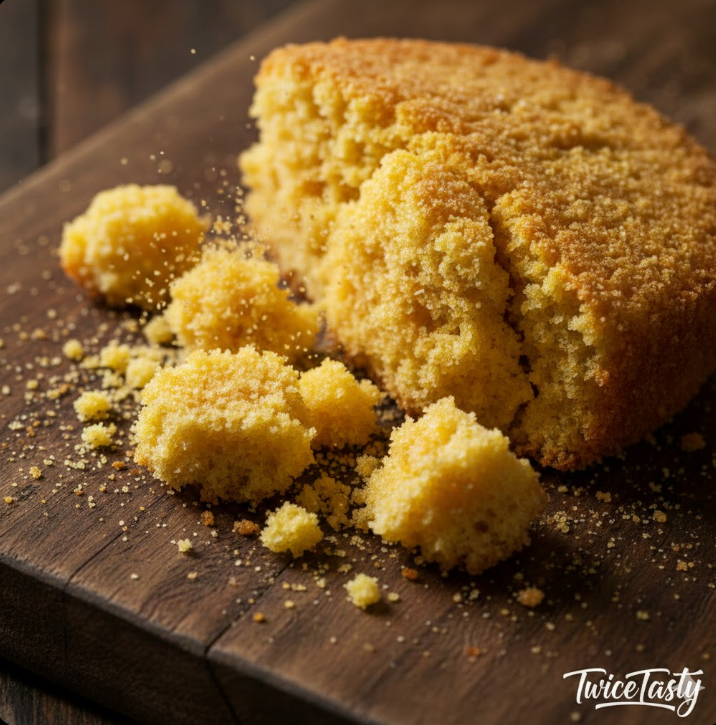
To fix the dryness, we have to look at the crime scene. Cornbread is unique because it relies heavily on cornmeal, which is coarse and thirsty, mixed with a starchy binder from the flour. When it first comes out of the oven, the starches are gelatinized—that is, they’ve swollen up with water and burst, creating that soft, cake-like texture. But as it cools, and especially as it sits in the fridge or on the counter, a process called retrogradation kicks in.
The starch molecules start to re-crystallize. They squeeze the water out, effectively wringing themselves dry like a wet sponge. That water doesn’t just disappear; it evaporates into the air or gets trapped on the surface, making the bread feel damp but somehow still dry inside. At the same time, the butter—the source of all that rich flavor—has solidified into hard little fat pockets. It’s no longer coating the crumb. The result is that sandy, gritty texture that crumbles into dust the moment you touch it.
The microwave is the worst offender here because it excites the water molecules that are left, causing them to expand and turn to steam too quickly. That steam forces its way out of the bread, tearing apart the delicate crumb structure and leaving you with a dense, chewy log. We need a method that warms the bread slowly, allowing the fats to melt and re-lubricate the cornmeal, and the starches to soften without forcing all the moisture out.
Building a Steam Tent in the Oven
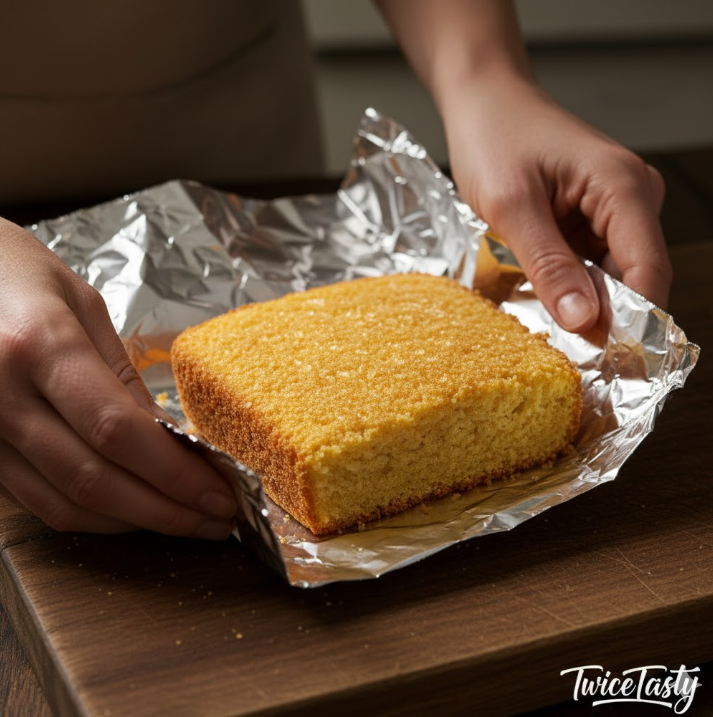
The secret weapon here isn’t a fancy gadget; it’s aluminum foil. We need to recreate the humid environment of the oven when the bread was first baking. If you just throw a slice of cornbread on a baking sheet naked, the hot air of the oven will wick away whatever remaining moisture is left, effectively toasting it into a giant crouton. That’s great for salad, bad for chili.
Take your leftover slices—it’s better to slice the whole loaf now if you haven’t already—and wrap them individually in foil. But here’s the pro move: before you seal the packet, add just a tiny splash of water. I’m talking maybe a teaspoon, literally just a few drops flicked from your fingers onto the bread or into the foil. Seal it up tight. This little bit of water, when heated, creates a 100% humidity environment inside that foil packet. It creates a mini-sauna.
As the packet heats up in the oven, that water turns to steam. The steam penetrates the dry surface of the cornbread, working its way into those recrystallized starches. The heat melts the butter pockets, letting the fat flow back through the crumb, coating the dry particles of cornmeal. The combination of heat and steam essentially “undoes” the staling process, softening the crumb and plumping it back up. It brings back that feeling of “fresh” without actually making it doughy.
Set your oven to about 350 degrees. It doesn’t need to be scorching; we want gentle warming. Place the foil packets directly on the rack or on a baking sheet. Let them hang out for about 10 to 15 minutes. You’ll start to smell that nutty, roasted corn scent filling the kitchen. That’s your cue that the butter is melting and the crust is softening.
The Moment of Unveiling
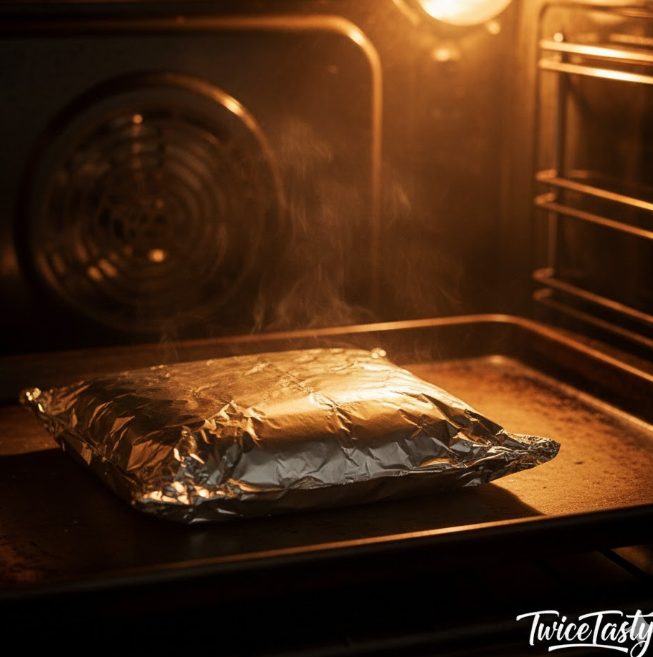
Patience is the hardest part of this step. When you pull that foil packet out, the temptation is to rip it open immediately. Don’t. Let it rest for a minute or two. The bread is continuing to steam in there, and the internal temperature is equalizing. If you tear it open too soon, you let that precious moisture escape into the kitchen air before it can be reabsorbed.
When you finally do peel back the foil, be careful. There will be hot steam. But look at what you have. The crust, which was likely rock hard, is now soft and yielding. The interior should be springy, not powdery. It should smell sweet and rich. It looks remarkably like it did yesterday, perhaps a little more compact, but definitely salvaged.
If you want to go a step further and restore a little bit of crust—because sometimes you want that contrast between the soft inside and the crispy edge—you can unwrap the foil for the last two minutes of heating. But honestly, I prefer the all-over tenderness that the full steam treatment provides. Cornbread is rarely about the crunch; it’s about the vehicle for butter and honey. And this method makes it the ultimate vehicle.
The Butter Upgrade: Going Beyond the Spread
Now that we’ve technically solved the texture problem, we need to address the flavor. Let’s be honest, leftover cornbread can sometimes taste a bit flat. The sharpness of the baking soda or baking powder can fade, and the sweetness can dull. This is where we elevate the dish from “reheated leftovers” to “I can’t believe this isn’t fresh.”
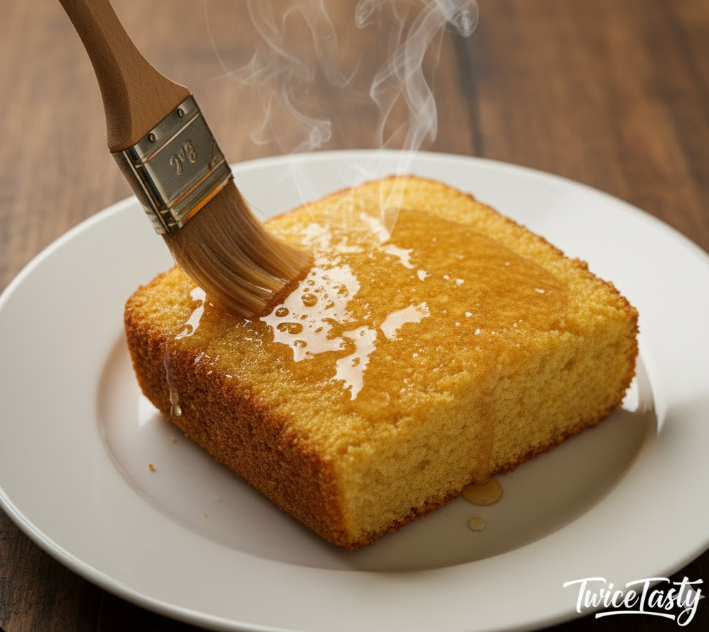
Forget spreading cold butter on a hot slice. The butter just slides off or melts into a greasy puddle. You want to make a “soak.” While the cornbread is reheating in its foil sauna, melt a stick of good salted butter in a small saucepan. Keep it on the heat just long enough to brown the milk solids at the bottom.
You’re making brown butter. It smells like toasted nuts and caramel. Once it’s a rich amber color, pull it off the heat and maybe whisk in a tablespoon of honey. Now, take that hot, steamed cornbread out of the foil. Place it on a plate and brush—yes, brush—this brown butter honey mixture all over the surface.
Because the cornbread is hot and the crumb is open and hydrated from the steaming process, it will drink that fat and sugar right up. The butter will penetrate deep into the slice, seasoning the crumb from the inside out rather than just sitting on top. The salt from the butter wakes up the corn flavor, and the honey adds a glossy shine that makes it look restaurant-quality. It’s a simple step, but it transforms the chemistry. You’re adding fat and sugar back into a structure that was dehydrated, effectively “basting” the bread back to life.
Suddenly, that sad, dry square is a luxurious dessert-bread hybrid. It’s soft, it’s soaked in nutty butter, and it’s ready to be dipped into a pot of beans or eaten standing up at the counter. You didn’t just save the leftovers; you upgraded them.

Marco covers the Reheat Pro category on TwiceTasty, focusing on reheating techniques and texture preservation. His articles help home cooks bring leftovers back to life with the right methods for every type of food — from crispy fried chicken to creamy pastas.

← Previous
How to Reheat Panda Express Orange Chicken Like a Pro
Next →
How to Reheat Leftover Paella Without Drying Out the Seafood