Follow Me On Social Media!

The Great Gravy Rescue: From Lumpy to Luscious

We’ve all been there—you’re in the final stretch of holiday prep, and your gravy decides to turn into a lumpy mess. Don’t panic! Whether it’s Thanksgiving, Sunday dinner, or just a cozy night in, rescuing your gravy is easier than you think. With a few simple tricks, you’ll have a smooth, velvety sauce that’ll make your mashed potatoes proud.
Why Gravy Goes Lumpy: The Science Behind the Mess
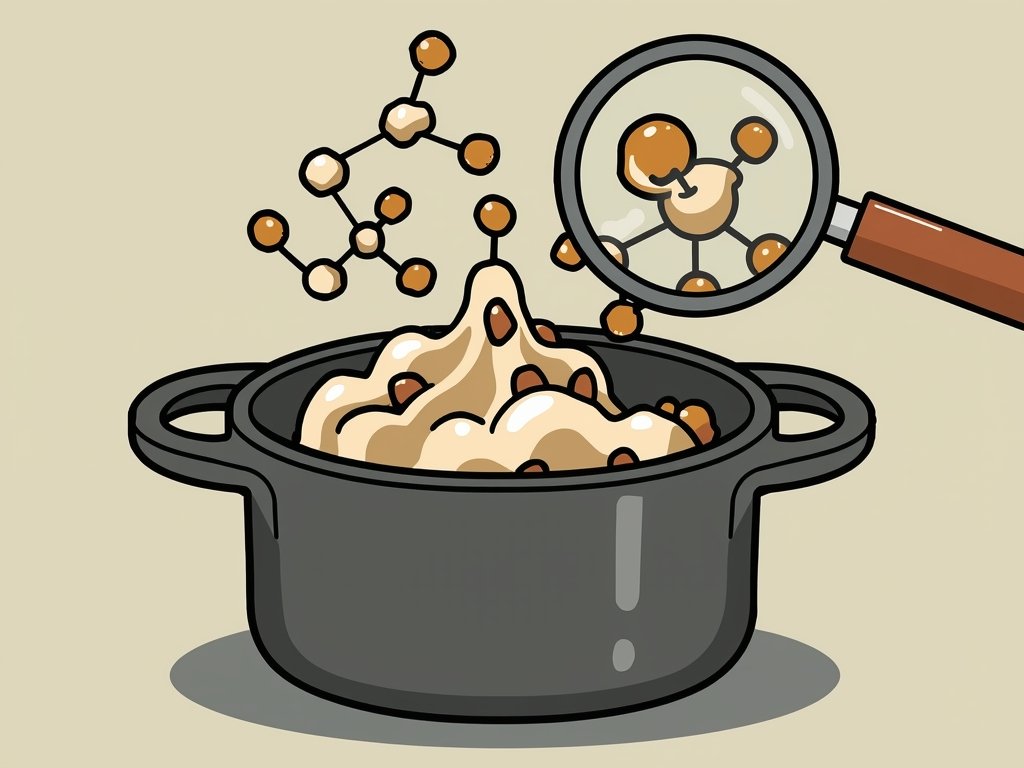
Gravy lumps usually happen when starch molecules in the flour or cornstarch clump together instead of dispersing evenly. This can be caused by adding thickener too quickly, using cold liquid, or not whisking thoroughly. Think of it like trying to mix sand into water—without the right technique, it’ll just sink and clump.
Another culprit? Overheating. Gravy is delicate, and boiling it too hard can cause the starch to break down, resulting in a grainy texture. It’s like overcooking mac and cheese—nobody wants that.
The Whisking Revival: Your First Line of Defense
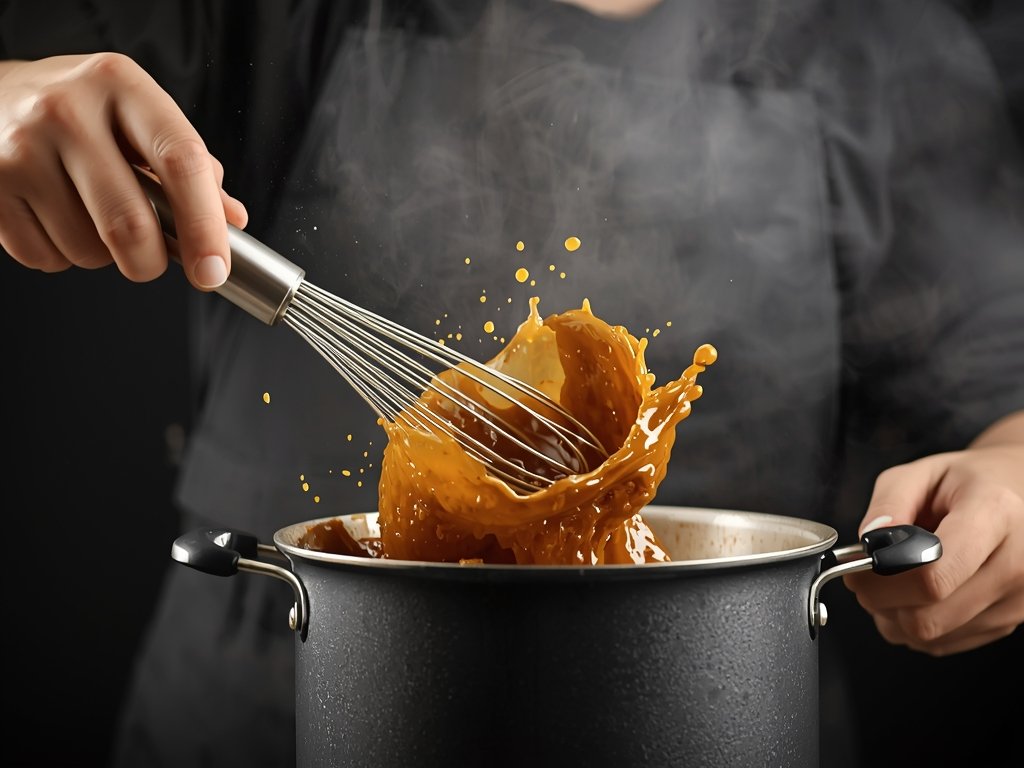
Grab Your Whisk and Get Moving
The simplest way to fix lumpy gravy is to whisk it like your life depends on it. Use a balloon whisk or a fork if that’s all you’ve got. The goal is to break up those lumps and incorporate air for a smoother consistency.
If your gravy’s still stubborn, strain it through a fine-mesh sieve or cheesecloth. This’ll catch any remaining lumps, leaving you with a silky sauce. It’s like giving your gravy a spa day.
The Blender Blitz: High-Tech Gravy Rescue
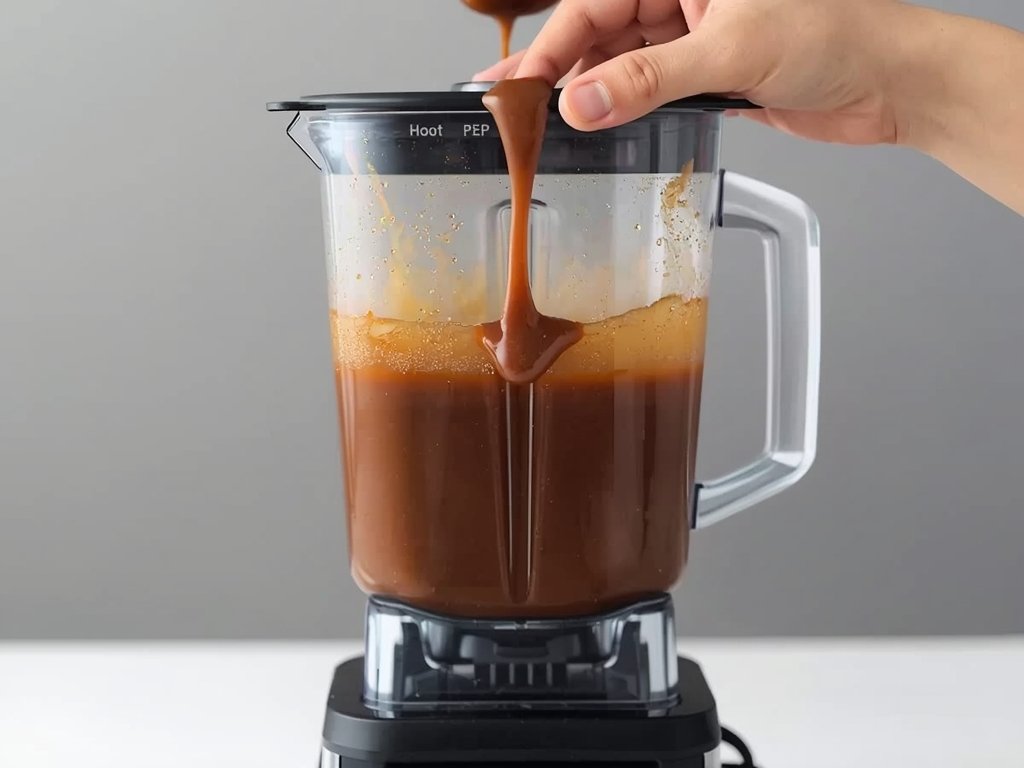
When Whisking Isn’t Enough
For seriously lumpy gravy, break out the blender or immersion blender. Pour your gravy into the blender, pulse until smooth, and then return it to the pot. This method’s foolproof—just be careful not to overblend, or you’ll end up with gravy foam.
If you’re using an immersion blender, keep it submerged to avoid splatters. It’s like giving your gravy a quick makeover, no appointment necessary.
The Roux Reboot: Rebuilding from the Ground Up
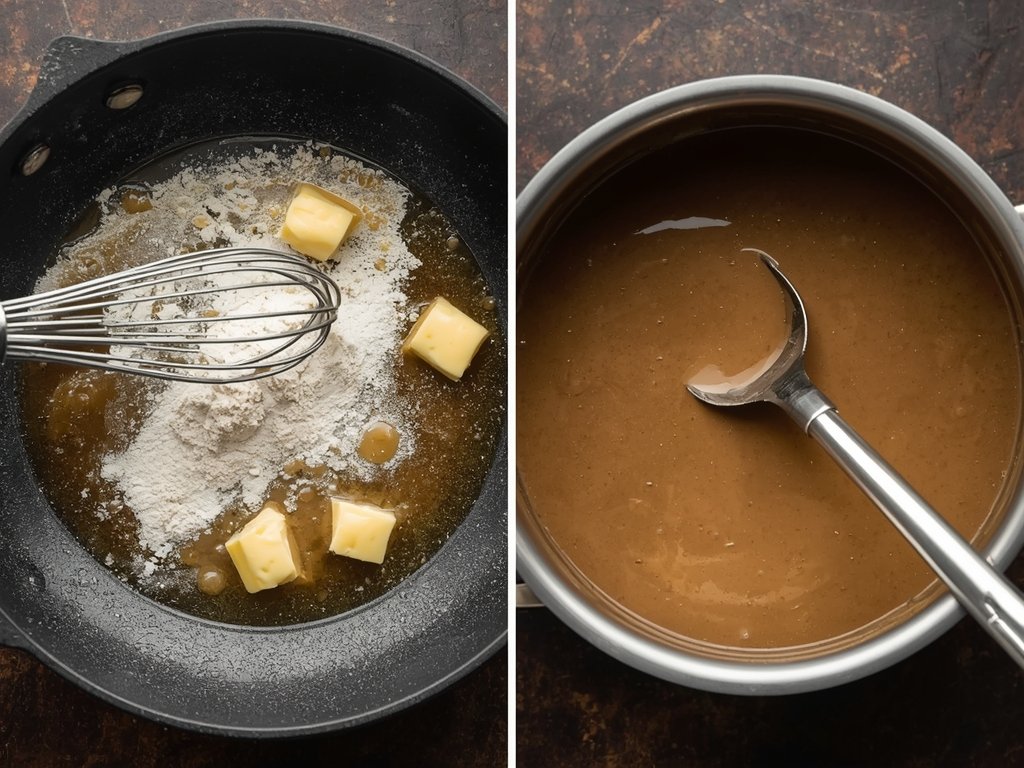
Start Fresh with a New Base
If your gravy’s beyond saving, make a fresh roux and slowly whisk in the lumpy gravy. Melt butter in a pan, add equal parts flour, and cook until golden. Gradually add your problematic gravy, whisking constantly. This’ll redistribute the starch and smooth out the texture.
Think of it as giving your gravy a second chance—it’s like a do-over in the kitchen. Just take it slow, and you’ll end up with a sauce that’s smoother than a Southern drawl.
Preventing Lumps: Tips for Gravy Perfection

Pro Tips for Lump-Free Gravy Every Time
To avoid lumps in the first place, always mix your thickener with cold liquid before adding it to the gravy. This creates a slurry that’ll blend seamlessly. It’s like pre-mixing your pancake batter—nobody wants lumpy pancakes, right?
Keep the heat low and stir constantly as your gravy thickens. Patience is key—rushing it will only lead to lumps. And if you’re using drippings from a roast, strain them first to remove any bits that could cause clumping.
FAQ: Gravy Troubleshooting Answered
Can I fix lumpy gravy without a whisk?
Yes! Use a fork or even a spoon to break up lumps. If all else fails, strain the gravy through a sieve for a smooth finish.
Why does my gravy get lumpy when reheated?
Reheating can cause starch molecules to clump. Gently warm the gravy over low heat, stirring constantly, and add a splash of broth if it’s too thick.
Can I use cornstarch instead of flour for gravy?
Absolutely! Mix cornstarch with cold water to make a slurry, then stir it into the gravy. It’ll give your sauce a glossy finish, perfect for special occasions.
How do I store leftover gravy?
Let it cool, then store it in an airtight container in the fridge for up to 4 days. Reheat gently on the stove, adding a little liquid if needed.
What if my gravy is too thin?
Whisk in a small amount of flour or cornstarch slurry and simmer until it reaches your desired thickness. No need to start over!

Marco covers the Reheat Pro category on TwiceTasty, focusing on reheating techniques and texture preservation. His articles help home cooks bring leftovers back to life with the right methods for every type of food — from crispy fried chicken to creamy pastas.

← Previous
Prevent Clumpy Pad Thai Noodles: Storage & Reheating Tips
Next →
Revive Fish & Chips: Dry Heat Oven Magic