Follow Me On Social Media!

The Soufflé’s Dramatic Fall: A Culinary Tragedy
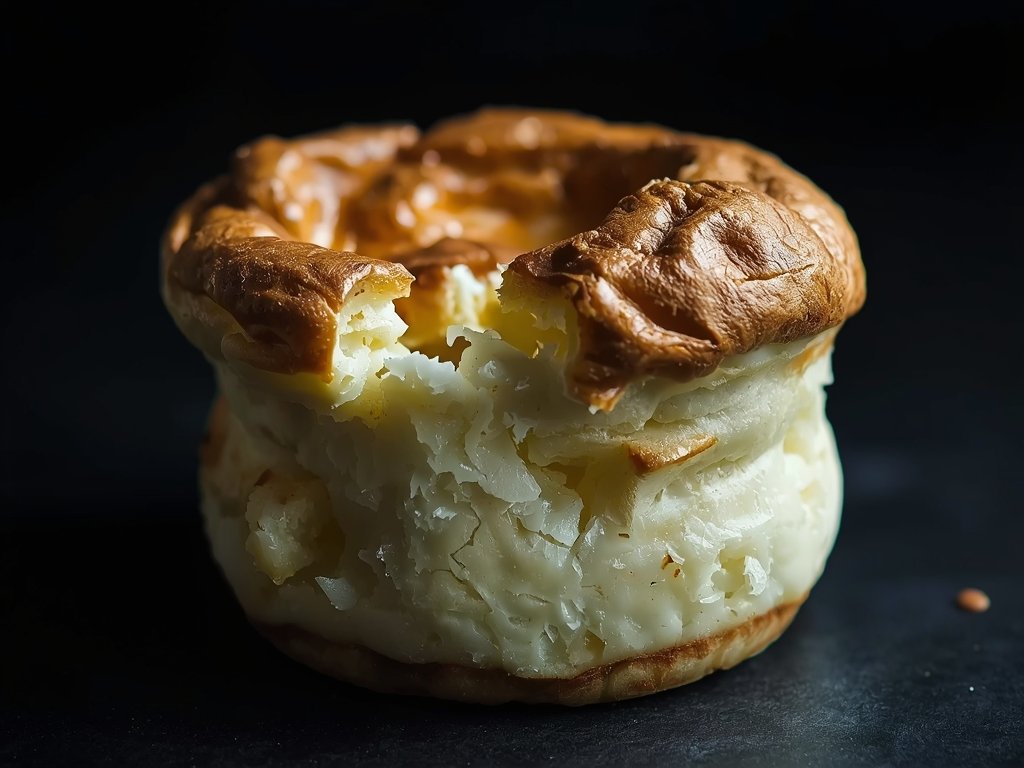
Picture this: you’ve spent hours perfecting your soufflé, whisking, folding, and baking with precision. You proudly present it at the dinner table, only to watch in horror as it collapses before your guests’ eyes. It’s a scene straight out of a culinary nightmare, one that’s haunted home cooks and professional chefs alike.
The soufflé’s dramatic fall is a rite of passage for many American home bakers, a testament to the delicate balance of air, eggs, and timing. But what happens when the unthinkable occurs? Can you salvage your sunken masterpiece, or is it destined for the trash?
The Science Behind the Fall: Why Soufflés Deflate

Before we attempt to revive our fallen friend, let’s understand why soufflés deflate in the first place. It’s a combination of chemistry and physics, a delicate dance that can be easily disrupted.
As the soufflé bakes, steam from the eggs and moisture creates air pockets, causing it to rise. However, if the proteins in the eggs coagulate too quickly or the structure isn’t strong enough, the soufflé will collapse under its own weight. Common culprits include overbeating the egg whites, underbaking, or even a slight temperature fluctuation.
Common Mistakes That Lead to Disaster
- Overbeaten egg whites: They lose their structure and can’t support the soufflé.
- Underbaking: The interior remains liquid, causing the soufflé to sink as it cools.
- Temperature fluctuations: Opening the oven door or a draft can cause the soufflé to deflate.
The Great Debate: To Reheat or Not to Reheat
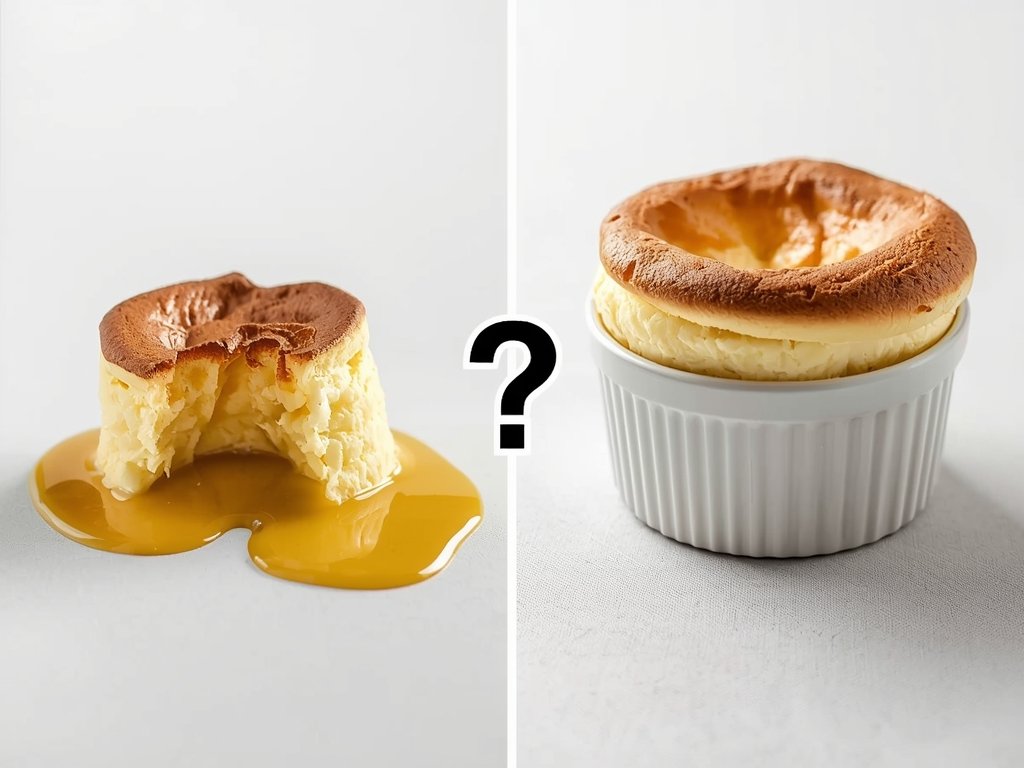
Now, the million-dollar question: can you actually reheat a fallen soufflé? The answer is… it’s complicated. While you can’t restore it to its former glory, you might be able to salvage something edible.
Most culinary experts agree that reheating a soufflé is a risky endeavor. The delicate structure is already compromised, and further heating can cause it to dry out or become rubbery. However, if you’re determined to try, there are a few methods that might yield slightly better results.
Methods to (Attempt) Soufflé Revival
- Oven reheating: Gently warm the soufflé in a low oven (around 300°F) for 5-10 minutes.
- Broiling: Briefly broil the top to recrisp the crust, but be careful not to burn it.
- Microwaving (last resort): Use short bursts of low power, but expect a soggy texture.
Salvaging the Flavor: Creative Ways to Repurpose Your Soufflé

If reheating isn’t an option, don’t despair. There are plenty of creative ways to repurpose your fallen soufflé into something delicious. After all, the flavor is still there – it’s just the presentation that’s lacking.
Think of your soufflé as a blank canvas for culinary experimentation. You can transform it into a savory bread pudding, a strata, or even a quiche-like dish. With a little creativity, you can turn your tragedy into a tasty triumph.
Repurposing Ideas for Fallen Soufflés
- Savory bread pudding: Mix with cream, cheese, and vegetables, then bake until set.
- Strata: Layer with bread, cheese, and herbs for a breakfast casserole.
- Quiche-like dish: Add a custard base and bake in a pie crust for a new twist.
Preventing the Fall: Tips for Soufflé Success

Of course, the best way to deal with a fallen soufflé is to prevent it from happening in the first place. With a few tips and tricks, you can increase your chances of soufflé success.
From properly preparing your ramekins to mastering the art of folding, every step counts. And remember, practice makes perfect. Don’t be discouraged if your first attempt doesn’t rise to the occasion – keep trying, and soon you’ll be a soufflé master.
Essential Tips for Soufflé Success
- Prepare your ramekins: Grease and coat with sugar or breadcrumbs for easy release.
- Don’t overbeat egg whites: Stop when they form stiff peaks, not dry and crumbly.
- Fold gently: Use a light touch to preserve the air pockets in the batter.
FAQ: Your Soufflé Questions Answered
Can I freeze a fallen soufflé for later use?
While you can freeze a fallen soufflé, the texture will likely suffer. It’s best to repurpose it into a new dish before freezing.
How long can a soufflé sit at room temperature before it’s unsafe to eat?
A soufflé should be eaten within 2 hours of baking. After that, it’s best to refrigerate or repurpose it.
Can I use a different type of cheese in my soufflé?
Absolutely! Experiment with your favorite cheeses, but keep in mind that stronger flavors may overpower the delicate soufflé.
Is it possible to make a soufflé without egg whites?
While traditional soufflés rely on egg whites for their rise, you can try alternative recipes using baking powder or self-rising flour. However, the texture will be different.
How do I know when my soufflé is done baking?
A properly baked soufflé will be puffed and golden, with a slightly firm exterior. Gently shake the ramekin – the center should be set but still a bit wobbly.

Marco covers the Reheat Pro category on TwiceTasty, focusing on reheating techniques and texture preservation. His articles help home cooks bring leftovers back to life with the right methods for every type of food — from crispy fried chicken to creamy pastas.