Follow Me On Social Media!

The Morning After: Why Croissants Go Stale

There’s nothing quite like the disappointment of biting into a croissant that’s lost its magic. That flaky, buttery perfection you enjoyed yesterday has turned into a dense, crumbly shadow of its former self. But why does this happen? The culprit is starch retrogradation, a fancy term for the process where starch molecules in the pastry recrystallize, causing the croissant to lose its moisture and texture.
Think of it like a road trip gone wrong. Your croissant starts off fresh and vibrant, like a car with a full tank of gas. But as time passes, the fuel (moisture) runs out, and the engine (texture) stalls. It’s a common tragedy in American kitchens, where croissants often outlive their prime by a day or two.
The Science of Revival: How Heat Rescues Your Pastry
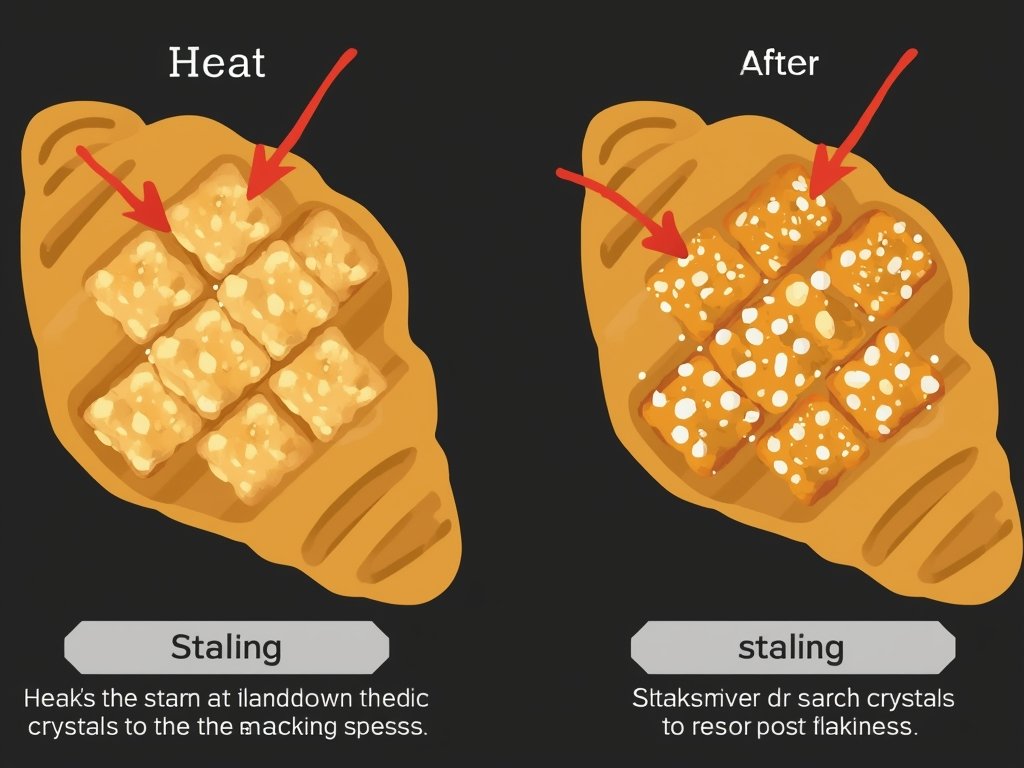
Before we dive into the 90-second miracle, let’s talk science. Heat is the hero in this story. When you apply heat to a stale croissant, it does two things: it melts the butter trapped between the layers, and it breaks down the starch crystals that formed during staling. This dual action restores the croissant’s flakiness and moisture, bringing it back to life.
It’s like a spa day for your pastry. The heat acts as a rejuvenating treatment, smoothing out the wrinkles and restoring its youthful glow. And the best part? You don’t need a fancy kitchen setup to pull this off.
Why the Oven Isn’t Your Best Bet
While preheating the oven might seem like the obvious choice, it’s not the most efficient method. Ovens take time to heat up, and by the time they reach the right temperature, your croissant could be overcooked or dried out. Plus, who has the patience to wait 10 minutes for a quick fix?
Enter the toaster oven or air fryer—the unsung heroes of pastry revival. These compact appliances heat up quickly and provide even, direct heat, making them perfect for the job. But if you don’t have either, don’t worry. There’s another method that’s even faster.
The 90-Second Fix: Your Croissant’s Second Chance
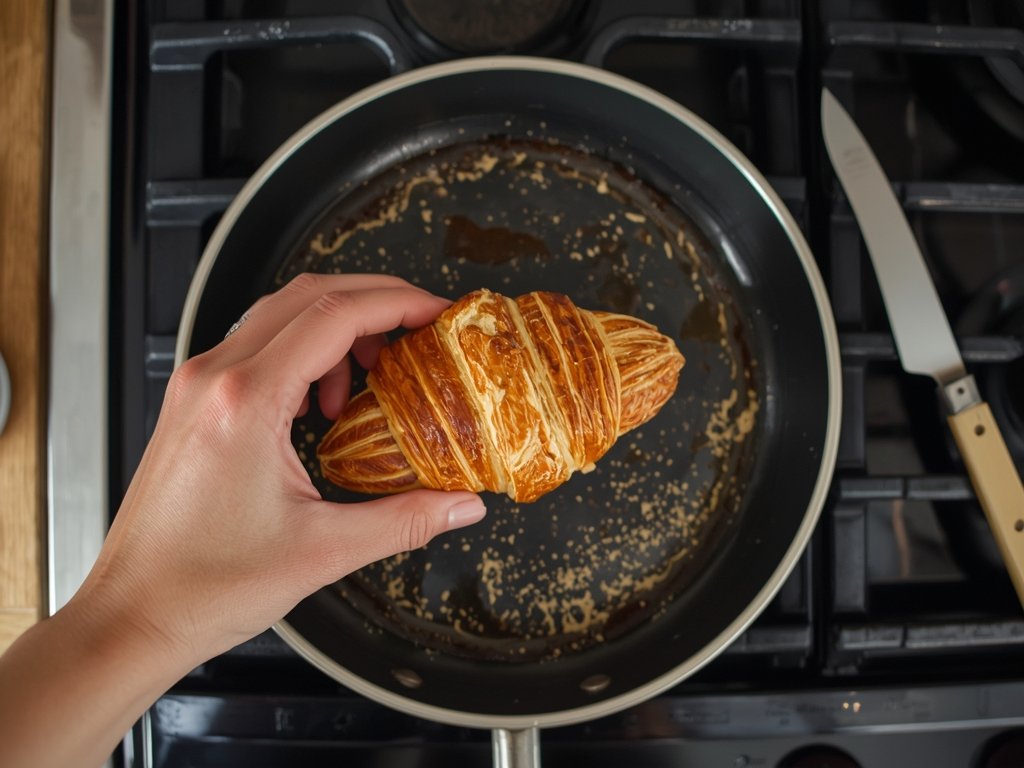
Here’s the secret: your stovetop. Yes, the same place where you fry eggs and sauté veggies can also rescue your croissant. The key is to use low heat and a quick turnaround. Place your croissant in a dry skillet over medium-low heat, and let it toast for 30 seconds on each side. The residual heat will finish the job in the remaining 30 seconds.
This method is foolproof, fast, and requires no special equipment. It’s the culinary equivalent of a quick nap—just enough to refresh and recharge. And the result? A croissant that’s crispy on the outside, tender on the inside, and ready to be enjoyed with your morning coffee.
Pro Tip: The Butter Boost
For an extra indulgent touch, spread a thin layer of butter on the croissant before heating. This not only enhances the flavor but also helps restore the pastry’s richness. It’s like giving your croissant a little hug before sending it back into the world.
And if you’re feeling adventurous, sprinkle a pinch of sugar or a dash of cinnamon on top. It’s a simple way to elevate your croissant from breakfast staple to gourmet treat.
Beyond the Stovetop: Other Revival Methods

While the stovetop method is our favorite, it’s not the only way to refresh a stale croissant. If you have a toaster oven or air fryer, you can achieve similar results with minimal effort. Preheat your appliance to 350°F, wrap the croissant in foil to prevent burning, and heat for 3-5 minutes.
For those with a microwave, there’s a trick: dampen a paper towel, wrap it around the croissant, and microwave for 10-15 seconds. The moisture from the towel helps restore some of the pastry’s lost humidity. However, this method can sometimes result in a slightly chewy texture, so use it as a last resort.
The Steam Method: A Baker’s Secret
Professional bakers swear by steam for reviving pastries. If you have access to a steamer, place your croissant inside for 10-15 seconds. The steam penetrates the layers, rehydrating the pastry without drying it out. It’s a technique that’s worth trying if you’re serious about your croissants.
But let’s be real—most of us don’t have steamers lying around. That’s why the stovetop method is the ultimate hack for home cooks. It’s quick, effective, and requires nothing more than a skillet and a little patience.
Preventing the Problem: How to Store Croissants

Of course, the best way to deal with stale croissants is to prevent them from going stale in the first place. Proper storage is key. Keep your croissants in an airtight container at room temperature for up to two days. If you want to extend their life, freeze them in a resealable bag for up to a month.
When you’re ready to enjoy a frozen croissant, let it thaw at room temperature or use the stovetop method to refresh it. Avoid refrigerating croissants, as the cold air accelerates staling and dries them out faster.
The French Way: Freshness First
In France, croissants are typically enjoyed fresh from the bakery. The idea of storing them for later is almost unheard of. But in the U.S., where bakeries aren’t always around the corner, knowing how to store and revive croissants is a valuable skill.
Think of it as a cultural exchange. We may not have Parisian bakeries on every street, but we’ve got ingenuity and a stovetop. And sometimes, that’s all you need to bring a little bit of France to your kitchen.
FAQ: Your Croissant Revival Questions Answered
Can I refresh a croissant that’s been frozen?
Absolutely! Let the croissant thaw at room temperature, then use the stovetop method to restore its flakiness. It’s like giving it a second lease on life.
Does this method work for other pastries?
Yes, you can use the stovetop method to refresh muffins, scones, and even biscuits. Just adjust the heat and timing based on the pastry’s size and density.
Can I use a microwave instead of a stovetop?
While a microwave can work in a pinch, it often results in a chewy texture. The stovetop method is more reliable for restoring the croissant’s original flakiness.
How long do refreshed croissants stay fresh?
Refreshed croissants are best enjoyed immediately, as they can start to stale again within a few hours. Think of it as a second chance—make the most of it!
Can I add fillings to a refreshed croissant?
Definitely! Once your croissant is refreshed, feel free to add your favorite fillings, like ham and cheese or chocolate and almond cream. It’s a great way to elevate your breakfast or snack.

Marco covers the Reheat Pro category on TwiceTasty, focusing on reheating techniques and texture preservation. His articles help home cooks bring leftovers back to life with the right methods for every type of food — from crispy fried chicken to creamy pastas.

← Previous
The Best Way to Reheat Leftover Lobster Tail
Next →
Saving Last Night’s Calamari: Why the Air Fryer is Your Only Hope