Follow Me On Social Media!

Mastering Mirepoix Storage

If you’ve ever found yourself weeping over a cutting board, frantically chopping onions while your pan gets too hot, you know the struggle. Pre-cut aromatics, particularly the classic French combination of onions, celery, and carrots (aka mirepoix), can be a game-changer for home cooks. But how do you store these prepped veggies to maintain their freshness and flavor?
In this guide, we’ll dive into the best practices for storing pre-cut mirepoix, ensuring you always have a flavorful base for soups, stews, and sauces at the ready. From understanding the enemy (moisture and air) to mastering the art of refrigeration and freezing, you’ll become a mirepoix storage pro.
Why Mirepoix Matters: A Culinary Cornerstone
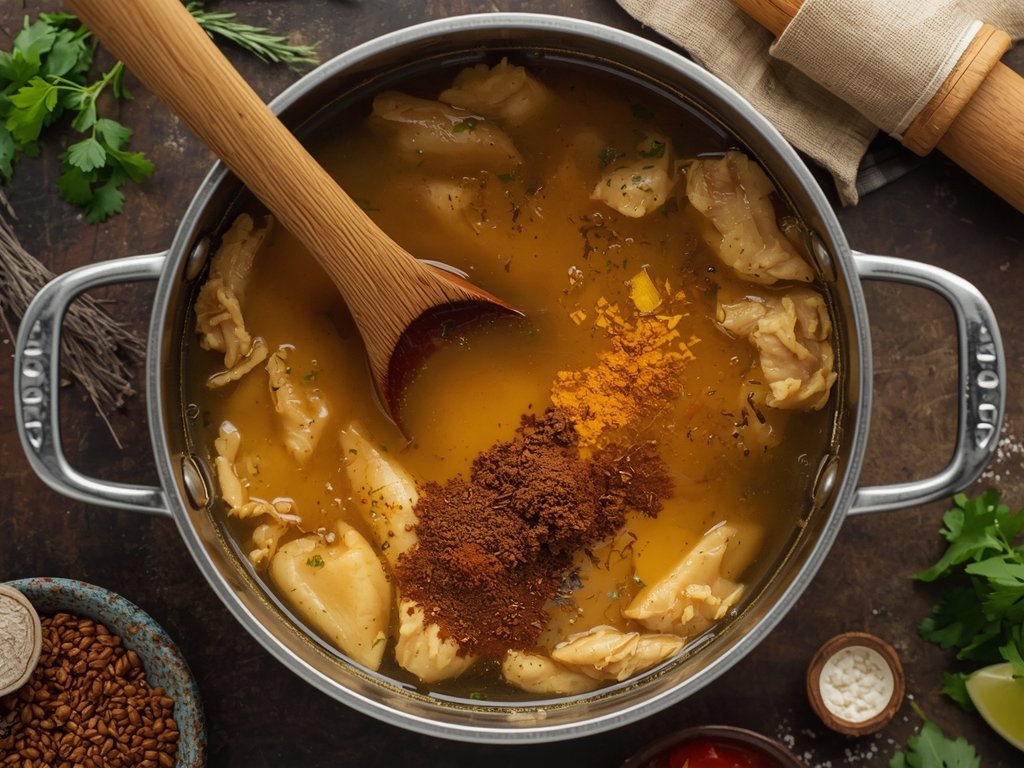
Before we get into storage, let’s appreciate why mirepoix is worth the effort. This aromatic trio forms the foundation of countless dishes, from classic Thanksgiving gravies to hearty winter stews. The combination of sweet carrots, savory onions, and earthy celery creates a depth of flavor that elevates any recipe.
In the United States, where culinary traditions often blend comfort food with international influences, mirepoix is a versatile workhorse. Whether you’re making a Cajun gumbo, an Italian soffritto, or a classic American pot roast, mastering mirepoix storage will streamline your cooking process.
The Enemies of Freshness: Moisture and Air
To store pre-cut mirepoix effectively, you must understand the culprits behind spoilage: moisture and air. When vegetables are cut, their cells are exposed, making them more susceptible to bacteria and oxidation. Moisture accelerates this process, while air introduces bacteria and enzymes that break down the veggies.
Think of it like leaving a slice of apple on the counter – it browns quickly due to oxidation. The same principle applies to your pre-cut aromatics. By controlling moisture and air exposure, you can significantly extend their shelf life.
Moisture Management: Keep it Dry
Excess moisture is the primary enemy of pre-cut vegetables. It creates an environment ripe for bacterial growth and accelerates spoilage. To combat this, always pat your chopped mirepoix dry with a clean kitchen towel or paper towels before storing.
If you’re using a storage container, consider adding a layer of paper towels at the bottom to absorb any residual moisture. This simple step can make a big difference in maintaining freshness.
Air Control: Seal it Tight
Air exposure introduces bacteria and enzymes that break down your veggies. To minimize this, store your pre-cut mirepoix in airtight containers. Glass jars with tight-fitting lids or reusable silicone bags are excellent options.
For an extra layer of protection, consider using a vacuum sealer if you have one. This removes air from the container, significantly slowing down the spoilage process.
Refrigeration: The Short-Term Solution

For short-term storage (up to 5 days), refrigeration is your best bet. The cool temperature slows down bacterial growth and enzymatic activity, keeping your mirepoix fresh and flavorful.
Here’s how to do it right:
- Dry Thoroughly: Pat your chopped veggies dry before storing.
- Use Airtight Containers: Glass jars or reusable silicone bags work well.
- Label and Date: Always label your containers with the contents and date to track freshness.
Pro Tip: Layering for Longevity
To maximize freshness, layer your mirepoix with paper towels in the container. Place a layer of veggies, top with a paper towel, and repeat. This absorbs moisture and prevents the vegetables from sticking together.
Freezing: The Long-Term Strategy
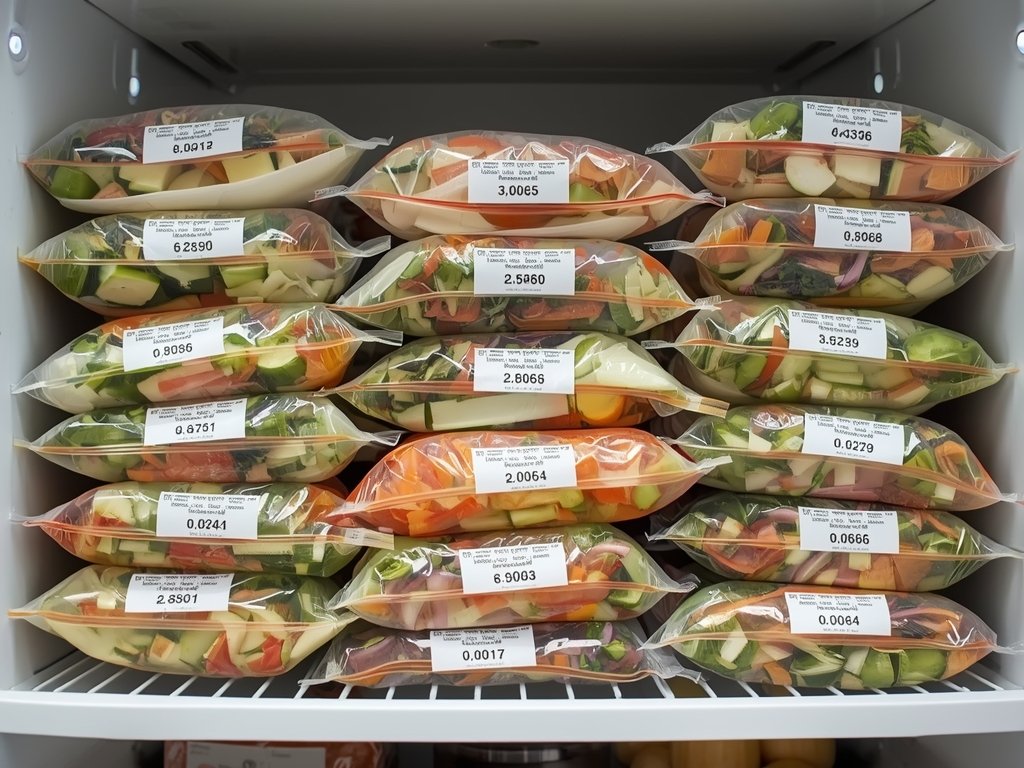
For longer storage (up to 3 months), freezing is the way to go. Properly frozen mirepoix retains its flavor and texture, making it a convenient option for busy cooks. Follow these steps for optimal results:
- Blanch Carrots (Optional): Blanching carrots before freezing can help preserve their texture. Simply boil them for 2-3 minutes, then plunge into ice water.
- Portion Control: Freeze your mirepoix in recipe-sized portions (e.g., 1 cup) for easy use.
- Use Freezer-Safe Containers: Vacuum-sealed bags, freezer-safe jars, or heavy-duty freezer bags work best.
Thawing Tips: Ready When You Are
When you’re ready to use your frozen mirepoix, there’s no need to thaw it completely. Simply add the frozen veggies directly to your hot pan or pot. They’ll thaw quickly and release their flavors into your dish.
Creative Uses for Pre-Cut Mirepoix

Now that you’re a mirepoix storage pro, let’s explore some creative ways to use this aromatic trio. Beyond the usual soups and stews, mirepoix can add depth to a variety of dishes:
- Stir-Fries: Add a handful of pre-cut mirepoix to your next stir-fry for extra flavor and texture.
- Cassoulet: This French classic relies on a rich mirepoix base for its signature taste.
- Stuffings: Elevate your Thanksgiving stuffing with a generous amount of sautéed mirepoix.
Meal Prep Magic: Batch Cooking with Mirepoix
Pre-cut mirepoix is a meal prepper’s dream. Spend an hour chopping and storing, and you’ll have a flavor foundation for multiple meals throughout the week. Use it in:
- Weeknight pasta sauces
- Slow cooker chili
- Sheet pan dinners
FAQ: Mirepoix Storage Demystified
How long does pre-cut mirepoix last in the fridge?
When stored properly in an airtight container, pre-cut mirepoix will last 3-5 days in the refrigerator. Always check for signs of spoilage, such as a slimy texture or off odor, before using.
Can I freeze mirepoix without blanching the carrots?
Yes, you can freeze mirepoix without blanching the carrots, but blanching helps preserve their texture and color. If you skip blanching, your carrots may be slightly softer when thawed.
What’s the best container for storing pre-cut mirepoix?
Airtight glass jars or reusable silicone bags are ideal for refrigerator storage. For freezing, use vacuum-sealed bags or heavy-duty freezer bags to prevent freezer burn.
Can I store pre-cut mirepoix with other vegetables?
While it’s best to store mirepoix separately to maintain its distinct flavor, you can combine it with other aromatics like garlic or leeks if they’ll be used in the same recipes.
How do I know if my stored mirepoix has gone bad?
Signs of spoilage include a slimy texture, off odor, or visible mold. If your mirepoix shows any of these signs, discard it immediately.

Sofia writes for the Smart Prep category, covering meal planning strategies, batch cooking techniques, and weekly prep guides. Her articles help busy families organize their cooking to save time and money.

← Previous
Meatball Magic: From Classic to Creative Appetizers
Next →
Grilled Corn to Mexican Street Corn Salad: Easy Recipe Guide