Follow Me On Social Media!

The Great Pantry Split: Why Potatoes and Onions Need Separate Digs
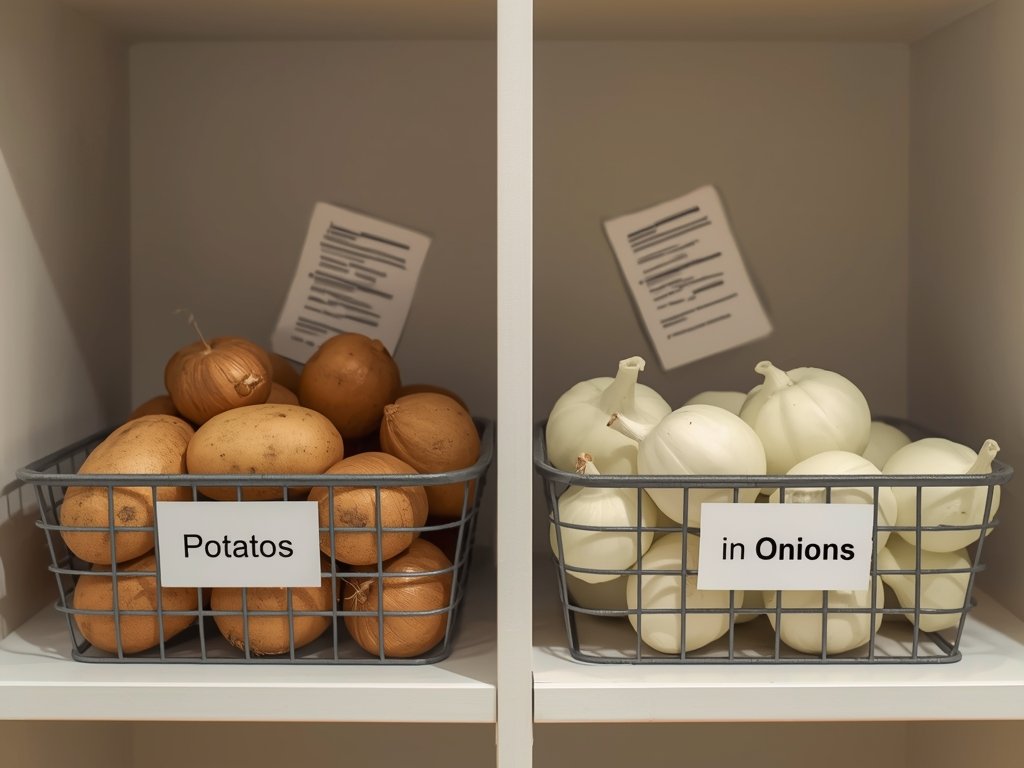
If you’re a home cook in the United States, chances are you’ve got a bag of potatoes and a mesh sack of onions stashed somewhere in your pantry. But did you know that storing these two kitchen staples together is a recipe for disaster? It’s time to give your spuds and alliums their own space – and here’s why.
A Match Made in (Storage) Hell
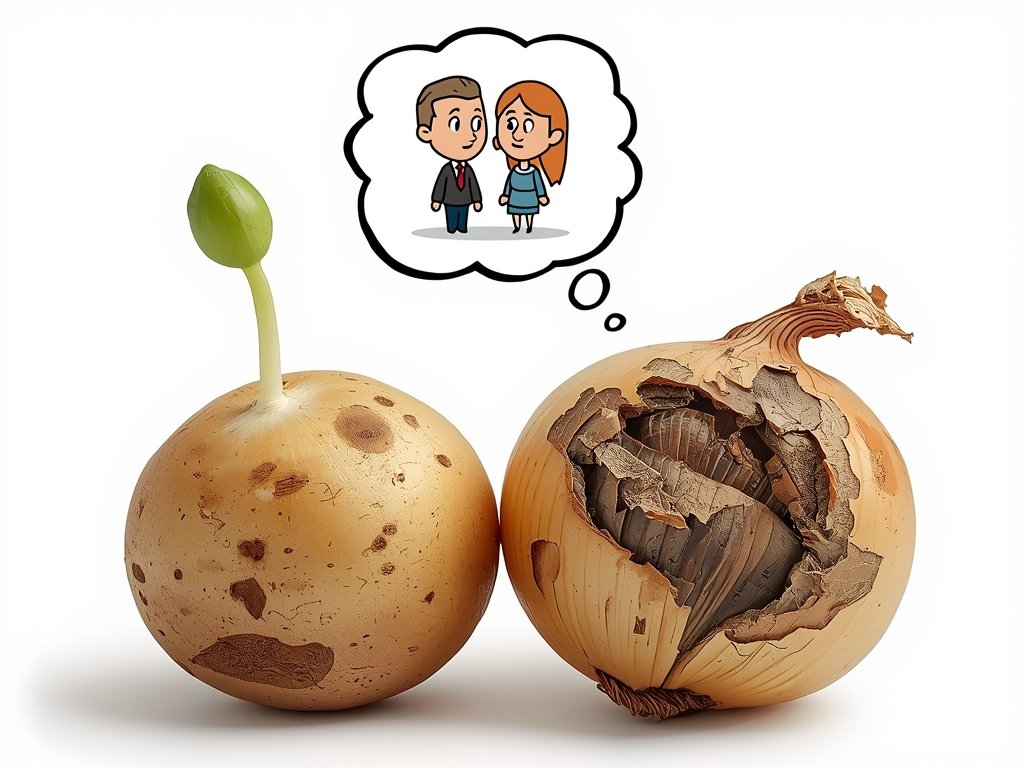
Potatoes and onions might be the dynamic duo of countless American recipes, from classic mashed potatoes to savory French onion soup. But when it comes to storage, they’re more like oil and water. The issue lies in their unique storage needs and the gases they produce.
Potatoes require a cool, dark, and well-ventilated environment to stay fresh. Onions, on the other hand, prefer a dry, warm, and airy space. When stored together, they create a perfect storm of conditions that accelerate spoilage for both.
The Science Behind the Split
Potatoes release a gas called ethylene as they ripen, which can cause onions to sprout and rot. Onions, meanwhile, give off gases that can lead to potato sprouting and decay. This two-way street of gaseous sabotage is a major reason why these veggies should never share a storage space.
The Consequences of Co-Habitation
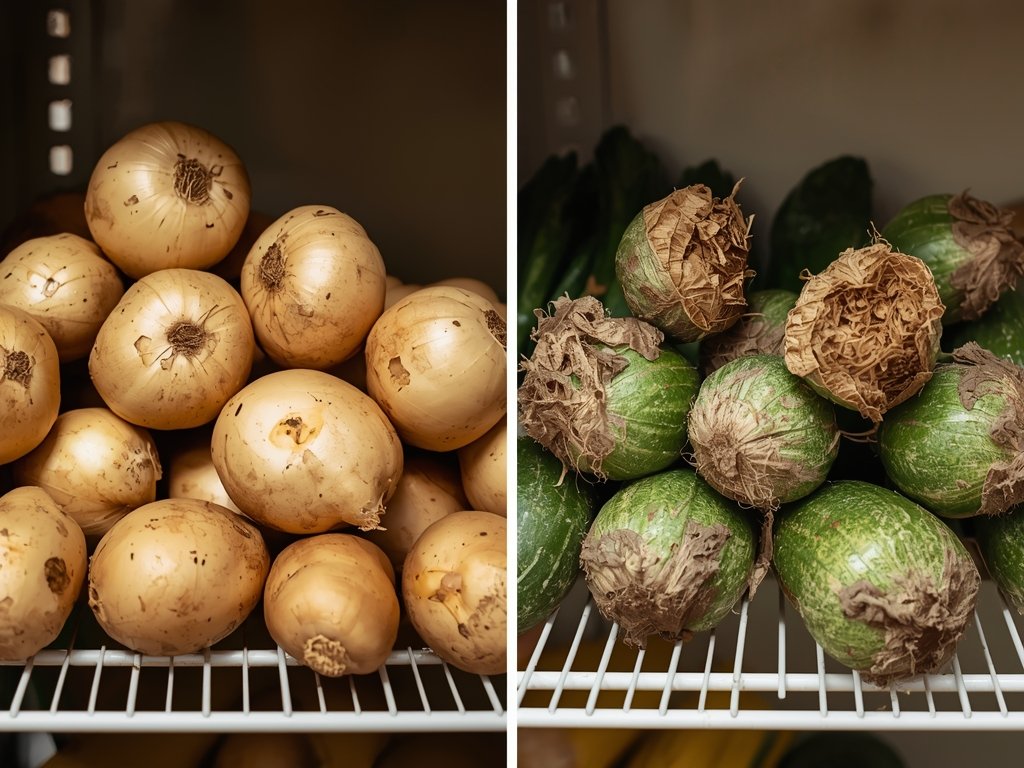
So, what happens when you ignore the storage incompatibility of potatoes and onions? The results aren’t pretty – or tasty. Your potatoes may start sprouting, developing a green hue, and becoming soft or wrinkly. Onions can become moldy, soft, or start sprouting, rendering them unusable.
Not only does this lead to food waste, but it can also impact the flavor and texture of your dishes. No one wants to bite into a sprouted potato or a moldy onion – it’s a surefire way to ruin a meal.
Real-Life Implications
Imagine you’re hosting a Thanksgiving dinner, a quintessential American tradition. You’ve got a 10-pound bag of potatoes and a hefty sack of onions to make your famous mashed potatoes and French onion soup. But if you’ve stored them together, you might be in for a nasty surprise when you go to prepare them. Sprouted potatoes and moldy onions won’t make for a happy holiday feast.
Giving Your Spuds and Alliums Their Own Space
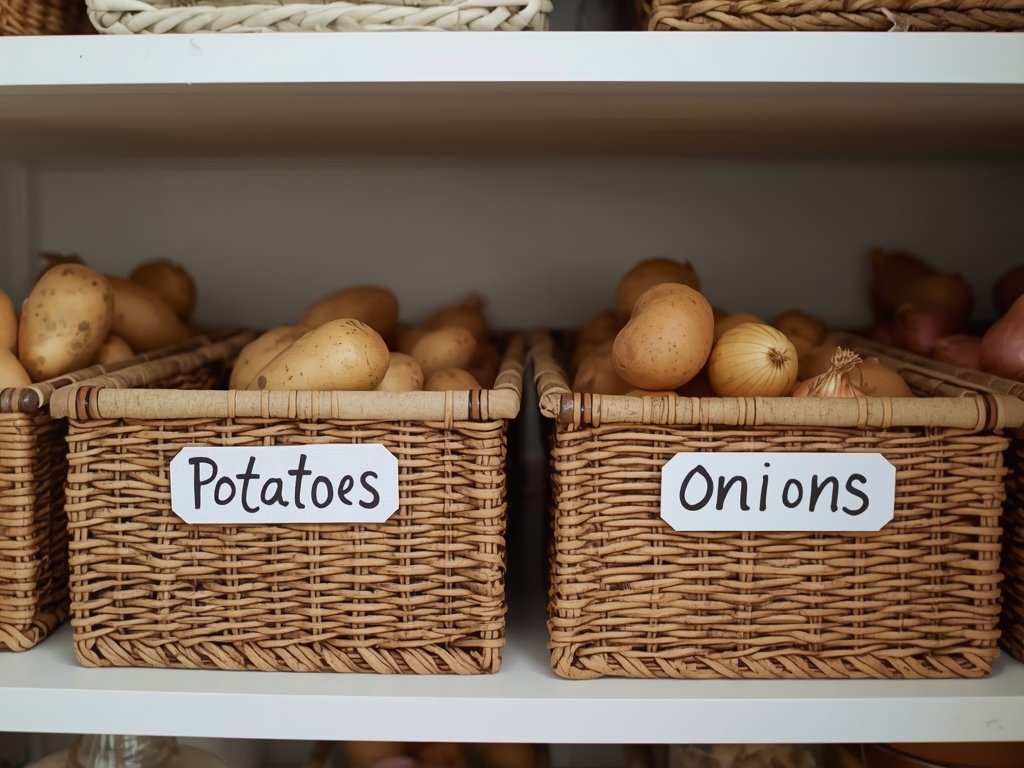
Now that you know the importance of separating potatoes and onions, it’s time to give them their own designated storage areas. But where should you keep them, and how can you ensure they stay fresh?
Ideal Storage Conditions
Potatoes should be stored in a cool, dark place with good ventilation. A temperature range of 45-55°F (7-13°C) is ideal. If you don’t have a root cellar (a common feature in older American homes), a pantry or cabinet away from heat sources will do. Just be sure to keep them out of direct sunlight.
Onions, on the other hand, prefer a dry, warm environment with good air circulation. A temperature range of 60-70°F (15-21°C) is best. A pantry or countertop is suitable, as long as it’s not near a heat source or in direct sunlight.
Creative Storage Solutions
If you’re short on space, get creative with your storage solutions. Consider using hanging baskets, mesh bags, or even old stockings to store your potatoes and onions. Just be sure to keep them separate and in their ideal conditions.
For a touch of Americana, use vintage crates or baskets to store your produce. Not only will this keep your potatoes and onions fresh, but it’ll also add a charming, rustic touch to your pantry or kitchen.
Making the Most of Your Fresh Produce
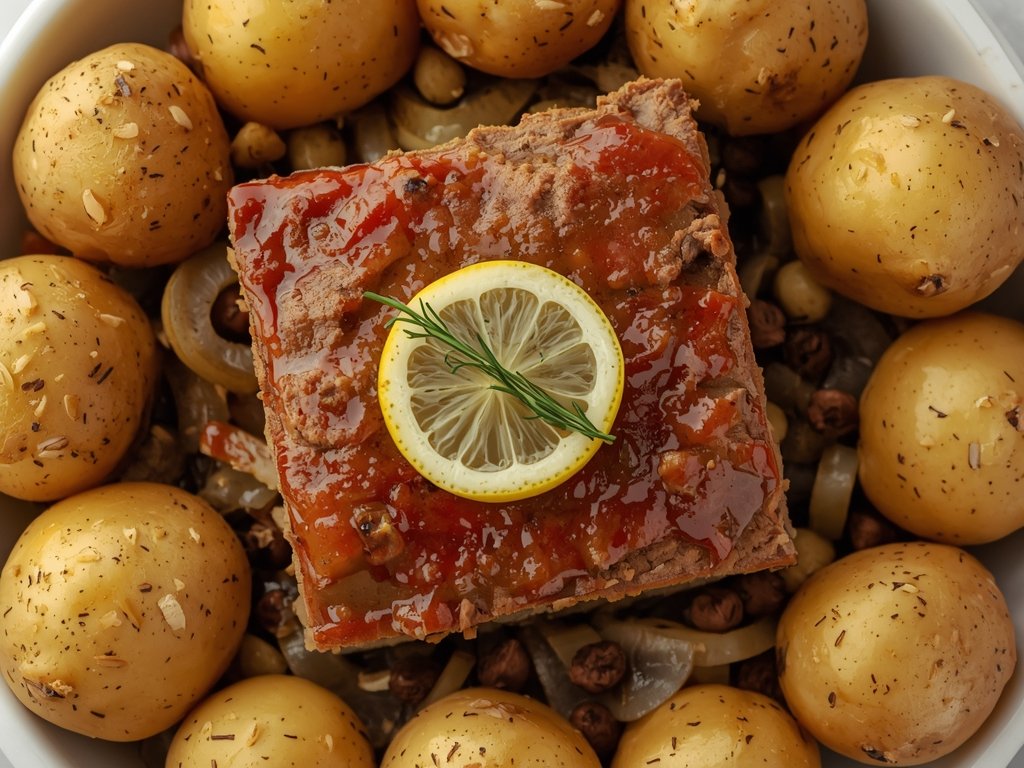
Now that you’ve got your potatoes and onions stored separately, it’s time to put them to good use. From classic comfort foods to innovative dishes, there’s no shortage of ways to enjoy these versatile ingredients.
Classic American Recipes
Potatoes and onions are the backbone of many classic American dishes. Think mashed potatoes, potato salad, French onion soup, and onion rings. These recipes are staples at family gatherings, potlucks, and holiday meals across the country.
For a taste of nostalgia, try making your grandmother’s famous potato salad or your dad’s secret meatloaf recipe. These dishes are a testament to the enduring appeal of potatoes and onions in American cuisine.
Innovative Twists
If you’re feeling adventurous, try putting a modern twist on classic recipes. Make loaded mashed potatoes with bacon and chives, or caramelized onion and goat cheese tarts. These innovative dishes showcase the versatility of potatoes and onions, while still honoring their traditional roots.
FAQ
Can I store potatoes and onions in the fridge together?
No, it’s not recommended to store potatoes and onions in the fridge together. The cold, damp environment of the fridge can cause potatoes to sprout and onions to become moldy. If you must refrigerate them, keep them in separate containers or drawers.
How long do potatoes and onions last when stored properly?
When stored in their ideal conditions, potatoes can last up to 2-3 months, while onions can last up to 1-2 months. However, this can vary depending on the variety and freshness of the produce.
Can I store sweet potatoes with onions?
Sweet potatoes have similar storage needs to regular potatoes, so it’s best to keep them separate from onions. Store sweet potatoes in a cool, dark place with good ventilation, away from onions and other ethylene-producing fruits and vegetables.
What’s the best way to tell if potatoes or onions have gone bad?
Potatoes that have gone bad will often develop a green hue, sprouts, or a soft, wrinkly texture. Onions that have spoiled will become moldy, soft, or start sprouting. If in doubt, trust your senses – if it looks or smells off, it’s best to discard it.
Can I still use sprouted potatoes or moldy onions?
It’s not recommended to use sprouted potatoes or moldy onions, as they can be a sign of decay and potential foodborne illness. When in doubt, throw it out – it’s better to be safe than sorry.

Lina leads the Fresh Hacks category, covering food storage tips, freshness preservation, and smart ways to extend the life of your groceries. Her guides help readers keep ingredients at peak quality for longer.

← Previous
Berry Vinegar Bath: Stop Mold and Preserve Freshness
Next →
Keep Celery Crisp for a weeks with This Foil Trick