Follow Me On Social Media!

Poached Salmon Mastery: Fresh Dinners to Salad Jars
The Art of Poaching Salmon: A Delicate Dance
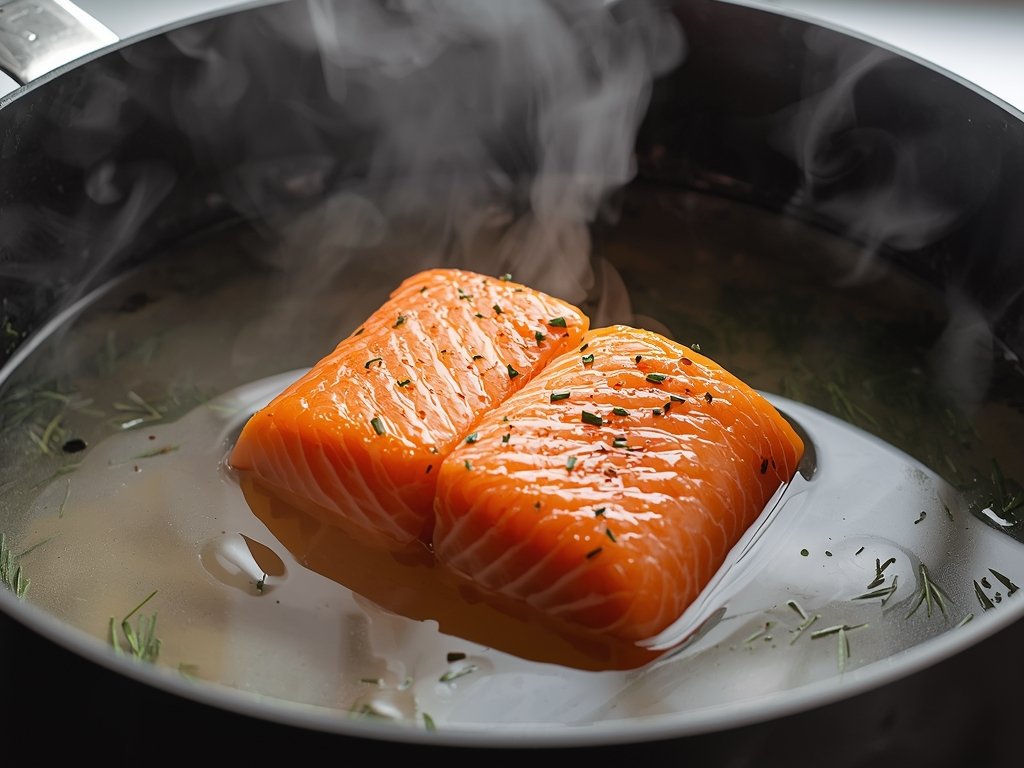
Poaching salmon is an art that transforms this delicate fish into a versatile culinary masterpiece. It’s a technique that requires patience, precision, and a gentle touch. By mastering the art of poaching, you’ll unlock a world of possibilities, from elegant dinners to convenient meal prep options.
The key to perfect poached salmon lies in maintaining a consistent, gentle heat. This ensures the fish cooks evenly, retaining its moisture and flaky texture. A flavorful poaching liquid, infused with aromatic herbs and spices, adds depth and complexity to the dish.
Crafting the Perfect Poaching Liquid: A Flavorful Foundation
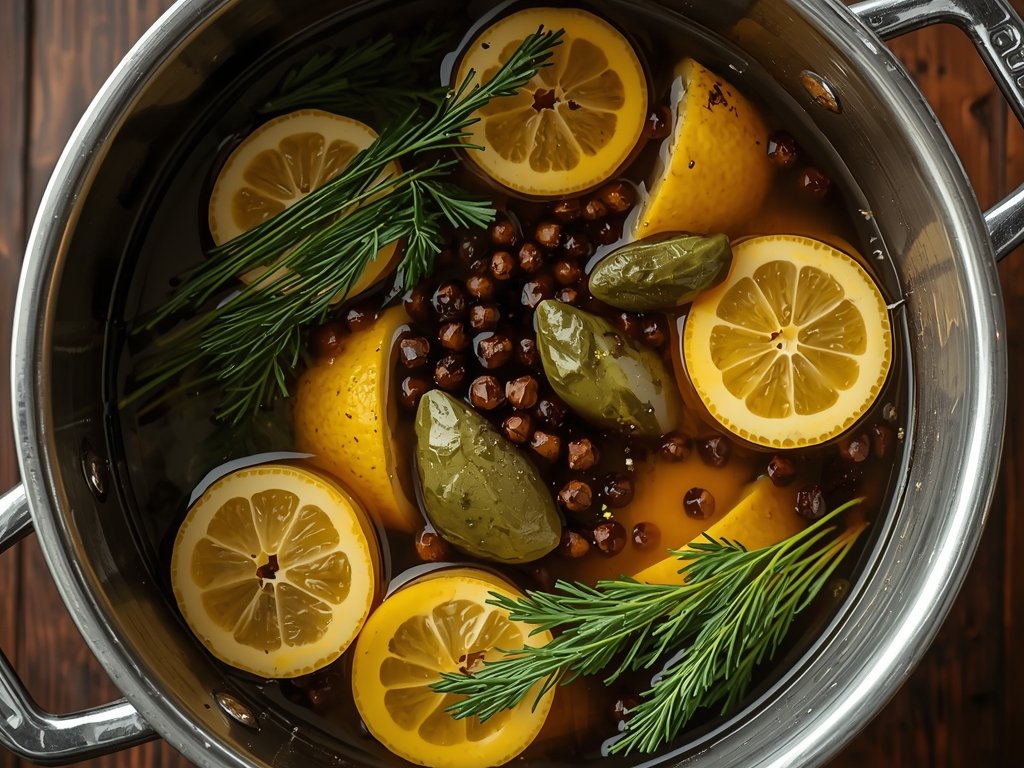
The poaching liquid is the backbone of your dish, infusing the salmon with flavor and aroma. Start with a base of water, white wine, or a combination of both. Add a splash of vinegar or lemon juice to help the salmon hold its shape and enhance its natural flavor.
Next, introduce a symphony of aromatics: bay leaves, whole peppercorns, sliced onions, and garlic cloves. Fresh herbs like dill, parsley, or tarragon add a bright, herbaceous note. For a touch of sweetness, include sliced carrots or fennel bulbs.
Essential Poaching Liquid Components
- Liquid base: Water, white wine, or a combination
- Acid: Vinegar or citrus juice (lemon, lime, or orange)
- Aromatics: Bay leaves, peppercorns, onions, garlic
- Herbs: Dill, parsley, tarragon, or thyme
- Vegetables: Carrots, fennel, or leeks (optional)
From Fillet to Feast: Poaching Salmon to Perfection

With your poaching liquid prepared, it’s time to focus on the star of the show: the salmon. Select a high-quality, fresh fillet with vibrant color and a firm texture. Gently rinse the fillet and pat it dry with paper towels.
Carefully lower the salmon into the simmering poaching liquid, ensuring it’s fully submerged. Cover the pot and maintain a gentle simmer. The cooking time will depend on the thickness of your fillet, but a general rule of thumb is 10 minutes per inch of thickness.
Poaching Salmon: A Step-by-Step Guide
- Prepare the poaching liquid: Combine all ingredients in a large pot and bring to a gentle simmer.
- Add the salmon: Gently lower the fillet into the liquid, ensuring it’s fully submerged.
- Simmer gently: Cover the pot and maintain a consistent temperature, avoiding a rolling boil.
- Check for doneness: Use a fork to test the thickest part of the fillet; it should flake easily when done.
- Rest and serve: Remove the salmon from the liquid and let it rest for a few minutes before serving.
Elevating Your Dinner Game: Fresh Poached Salmon Creations
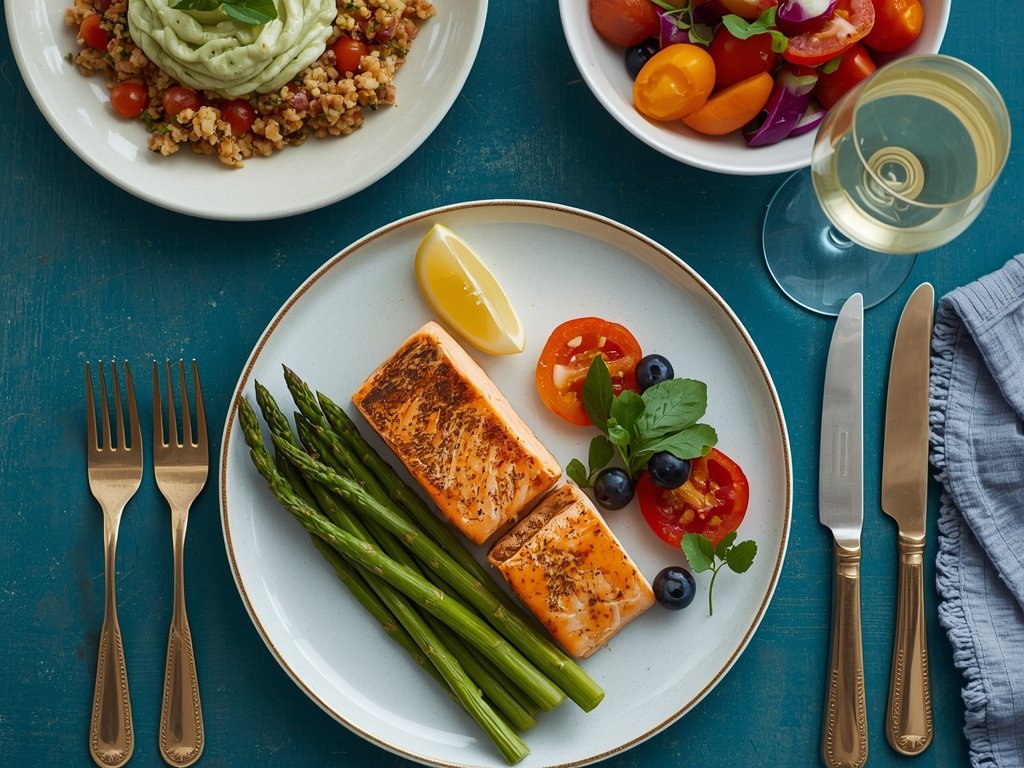
Poached salmon is a blank canvas, ready to be transformed into a stunning dinner centerpiece. Serve it warm, garnished with fresh herbs and a squeeze of lemon, alongside a medley of roasted vegetables and a light, tangy sauce.
For a more substantial meal, pair your poached salmon with a hearty grain like quinoa or farro. Add a pop of color and texture with a vibrant salad, featuring ingredients like arugula, cherry tomatoes, and avocado.
Poached Salmon Dinner Ideas
- Classic pairing: Poached salmon with lemon-dill sauce, roasted asparagus, and garlic mashed potatoes
- Mediterranean twist: Salmon with olive tapenade, quinoa tabbouleh, and grilled zucchini
- Asian-inspired: Teriyaki-glazed salmon, coconut rice, and stir-fried bok choy
Meal Prep Magic: Cold Salmon Salad Jars
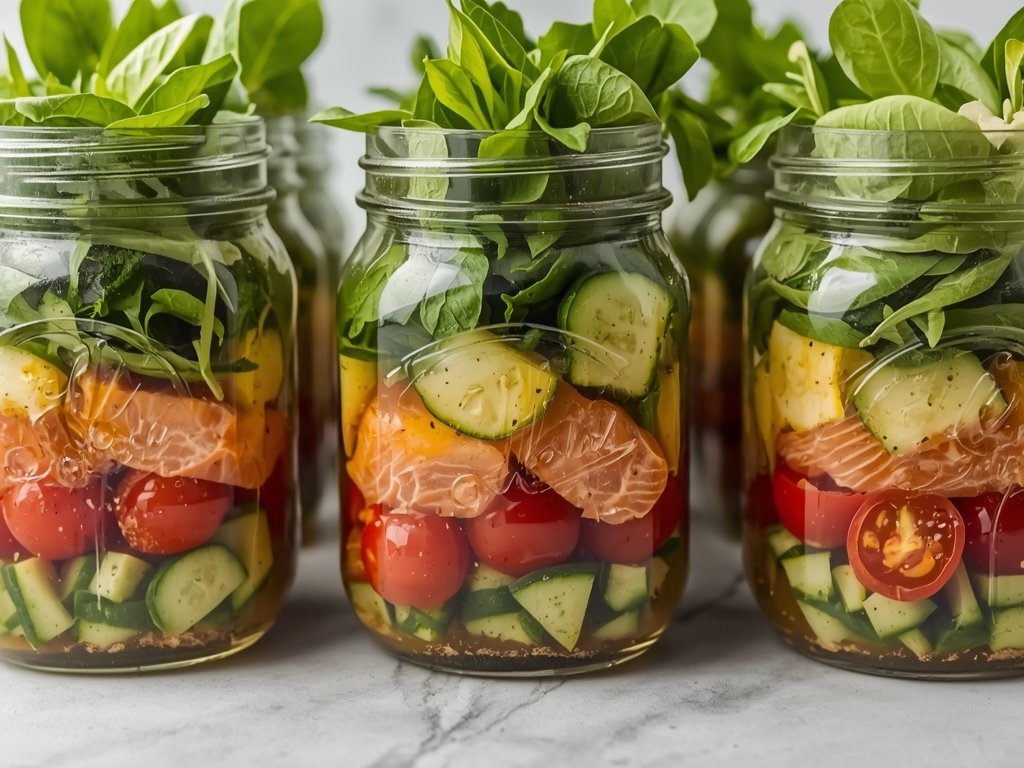
Transform your poached salmon into a convenient, portable meal with cold salmon salad jars. These layered creations are perfect for meal prep, allowing you to enjoy a healthy, flavorful lunch throughout the week.
Start by preparing a batch of poached salmon, then flake it into bite-sized pieces. Layer your jars with a tangy vinaigrette, followed by mixed greens, cherry tomatoes, cucumbers, and the flaked salmon. Top with a crunchy element, like toasted nuts or seeds, and seal the jars for storage.
Building the Perfect Salmon Salad Jar
- Vinaigrette: Choose a tangy dressing, such as lemon-dijon or balsamic
- Greens: Mix it up with arugula, spinach, or a spring mix
- Vegetables: Add crunch and color with cherry tomatoes, cucumbers, and bell peppers
- Protein: Flaked poached salmon, hard-boiled eggs, or chickpeas
- Toppings: Toasted nuts, seeds, or crispy bacon bits
Storing and Reheating: Keeping Your Salmon Fresh
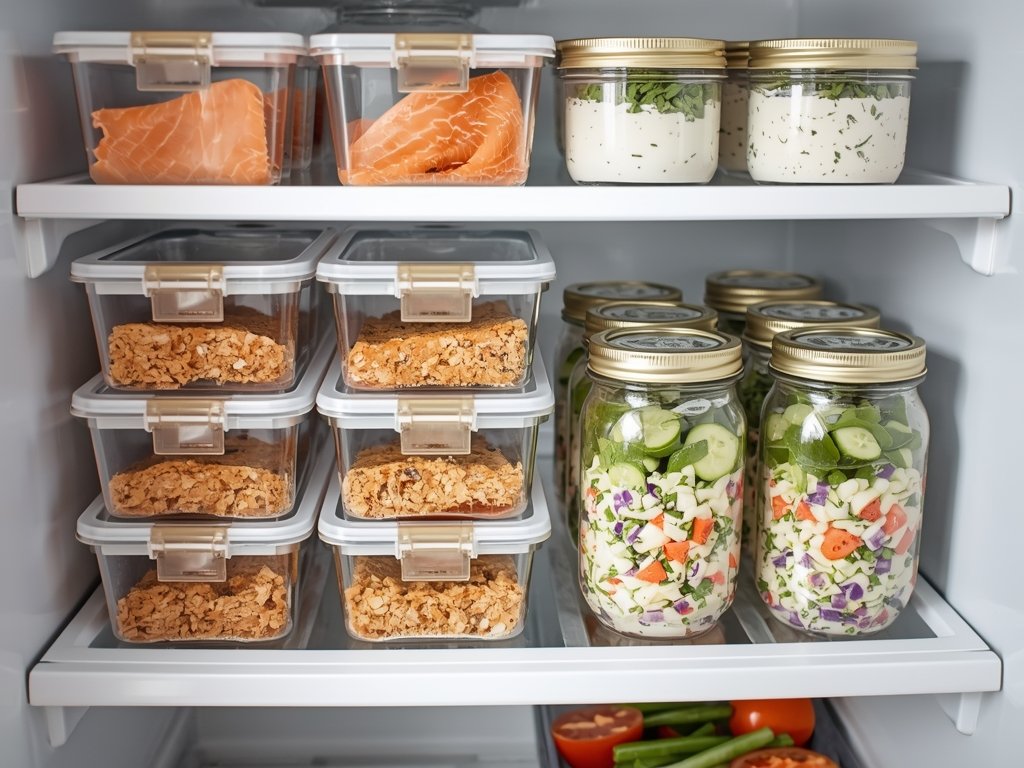
Proper storage is crucial to maintaining the quality and safety of your poached salmon. Store cooked salmon in an airtight container in the refrigerator for up to 3 days. For longer storage, consider freezing the salmon in individual portions, wrapped tightly in plastic wrap and aluminum foil.
When reheating poached salmon, do so gently to preserve its texture and moisture. Use a low oven temperature (around 275°F) or reheat the salmon in a skillet with a small amount of butter or oil. Avoid microwaving, as this can dry out the fish.
FAQ
Can I use frozen salmon for poaching?
Yes, you can use frozen salmon for poaching. Thaw the fillet completely in the refrigerator before cooking, and pat it dry to remove any excess moisture.
How do I know when my poached salmon is done?
The salmon is done when it flakes easily with a fork. The internal temperature should reach 125°F to 130°F for medium-rare, or 145°F for well-done.
Can I reuse the poaching liquid?
Yes, you can strain and reuse the poaching liquid for future batches. Store it in an airtight container in the refrigerator for up to 3 days, or freeze it for longer storage.
How long do salmon salad jars last in the refrigerator?
Salmon salad jars will last for 3-4 days in the refrigerator. Be sure to keep them chilled and consume them within this timeframe for optimal freshness and safety.
Can I add other proteins to my salmon salad jars?
Absolutely! Feel free to mix and match proteins, such as hard-boiled eggs, chickpeas, or grilled chicken, to create a variety of flavorful and satisfying salad jar combinations.