Follow Me On Social Media!

The Dark Side of Scratch-Free Cooking

Non-stick pans are the unsung heroes of American kitchens. From fluffy pancakes on Saturday mornings to seared salmon on busy weeknights, these pans promise effortless cooking and easy cleanup. But beneath that slick surface lies a potential health hazard: chemical leaching.
While non-stick coatings like Teflon have revolutionized home cooking, they’re not invincible. Over time, wear and tear can cause these pans to release harmful chemicals into your food. Don’t worry—we’re not here to ruin your favorite skillet. Instead, let’s explore the signs that your non-stick pan might be past its prime and what you can do about it.
1. Visible Scratches and Flakes: When Your Pan Shows Its Age

The most obvious sign of a deteriorating non-stick pan is visible damage. Scratches, chips, or flakes in the coating aren’t just unsightly—they’re red flags. These imperfections expose the underlying materials, which can leach into your food when heated.
Non-stick coatings are typically made of polytetrafluoroethylene (PTFE), a chemical that breaks down at high temperatures. When this happens, it can release toxic fumes and particles that you don’t want anywhere near your plate. If your pan looks like it’s been through a war, it’s time to retire it.
2. A Change in Texture: When Smooth Becomes Sticky
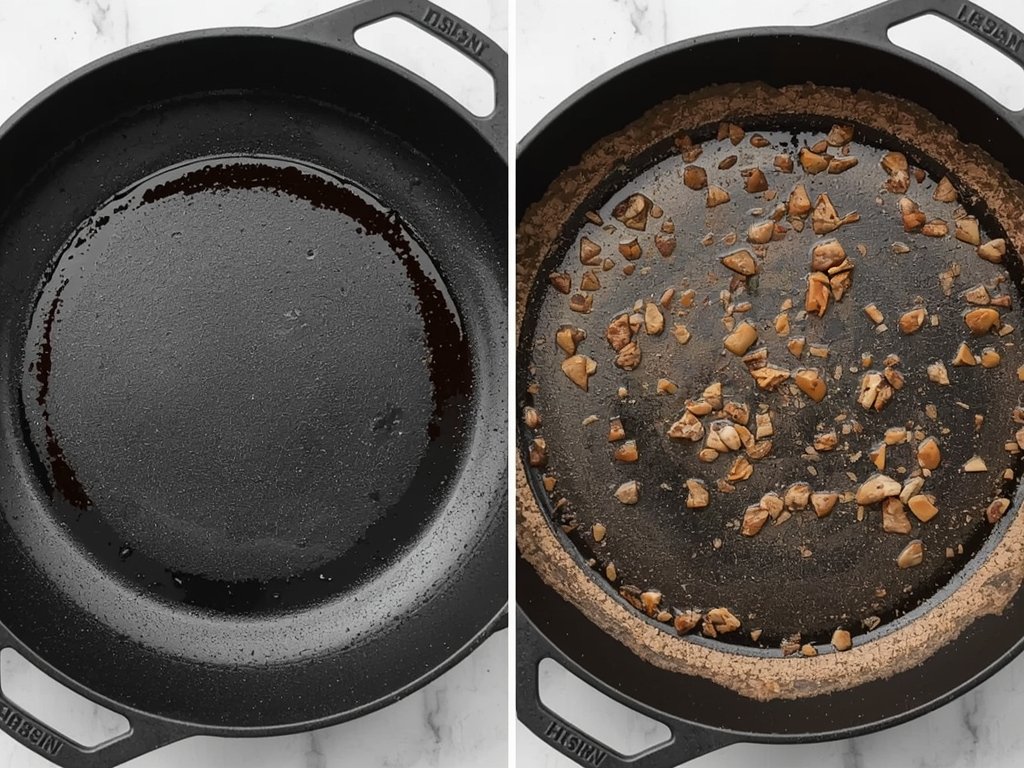
Remember how your non-stick pan once felt like cooking on a cloud? If it’s now sticky, rough, or uneven, that’s a sign the coating is breaking down. This texture change indicates the pan’s surface is degrading, making it more likely to release chemicals into your food.
While a sticky pan might still seem functional, it’s a warning that the protective layer is failing. Cooking on such a surface can lead to chemical exposure, especially when heated to high temperatures. If your pan feels more like sandpaper than silk, it’s time to replace it.
3. Strange Odors: When Your Kitchen Smells Like a Chemistry Lab
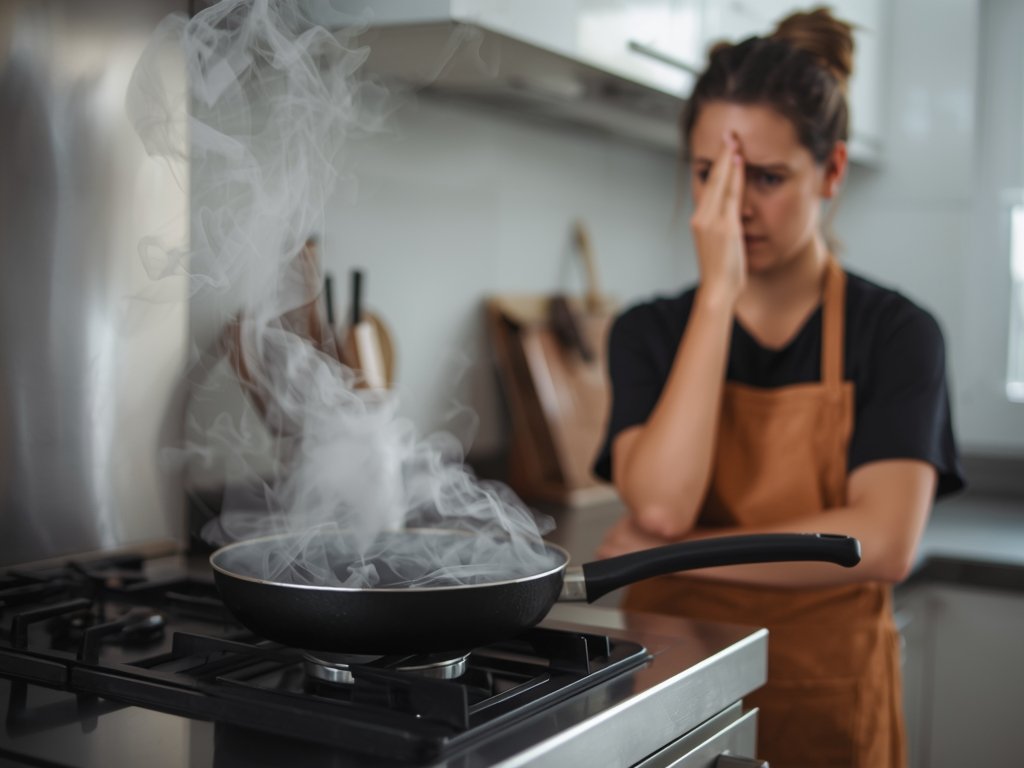
Non-stick pans should be odorless when heated. If you notice a chemical smell wafting from your skillet, it’s a clear sign of trouble. This odor is often caused by the breakdown of PTFE, which releases toxic fumes when overheated.
These fumes aren’t just unpleasant—they can be harmful to both humans and pets. In fact, the phenomenon is so well-known that it has a name: “Teflon flu.” If your kitchen starts smelling like a science experiment, turn off the heat and consider investing in a new pan.
4. Food Sticks More Than Usual: When Non-Stick Becomes Stick

The whole point of a non-stick pan is, well, its non-stickiness. If your eggs are suddenly sticking or your pancakes are tearing apart, the coating is likely compromised. This loss of performance isn’t just annoying—it’s a sign that the pan’s surface is no longer intact.
When the coating breaks down, it loses its ability to repel food. This not only ruins your meal but also increases the risk of chemical leaching. If your once-reliable pan is now a sticky nightmare, it’s time to say goodbye.
5. Discoloration: When Your Pan Loses Its Shine
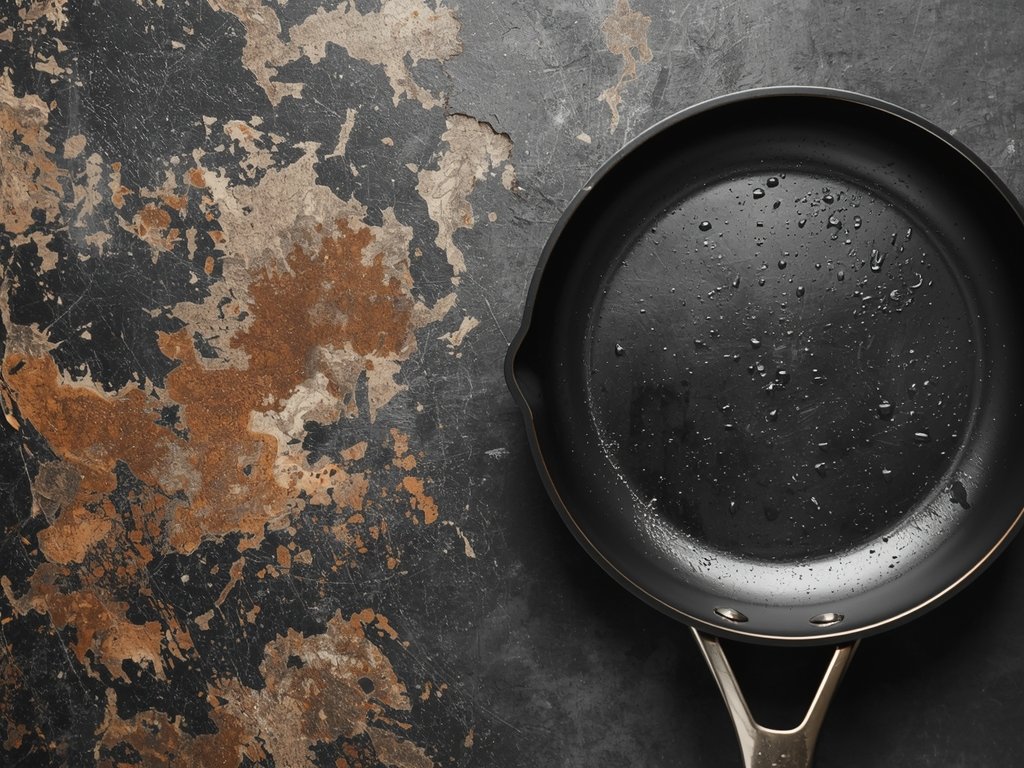
Non-stick pans are known for their bright, uniform color. If yours has developed dark spots or a brownish tint, it’s a sign of degradation. Discoloration often indicates that the coating is breaking down, especially if it’s accompanied by other signs like scratches or stickiness.
While some discoloration is normal with age, drastic changes should raise concerns. A discolored pan is more likely to leach chemicals, especially when heated. If your pan looks like it’s seen better days, it’s time to upgrade.
Safer Alternatives: Cooking Without the Chemicals
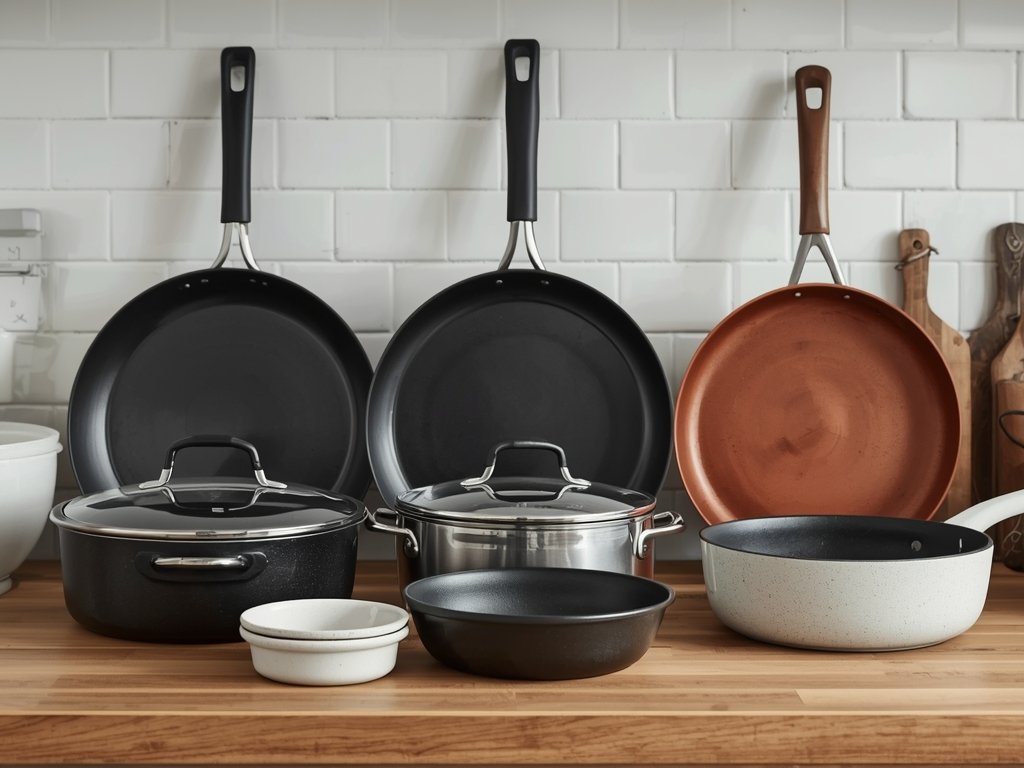
Ready to part ways with your old non-stick pan? There are plenty of safer alternatives that won’t leach chemicals into your food. Cast iron, stainless steel, and ceramic-coated pans are durable, non-toxic options that can last a lifetime with proper care.
While these pans might require a bit more effort to maintain their non-stick properties, they’re worth the investment. Plus, they’re perfect for everything from searing steaks to sautéing veggies. Your health—and your taste buds—will thank you.
FAQ
Can I still use my non-stick pan if it has scratches?
It’s best to avoid using a scratched non-stick pan, as the exposed materials can leach chemicals into your food. Replace it with a safer alternative.
What temperature is safe for non-stick pans?
Non-stick pans should not be heated above 500°F (260°C), as this can cause the coating to break down and release toxic fumes.
Are all non-stick pans toxic?
Not all non-stick pans are created equal. Look for PFOA-free and PTFE-free options, which are less likely to leach harmful chemicals.
How often should I replace my non-stick pan?
With proper care, a non-stick pan can last 3-5 years. However, replace it immediately if you notice signs of wear, such as scratches or discoloration.

David handles the Kitchen Gear category, reviewing tools, equipment, and accessories that make cooking and food storage easier. His articles focus on practical recommendations for everyday home cooks.

← Previous
Microplane Guide: Zesting, Grating, and Shaving Like a Pro
Next →
Salad Spinner Hack: Dry Herbs and Berries Without Bruising