Follow Me On Social Media!

The Slime Factor: Why Your Mushrooms Are Suffering in Plastic
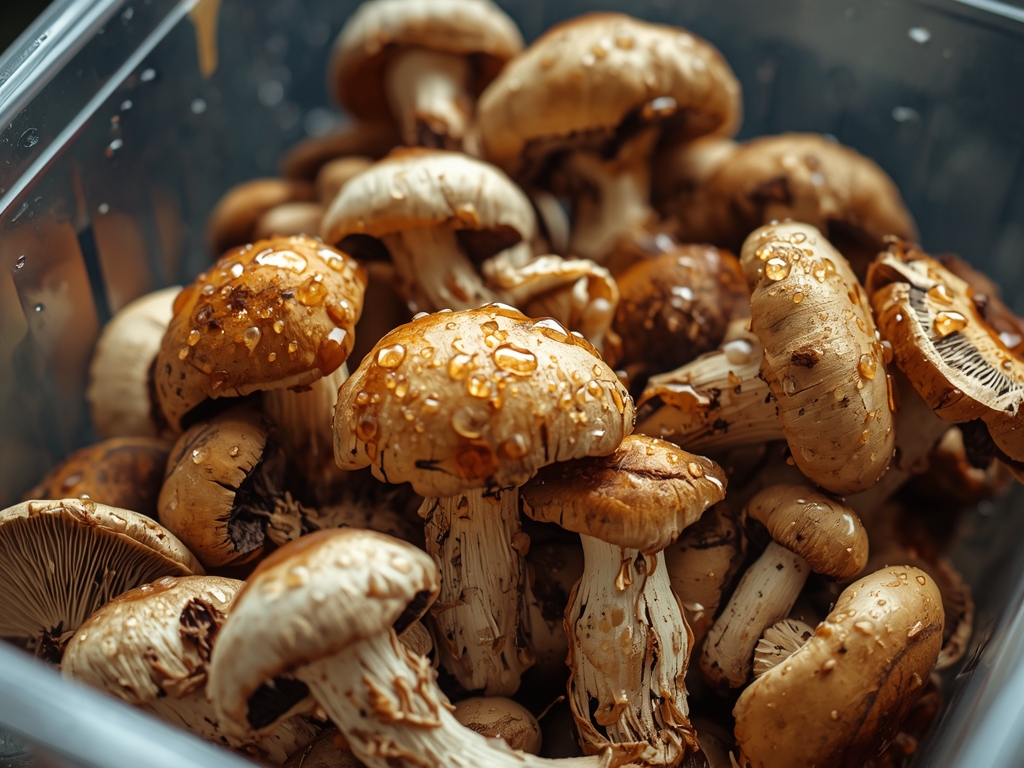
If you’re a mushroom lover, you’ve likely experienced the disappointment of opening a plastic container only to find your fungi friends looking worse for wear. Slimy, wilted mushrooms are a common sight, but have you ever stopped to wonder why this happens? It’s not just bad luck; it’s science.
Mushrooms are delicate creatures, and their packaging plays a significant role in their freshness and longevity. In this article, we’ll delve into the reasons behind the slime factor and explore why mushroom paper bags are a superior alternative to plastic containers.
Breathability Matters: The Importance of Airflow for Mushrooms
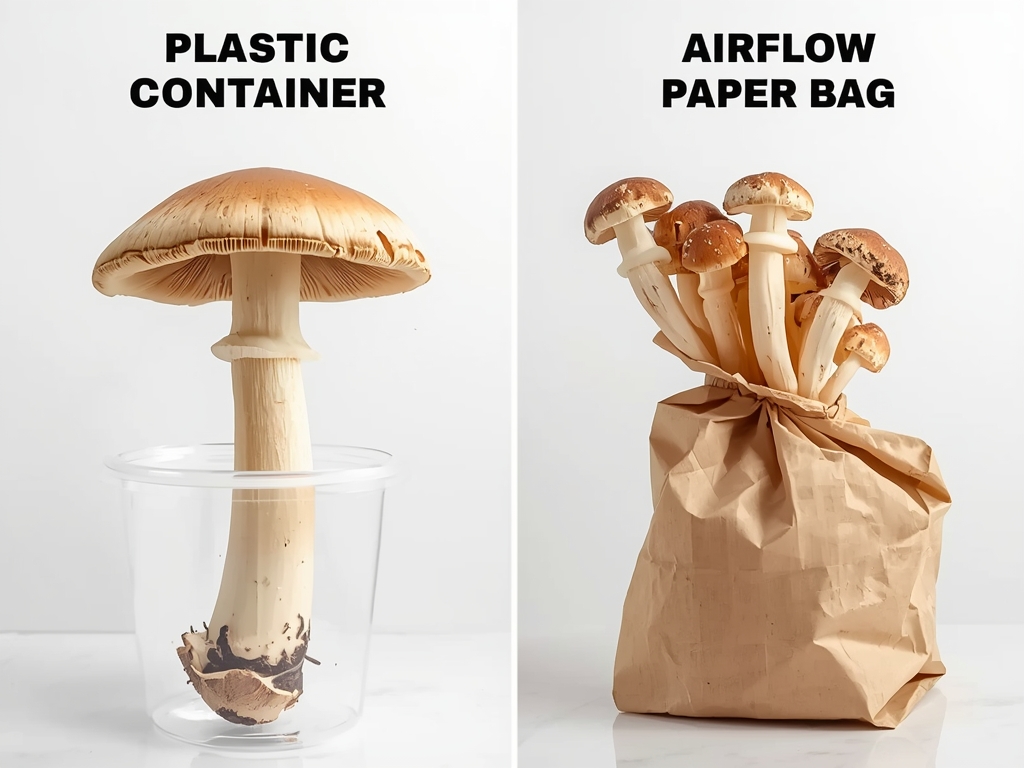
One of the primary reasons mushrooms become slimy in plastic containers is the lack of breathability. Plastic is an airtight material, which means it traps moisture inside the container. Mushrooms, being mostly water, release moisture as they respire, and this trapped moisture creates the perfect environment for bacteria and mold to thrive.
Paper bags, on the other hand, are porous and allow for airflow. This breathability helps regulate moisture levels, preventing the buildup of excess water and reducing the risk of slime. Think of it as a mushroom’s version of a well-ventilated room – it keeps them fresh and happy.
The Science Behind Mushroom Respiration
Mushrooms respire through a process called cellular respiration, which releases carbon dioxide and water vapor. In a plastic container, this moisture has nowhere to go, leading to a humid environment that accelerates decay. Paper bags provide an escape route for this moisture, maintaining a balanced atmosphere.
Moisture Control: How Paper Bags Keep Mushrooms Fresh
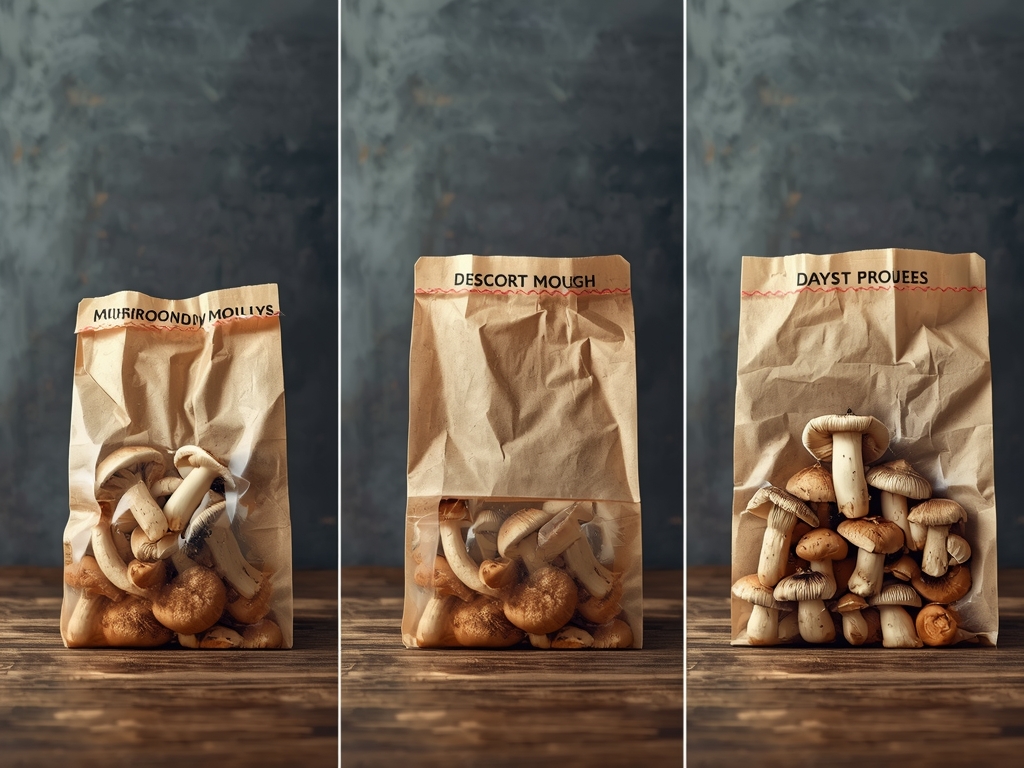
Paper bags are not just breathable; they’re also excellent at absorbing excess moisture. The paper’s absorbent properties help wick away any water released by the mushrooms, keeping them dry and fresh. This moisture control is crucial in preventing the growth of bacteria and mold, which are the main culprits behind slime.
The Role of Absorbent Materials
The absorbent quality of paper bags is a game-changer for mushroom storage. By drawing away moisture, paper bags create an environment that’s hostile to bacteria and mold. This simple yet effective mechanism is why mushrooms stored in paper bags tend to last longer and stay firmer.
Plastic’s Dark Side: How It Accelerates Mushroom Decay
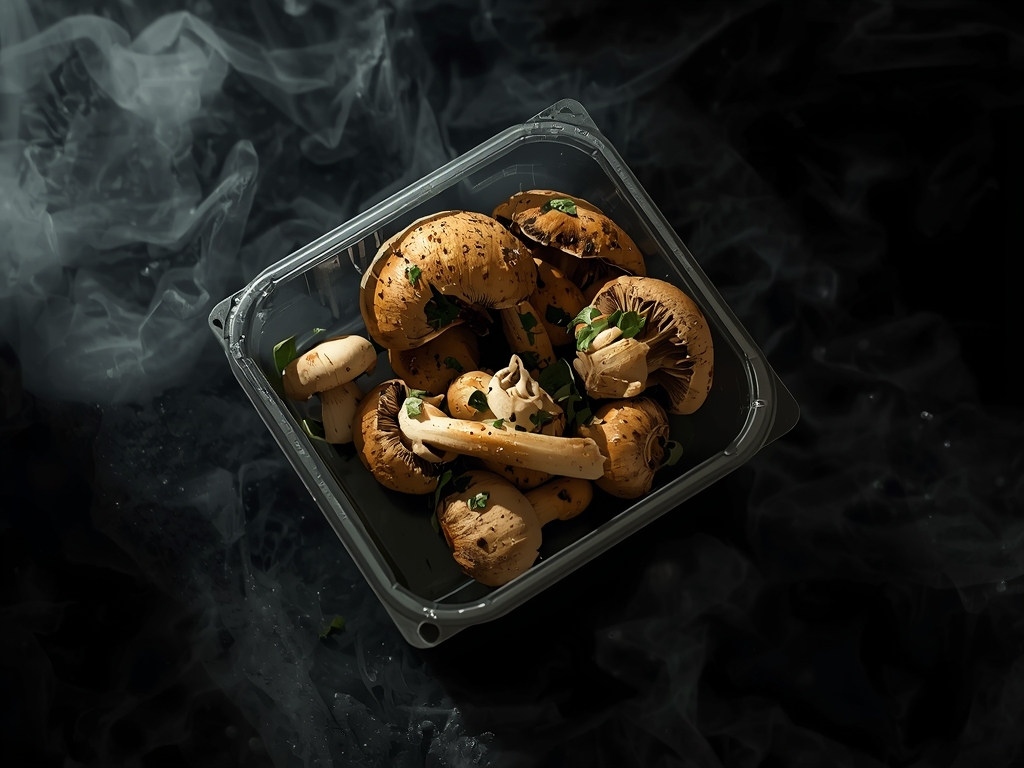
Plastic containers may seem convenient, but they have a dark side when it comes to mushroom storage. The airtight nature of plastic not only traps moisture but also creates an environment devoid of oxygen. This lack of oxygen accelerates the decay process, causing mushrooms to break down faster.
Oxygen Deprivation and Its Effects
Oxygen is essential for slowing down the decay process in mushrooms. In a plastic container, the limited oxygen supply means mushrooms can’t respire properly, leading to a quicker deterioration. This oxygen deprivation is a significant factor in the slime and wilt we often see in plastic-packaged mushrooms.
Eco-Friendly and Mushroom-Friendly: The Benefits of Paper Bags
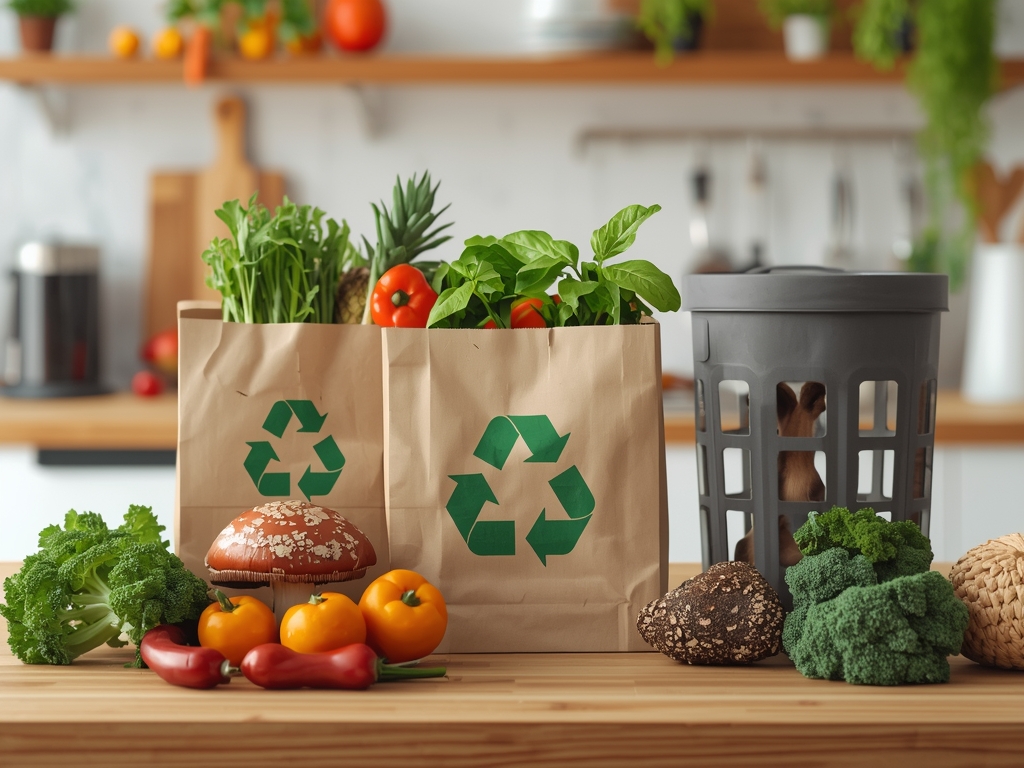
Beyond their breathability and moisture control, paper bags offer a more sustainable and eco-friendly option for mushroom packaging. Unlike plastic, paper is biodegradable and recyclable, making it a greener choice for both consumers and the environment. This aligns with the growing trend of eco-conscious living in the United States.
Sustainability in the Kitchen
As more Americans embrace sustainable living, the choice of packaging becomes increasingly important. Paper bags not only keep mushrooms fresh but also contribute to a reduced environmental footprint. By opting for paper over plastic, you’re making a small yet impactful change in your kitchen.
Practical Tips: How to Store Mushrooms Like a Pro
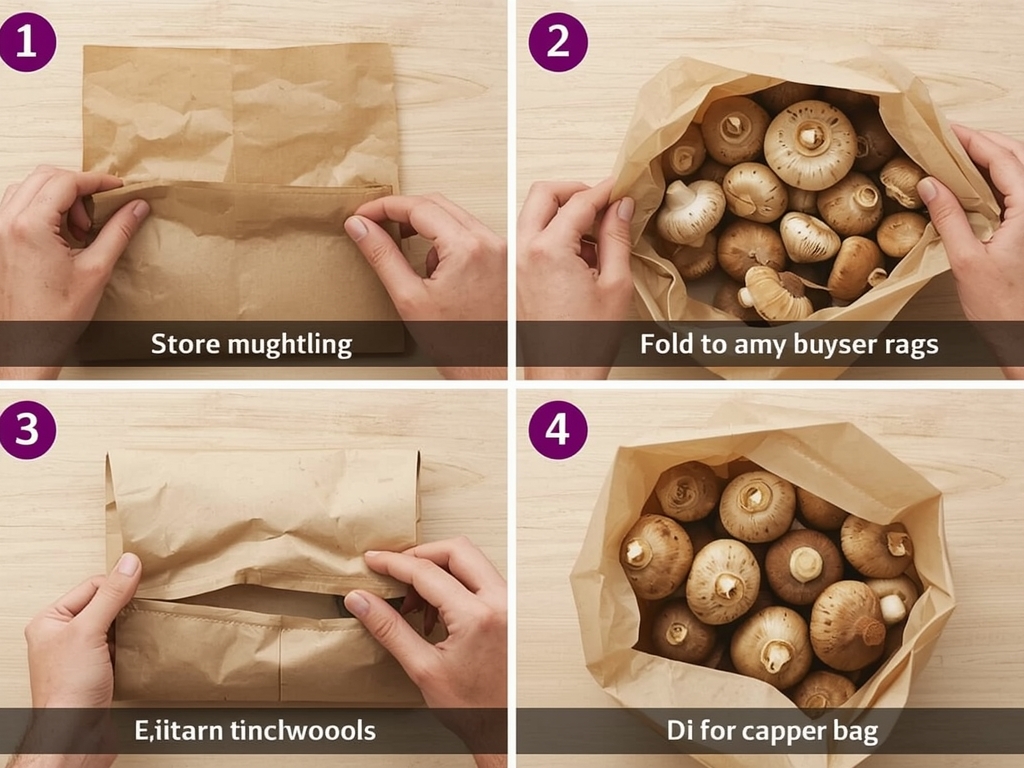
Now that we’ve established the superiority of paper bags, let’s explore some practical tips for storing mushrooms like a pro. Proper storage can significantly extend the life of your mushrooms, ensuring they stay fresh and slime-free.
Storing Mushrooms in Paper Bags
- Choose the Right Bag: Opt for a sturdy paper bag that can stand upright, allowing for better airflow.
- Fold and Secure: Fold the top of the bag to close it, but don’t seal it tightly. Secure it with a clip or a loose knot to maintain airflow.
- Store in a Cool Place: Keep the bag in a cool, dry area, away from direct sunlight. The refrigerator is ideal, but ensure the bag is not crushed.
FAQ: Your Mushroom Storage Questions Answered
Why do mushrooms get slimy in plastic containers?
Mushrooms release moisture as they respire, and plastic containers trap this moisture, creating a humid environment that promotes bacterial growth and slime.
Can I reuse paper bags for mushroom storage?
Yes, paper bags can be reused if they’re clean and dry. However, for optimal freshness, it’s best to use a new bag each time.
How long do mushrooms last in a paper bag?
When stored properly in a paper bag, mushrooms can last up to a week in the refrigerator. Always check for signs of spoilage before use.
Are there any mushrooms that don’t benefit from paper bag storage?
Most mushroom varieties benefit from paper bag storage. However, some delicate types, like oyster mushrooms, may require additional care due to their higher moisture content.
Can I store other produce in paper bags?
Absolutely! Paper bags are great for storing a variety of produce, including apples, potatoes, and onions. The breathability and moisture control benefits apply to many fruits and vegetables.

Lina leads the Fresh Hacks category, covering food storage tips, freshness preservation, and smart ways to extend the life of your groceries. Her guides help readers keep ingredients at peak quality for longer.

← Previous
Avocado Water Submerge: Stop Oxidation & Save Your Greens
Next →
Revive Wilted Lettuce with Ice Water Shock Therapy