Follow Me On Social Media!

Milk Expiry Dates Decoded: Sniff Test & Storage Tips
The Milk Expiry Myth: How to Read Dates and Perform the “Sniff Test” Safely
Milk is a staple in American households, but its expiration date can be a source of confusion. Many of us have tossed a carton of milk based on the date stamped on the package, only to wonder if it was still good. The truth is, milk expiration dates are more of a guideline than a hard rule. In this article, we’ll debunk the milk expiry myth, teach you how to read those confusing dates, and show you how to safely perform the “sniff test” to determine if your milk is still fresh.
Decoding Milk Expiration Dates: What Do They Really Mean?
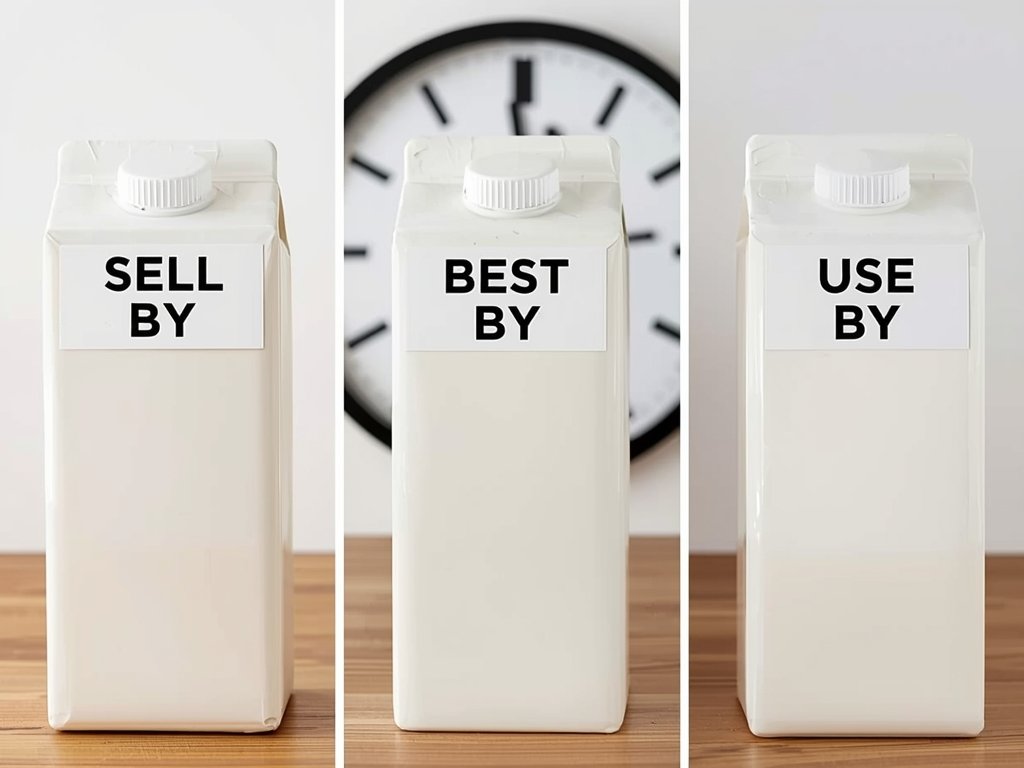
First things first: milk expiration dates aren’t one-size-fits-all. In the U.S., you’ll often see labels like “Sell By,” “Best By,” or “Use By.” These dates are not federally regulated, which means they’re set by manufacturers or retailers. Here’s the breakdown:
- Sell By: This date is for retailers, indicating when the store should sell the product by. It’s not an expiration date for consumers.
- Best By: This suggests when the milk will taste its best, but it can still be safe to drink after this date.
- Use By: This is the closest to an expiration date, but even then, it’s not set in stone.
The bottom line? These dates are estimates, not deadlines. Proper storage and sensory checks are just as important.
The Science Behind Milk Spoilage: Why It Happens
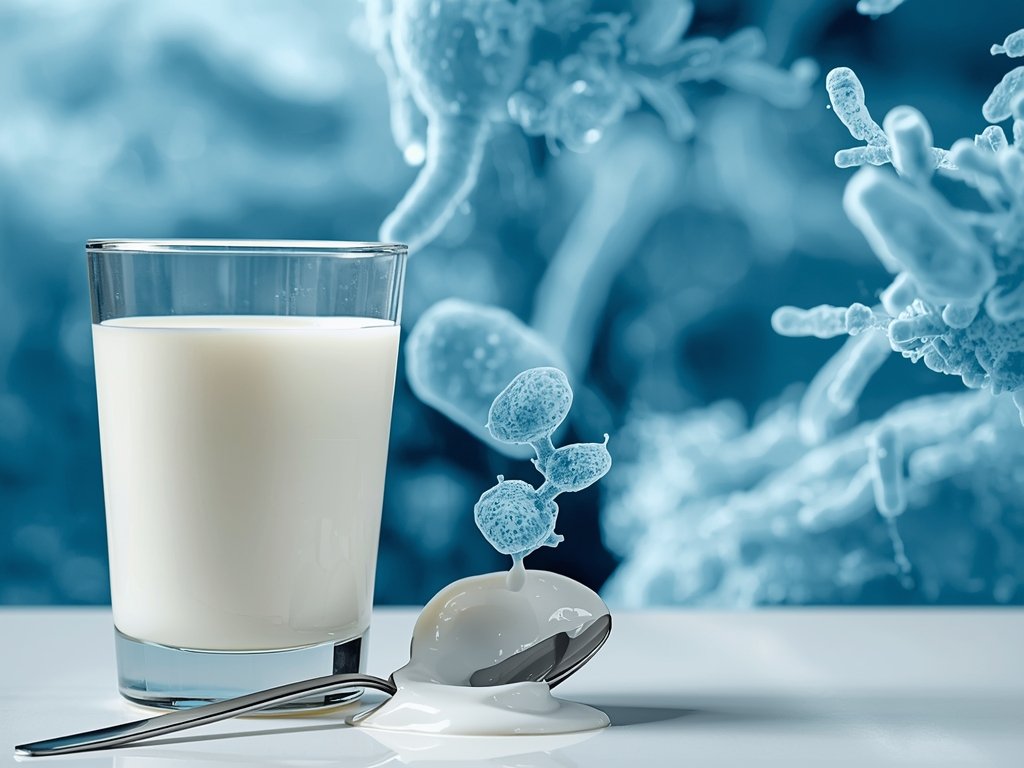
Milk spoils due to bacterial growth, which occurs when it’s exposed to air, heat, or improper storage. Common culprits include Lactobacillus and Streptococcus. While these bacteria aren’t always harmful, they can cause milk to curdle, smell sour, or taste off.
Pasteurization kills most bacteria, but it’s not foolproof. Over time, bacteria can still multiply, especially if the milk is left unrefrigerated or the carton is opened. Understanding this process helps you make informed decisions about whether your milk is still safe to consume.
How to Perform the “Sniff Test” Like a Pro
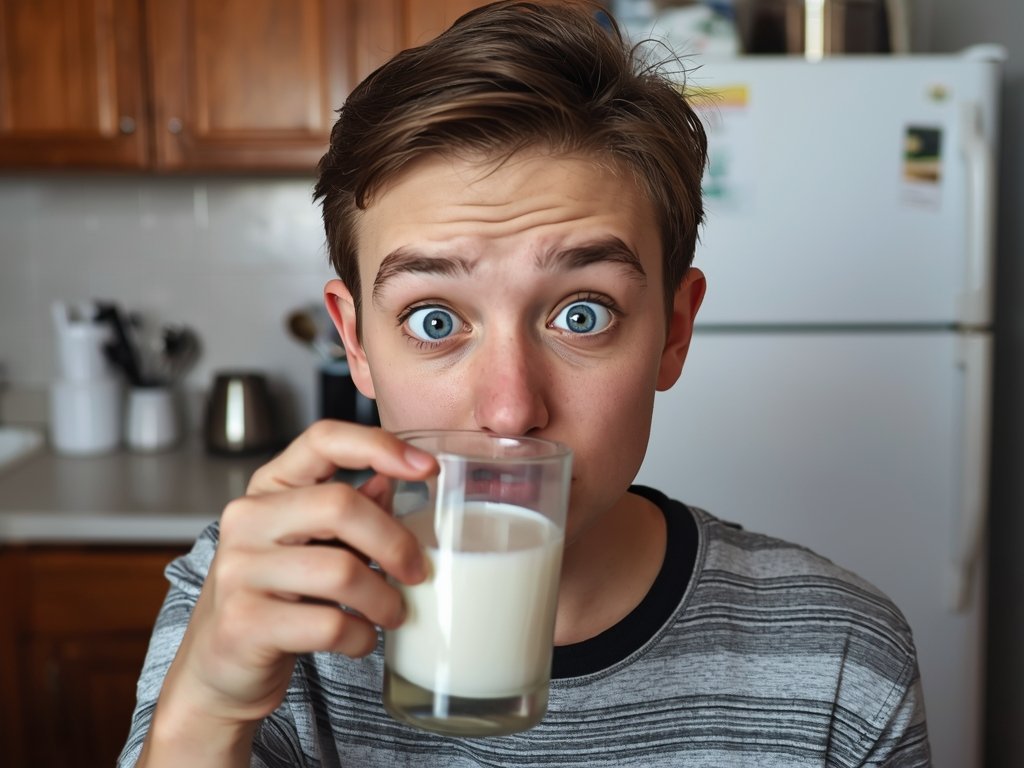
The “sniff test” is a time-honored method for checking if milk is still good. Here’s how to do it safely:
- Chill First: Always smell milk straight from the fridge. Warm milk can give off misleading odors.
- Pour a Small Amount: Transfer a bit of milk into a glass to avoid contaminating the entire carton.
- Sniff Carefully: Fresh milk should smell neutral or slightly sweet. If it smells sour, rancid, or “off,” it’s time to toss it.
Trust your senses—if something seems wrong, it probably is. But remember, the sniff test isn’t foolproof for detecting all types of spoilage, so combine it with other checks.
Visual and Texture Clues: When Milk Goes Bad
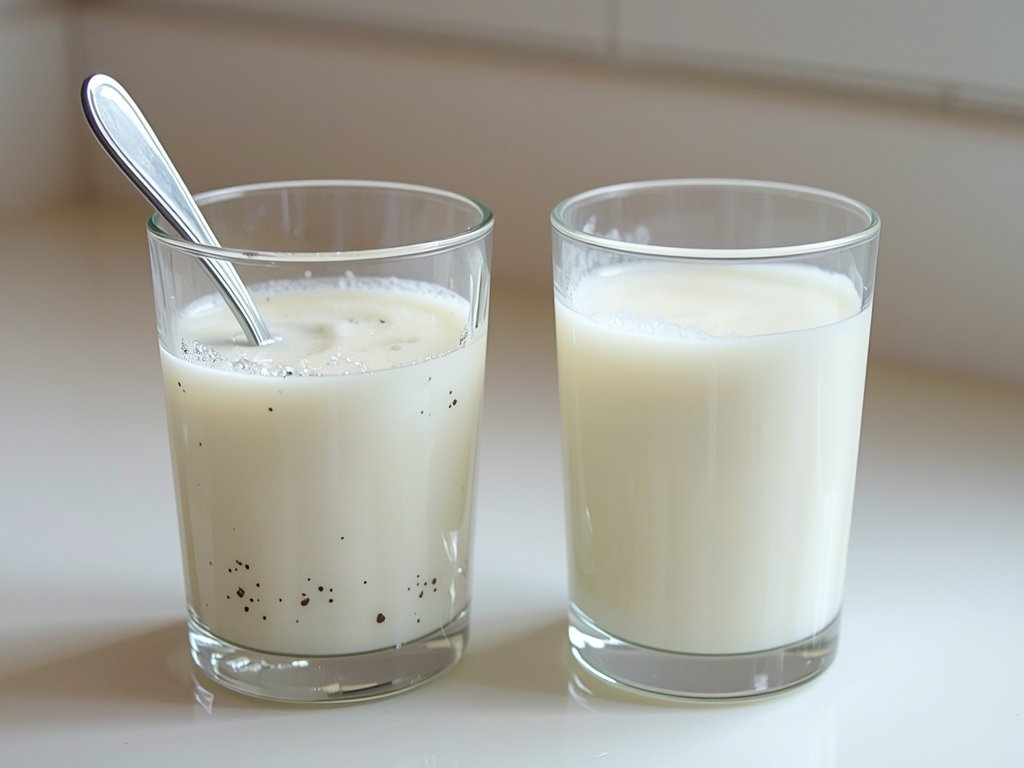
Smell isn’t the only indicator of spoiled milk. Look for these visual and textural signs:
- Curdling: If the milk appears lumpy or chunky, it’s definitely spoiled.
- Discoloration: Fresh milk should be creamy white. Yellow or brownish hues are red flags.
- Thickness: Spoiled milk often becomes thicker or slimy, especially around the edges of the container.
If you notice any of these signs, play it safe and discard the milk. It’s better to waste a little than risk getting sick.
Proper Milk Storage: Extending Its Shelf Life
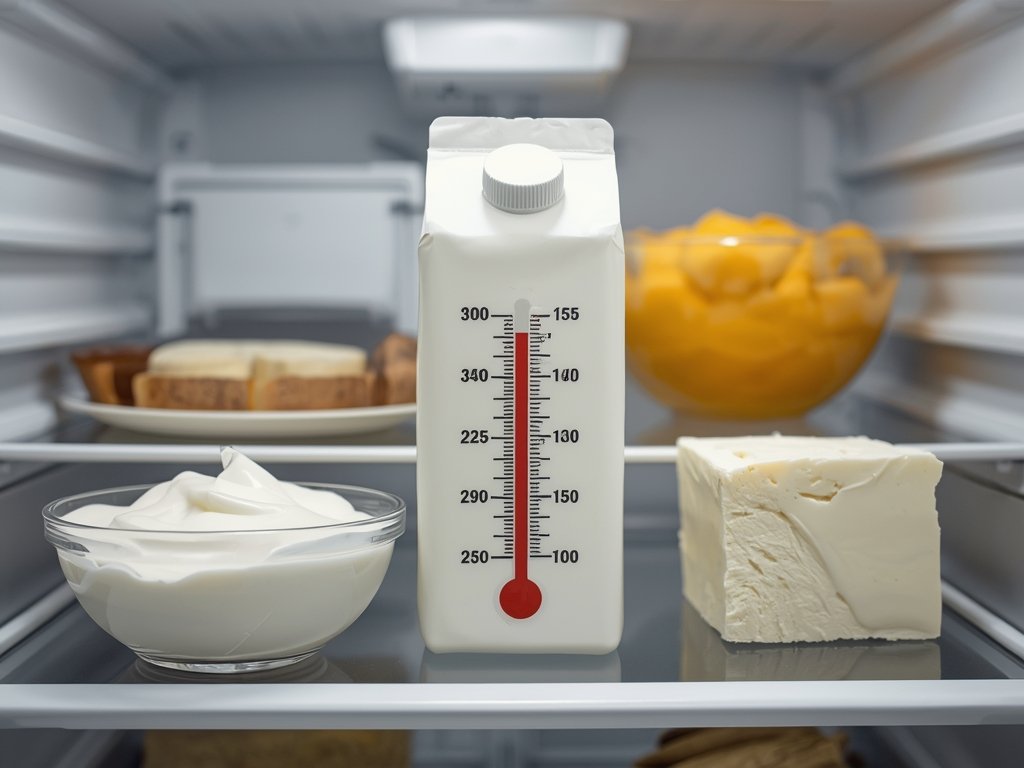
How you store milk can significantly impact its freshness. Follow these tips to keep it safe and tasty for longer:
- Keep It Cold: Store milk at 40°F (4°C) or below. The fridge door is the warmest spot, so opt for the back shelves.
- Seal Tightly: Always close the carton securely to prevent air and contaminants from getting in.
- Avoid Light: Milk in clear containers can spoil faster due to light exposure. Choose opaque packaging or store it in a dark place.
By storing milk properly, you can often extend its life beyond the printed date, saving money and reducing waste.
FAQ: Your Milk Expiry Questions Answered
Can I drink milk past its expiration date?
Yes, if it passes the sniff and visual tests. Milk can often be safe to consume for several days after the printed date if stored properly.
Does organic milk spoil faster than regular milk?
Not necessarily. Organic milk is processed similarly to conventional milk, so its shelf life is comparable. Storage conditions play a bigger role.
Can I freeze milk to make it last longer?
Yes, but it may change in texture. Thawed milk is best used in cooking or baking rather than drinking. Always freeze it in airtight containers, leaving room for expansion.
Is it safe to consume spoiled milk by accident?
It depends. Mildly spoiled milk might cause an upset stomach, but severe cases can lead to food poisoning. If you’re unsure, err on the side of caution.
How long does opened milk last in the fridge?
Opened milk typically lasts 5–7 days in the fridge, but always check for signs of spoilage before consuming.