Follow Me On Social Media!

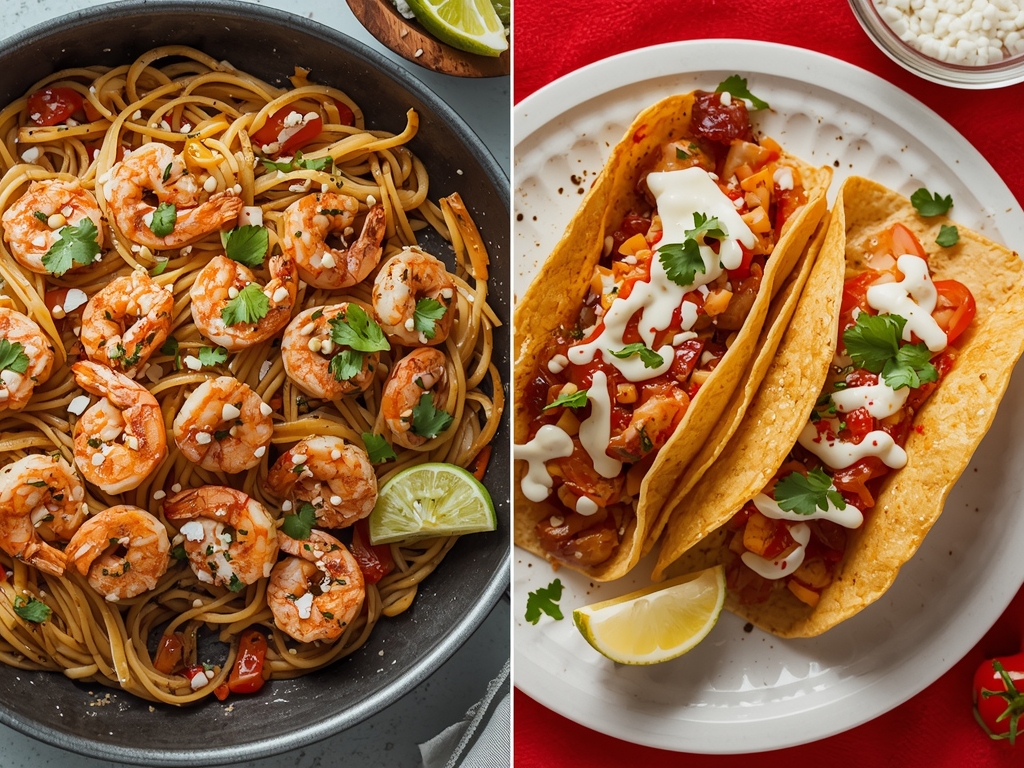
One marinade, two bold personalities.
Why Marinated Shrimp Is a Power Move in the Kitchen
Shrimp is fast. Almost too fast. Blink, and it goes from tender to rubbery. That’s why so many shrimp dishes disappoint—no flavor inside, overcooked outside, and zero room for leftovers.
Marinating shrimp changes everything.
A smart marinade doesn’t just add flavor. It protects the shrimp, seasons it evenly, and gives you flexibility. With the right base, the same batch of marinated shrimp can slide effortlessly into two completely different meals: a rich, garlicky pasta one night and punchy, spicy tacos the next.
This isn’t about cooking shrimp twice. It’s about designing shrimp that can travel.
What Happens When Shrimp Meets Marinade (And Why Timing Matters)
Shrimp is delicate. Its muscle fibers are short and fine, which means flavor penetrates quickly—but so does damage.
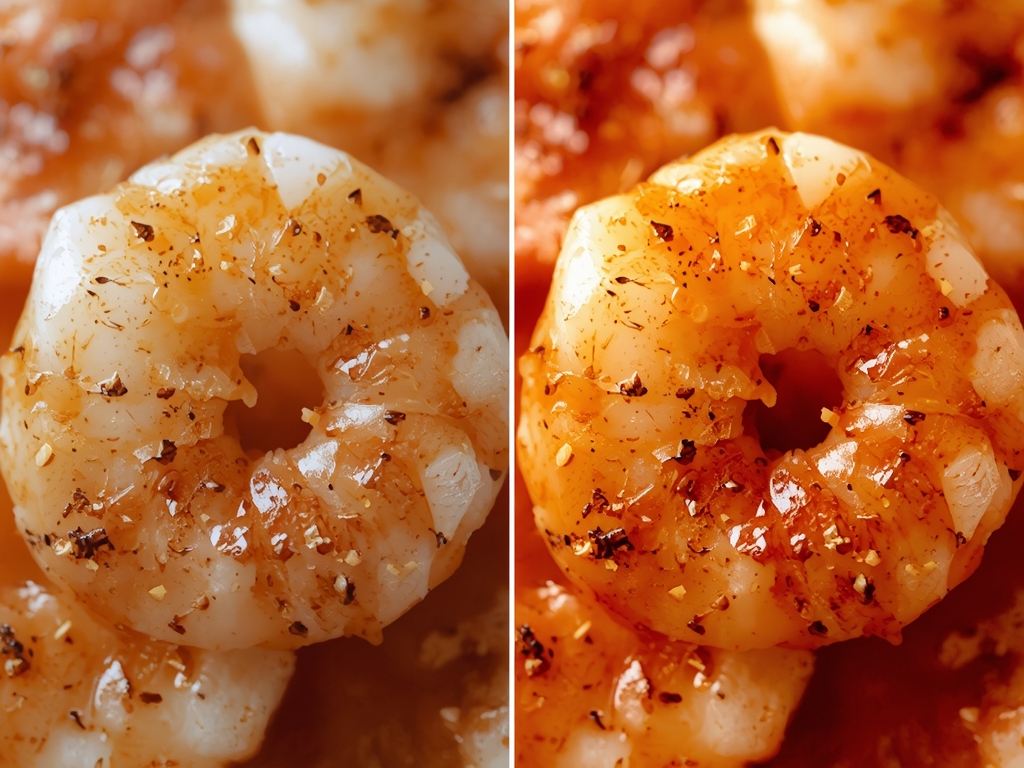
The good:
- Oil coats the shrimp, slowing moisture loss
- Salt seasons the interior, not just the surface
- Aromatics cling to every curve
The danger:
- Acid (lemon, vinegar) cooks shrimp if left too long
- Over-marination leads to mushy texture
The rule that saves everything:
15–30 minutes max.
That’s it. Shrimp doesn’t need hours. It needs precision.
When done right, marinated shrimp cooks faster, browns better, and stays juicy—even when reused.
The One Marinade That Works for Two Meals
This is your flexible base—savory enough for pasta, bold enough for tacos.
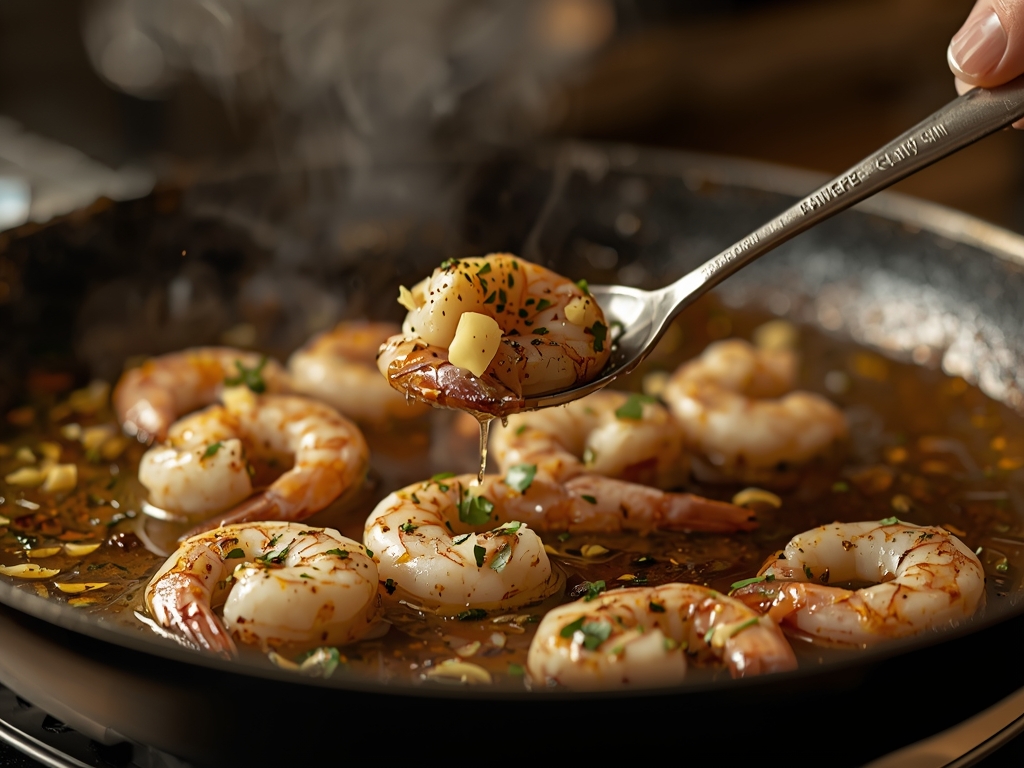
Universal Shrimp Marinade
- Olive oil
- Minced garlic
- Paprika
- Chili flakes (adjustable)
- Salt
- Optional: lime zest (not juice yet)
Mix, toss shrimp, rest 20 minutes in the fridge.
Why it works:
No heavy acid upfront. No sugar to burn. Just fat, salt, and aromatics—perfect for high heat and multiple uses.
First Transformation: Garlic Shrimp Pasta That Feels Luxurious
This is shrimp at its most comforting.
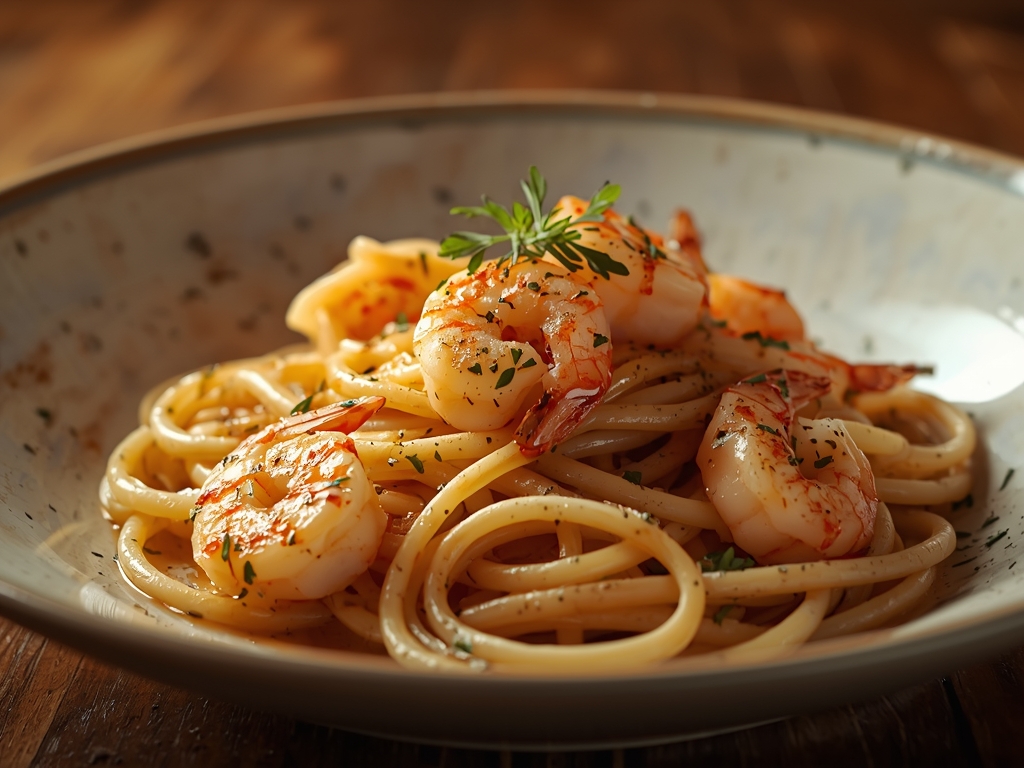
Cook the shrimp hot and fast in a wide pan. The marinade turns into a light sauce base, especially once garlic hits heat. Remove shrimp early—don’t let them overcook—then build the pasta sauce in the same pan.
Add butter or olive oil, pasta water, and cooked noodles. Shrimp goes back in at the very end, just to warm through.
The result?
Shrimp that tastes infused, not coated. Pasta that feels restaurant-level without effort.
Second Transformation: Spicy Shrimp Tacos with Attitude
Same shrimp. Completely different energy.
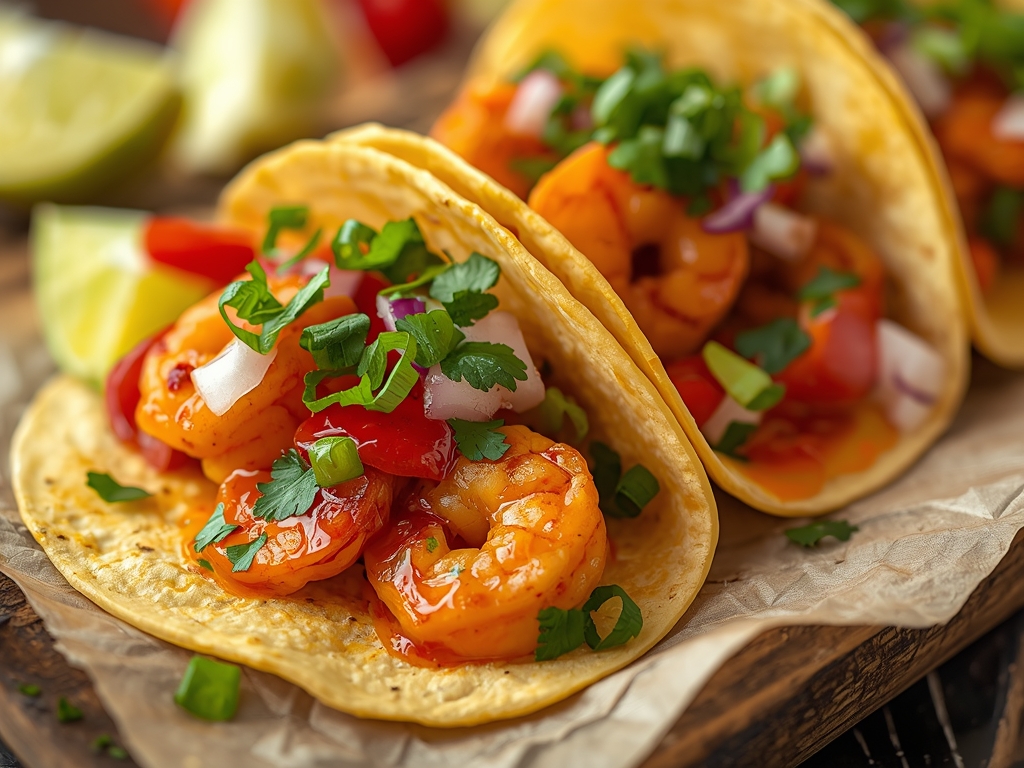
For tacos, shrimp wants heat and char. A quick pan-sear or grill brings out smokiness, while chili and garlic stay bold. Finish with a squeeze of lime after cooking—this is where acid belongs.
Tuck shrimp into warm tortillas. Add crunch (slaw, onion), freshness (cilantro), and a creamy contrast if you like.
What makes this work is contrast:
- Warm, spicy shrimp
- Cool, crisp toppings
- Soft tortillas
No one would guess these tacos started as pasta shrimp.
Small Tweaks That Create Big Flavor Shifts
One marinade doesn’t mean one flavor.
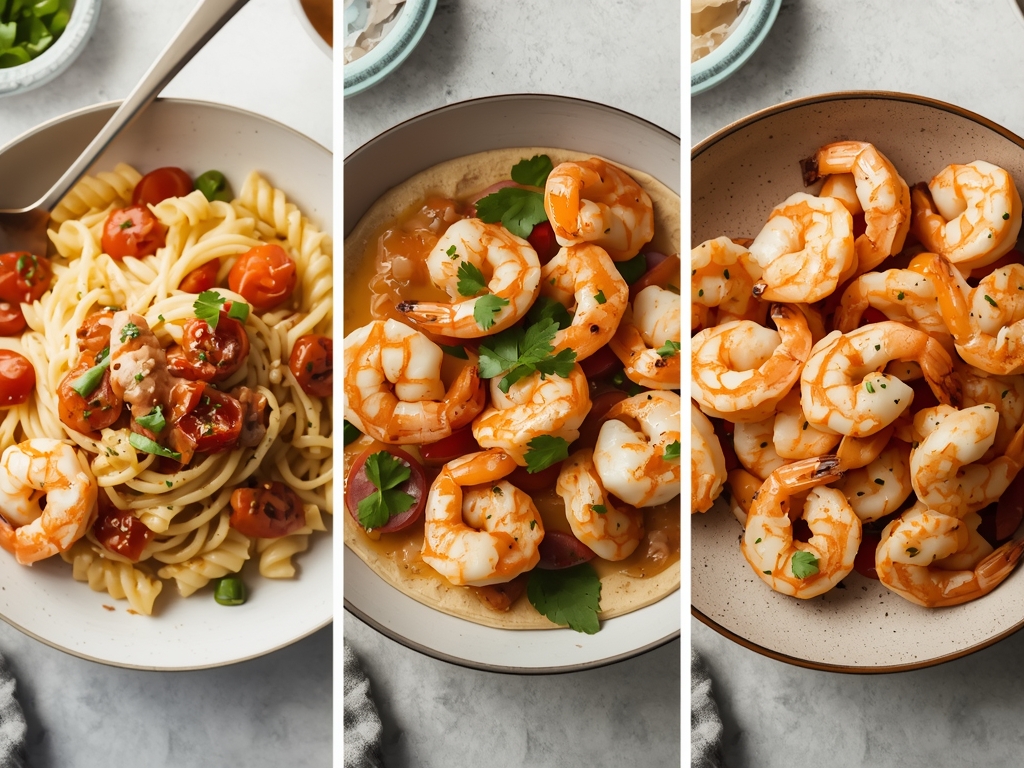
For pasta nights:
- Add butter or cream at the end
- Finish with parsley or parmesan
- Keep heat subtle
For taco nights:
- Add extra chili or smoked paprika
- Finish with lime juice
- Pair with fresh salsa or crema
Same shrimp. Different finishing moves.
Storing and Reusing Marinated Shrimp Safely
Shrimp demands respect.
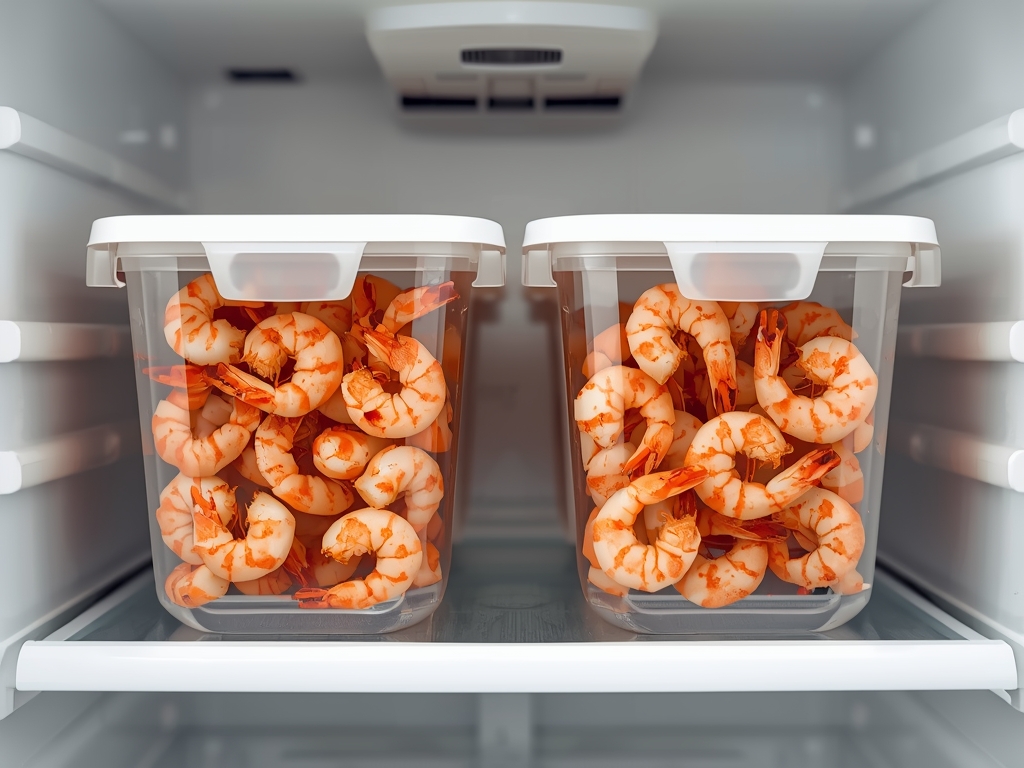
Raw, marinated shrimp:
- Use within 24 hours
- Keep tightly covered at ≤4°C (40°F)
Cooked shrimp:
- Refrigerate up to 3 days
- Reheat gently or eat cold
Do:
- Cook shrimp fully before storing
- Reheat with moisture
- Use leftover shrimp in saucy dishes
Don’t:
- Re-marinate cooked shrimp
- Reheat aggressively
- Store raw shrimp too long in acid
Questions People Always Ask About Marinated Shrimp
Can I marinate shrimp overnight?
No. Texture will suffer. Keep it under 30 minutes.
Does marinating shrimp make it tender?
Yes—if done briefly. Too long makes it mushy.
Can I use frozen shrimp?
Absolutely. Thaw completely and pat dry first.
Why did my shrimp turn rubbery?
Overcooking or too much acid—often both.
Is shrimp better pan-seared or grilled?
Both. High heat, short time is what matters.
Final Thought
Marinated shrimp isn’t a recipe—it’s a strategy. When you build flavor first and decide the dish later, shrimp stops being fragile and starts being flexible. Pasta tonight, tacos tomorrow. Same effort. Two wins.

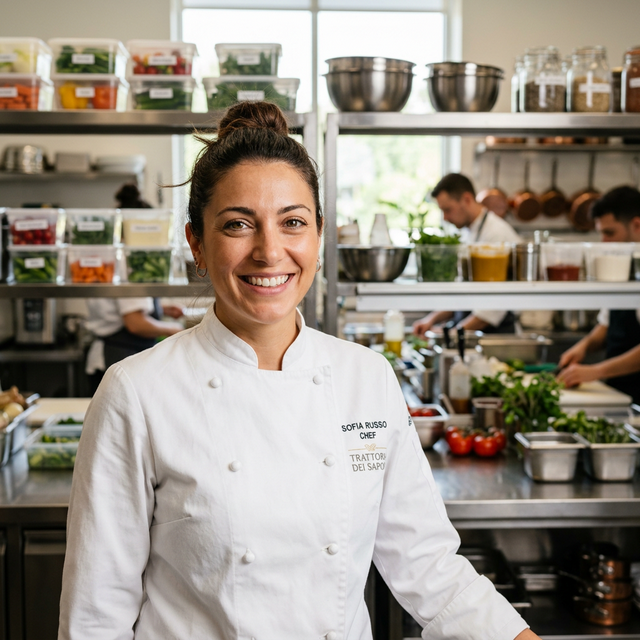
Sofia writes for the Smart Prep category, covering meal planning strategies, batch cooking techniques, and weekly prep guides. Her articles help busy families organize their cooking to save time and money.
← Previous
Batch Cooking Quinoa: From Buddha Bowls to Breakfast Porridge
Next →
The Rice Strategy: From Steamed Rice to Crispy Arancini Balls