Follow Me On Social Media!

The Benedict Hangover: Resurrecting Yesterday’s Glory

We’ve all been there—a weekend brunch that leaves you with more than just a mimosa buzz. Leftover Eggs Benedict staring back at you from the fridge, the hollandaise looking a little worse for wear. Fear not, fellow food lovers! Reviving this brunch icon is totally doable, and no, you won’t need a culinary degree or a magic wand.
Hollandaise, that creamy, buttery sauce, is notoriously finicky. Reheating it the wrong way can turn it into a grainy, broken mess faster than you can say “bottomless brunch.” But with a few simple tricks, you’ll be savoring that rich, tangy sauce again in no time.
Why Hollandaise Hates the Microwave (And What to Do Instead)

Let’s get one thing straight: the microwave is not your friend here. Hollandaise is an emulsion, a delicate balance of butter and egg yolks. Microwaves heat unevenly, causing the butter to separate and the eggs to curdle. The result? A sad, oily puddle instead of that silky sauce you crave.
The key to reheating hollandaise is low and slow. Think of it like coaxing a grumpy cat out from under the bed—gentle persistence pays off. A double boiler or a heatproof bowl over simmering water is your best bet. Keep the heat low and stir constantly to maintain that smooth texture.
The Art of the Double Boiler: A Hollandaise Lifesaver
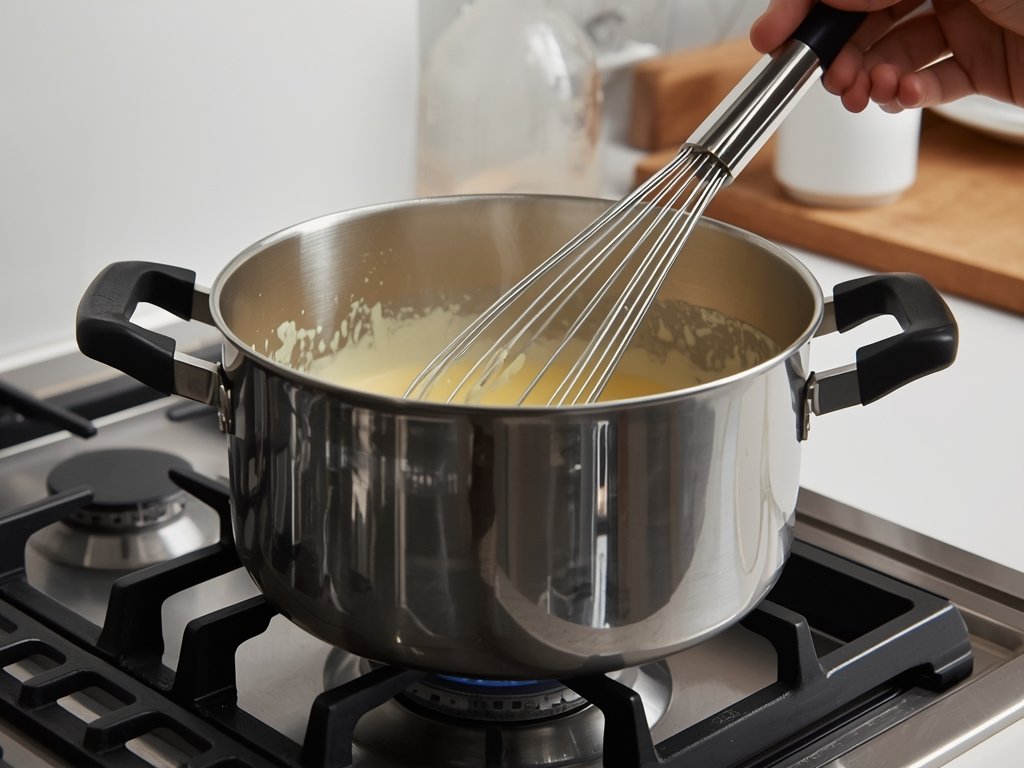
If you don’t own a double boiler, don’t sweat it. Just grab a heatproof bowl and a saucepan. Fill the saucepan with a couple inches of water and bring it to a gentle simmer. Place the bowl on top, making sure it doesn’t touch the water. This creates an indirect heat source, perfect for temperamental sauces like hollandaise.
Add your leftover hollandaise to the bowl and whisk constantly as it warms. If it starts to thicken too much, add a teaspoon of warm water to loosen it up. Keep the heat low and be patient—this isn’t a race. You’re aiming for a warm, velvety sauce, not a boiling mess.
The Poached Egg Problem: Bringing Back the Bounce
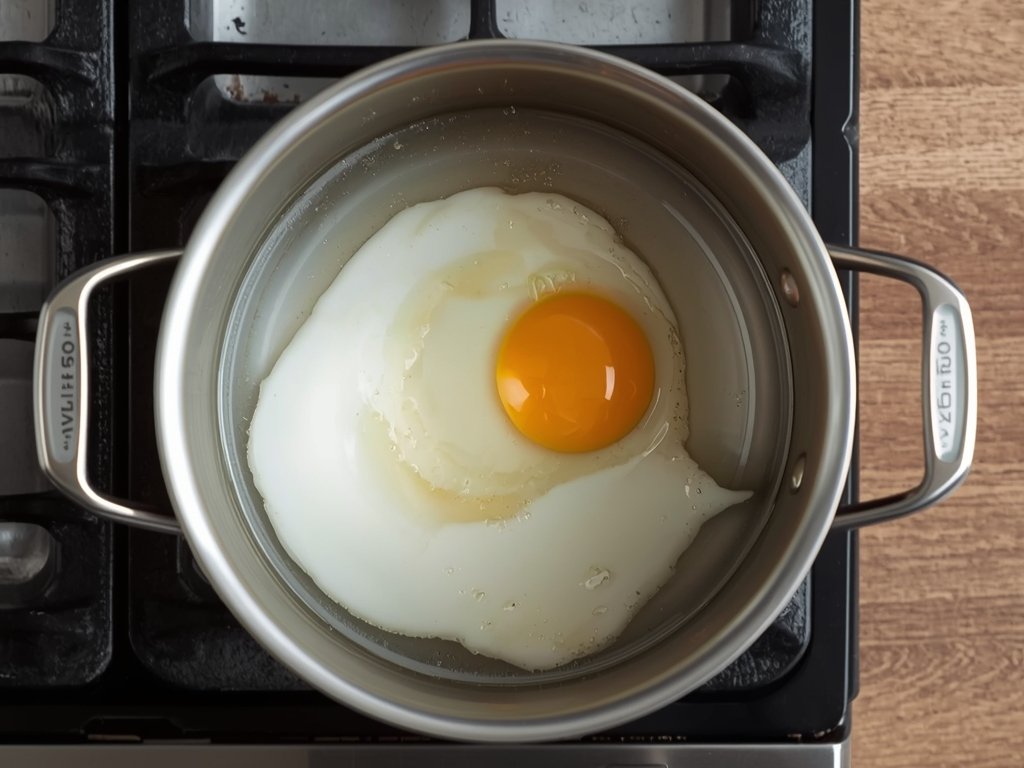
While the hollandaise is getting its groove back, let’s talk about those poached eggs. Reheating them can be tricky, but it’s not impossible. The goal is to warm the whites without overcooking the yolks. A quick dip in barely simmering water does the trick.
Bring a small pot of water to a gentle simmer. Carefully lower the poached eggs into the water using a slotted spoon. Let them warm for about 30 seconds, then remove them with the spoon. Pat them dry with a paper towel to remove any excess water. Voilà—your eggs are ready for their close-up.
The English Muffin Makeover: Crispiness Redux

No Eggs Benedict is complete without a perfectly toasted English muffin. If yours has lost its crunch overnight, a quick trip to the toaster or skillet will bring it back to life. Toast it until it’s golden brown and crispy, then brush it with a little melted butter for that extra indulgence.
If you’re feeling fancy, add a sprinkle of fresh chives or a slice of crispy bacon for a modern twist. After all, brunch is all about creativity, right?
Assembly Line: Putting It All Together
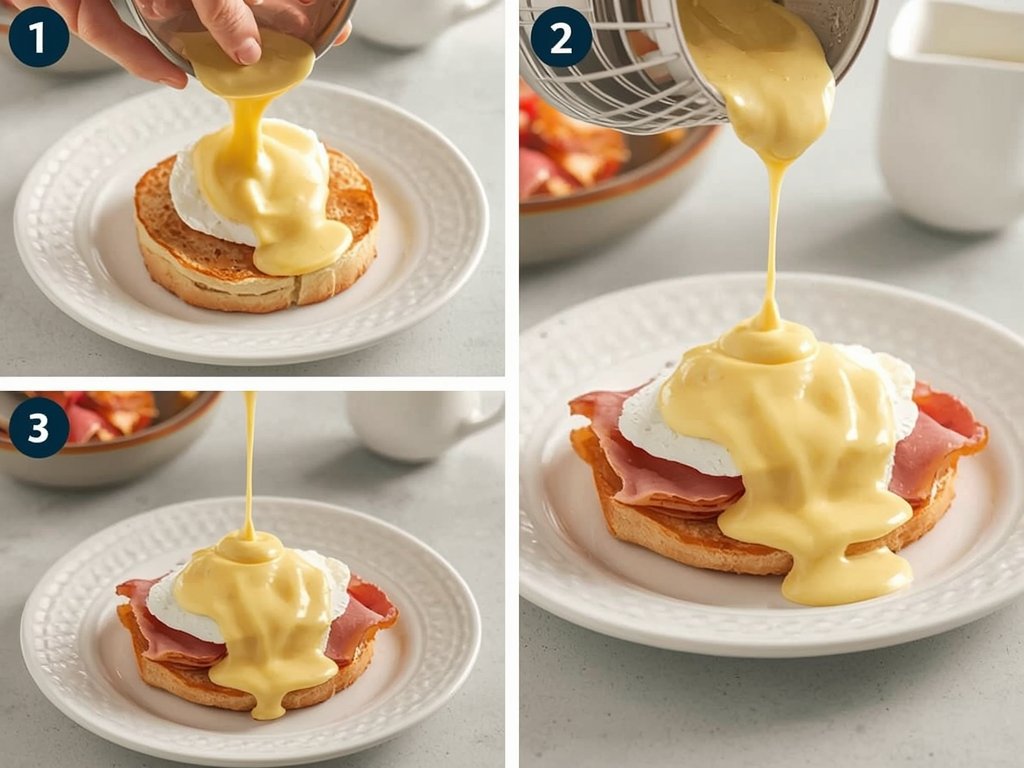
Now that all your components are warmed and ready, it’s time to assemble. Start with the toasted English muffin, then layer on a slice of ham or Canadian bacon. Carefully place the warmed poached egg on top, making sure the yolk is still runny. Finally, drizzle that beautifully reheated hollandaise over everything.
Garnish with a sprinkle of paprika, a dash of cayenne, or a few fresh chives for a pop of color. Grab your fork and knife—your resurrected Eggs Benedict is ready to be devoured.
FAQ: Your Burning Questions Answered
Can I reheat hollandaise in the microwave?
While it’s possible, it’s not recommended. Microwaves heat unevenly, causing the hollandaise to break and separate. Stick to a double boiler or gentle stovetop method for best results.
How long can leftover Eggs Benedict be stored?
Leftover Eggs Benedict should be stored in the fridge and consumed within 24 hours. After that, the texture and flavor start to decline.
Can I freeze hollandaise sauce?
Freezing hollandaise is not ideal, as the emulsion tends to break down when thawed. It’s best to make it fresh or reheat leftovers gently on the stovetop.
What can I use instead of English muffins?
If you’re out of English muffins, try using toasted sourdough, biscuits, or even a bed of sautéed spinach for a low-carb option.
How do I prevent hollandaise from breaking in the first place?
Keep the heat low, whisk constantly, and add the butter slowly. If it starts to separate, add a teaspoon of cold water and whisk vigorously to bring it back together.

Marco covers the Reheat Pro category on TwiceTasty, focusing on reheating techniques and texture preservation. His articles help home cooks bring leftovers back to life with the right methods for every type of food — from crispy fried chicken to creamy pastas.