Follow Me On Social Media!

Snip, Snip: The Unsung Hero of Your Kitchen Drawer
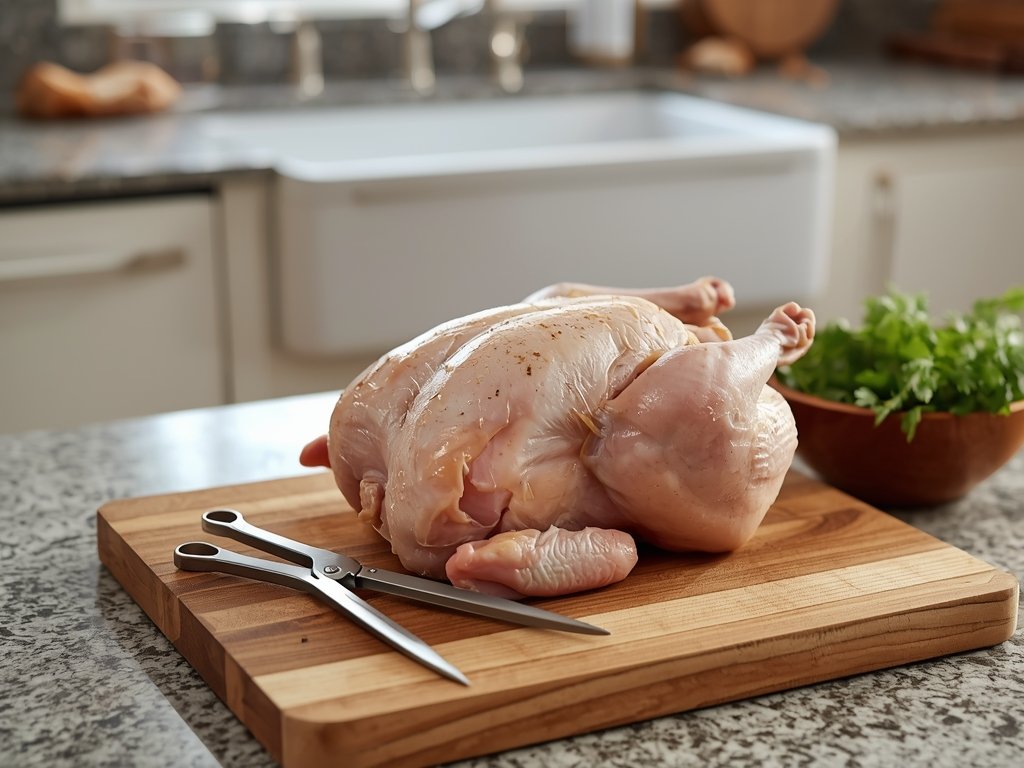
In the heart of every American kitchen, there’s a tool that often goes unnoticed, yet it’s capable of transforming the way you prep meals. Kitchen shears, or scissors, are not just for opening packages or trimming parchment paper. They’re a powerhouse when it comes to handling poultry, especially chicken. If you’ve ever struggled with a slippery knife or uneven cuts, it’s time to give your shears the spotlight they deserve.
Why Kitchen Shears Beat Knives for Chicken

Let’s face it, cutting raw chicken with a knife can be a messy affair. The meat is often slippery, and the bones can be tough to navigate. Kitchen shears, on the other hand, offer a level of control and precision that knives simply can’t match. They allow you to make clean, accurate cuts without the risk of slipping and injuring yourself. Plus, they’re perfect for trimming fat, spatchcocking, or even portioning chicken into smaller pieces.
Safety First: Reducing the Risk of Accidents
One of the most significant advantages of using kitchen shears is the reduced risk of accidents. With a firm grip and controlled snipping motion, you’re less likely to lose control compared to wielding a sharp knife. This is especially important when dealing with raw meat, where a single slip can lead to cross-contamination or, worse, a trip to the emergency room.
Efficiency in the Kitchen: Saving Time and Effort
Time is of the essence in the kitchen, especially during busy weeknights. Kitchen shears can significantly speed up your prep work. No more struggling to debone a chicken or trim excess fat. With a few strategic snips, you can have your poultry ready for the pan, oven, or grill in a fraction of the time it would take with a knife.
Mastering the Art of Chicken Prep with Shears
Now that you’re convinced of the benefits, let’s dive into the techniques that will make you a kitchen shears maestro. From spatchcocking to portioning, these methods will elevate your chicken dishes and streamline your cooking process.
Spatchcocking: The Secret to Even Cooking
Spatchcocking, or butterflying, a chicken is a game-changer for roasting. By removing the backbone and flattening the bird, you ensure even cooking and crispy skin. With kitchen shears, this process is a breeze. Simply cut along either side of the backbone, remove it, and press down on the breastbone to flatten the chicken. It’s a technique that will make your Sunday roasts the talk of the town.
Portioning Made Easy: Cutting Chicken into Pieces
Whether you’re making a stir-fry or a hearty stew, cutting a whole chicken into pieces can be daunting. Kitchen shears simplify this task. Start by separating the legs and wings, then cut through the breastbone to divide the breasts. You’ll have perfectly portioned pieces ready for your recipe, without the hassle of a heavy cleaver or awkward knife work.
Beyond Chicken: Versatile Uses for Kitchen Shears
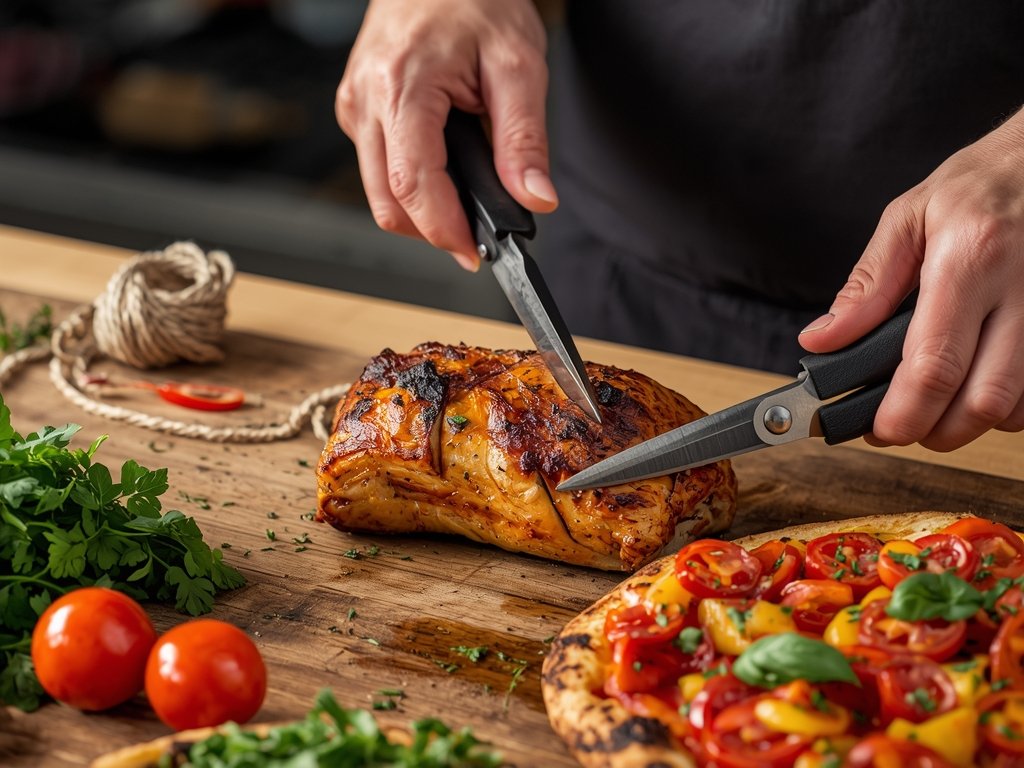
While chicken is our focus, kitchen shears are far from a one-trick pony. Their utility extends to various tasks, making them an indispensable tool in your culinary arsenal. From trimming pizza toppings to snipping fresh herbs, these shears are ready to tackle any challenge you throw their way.
Herbs and Greens: Snipping with Precision
Chopping herbs with a knife can be tedious and often results in bruised leaves. Kitchen shears offer a gentler approach, allowing you to snip herbs directly into your dish. This method preserves the delicate flavors and textures, ensuring your dishes taste as fresh as possible. It’s a small detail that can make a big difference in your cooking.
Opening Packages and Trimming Fats: The Everyday Tasks
Let’s not forget the everyday tasks that kitchen shears excel at. Opening sealed packages, trimming excess fat from meats, or even cutting cooking twine for roasts—these shears handle it all with ease. Their versatility means you’ll find yourself reaching for them time and time again, making them a true workhorse in the kitchen.
Choosing the Right Kitchen Shears for Your Needs
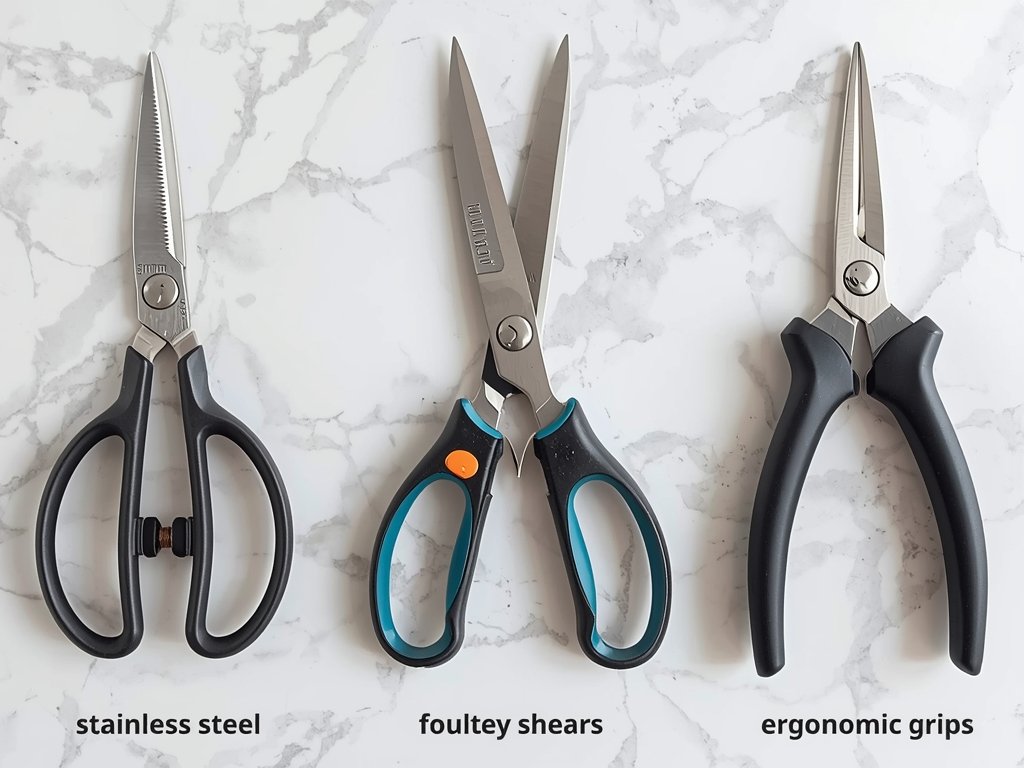
Not all kitchen shears are created equal. When it comes to cutting chicken, you’ll want a pair that’s sturdy, sharp, and comfortable to use. Here’s what to look for to ensure you’re getting the best tool for the job.
Material Matters: Stainless Steel for Durability
Opt for kitchen shears made from high-quality stainless steel. This material is durable, rust-resistant, and easy to clean. It can handle the rigors of cutting through bones and tough skin without dulling or bending. Plus, stainless steel shears often come with a sleek, professional look that complements any kitchen.
Ergonomics: Comfort for Extended Use
Comfort is key, especially if you plan to use your shears frequently. Look for ergonomic handles with soft grips that reduce hand fatigue. This feature is particularly important when dealing with larger birds or multiple chickens at once. Your hands will thank you after a long session of prep work.
Maintenance Tips: Keeping Your Shears Sharp and Clean

To ensure your kitchen shears remain in top condition, proper maintenance is essential. Regular cleaning and sharpening will keep them performing at their best, ready to tackle any task you throw their way.
Cleaning: Preventing Cross-Contamination
After each use, especially with raw chicken, it’s crucial to clean your shears thoroughly. Disassemble them if possible and wash with hot, soapy water. Use a brush to remove any debris from the hinges and blades. For added safety, consider sanitizing them with a food-safe disinfectant to prevent cross-contamination.
Sharpening: Maintaining Cutting Efficiency
Over time, even the best shears can lose their edge. Regular sharpening will keep them cutting smoothly. Invest in a sharpening tool designed for scissors or take them to a professional sharpener. A sharp pair of shears not only makes your work easier but also safer, as less force is required to make clean cuts.
FAQ
Can I use regular scissors instead of kitchen shears?
While regular scissors can be used in a pinch, kitchen shears are specifically designed for culinary tasks. They are more durable, often have micro-serrated blades for better grip, and are easier to clean, making them a safer and more efficient choice for cutting chicken.
How do I safely store kitchen shears?
Store your kitchen shears in a drawer with a blade guard or in a knife block designed to hold shears. Ensure they are securely closed and out of reach of children. Proper storage not only keeps them sharp but also prevents accidents.
Are kitchen shears dishwasher safe?
Many kitchen shears are dishwasher safe, but it’s always best to check the manufacturer’s instructions. Hand washing is generally recommended to maintain their sharpness and longevity, especially for shears with non-detachable blades.
Can kitchen shears be used on frozen chicken?
Using kitchen shears on frozen chicken is not recommended, as it can damage the blades and pose a safety risk. Always thaw chicken before cutting to ensure clean, safe, and efficient results.
How often should I replace my kitchen shears?
With proper care, high-quality kitchen shears can last for years. However, if you notice significant dulling, rust, or damage that affects performance, it’s time to replace them. Regular maintenance can extend their lifespan, but eventually, even the best shears will need to be retired.

David handles the Kitchen Gear category, reviewing tools, equipment, and accessories that make cooking and food storage easier. His articles focus on practical recommendations for everyday home cooks.

← Previous
Salad Spinner Hack: Dry Herbs and Berries Without Bruising
Next →
Rice Cooker Cake Magic: Fluffy Desserts Made Easy