Follow Me On Social Media!

The Truth About Non-Stick Pans: Scratches, Safety, and Your Health
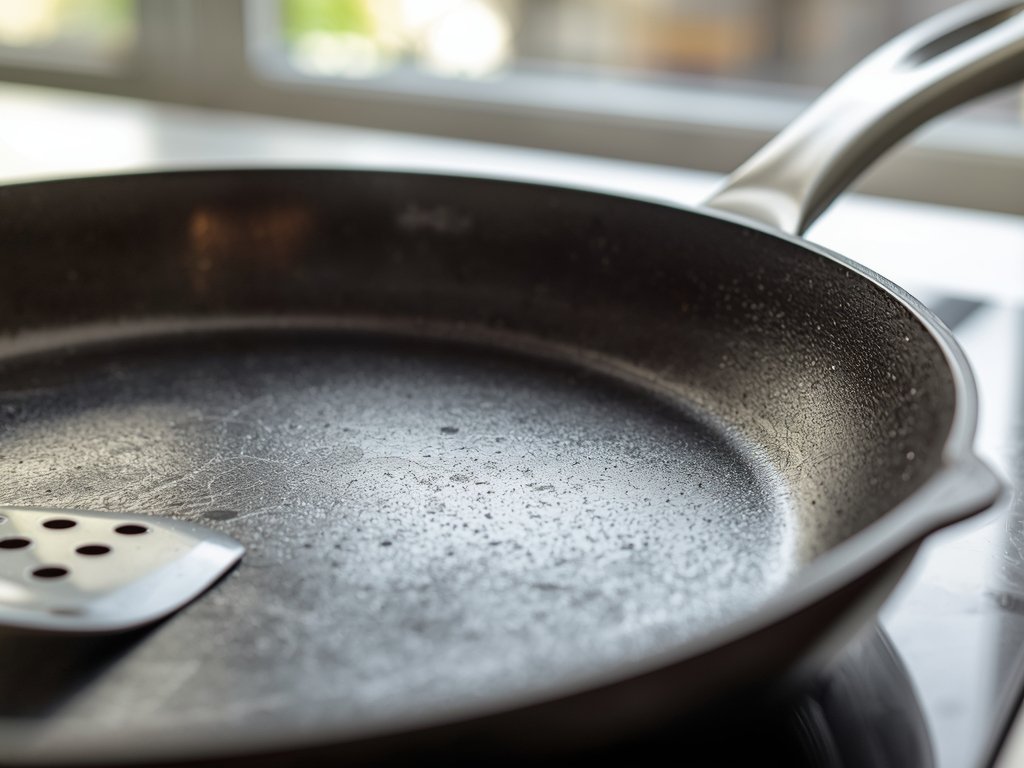
Non-stick pans have been a staple in American kitchens for decades, promising effortless cooking and easy cleanup. But as soon as those telltale scratches appear, doubts start creeping in. Are these pans still safe to use? What’s really lurking beneath the surface? Let’s separate fact from fiction and uncover when it’s time to say goodbye to your trusty cookware.
What’s in That Coating, Anyway?
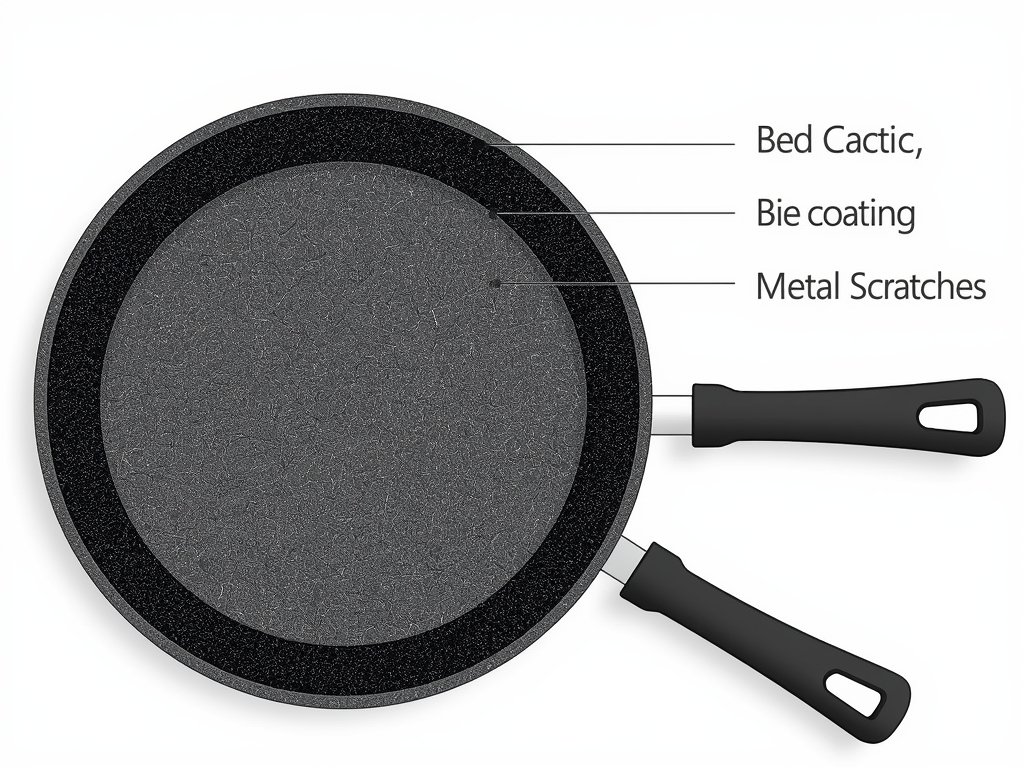
Most non-stick pans are coated with polytetrafluoroethylene (PTFE), commonly known by the brand name Teflon. This chemical creates a smooth, slippery surface that prevents food from sticking. But PTFE isn’t the only player—older pans may also contain perfluorooctanoic acid (PFOA), a chemical phased out in the U.S. due to health concerns.
When heated to extreme temperatures (above 570°F), PTFE can break down and release fumes that are harmful to humans and pets, particularly birds. While this isn’t a typical cooking temperature, it’s a risk to be aware of, especially with scratched or aged pans.
Scratches: More Than Just an Eyesore

How Scratches Happen
From metal utensils to harsh scrubbing, scratches are almost inevitable with non-stick pans. Even stacking pans or using abrasive sponges can damage the coating. These scratches expose the metal base, which can react with food or leach into it, depending on the material.
The Risk of Exposure
Scratches don’t just ruin your pan’s performance—they can also pose health risks. When the coating is compromised, small particles may flake off into your food. While occasional ingestion of these particles is unlikely to cause harm, consistent exposure could lead to health issues over time.
When to Retire Your Pan: Red Flags to Watch For

Knowing when to toss your pan is key to maintaining a safe kitchen. Here are the signs it’s time to let go:
- Visible peeling or flaking: If the coating is coming off in chunks, it’s a clear sign the pan is past its prime.
- Deep scratches or pits: Minor scratches are one thing, but deep gouges mean the pan’s integrity is compromised.
- Warping or uneven heating: A warped pan won’t cook evenly and could be a sign of structural damage.
- Persistent odors or discoloration: If your pan smells strange or has changed color, it’s likely time for a replacement.
Safer Alternatives to Non-Stick Cookware
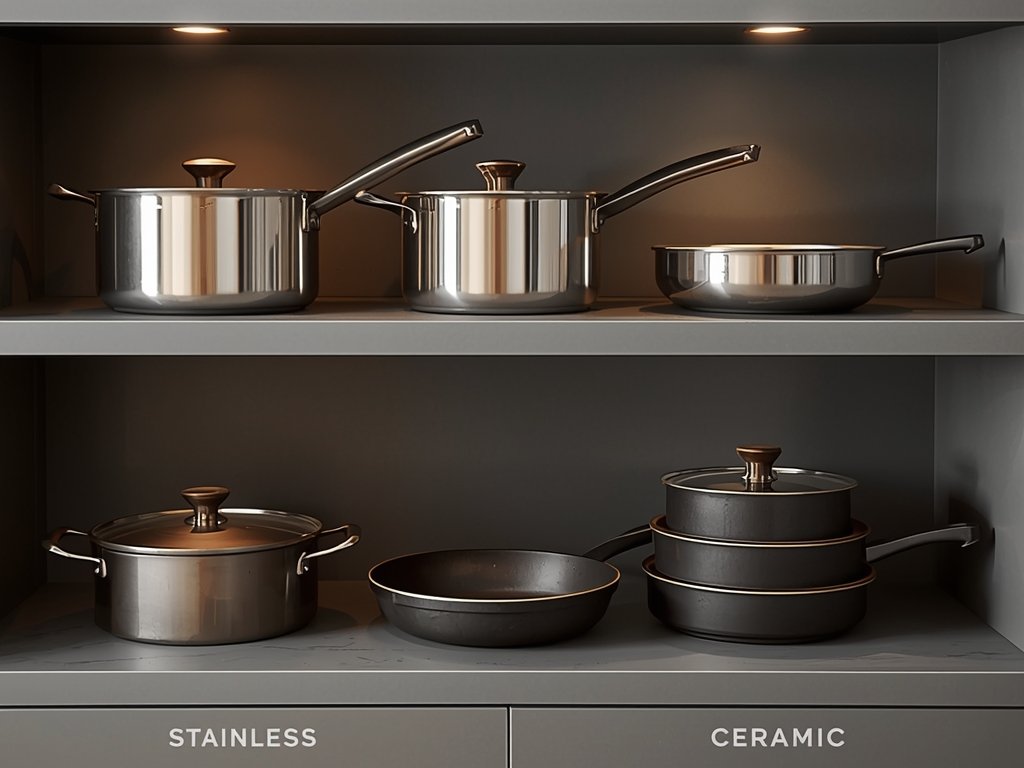
If you’re ready to move on from non-stick, here are some healthier alternatives:
Stainless Steel
Durable and versatile, stainless steel pans are a favorite among professional chefs. While they require a bit more oil to prevent sticking, they’re safe, long-lasting, and oven-friendly.
Cast Iron
A classic choice for American households, cast iron pans are naturally non-stick when seasoned properly. They’re great for searing, frying, and even baking, but they do require regular maintenance.
Ceramic
Ceramic-coated pans offer a non-toxic alternative to traditional non-stick cookware. They’re lightweight, easy to clean, and come in a variety of colors to match your kitchen decor.
Tips for Extending the Life of Your Non-Stick Pans

If you’re not ready to part with your non-stick pans just yet, here’s how to keep them in top shape:
- Use wooden or silicone utensils: Avoid metal tools that can scratch the coating.
- Avoid high heat: Stick to medium or low heat to prevent the coating from breaking down.
- Hand wash gently: Skip the dishwasher and use a soft sponge to preserve the coating.
- Store carefully: Place a cloth or paper towel between stacked pans to prevent scratches.
FAQ: Your Burning Questions Answered
Is it safe to use a scratched non-stick pan?
Minor scratches are generally safe, but deep scratches or flaking coating mean it’s time to replace the pan to avoid potential health risks.
Can non-stick pans cause cancer?
There’s no conclusive evidence linking non-stick pans to cancer, but overexposure to PTFE fumes or PFOA residues could pose health risks over time.
How often should I replace my non-stick pans?
With proper care, non-stick pans can last 3-5 years. Replace them sooner if you notice significant wear or damage.
Are non-stick pans safe for birds?
No, the fumes released from overheated non-stick pans can be toxic to birds. Keep them out of the kitchen when cooking with non-stick cookware.
What’s the best way to dispose of old non-stick pans?
Check with your local recycling center—some accept metal cookware, but non-stick coatings may need special handling.

David handles the Kitchen Gear category, reviewing tools, equipment, and accessories that make cooking and food storage easier. His articles focus on practical recommendations for everyday home cooks.

← Previous
Wood vs Plastic Cutting Boards: Hygienic Meat Prep Guide
Next →
Instant Pot Worth It in 2026? Pros, Cons, and Verdict