Follow Me On Social Media!

The Great American Cooktop Debate: Induction vs. Gas
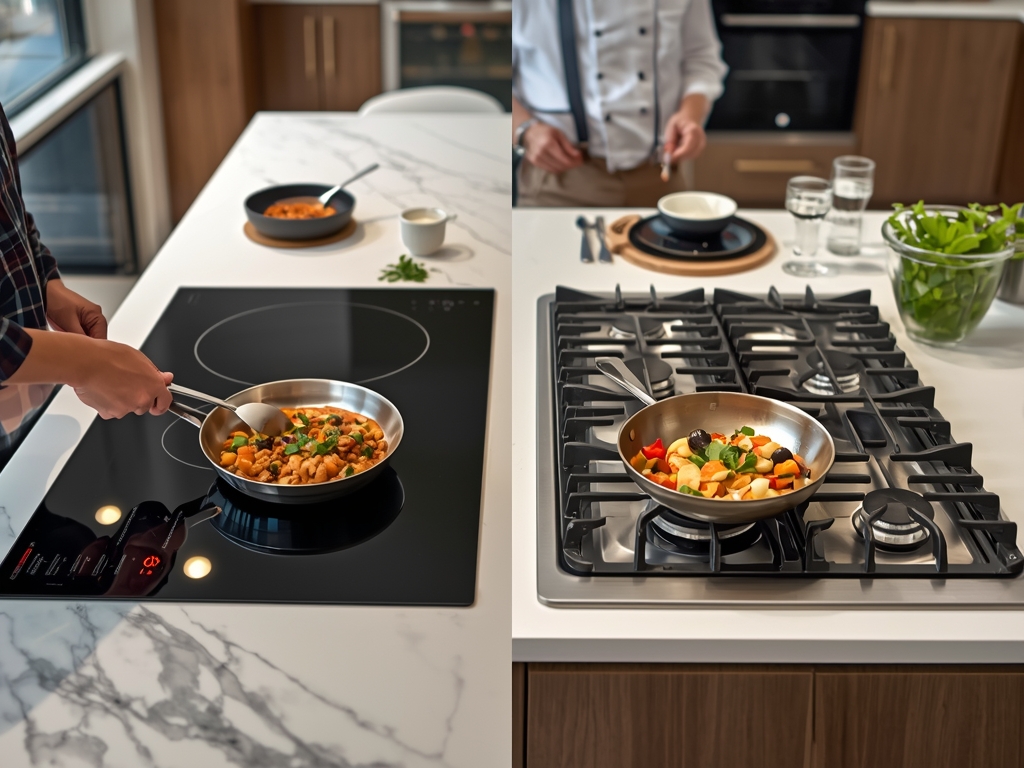
In the heart of every American home, the kitchen is where magic happens. But when it comes to choosing the right cooktop, the debate between induction and gas can heat up faster than a pan on high flame. Both have their loyal fan bases, but which one truly delivers on cooking speed? Let’s dive into the sizzling details.
What’s Under the Hood: How They Work

Before we compare speeds, let’s understand how these cooktops operate. Gas stoves rely on an open flame, a classic method that’s been heating pots and pans for generations. Induction, on the other hand, uses electromagnetic fields to heat the cookware directly. No flame, no heat loss—just pure, efficient energy transfer.
This fundamental difference in technology sets the stage for how each cooktop performs in terms of speed, control, and efficiency. But does one really outpace the other?
The Speed Test: Boiling Water Showdown
Induction’s Lightning-Fast Start
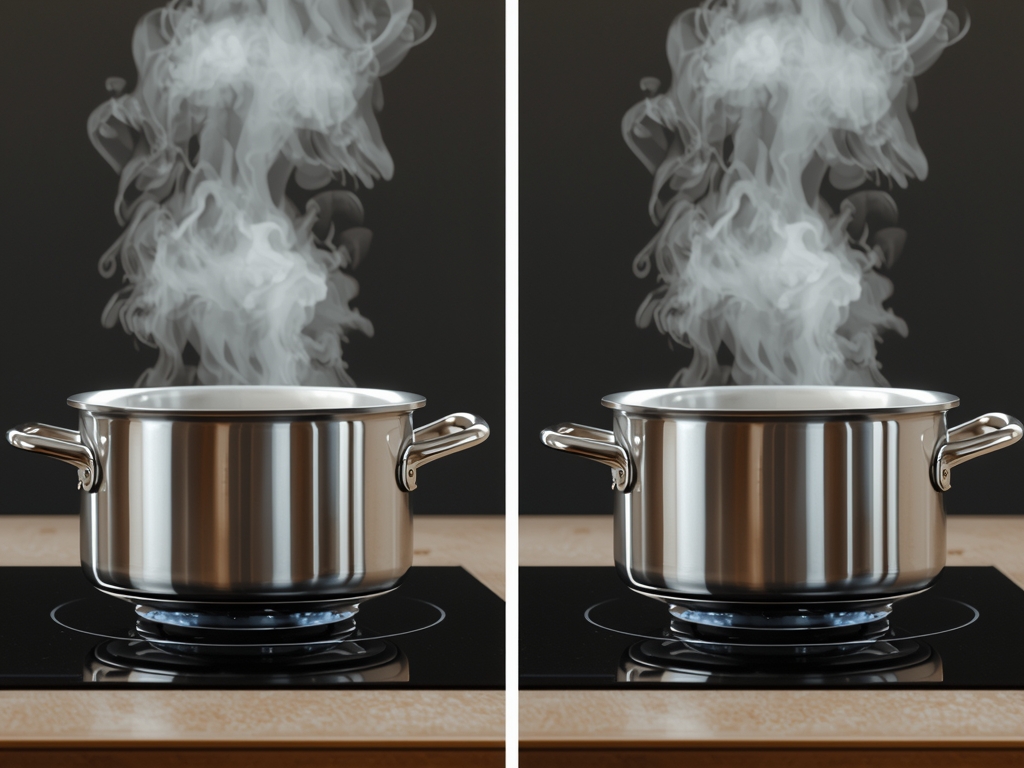
When it comes to boiling water, induction takes the crown. Its ability to heat cookware instantly means you’ll see bubbles forming in record time. For busy American households where time is of the essence, this can be a game-changer.
Gas’s Steady Burn
Gas stoves, while not as quick off the mark, offer a consistent heat that many chefs swear by. The visible flame allows for precise adjustments, but it does take a few extra minutes to reach boiling point. For those who value control over sheer speed, gas holds its ground.
Real-World Cooking: From Sauté to Simmer
Induction’s Precision in Action
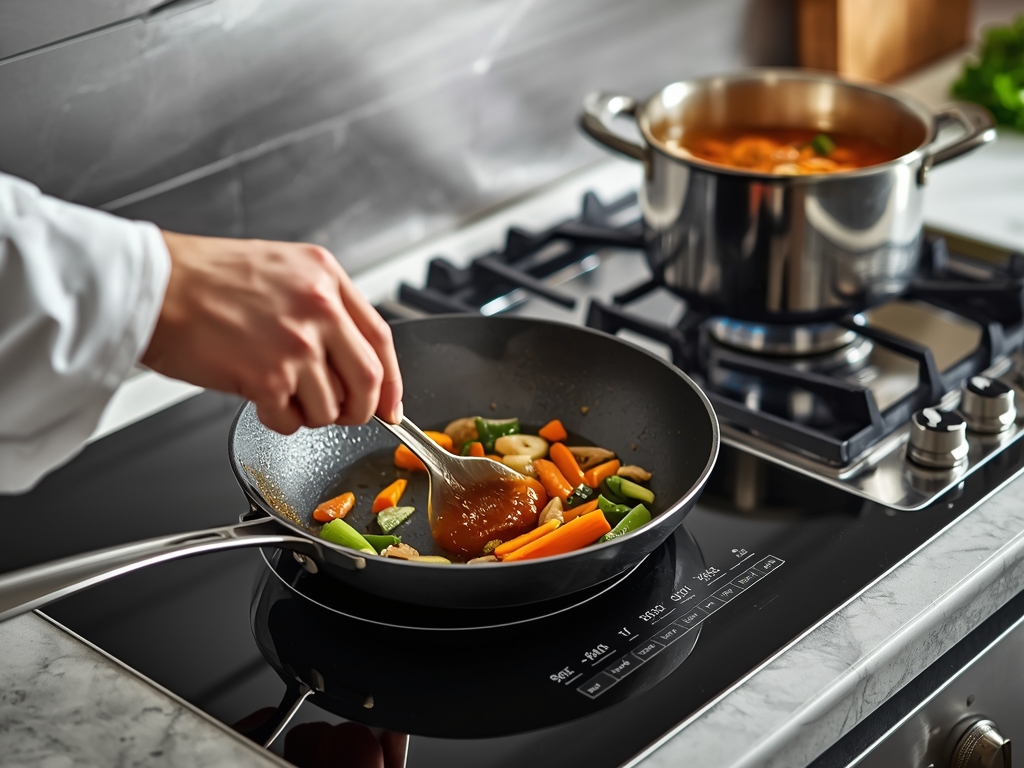
Beyond boiling, induction shines in tasks that require quick temperature changes. Whether you’re searing a steak or reducing a sauce, the instant response of induction gives you unparalleled control. It’s like having a race car at your fingertips—powerful and responsive.
Gas’s Time-Tested Reliability
Gas stoves, with their familiar flames, excel in long, slow cooks. Think hearty stews and braises that benefit from steady, consistent heat. While it may not be the speedster, gas offers a tried-and-true method that’s hard to beat for certain dishes.
Energy Efficiency: The Hidden Factor
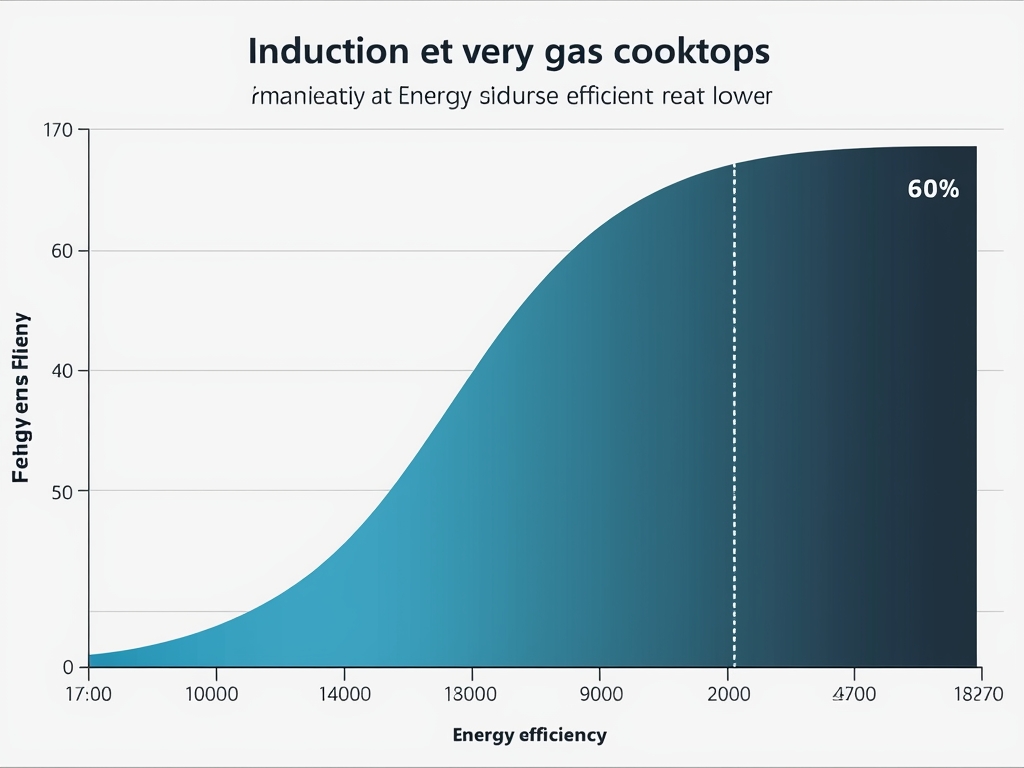
Speed isn’t just about how quickly your food cooks—it’s also about how efficiently your cooktop uses energy. Induction cooktops are champions in this category, converting up to 90% of their energy into heat. Gas stoves, while charming, lose a significant portion of their heat to the surrounding air.
For eco-conscious Americans, induction’s efficiency can translate to faster cooking times and lower utility bills. It’s a win-win for both your schedule and the planet.
The Verdict: Which Cooktop Reigns Supreme?
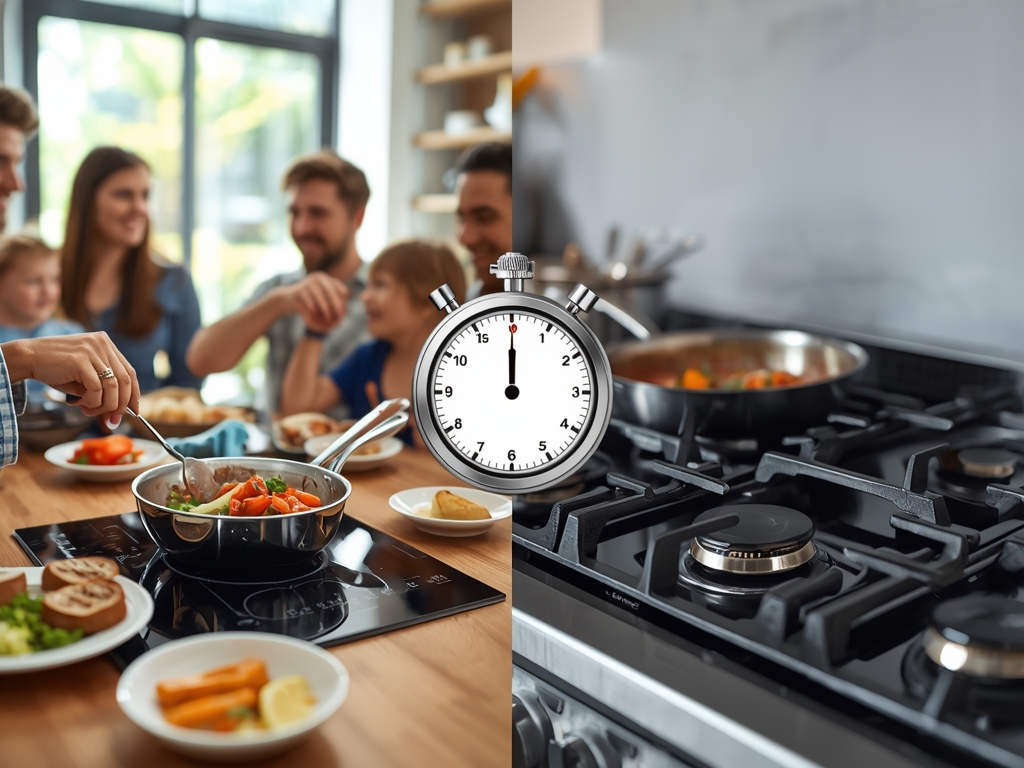
In the battle of induction vs. gas, the answer depends on your priorities. If sheer speed and efficiency are your top concerns, induction is the clear winner. Its rapid heating and precise control make it ideal for fast-paced cooking.
However, if you value the traditional feel and steady heat of a gas flame, you may find that the slight trade-off in speed is worth it. Gas stoves have a timeless appeal that continues to resonate with many home cooks.
FAQ: Your Burning Questions Answered
Is induction cooking faster than gas?
Yes, induction cooking is generally faster than gas, especially for tasks like boiling water or searing, due to its instant heat transfer.
Can I use my existing cookware on an induction cooktop?
Induction cooktops require magnetic cookware, such as cast iron or stainless steel. If your pots and pans aren’t compatible, you’ll need to invest in new ones.
Does gas cooking offer better flavor?
Many chefs believe that the open flame of a gas stove imparts a unique flavor, particularly in dishes like stir-fries or grilled meats. However, this is subjective and depends on personal preference.
Are induction cooktops more expensive to install?
While induction cooktops can have a higher upfront cost, their energy efficiency often leads to long-term savings on utility bills. Installation costs can vary, so it’s best to consult a professional.
Can I use a gas stove during a power outage?
Yes, gas stoves can operate without electricity, making them a reliable option during outages. Induction cooktops, however, require power to function.

David handles the Kitchen Gear category, reviewing tools, equipment, and accessories that make cooking and food storage easier. His articles focus on practical recommendations for everyday home cooks.