Follow Me On Social Media!

Why most soups go bad early—and how to make them taste freshly made days later
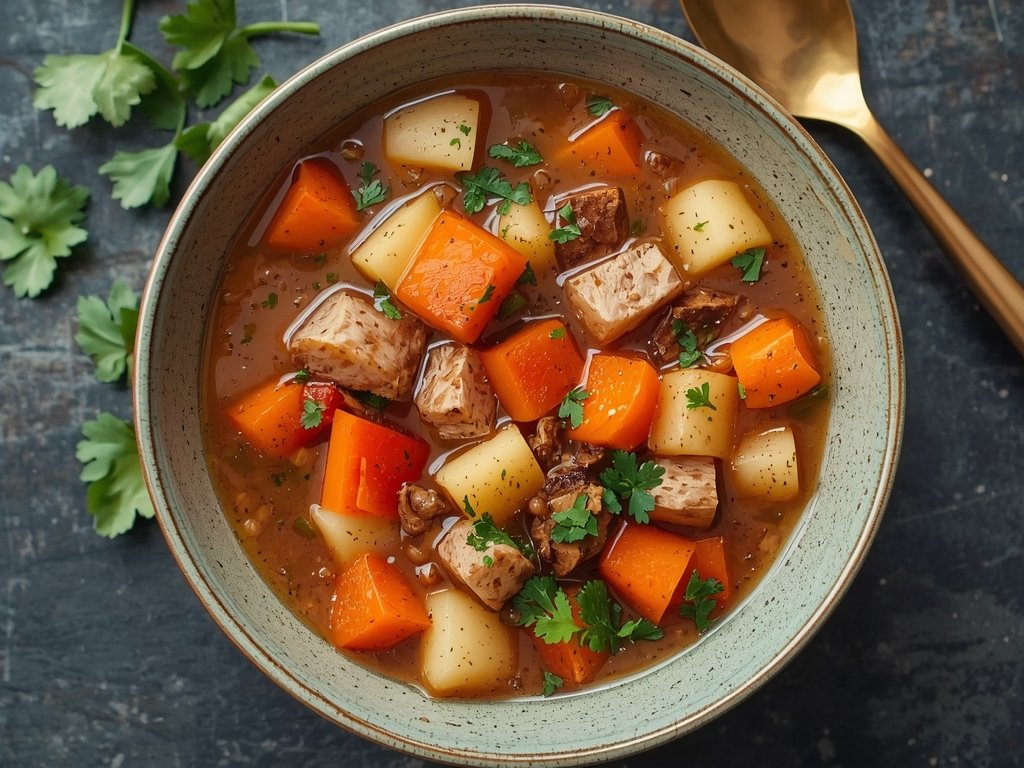
Why Soup Loses Quality Faster Than You Expect
Soup feels safe. It’s hot, liquid, comforting—so people get casual with it. A pot sits on the stove “until it cools,” gets poured into a random container, shoved into the fridge, and reheated later with crossed fingers.
That’s where freshness quietly disappears.
Soup is one of the most time- and temperature-sensitive leftovers because it holds heat, moisture, proteins, and starches all at once. Stored incorrectly, it dulls in flavor, separates in texture, or spoils faster than expected.
Stored correctly, soup actually gets better.
The Biggest Soup Storage Mistake (And Why It Matters)
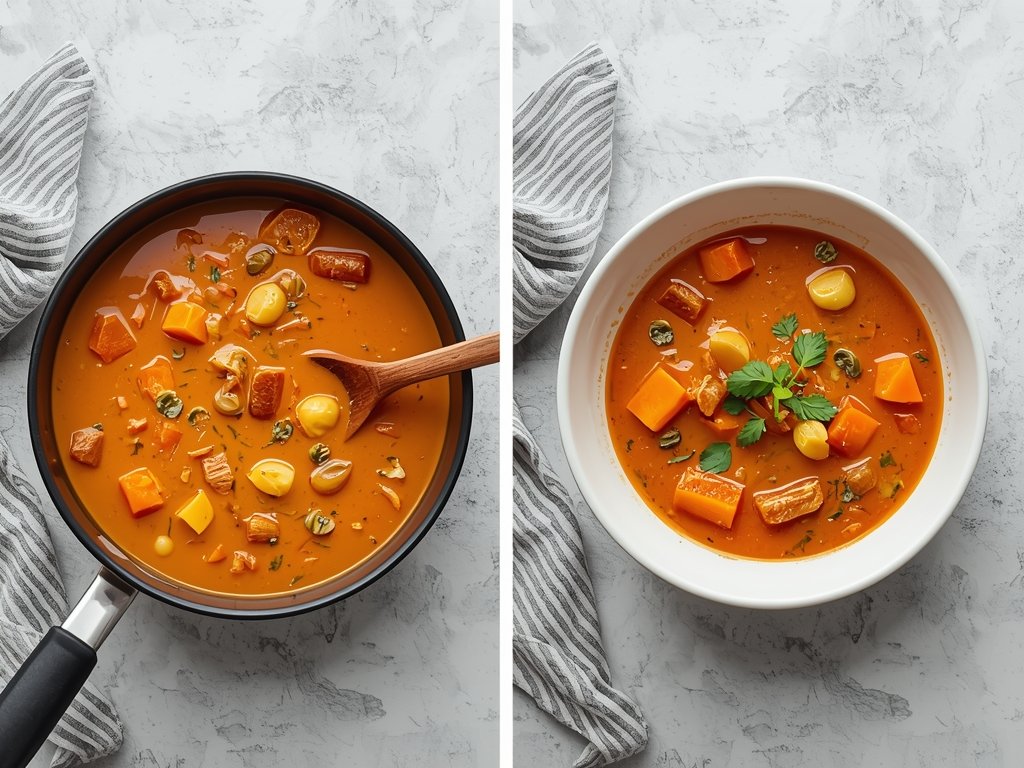
The most common mistake is cooling soup too slowly.
A big pot of soup can stay in the food “danger zone” for hours because liquid retains heat. During that time, bacteria multiply and flavors degrade—even if the soup eventually gets refrigerated.
The danger zone:
40°F–140°F (4°C–60°C)
The goal isn’t just refrigeration.
The goal is fast, controlled cooling.
How to Cool Soup the Right Way (Before Storing)
Before soup ever touches the fridge, cooling technique matters.
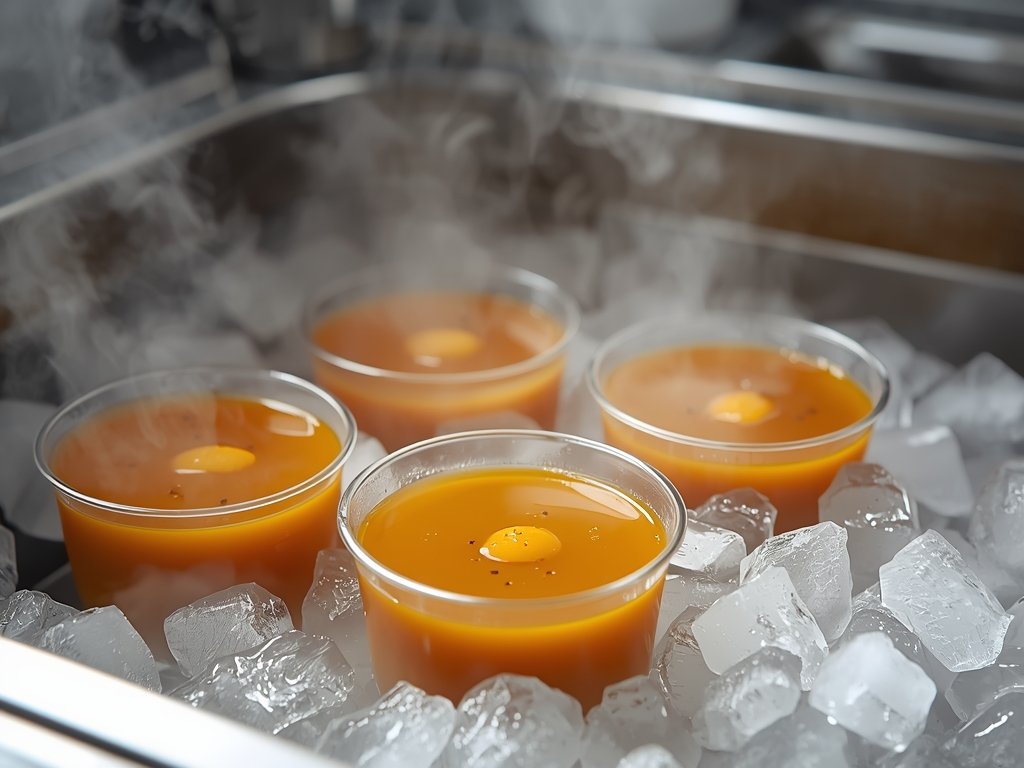
Best cooling methods
- Divide soup into shallow containers
- Place containers in an ice bath
- Stir occasionally to release trapped heat
- Leave lids slightly ajar until steam stops
What to avoid
- Putting a hot pot directly into the fridge
- Covering tightly while still steaming
- Letting soup sit out “until morning”
Target: Soup should reach fridge temperature within 2 hours.
The Best Containers for Storing Soup
Soup storage is all about seal, material, and portion size.
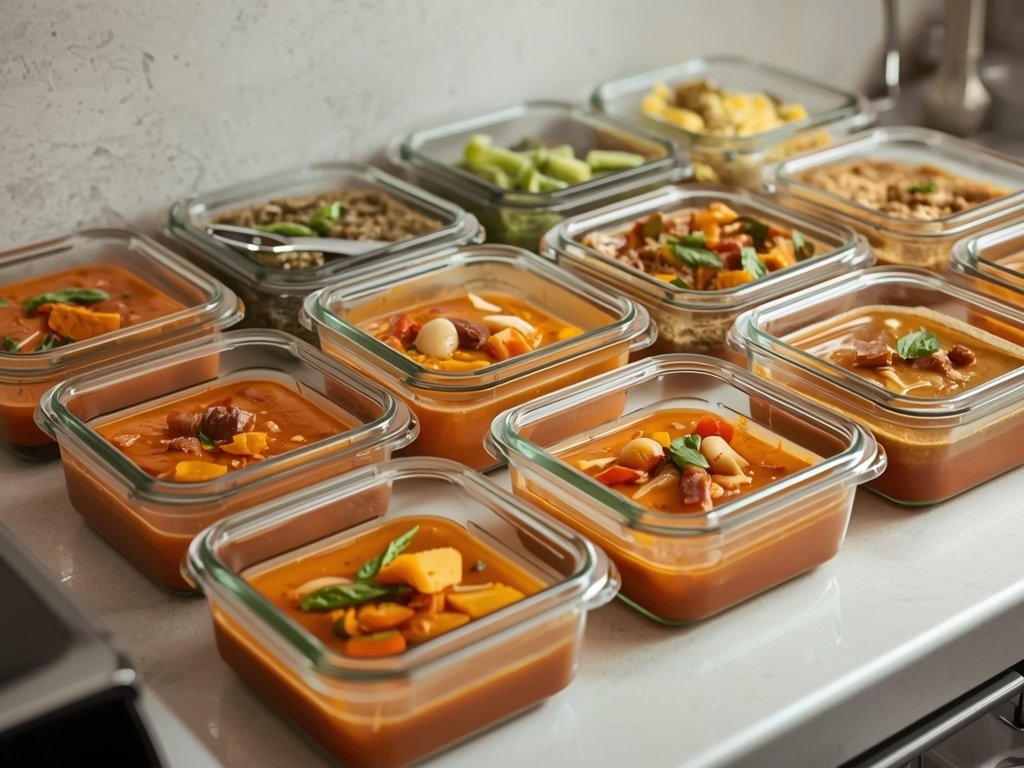
Glass Containers (Best Overall)
- Non-reactive
- Odor-resistant
- Easy to reheat evenly
High-Quality Plastic (Acceptable)
- Use BPA-free
- Only for short-term storage
- Avoid for tomato-based or oily soups
Stainless Steel (Underrated)
- Excellent for broth-based soups
- No staining or odor retention
- Must be airtight
Pro Tip: Store soup in single-meal portions. Reheating the same container multiple times kills both safety and flavor.
How Long Different Soups Actually Last
Not all soups age the same way.
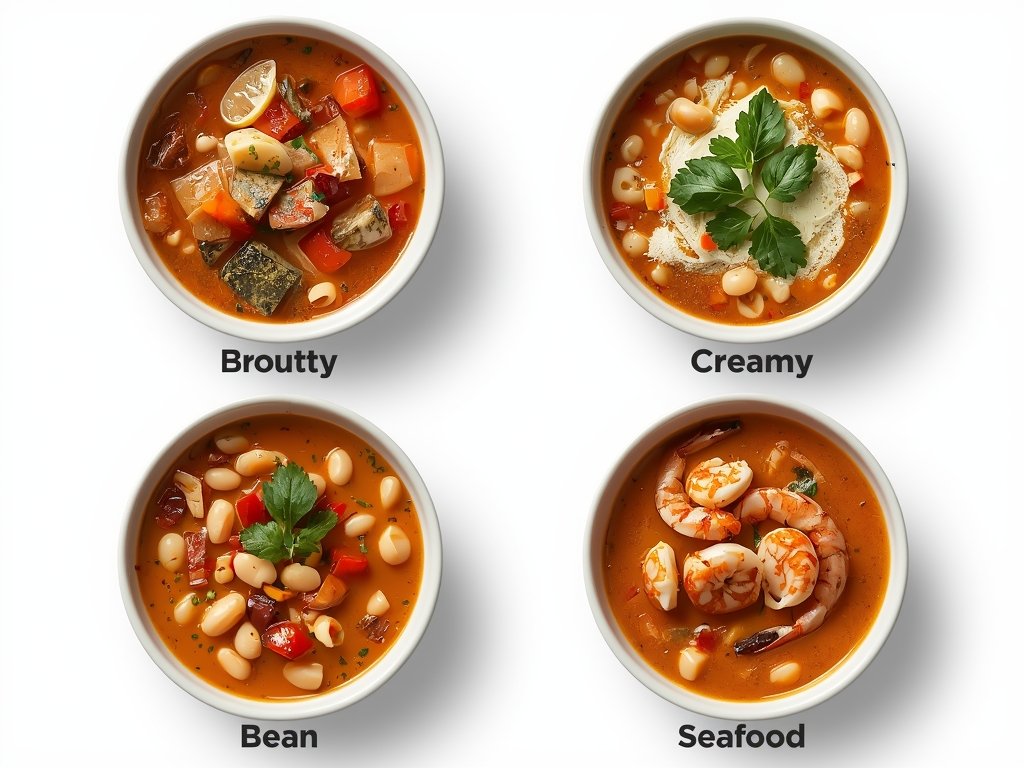
Broth-Based Soups
- Chicken noodle, vegetable, beef
- 3–4 days refrigerated
Cream-Based Soups
- Chowders, cream of mushroom
- 2–3 days max
Bean & Lentil Soups
- Often improve with time
- 4–5 days refrigerated
Seafood Soups
- Most fragile
- 1–2 days max
Rule of thumb:
The more dairy or seafood, the shorter the lifespan.
Freezing Soup Without Ruining It
Soup freezes beautifully—if you do it right.

Soups that freeze well
- Broth-based soups
- Vegetable soups
- Bean and lentil soups
- Meat-based soups without dairy
Soups that struggle
- Cream-based soups
- Potato-heavy soups
- Egg-thickened soups
Freezing tips
- Leave 1–2 inches of headspace
- Freeze flat for faster thawing
- Label with date and soup type
- Use within 2–3 months for best flavor
Pro Tip: Freeze without cream, then add dairy fresh when reheating.
Reheating Soup Without Killing Freshness
Reheating is where stored soup either shines—or falls apart.
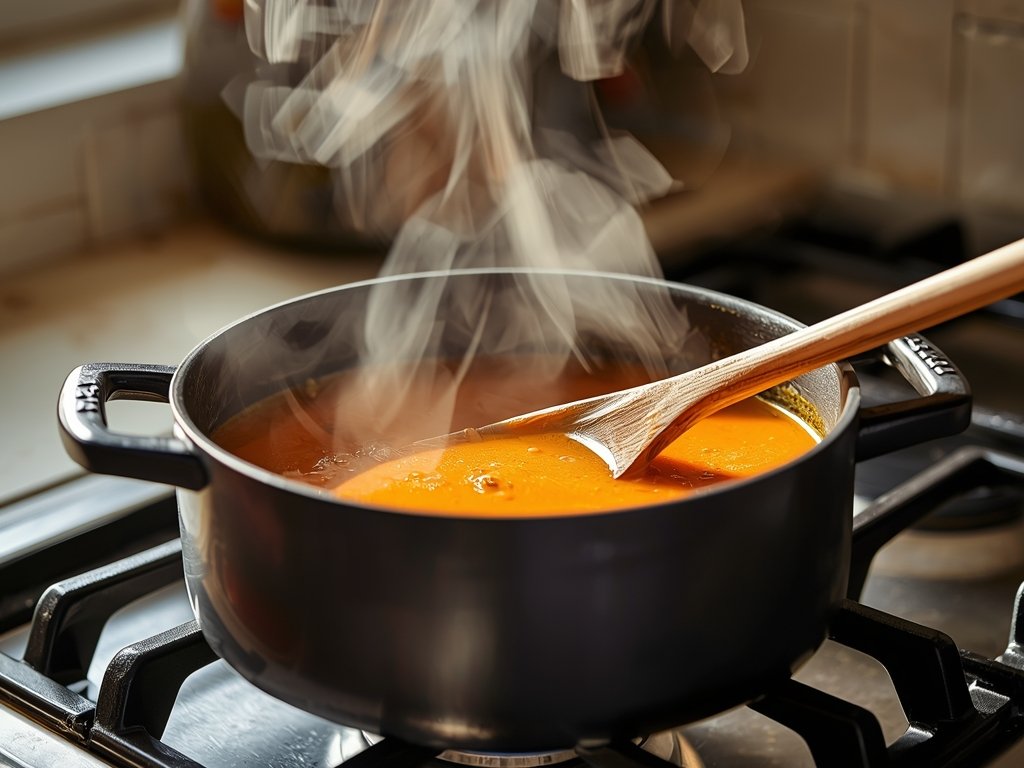
Best practices
- Reheat only what you’ll eat
- Use medium heat
- Stir frequently
- Bring to 165°F / 74°C
- Taste and re-season at the end
Avoid
- Reheating the same soup multiple times
- Boiling cream soups aggressively
- Microwaving without stirring
Flavor fix: A squeeze of lemon, fresh herbs, or a splash of broth brings soup back to life.
Signs Soup Is No Longer Safe

If you notice any of these, don’t taste—discard.
- Sour or “off” smell
- Bubbling when cold
- Slimy texture
- Mold (even a small spot)
- Unusual separation with odor
When in doubt, throw it out.
FAQ – People Also Ask
Can I store soup in the pot it was cooked in?
Not recommended. Large pots cool too slowly and risk bacterial growth.
Should soup be stored airtight?
Yes—but only after steam has fully stopped.
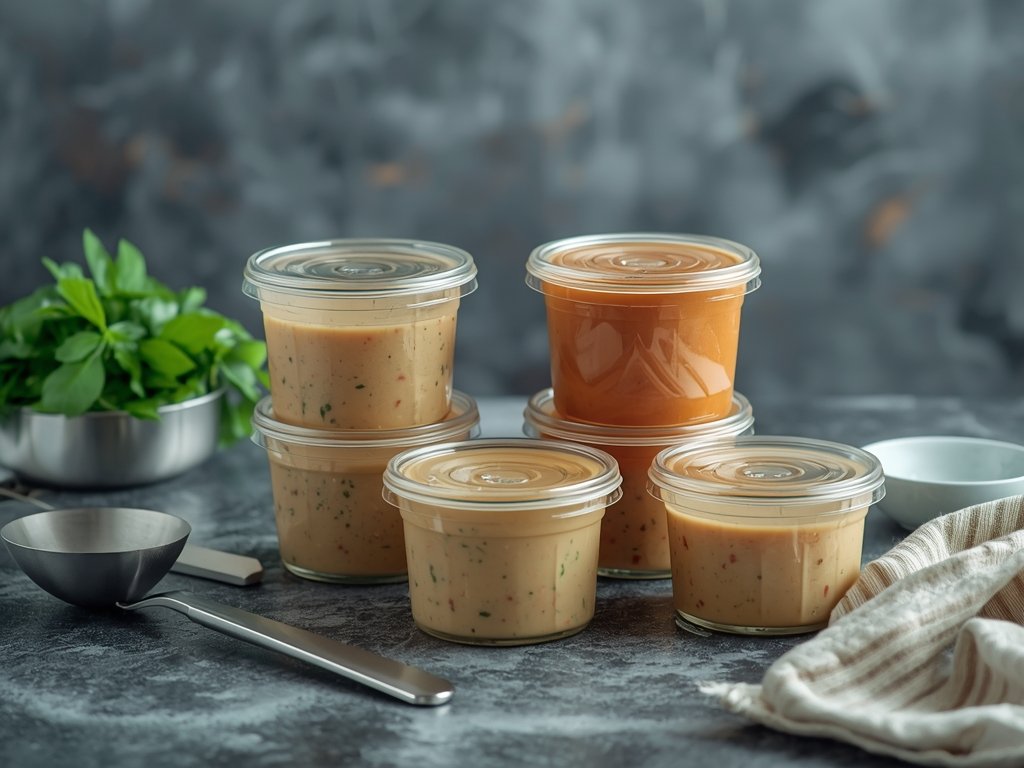
Can I freeze soup in mason jars?
Yes, but use wide-mouth jars and leave headspace to prevent cracking.
Does soup taste better the next day?
Many soups do—especially bean and broth-based—if stored correctly.
Final Thought
Soup doesn’t fail because it’s fragile—it fails because it’s treated casually. Cool it fast, store it smart, portion it well, and reheat with intention. Do that, and leftover soup won’t taste like leftovers.

Lina leads the Fresh Hacks category, covering food storage tips, freshness preservation, and smart ways to extend the life of your groceries. Her guides help readers keep ingredients at peak quality for longer.
← Previous
The Best Containers for Reheating Food in the Air Fryer
Next →
Can You Reheat Seafood Twice? Essential Safety Facts