Follow Me On Social Media!

1. Catchy Introduction – Problem & Solution
Nothing hits harder than opening the fridge after a holiday meal, ready for leftover mashed potatoes, only to discover a sad, dry, gluey mess. You know the type: the fluffy, buttery mash you carefully whipped is now a clumpy, tasteless shadow of its former self. And let’s be honest—most reheating methods, whether microwave nuking or oven blasting, turn these creamy clouds into a gritty disaster.

Why does this happen? Most people don’t understand the delicate balance of moisture, starch, and fat in mashed potatoes. Heat it wrong, and the texture collapses. But don’t worry—TwiceTasty has cracked the code. With the right approach, your leftover mashed potatoes can come out just as luscious and dreamy as the first scoop.
2. The Science of Taste
Mashed potatoes seem simple, but reheating them is where science matters.

Why mashed potatoes lose their magic:
- Moisture evaporation: Heat drives out water. Without moisture, starches clump and potatoes dry.
- Starch retrogradation: As mashed potatoes cool, starch molecules crystallize, making them stiff.
- Fat separation: Butter or cream can separate during improper reheating, leaving a greasy, uneven texture.
TwiceTasty’s method works because it reintroduces gentle heat and moisture simultaneously, keeping the starches soft, the fat emulsified, and the flavor intact. Steam or slow heat ensures the mash regains its original silkiness without turning gluey.
Think of it like giving mashed potatoes a spa day: warmth, moisture, and TLC.
3. Step-by-Step Method
Follow these exact steps to bring mashed potatoes back to life:
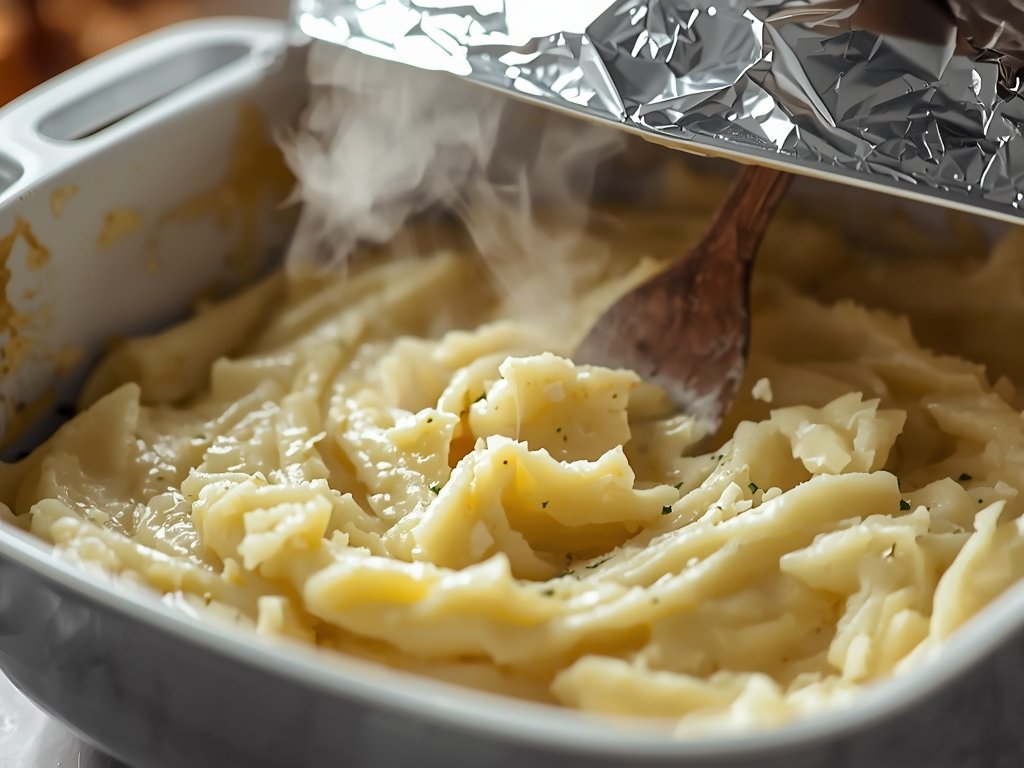
Oven Method (Best for Large Batches)
- Preheat the oven to 350°F (175°C).
Pro Tip: Line your baking dish with foil to prevent sticking and make cleanup easier. - Transfer mashed potatoes to an oven-safe dish and add 2–3 tablespoons of milk or cream per 2 cups of potatoes. Stir gently.
Pro Tip: Don’t overmix—folding keeps the fluff intact. - Cover tightly with foil to trap steam.
Pro Tip: A double layer of foil prevents drying at the edges. - Bake for 20–25 minutes, stirring halfway through. Check for fluffiness and creaminess.
Pro Tip: If the mash looks a little dry, sprinkle a few extra tablespoons of milk and fold in.
Microwave Method (Quick & Small Portions)
- Place mashed potatoes in a microwave-safe bowl.
Pro Tip: Use a lid or microwave-safe wrap to hold in moisture. - Add 1–2 tablespoons of milk or cream per cup of potatoes.
Pro Tip: A small knob of butter added here boosts richness and smoothness. - Microwave on medium power for 2–3 minutes, stirring every 45 seconds.
Pro Tip: Stirring frequently prevents hot spots that dry out the mash. - Once warm, fluff gently with a fork.
Pro Tip: Avoid over-mashing—air bubbles help retain creaminess.
4. Variations & Flavor Boosters
Give your reheated mashed potatoes a flavor twist without extra work:
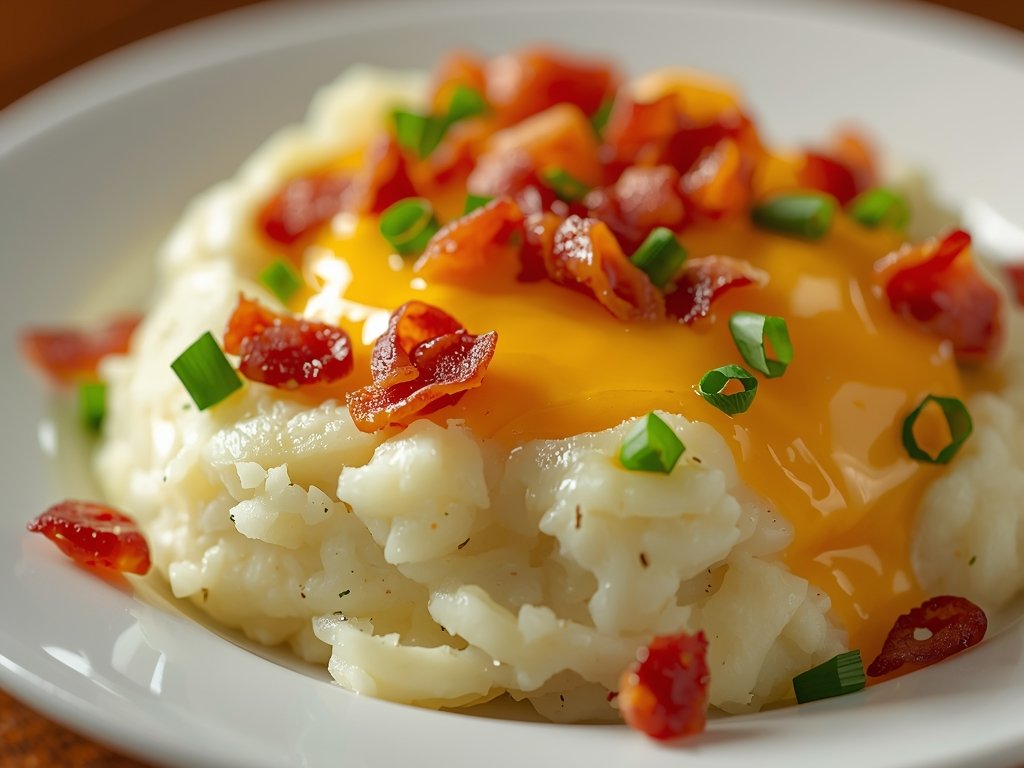
- Garlic & Herb: Fold in roasted garlic cloves, a sprinkle of thyme, and fresh parsley.
- Cheesy Upgrade: Stir in shredded cheddar or Parmesan for a melty, luxurious touch.
- Bacon & Chive: Crisp bacon crumbles and finely chopped chives create a rich, savory bite.
Each of these options is easy to add after reheating for maximum freshness.
5. Food Safety & Storage
Mashed potatoes are safe if handled properly:
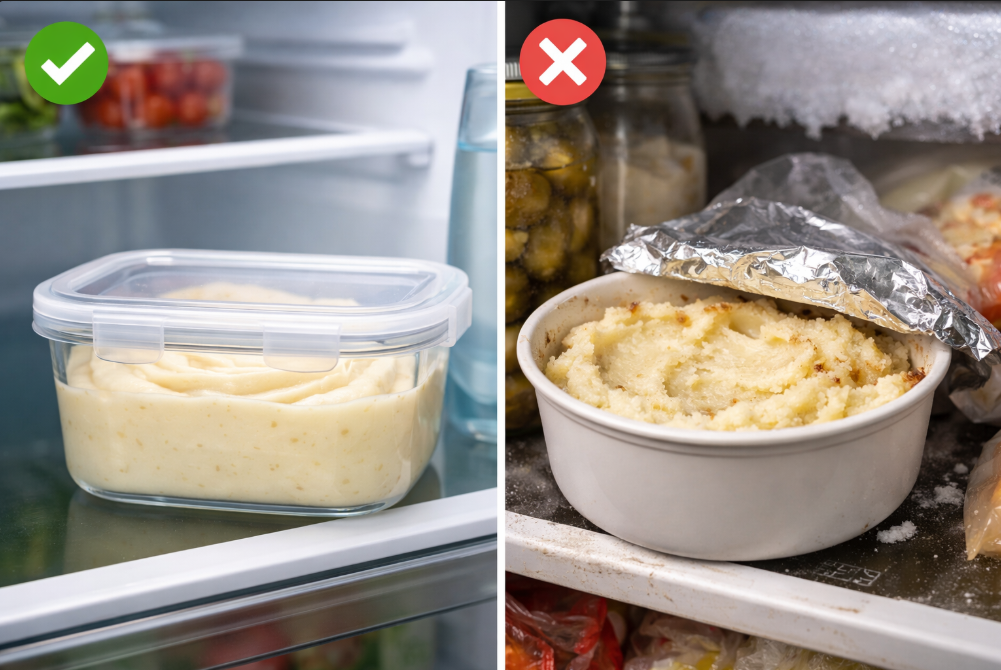
- Refrigeration: Store in an airtight container at or below 40°F (4°C).
- Shelf Life: Use within 3–4 days. After that, the risk of bacterial growth increases.
- Reheating Safety: Always heat to at least 165°F (74°C) before serving.
Do’s:
- ✅ Cool leftovers quickly before refrigerating.
- ✅ Store in shallow containers to speed chilling.
- ✅ Reheat only the portion you plan to eat.
Don’ts:
- ❌ Leave mashed potatoes at room temperature for more than 2 hours.
- ❌ Reheat repeatedly; each cycle increases dryness and bacteria risk.
- ❌ Add extra cream or milk and leave unrefrigerated.
6. FAQ – People Also Ask
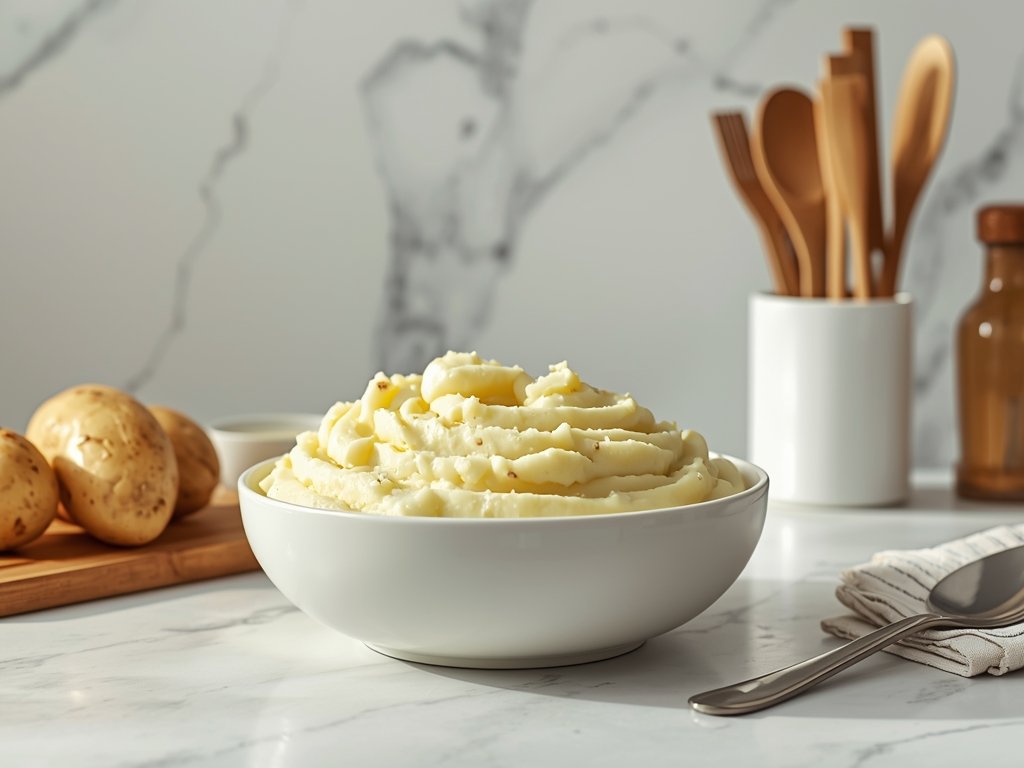
Q1: Can I freeze mashed potatoes and reheat later?
Yes! Freeze in airtight containers for up to 2 months. Reheat using the oven method with added milk for best results.
Q2: Why do my reheated mashed potatoes get gummy?
Gummy texture comes from overcooked starches or too-high heat. Gentle steaming or low oven heat prevents this.
Q3: Can I add cream or butter when reheating?
Absolutely. Adding a bit of fat restores smoothness, prevents dryness, and enhances flavor.
Q4: Is microwaving really okay?
Yes, if you cover, add moisture, and stir frequently. Medium power is key to avoid dry spots.
Q5: How do I make them taste freshly made?
Finish with a little fresh butter, a sprinkle of salt, or some herbs right before serving. Presentation and aroma help trick the palate.
Mashed potatoes deserve respect, even as leftovers. With these techniques, every scoop can be silky, creamy, and full of flavor—a perfect second act for your holiday or weeknight meal. Try these steps and watch your mashed potatoes rise from fridge fate to culinary triumph.

Marco covers the Reheat Pro category on TwiceTasty, focusing on reheating techniques and texture preservation. His articles help home cooks bring leftovers back to life with the right methods for every type of food — from crispy fried chicken to creamy pastas.

← Previous
Crispy Roast Duck Skin Hack: Juicy Breast, Perfect Crunch
Next →
Reheat Mussels Perfectly: Avoid the Rubbery Leftover Trap