Follow Me On Social Media!

The Great Tomato Paste Debate: To Freeze or Not to Freeze

If you’re a home cook in the United States, chances are you’ve found yourself staring at a half-empty tube of tomato paste, wondering what to do with the leftovers. It’s a common dilemma, especially when most recipes call for just a tablespoon or two. The good news is, you can freeze tomato paste, but there’s a right way to do it to avoid mold and maintain flavor.
Why Freezing is the Best Option for Leftover Tomato Paste
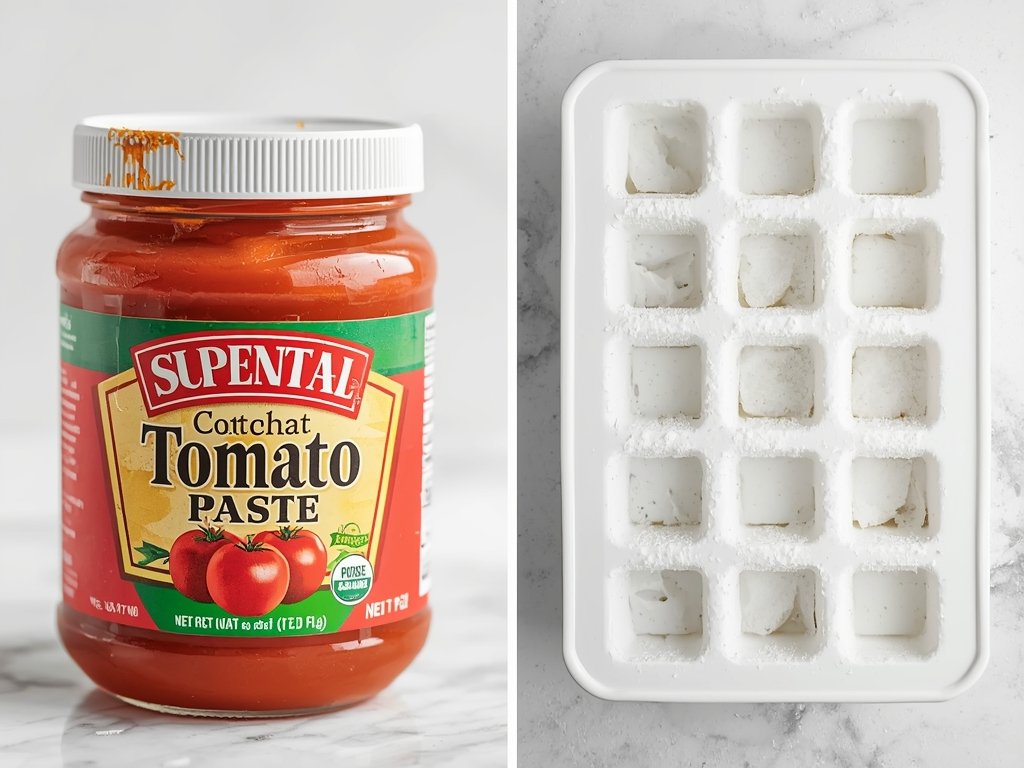
Before we dive into the how-to, let’s talk about why freezing is the superior method for storing leftover tomato paste. Unlike refrigeration, which can lead to mold growth and flavor degradation, freezing preserves the paste’s taste and texture. This is especially important for those who enjoy cooking with tomato paste as a flavor base for sauces, soups, and stews.
The Science Behind Freezing Tomato Paste
When tomato paste is frozen, the water content expands, creating ice crystals that can damage the cell structure. However, by using the right techniques, you can minimize this damage and preserve the paste’s integrity. This involves proper portioning, airtight storage, and strategic thawing methods.
Preparing Your Tomato Paste for the Deep Freeze
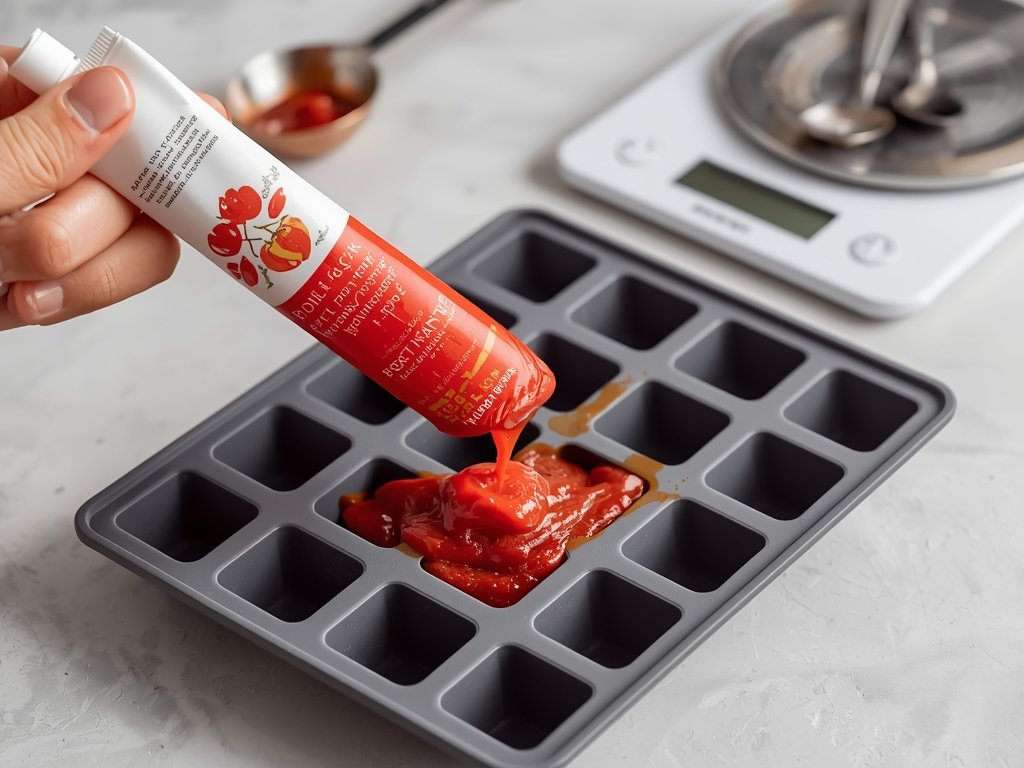
To freeze tomato paste like a pro, you’ll need to prepare it properly. Start by choosing the right container. Silicone ice cube trays are ideal, as they’re flexible and make it easy to pop out the frozen paste. You can also use small plastic bags or airtight containers, but make sure they’re labeled with the date and contents.
Portion Control: The Key to Successful Freezing
The key to successful freezing is portion control. Most recipes call for 1-2 tablespoons of tomato paste, so portioning your leftovers into these amounts will save you time and effort later. Use a measuring spoon to scoop the paste into your chosen container, leaving a little headspace to allow for expansion.
The Ultimate Guide to Freezing Tomato Paste: Tips and Tricks
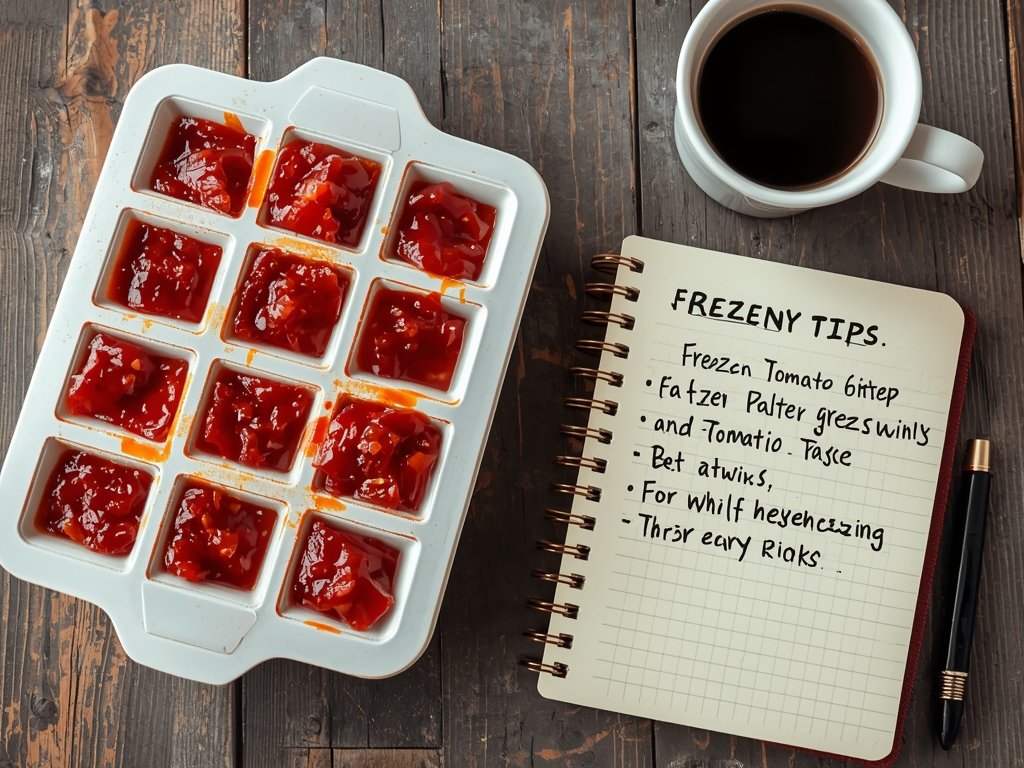
Now that you’ve prepared your tomato paste, it’s time to freeze it. Place your container in the freezer, making sure it’s level and secure. For best results, freeze the paste for at least 4 hours or until solid. Once frozen, transfer the cubes to a labeled, airtight container or bag for long-term storage.
Thawing and Using Your Frozen Tomato Paste
When you’re ready to use your frozen tomato paste, simply remove the desired number of cubes from the freezer. Thaw them in the refrigerator overnight or at room temperature for about 30 minutes. You can also add the frozen cubes directly to your recipe, but be aware that this may affect the cooking time and liquid ratio.
Creative Ways to Use Up Leftover Tomato Paste

If you’re looking for ways to use up your leftover tomato paste, we’ve got you covered. From classic Italian sauces to hearty American chili, tomato paste adds depth and flavor to a wide range of dishes. Try using it as a base for pizza sauce, adding it to your favorite soup or stew, or even incorporating it into a marinade for grilled meats.
Tomato Paste Hacks for Busy Cooks
For busy cooks, tomato paste can be a lifesaver. Keep a stash of frozen cubes in your freezer for quick and easy meal prep. You can also make a large batch of tomato sauce and freeze it in portions, ready to be thawed and used whenever you need a flavor boost. With these tips and tricks, you’ll never let leftover tomato paste go to waste again.
FAQ
How long does frozen tomato paste last?
Frozen tomato paste can last up to 6 months in the freezer, although it’s best to use it within 3-4 months for optimal flavor and texture.
Can I freeze tomato paste in glass jars?
While it’s possible to freeze tomato paste in glass jars, it’s not recommended due to the risk of breakage. Stick to silicone ice cube trays, plastic bags, or airtight containers for safe and easy freezing.
Do I need to thaw frozen tomato paste before using it?
It’s not necessary to thaw frozen tomato paste before using it, but it’s recommended for best results. Thawing allows the paste to regain its original texture and makes it easier to incorporate into your recipe.
Can I use frozen tomato paste in place of fresh?
Yes, you can use frozen tomato paste in place of fresh, but be aware that the texture and flavor may be slightly different. Adjust your recipe accordingly, and consider adding a little extra liquid to compensate for the frozen paste.
How do I prevent mold from growing on my tomato paste?
To prevent mold from growing on your tomato paste, make sure to store it in an airtight container and freeze it as soon as possible after opening. Avoid contaminating the paste with utensils or fingers, and always use clean tools when portioning and storing.

Lina leads the Fresh Hacks category, covering food storage tips, freshness preservation, and smart ways to extend the life of your groceries. Her guides help readers keep ingredients at peak quality for longer.

← Previous
Save Over-Salted Leftovers with the Potato Hack
Next →
Save Pasta Water: The Secret to Perfect Sauces and More