Follow Me On Social Media!

The Humble Hard-Boiled Egg: A Snack Time Hero
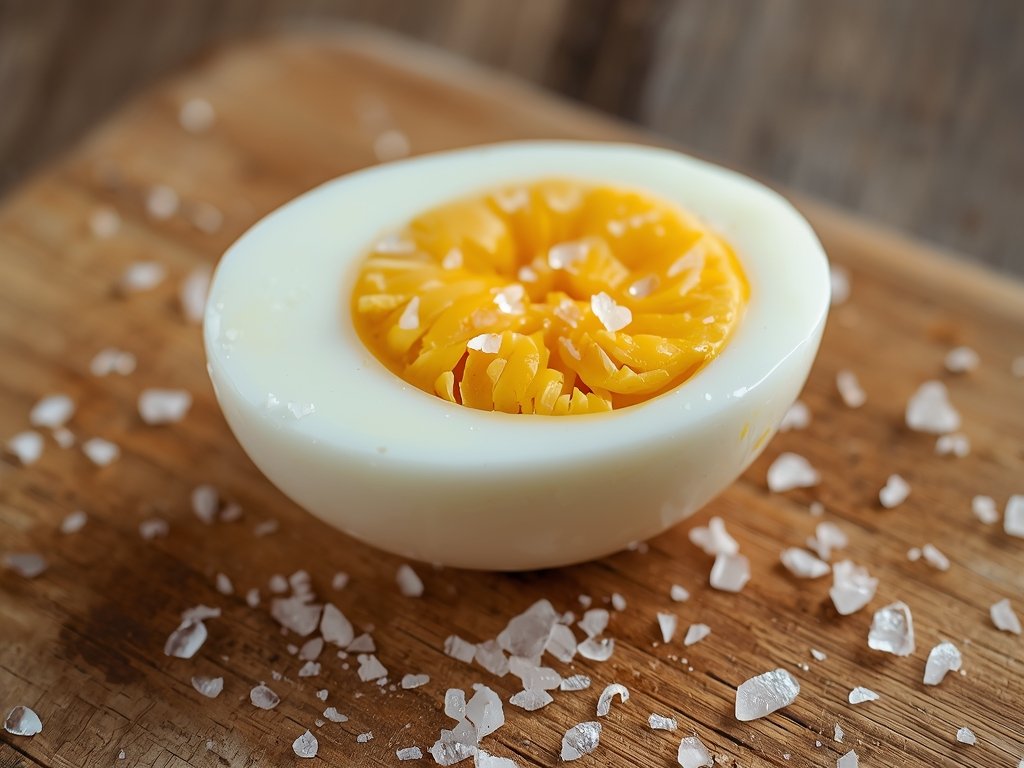
Let’s face it, Americans love their snacks. From crunchy chips to creamy dips, we’re always on the lookout for something tasty to tide us over between meals. But amidst the sea of processed options, there’s a humble hero waiting to be rediscovered: the hard-boiled egg.
This unassuming protein powerhouse is a snack-time MVP. It’s portable, affordable, and incredibly versatile. Whether you’re fueling up for a hike in the Rockies or need a quick bite before a Little League game, hard-boiled eggs have got your back.
But let’s be honest, not all hard-boiled eggs are created equal. We’ve all experienced the disappointment of a rubbery white or a grey, sulfurous yolk. Fear not, fellow foodies! This guide will transform you from a hard-boiled novice to a peeling pro, ready to conquer snack time and beyond.
Boiling Point: The Science of Perfect Eggs
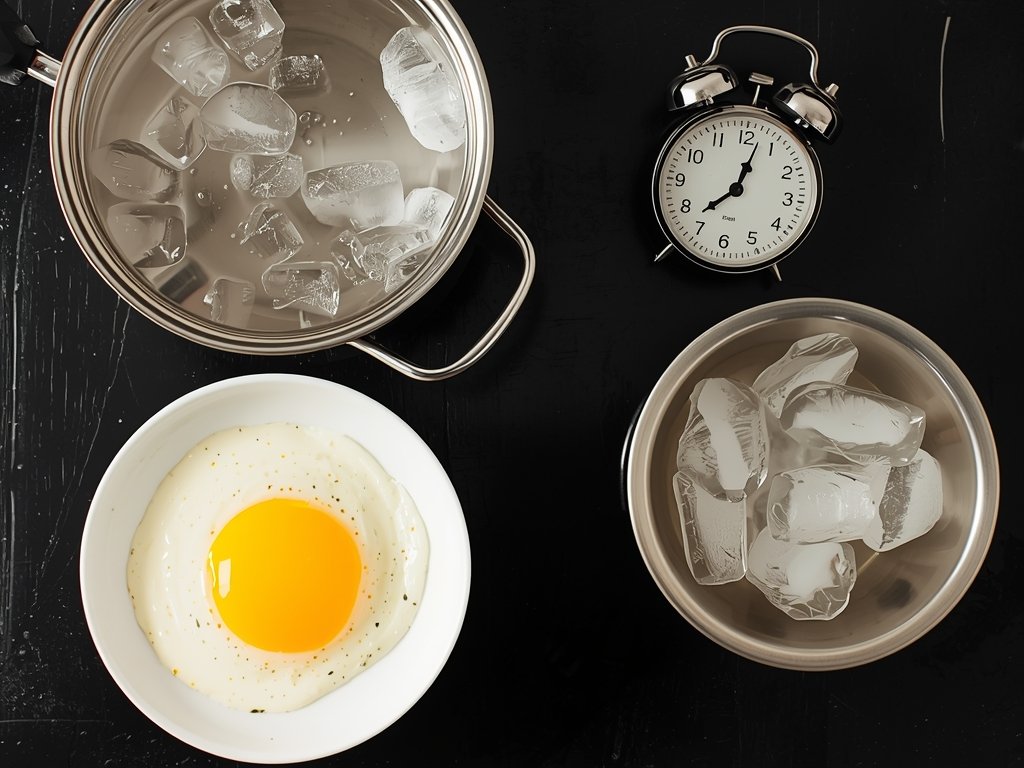
Achieving hard-boiled egg greatness starts with understanding the science. It’s not just about tossing eggs into boiling water and hoping for the best. Temperature, timing, and technique all play crucial roles.
Think of it like brewing the perfect cup of coffee. You wouldn’t just throw grounds into hot water and call it a day, right? The same principle applies to eggs. A gentle simmer, precise timing, and a quick ice bath are the keys to success.
The Simmer Method: A Gentle Approach
Forget the rolling boil! A gentle simmer is the secret to tender whites and creamy yolks. Bring a pot of water to a boil, then carefully lower the heat to a simmer. This prevents the eggs from bouncing around and cracking, ensuring even cooking.
For large eggs, aim for 10-12 minutes of simmering time. This will give you a yolk that’s set but still slightly soft in the center – perfect for salads and sandwiches.
The Ice Bath: A Shocking Finish
Don’t skip the ice bath! Plunging your cooked eggs into icy water stops the cooking process immediately, preventing overcooking and making them easier to peel. It’s like giving your eggs a refreshing dip in a mountain stream after a hot summer hike.
Let the eggs chill in the ice bath for at least 10 minutes before peeling. This allows the egg to contract slightly, making the shell easier to remove.
Peeling Perfection: Say Goodbye to Frustration
Let’s face it, peeling hard-boiled eggs can be a real pain. But with a few simple tricks, you’ll be peeling like a pro in no time.
The key is to start with older eggs. Fresh eggs have a stronger bond between the shell and the white, making them harder to peel. If you have fresh eggs, try adding a teaspoon of baking soda to the boiling water. This helps loosen the shell.
The Rolling Technique: A Gentle Massage
Don’t just yank and pull! Gently roll the egg on a hard surface, applying slight pressure. This creates tiny cracks all over the shell, making it easier to peel away in larger pieces.
Think of it like giving your egg a relaxing massage before its big debut.
The Spoon Method: A Precision Tool
For those who prefer a more precise approach, try the spoon method. Carefully crack the shell at the large end of the egg, then use a teaspoon to gently slide between the shell and the white, working your way around the egg.
It takes a bit more time, but it’s worth it for those picture-perfect peeled eggs.
Beyond the Snack: Hard-Boiled Eggs in Action
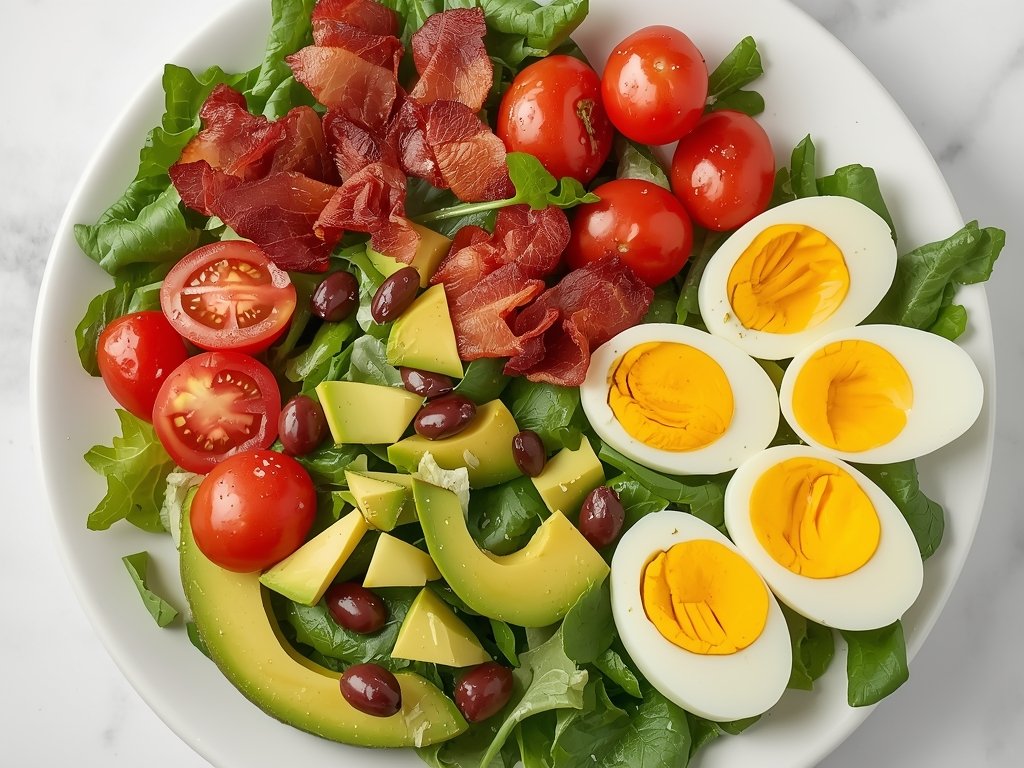
Hard-boiled eggs aren’t just for snacking. They’re culinary chameleons, ready to elevate any dish. From classic salads to hearty breakfast bowls, these protein-packed orbs add flavor, texture, and nutritional value.
Let’s explore some delicious ways to incorporate hard-boiled eggs into your culinary repertoire.
The Classic Cobb: A Salad Staple
No Cobb salad is complete without its signature hard-boiled eggs. Their creamy texture and mild flavor complement the crisp greens, savory bacon, and tangy dressing perfectly.
For a truly American twist, try using blue cheese dressing and crumbled blue cheese instead of the traditional Roquefort. It’s a match made in salad heaven.
Breakfast Bowls: Fuel Your Day
Start your day off right with a hearty breakfast bowl featuring sliced hard-boiled eggs. Pair them with quinoa, roasted vegetables, avocado, and a drizzle of hot sauce for a protein-packed and flavorful morning meal.
It’s a satisfying alternative to the usual breakfast suspects, and it’ll keep you energized until lunch.
Deviled Eggs: A Party Favorite
No potluck or picnic is complete without a platter of deviled eggs. These classic appetizers are easy to make and always disappear quickly.
Get creative with your fillings! Try adding Sriracha for a spicy kick, or mix in chopped pickles and dill for a tangy twist. The possibilities are endless.
FAQ: Your Hard-Boiled Egg Questions Answered
How long do hard-boiled eggs last?
Properly stored in the refrigerator, hard-boiled eggs will last for about 1 week.
Can I freeze hard-boiled eggs?
It’s not recommended to freeze hard-boiled eggs, as the texture can become rubbery.
What’s the best way to store hard-boiled eggs?
Store peeled or unpeeled hard-boiled eggs in a covered container in the refrigerator.
Can I use hard-boiled eggs in baking?
Yes! Hard-boiled eggs can be used in baking recipes that call for eggs, such as quiches and frittatas.
How can I tell if a hard-boiled egg is still good?
If the egg has an unpleasant odor or a slimy texture, it’s best to discard it.

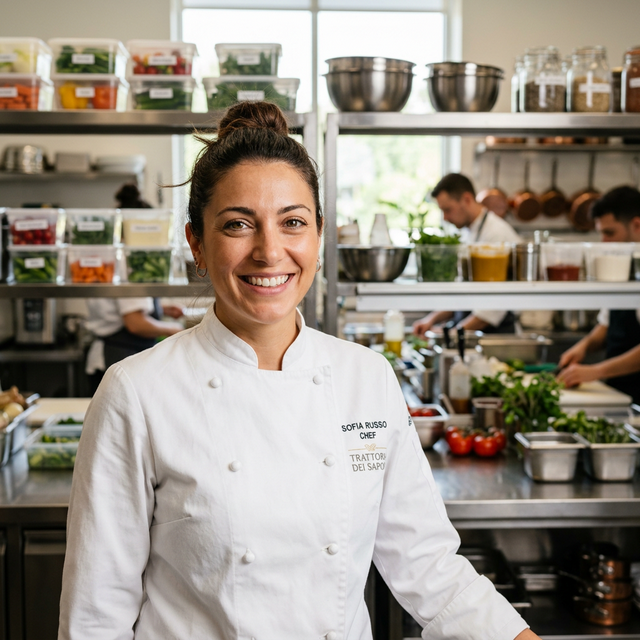
Sofia writes for the Smart Prep category, covering meal planning strategies, batch cooking techniques, and weekly prep guides. Her articles help busy families organize their cooking to save time and money.
← Previous
Roasted to Creamy: Cauliflower’s 2-Day Recipe Magic
Next →
Shredded Beef Base: Sunday Roast to Monday Enchiladas