Follow Me On Social Media!

The Great Container Debate: Glass vs. Plastic
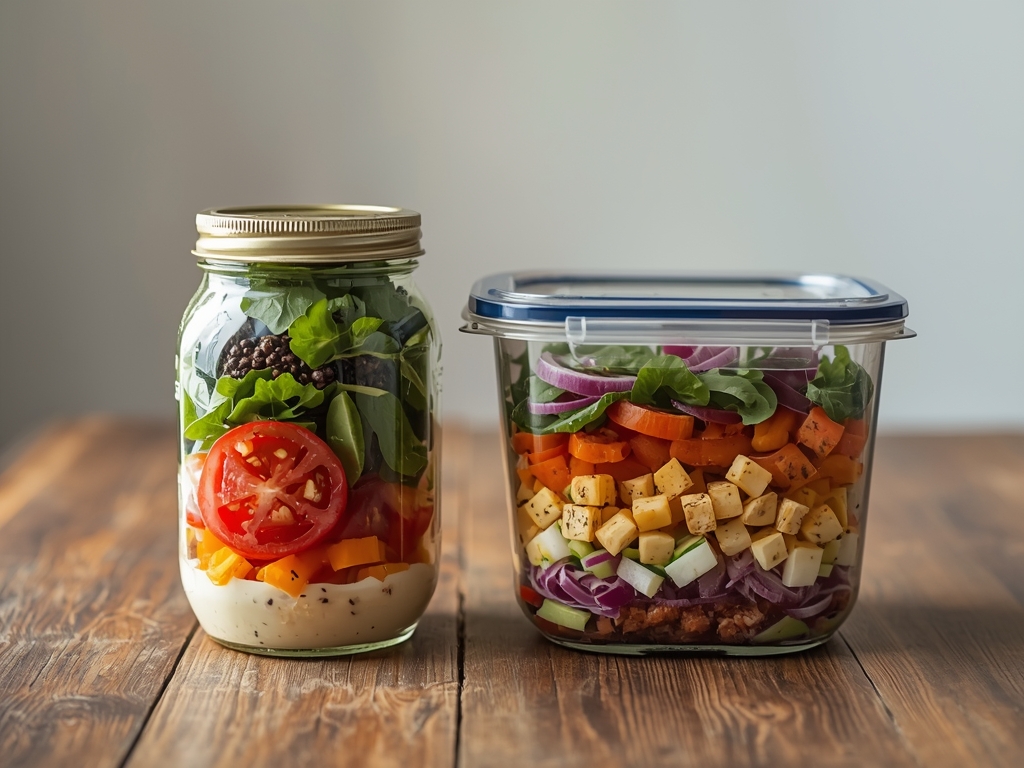
When it comes to storing food, the choice of container can significantly impact freshness, flavor, and safety. In the United States, where we’re known for our diverse culinary landscape and love for leftovers, selecting the right storage gear is essential. The debate between glass and plastic containers has been ongoing, with each material offering unique benefits and drawbacks. Let’s dive into the world of food storage and uncover which option reigns supreme for long-term food safety.
The Case for Glass: Timeless and Trustworthy

A History of Reliability
Glass containers have been a staple in American kitchens for generations. From classic Ball mason jars to elegant glass canisters, this material has stood the test of time. Glass is non-porous, meaning it won’t absorb flavors or odors, ensuring that your food tastes as fresh as the day it was stored.
One of the most significant advantages of glass is its inert nature. It doesn’t react with food, making it an excellent choice for acidic ingredients like tomatoes or citrus fruits. This quality also ensures that no harmful chemicals leach into your meals, a concern often associated with plastic.
Durability and Sustainability
Glass containers are renowned for their durability. They can withstand high temperatures, making them microwave and dishwasher-safe. This feature is a game-changer for busy households, as it allows for easy reheating and hassle-free cleaning.
In a country where sustainability is becoming increasingly important, glass shines as an eco-friendly option. It’s recyclable and can be reused indefinitely without losing quality. Many Americans are embracing the zero-waste lifestyle, and glass containers fit perfectly into this movement.
Plastic’s Convenience and Modern Appeal

Lightweight and Versatile
Plastic containers have gained popularity for their lightweight and versatile nature. They come in various shapes and sizes, catering to different storage needs. From stackable meal prep containers to flexible bags for freezing, plastic offers convenience and adaptability.
For on-the-go Americans, plastic’s lightweight design is a significant advantage. It’s ideal for packing lunches, picnics, or camping trips without adding extra weight. Additionally, plastic containers are often more affordable, making them accessible to a wide range of consumers.
Innovations in Plastic Technology
Modern plastic containers have evolved to address safety concerns. Many are now labeled as BPA-free, ensuring they don’t contain bisphenol A, a chemical once commonly used in plastics that raised health concerns.
Some plastics are designed to be microwave-safe, allowing for quick reheating. However, it’s crucial to follow manufacturer guidelines, as not all plastics can withstand high temperatures without potentially leaching chemicals.
Food Safety: A Critical Comparison

Chemical Leaching and Food Contact
One of the primary concerns with plastic containers is the potential for chemical leaching. While BPA-free options have mitigated some risks, other chemicals like phthalates may still be present. These chemicals can migrate into food, especially when exposed to heat or fatty substances.
Glass, on the other hand, is chemically inert and doesn’t leach any substances into food. This makes it a safer choice for long-term storage, particularly for acidic or fatty foods. For health-conscious Americans, this aspect is a significant consideration.
Scratches and Wear: A Hidden Danger
Over time, plastic containers can develop scratches and wear, providing hiding places for bacteria. These microscopic crevices can be challenging to clean, potentially leading to food contamination. Glass, being non-porous and smooth, doesn’t have this issue, making it easier to maintain hygiene.
For those with busy lifestyles, the ease of cleaning glass containers is a significant advantage. A quick wash in the dishwasher ensures they’re ready for the next use, without worrying about hidden bacteria.
Environmental Impact: A Growing Concern

Recycling and Waste Management
In the United States, recycling practices vary widely, and the environmental impact of containers is a crucial factor. Glass is highly recyclable and can be recycled endlessly without losing quality. However, it’s heavier, which can increase transportation emissions.
Plastic recycling is more complex. While many plastics are recyclable, the process is often less efficient, and not all types are accepted by local recycling programs. Additionally, plastic production relies on fossil fuels, contributing to environmental concerns.
Longevity and Waste Reduction
Glass containers’ durability means they last longer, reducing the need for frequent replacements. This longevity contributes to waste reduction, a key aspect of sustainable living. Plastic containers, while lightweight, may need to be replaced more often due to wear and tear.
For environmentally conscious consumers, the choice between glass and plastic extends beyond the kitchen. It’s about making a statement and contributing to a greener future.
Practical Tips for Safe Food Storage
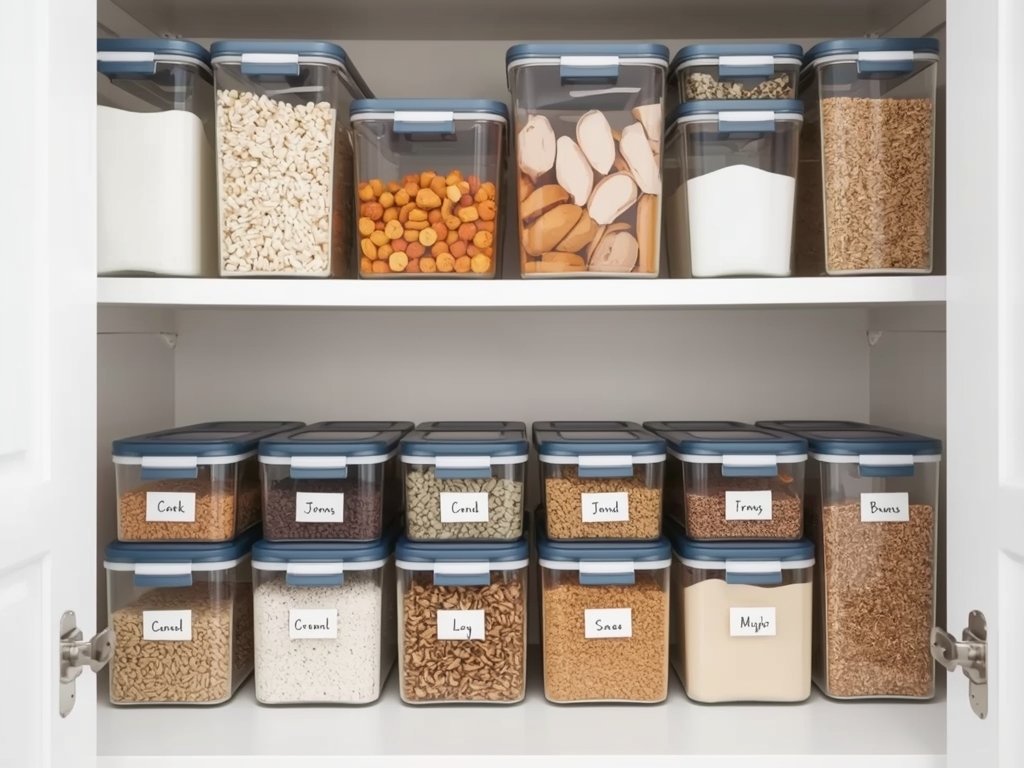
Best Practices for Both Materials
Regardless of your container choice, proper usage is key to ensuring food safety. Always follow manufacturer guidelines for temperature limits and cleaning instructions. Avoid using old, scratched plastic containers for food storage, as they may harbor bacteria.
For glass, be mindful of sudden temperature changes, as they can cause breakage. Allow hot food to cool slightly before transferring it to glass containers. When using plastic, opt for high-quality, food-grade options and avoid heating fatty foods in them.
A Balanced Approach
In reality, many households use a combination of glass and plastic containers, each serving specific purposes. Glass is ideal for long-term storage, meal prep, and preserving homemade goods. Plastic excels in portability, freezing, and quick, everyday use.
By understanding the strengths of each material, you can create a well-rounded food storage system. This balanced approach ensures you have the right gear for various culinary adventures, from preserving summer’s bounty to packing a quick lunch.
FAQ: Glass vs. Plastic Containers
Is it safe to store food in plastic containers long-term?
While plastic containers are convenient, long-term storage in plastic is not ideal due to potential chemical leaching. For extended storage, glass is a safer option, especially for acidic or fatty foods.
Can I use glass containers in the freezer?
Yes, glass containers are freezer-safe, but it’s essential to leave some headspace for expansion. Avoid filling them to the brim, as liquids expand when frozen, which could cause breakage.
How can I ensure my plastic containers are safe to use?
Look for BPA-free labels and choose high-quality, food-grade plastics. Avoid using old, scratched containers, and never heat fatty foods in plastic, as this increases the risk of chemical migration.
Are glass containers worth the investment?
Glass containers are a worthwhile investment for their durability, safety, and sustainability. They may be more expensive upfront, but their longevity and health benefits make them a cost-effective choice in the long run.
What’s the best way to transition from plastic to glass containers?
Start by replacing frequently used containers with glass alternatives. Focus on items like meal prep containers, storage jars, and those used for acidic foods. Gradually build your glass collection, and consider repurposing old glass jars for dry goods storage.

David handles the Kitchen Gear category, reviewing tools, equipment, and accessories that make cooking and food storage easier. His articles focus on practical recommendations for everyday home cooks.

← Previous
Essential Kitchen Knives: Save Money with These 3 Must-Haves
Next →
French Press vs Pour Over: Strongest Morning Brew Revealed