Follow Me On Social Media!

The Great American Coffee Debate: French Press vs. Pour Over
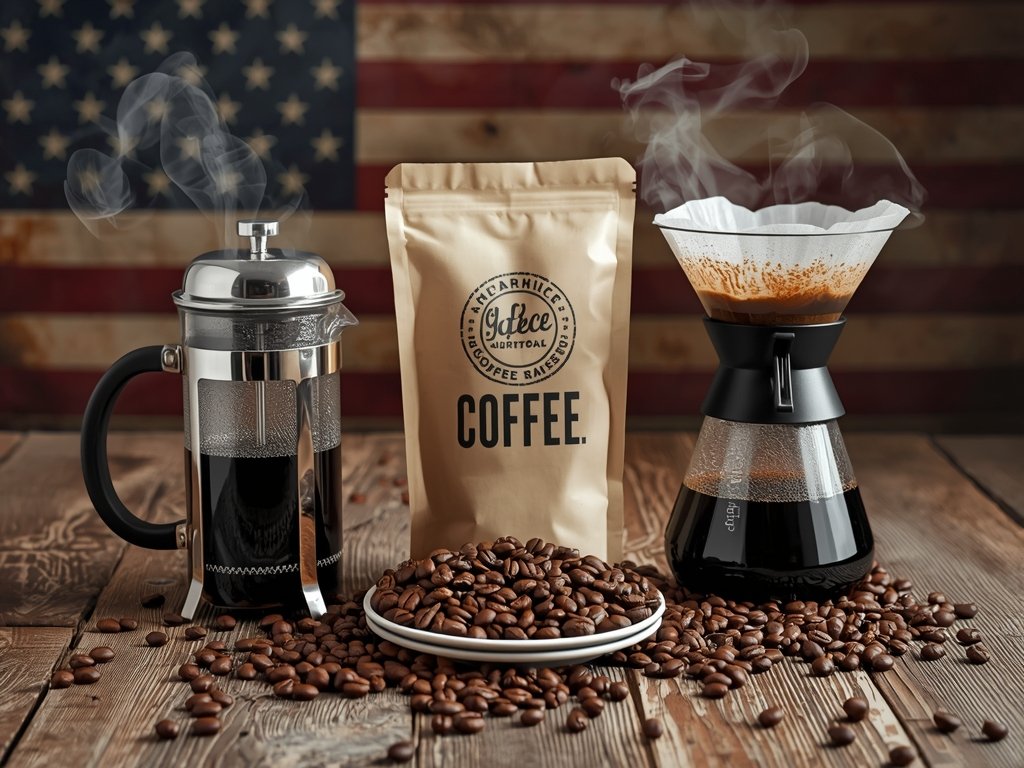
For many Americans, the morning routine is sacred. It’s the time to gather our thoughts, plan our day, and, most importantly, fuel up with a strong cup of coffee. But when it comes to brewing methods, the debate rages on: French press or pour over? Both have their die-hard fans, but which one delivers the stronger, more satisfying morning brew?
In this article, we’ll dive into the world of coffee brewing, exploring the nuances of French press and pour over methods. We’ll examine the science behind each technique, the flavor profiles they produce, and the cultural significance of coffee in American life.
The Science of Strength: Extraction and Flavor

To understand what makes a coffee “strong,” we need to look at the extraction process. Extraction refers to the amount of flavor and caffeine drawn from the coffee grounds during brewing. A stronger brew typically means more flavor compounds and caffeine have been extracted.
French press brewing involves steeping coarse grounds in hot water, then pressing a plunger to separate the grounds from the liquid. This method allows for a full immersion of the grounds, resulting in a bold, full-bodied flavor. Pour over, on the other hand, involves pouring hot water over finely ground coffee in a filter. The water passes through the grounds and filter, extracting flavor as it goes.
The Role of Grind Size and Water Temperature
Grind size plays a crucial role in extraction. A coarse grind, typical in French press, allows for a slower extraction, while a fine grind, used in pour over, speeds up the process. Water temperature also affects extraction, with hotter water generally resulting in a stronger brew.
However, it’s not just about strength. The flavor profile is equally important. French press coffee tends to have a richer, more complex flavor, while pour over produces a cleaner, more nuanced taste. The choice ultimately comes down to personal preference.
The Art of Brewing: Technique and Ritual
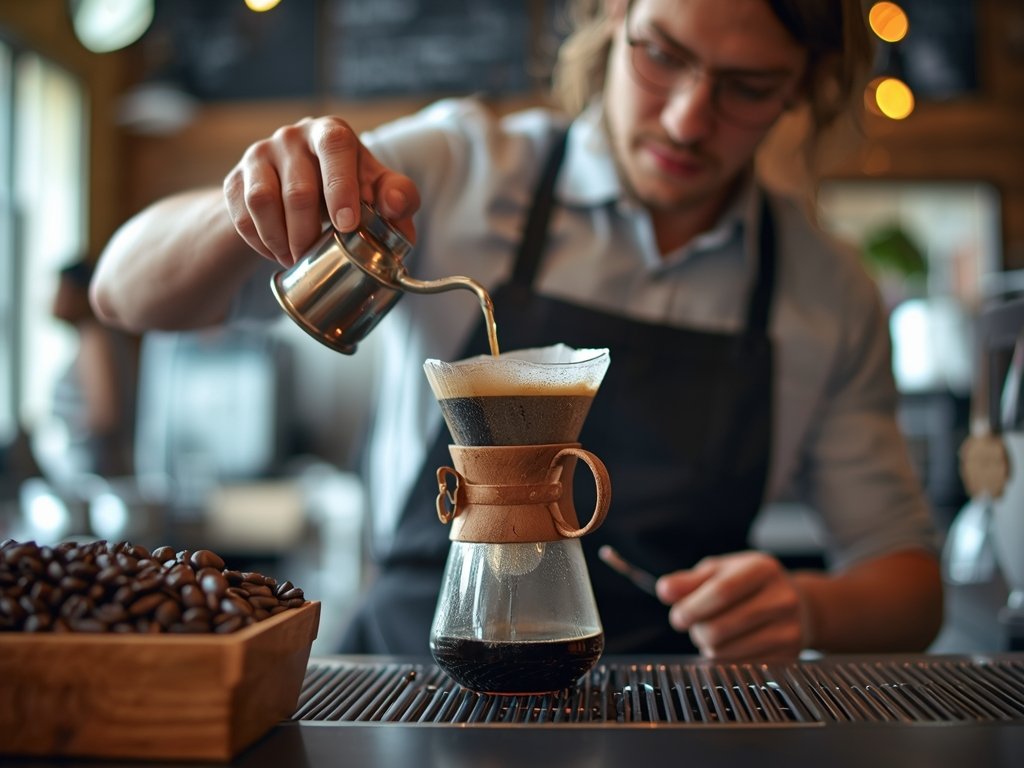
Brewing coffee is an art form, and both French press and pour over methods have their unique techniques and rituals. The process of preparing a cup of coffee can be just as important as the final product.
French press brewing is often seen as a more laid-back, casual method. It’s perfect for a lazy Sunday morning, when you have time to let the coffee steep and enjoy the process. Pour over, on the other hand, requires more precision and attention to detail. It’s a favorite among coffee connoisseurs who appreciate the control and nuance of the method.
The Pour Over Process: Precision and Control
Pour over brewing involves a series of precise steps: wetting the grounds, pouring in a slow, circular motion, and maintaining a consistent water temperature. This method allows for a high degree of control over the extraction process, resulting in a clean, balanced flavor.
The ritual of pour over brewing has become a staple in many American coffee shops, where baristas take pride in their craft and the quality of their coffee. It’s not uncommon to see customers gathered around the bar, watching as their coffee is carefully prepared.
The Cultural Significance of Coffee in America

Coffee has played a significant role in American culture for centuries. From the Boston Tea Party, where coffee became a symbol of rebellion against British rule, to the modern-day coffee shop culture, coffee has been a constant companion in American life.
The rise of specialty coffee in the 1990s and 2000s further solidified coffee’s place in American culture. Today, coffee shops are a ubiquitous presence in cities and towns across the country, serving as community hubs and gathering places.
The Third Wave of Coffee: A Focus on Quality and Craft
The third wave of coffee, which emerged in the early 2000s, emphasized quality, craft, and sustainability. This movement led to a renewed interest in brewing methods like pour over and French press, as coffee enthusiasts sought to explore the nuances of flavor and extraction.
As a result, coffee has become an integral part of American identity, with regional variations and local roasters adding to the rich tapestry of American coffee culture. Whether you prefer a strong French press brew or a delicate pour over, there’s a coffee experience to suit every taste.
The Verdict: Which Method Makes a Stronger Brew?
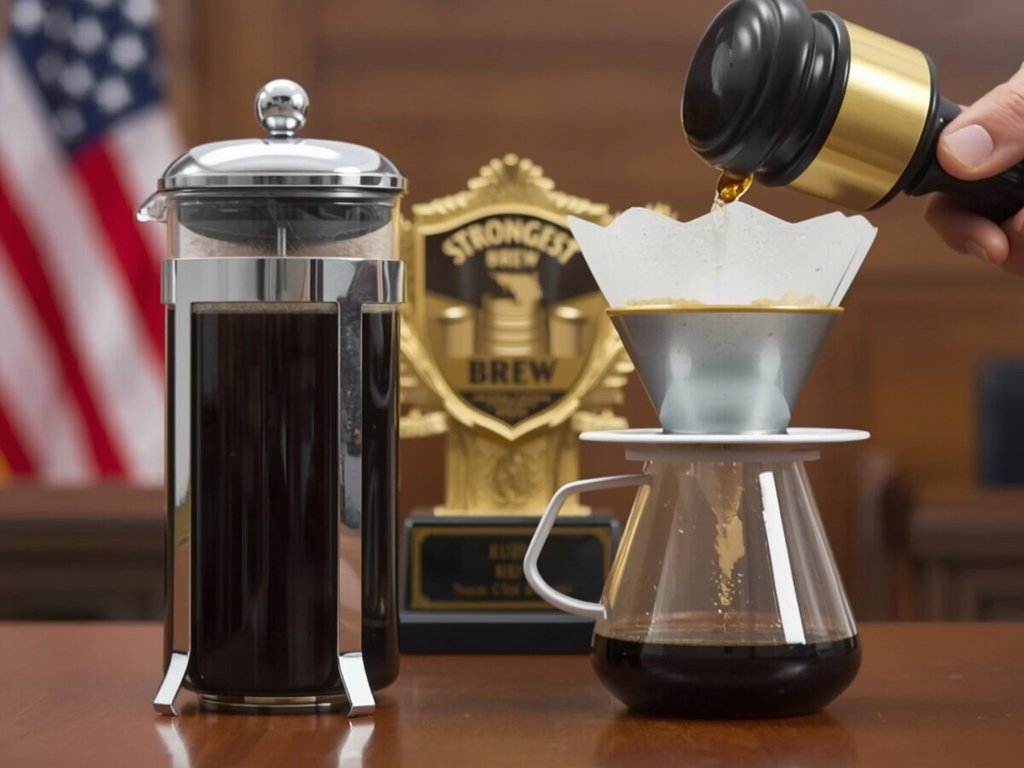
After examining the science, technique, and cultural significance of French press and pour over brewing, it’s time to answer the question: which method makes a stronger morning brew? The answer, as it turns out, is not so straightforward.
Both methods have their strengths and weaknesses. French press produces a bold, full-bodied flavor, while pour over offers a cleaner, more nuanced taste. Ultimately, the choice comes down to personal preference and the desired flavor profile.
Factors to Consider: Taste, Convenience, and Lifestyle
When deciding between French press and pour over, consider factors like taste, convenience, and lifestyle. If you prefer a strong, rich flavor and don’t mind a bit of sediment, French press might be the way to go. If you value precision, control, and a clean taste, pour over could be the better option.
In the end, the strongest morning brew is the one that suits your individual needs and preferences. So, whether you’re a French press aficionado or a pour over purist, raise your cup and savor the rich, complex flavors of a perfectly brewed cup of coffee.
FAQ
What is the main difference between French press and pour over coffee?
The main difference lies in the brewing method: French press involves steeping coarse grounds in hot water, while pour over involves pouring hot water over finely ground coffee in a filter.
Which method produces a stronger coffee?
French press generally produces a stronger, more full-bodied flavor due to the full immersion of the grounds, while pour over offers a cleaner, more nuanced taste.
Can I use the same coffee beans for both methods?
Yes, you can use the same coffee beans for both methods, but the grind size will need to be adjusted: coarse for French press and fine for pour over.
How do I choose the right brewing method for me?
Consider your taste preferences, convenience, and lifestyle. If you prefer a strong, rich flavor and don’t mind a bit of sediment, French press might be ideal. If you value precision, control, and a clean taste, pour over could be the better option.
What is the ideal water temperature for brewing coffee?
The ideal water temperature is between 195°F and 205°F (90°C and 96°C) for optimal extraction and flavor.

David handles the Kitchen Gear category, reviewing tools, equipment, and accessories that make cooking and food storage easier. His articles focus on practical recommendations for everyday home cooks.

← Previous
Glass vs Plastic: The Ultimate Food Storage Safety Guide
Next →
Air Fryer Accessories Worth Buying: 5 Game-Changers