Follow Me On Social Media!

A Tale of Two Ovens: Unraveling the Mystery
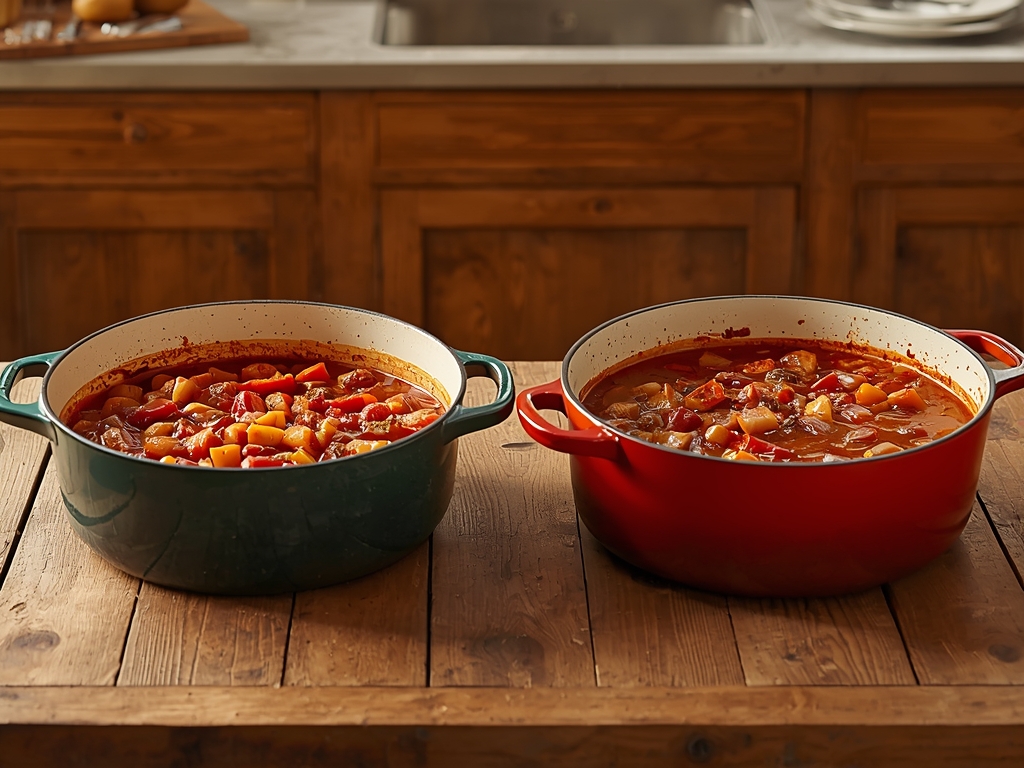
In the heart of every American kitchen, there’s a debate simmering—one that’s as old as the hills and as divisive as the great soda vs. pop debate. We’re talking about the French oven vs. Dutch oven showdown. These two culinary heavyweights have been duking it out for centuries, each with its own loyal following.
But what’s the real difference? Is it just a matter of semantics, or are there distinct characteristics that set them apart? Grab a cup of coffee, pull up a chair, and let’s dive into the fascinating world of these two kitchen workhorses.
The Origins: A Transatlantic Tale
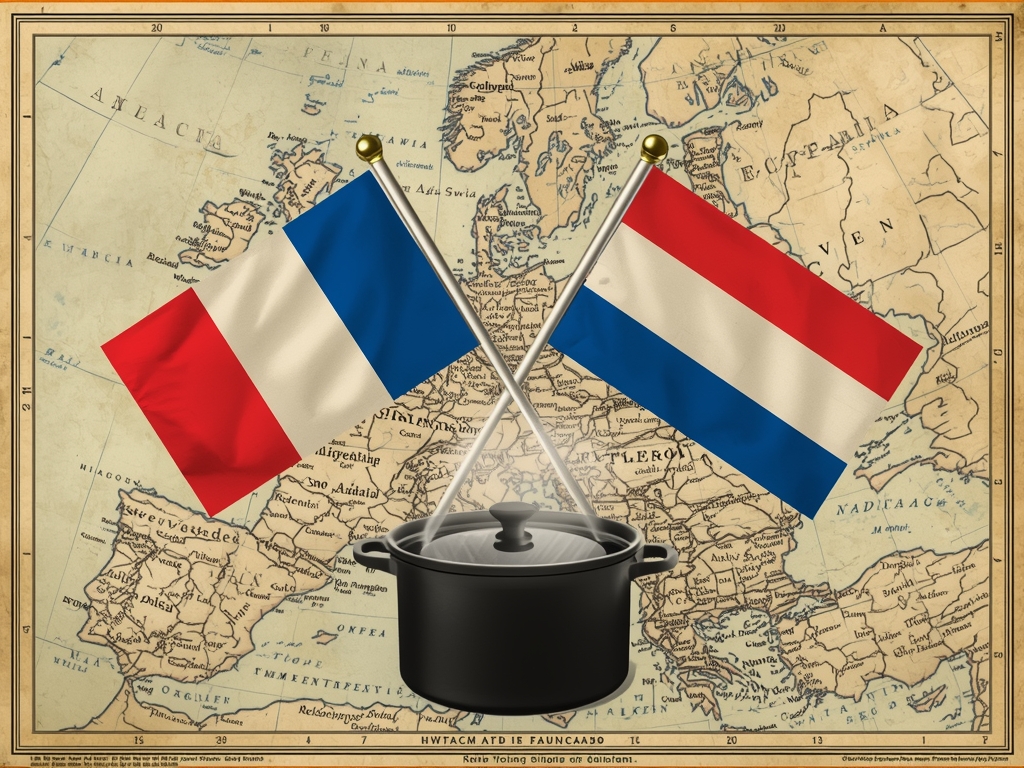
The French Connection
Our story begins in France, where the art of cooking is revered as a national treasure. The French oven, also known as a cocotte, has been a staple in French kitchens since the 19th century. It’s said that the famous French chef, Paul Bocuse, wouldn’t be caught dead without his trusty cocotte.
French ovens are typically made from cast iron, enamelled for durability and ease of cleaning. The enamel coating not only adds a pop of color to your kitchen but also prevents the iron from reacting with acidic foods, ensuring your coq au vin tastes just as it should.
The Dutch Angle
Now, let’s hop across the pond to the Netherlands, where the Dutch oven has been a household name since the 17th century. Dutch ovens were originally made from cast iron, too, but without the enamel coating. This gave them a more rustic, old-world charm.
The Dutch oven’s design was so innovative that it quickly spread across Europe and eventually made its way to the New World. In fact, it’s said that the pilgrims who settled in Plymouth, Massachusetts, brought Dutch ovens with them, making it one of the first true American kitchen tools.
Material Matters: Cast Iron vs. Enamel
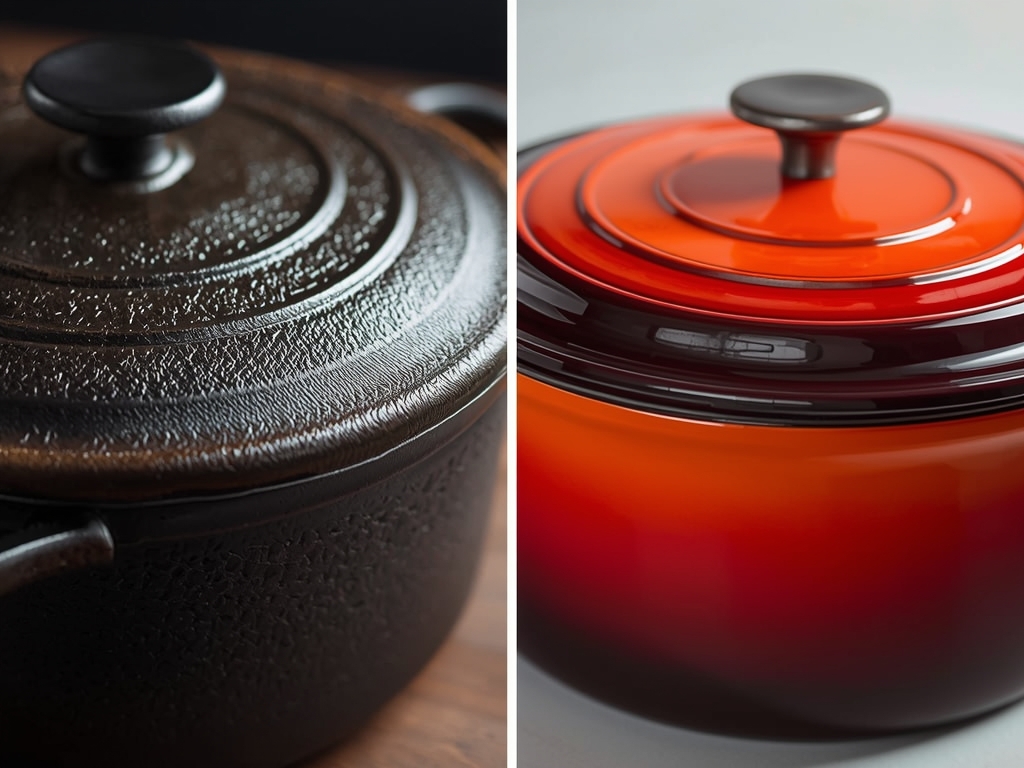
The most significant difference between French and Dutch ovens lies in their materials. As mentioned earlier, French ovens are typically enamelled, while traditional Dutch ovens are not.
Enamelled cast iron offers several advantages. It’s easier to clean, more resistant to rust, and doesn’t require seasoning like its bare cast iron counterpart. This makes French ovens a more low-maintenance option for busy home cooks.
However, purists argue that the enamel coating can chip or crack over time, whereas a well-seasoned cast iron Dutch oven can last for generations. It’s a classic trade-off between convenience and longevity.
Shape and Size: It’s Not Just About Looks

The French Flair
French ovens often feature a more rounded, curvaceous shape, with a tight-fitting lid that helps trap moisture and flavor. This design is ideal for slow-cooking dishes like boeuf bourguignon or ratatouille.
They also tend to come in a wider range of colors and sizes, making them a popular choice for those who want their cookware to match their kitchen décor. From classic black to vibrant shades of red and blue, there’s a French oven to suit every taste.
The Dutch Design
Dutch ovens, on the other hand, usually have a more angular, rectangular shape, with a flat lid that can double as a griddle. This design is perfect for searing meats or frying up a batch of crispy bacon.
While they may not offer the same color variety as French ovens, Dutch ovens make up for it with their versatility. Many models come with legs and a handle, making them suitable for use on both the stovetop and in the oven, or even over an open fire.
Cooking Performance: Putting Them to the Test
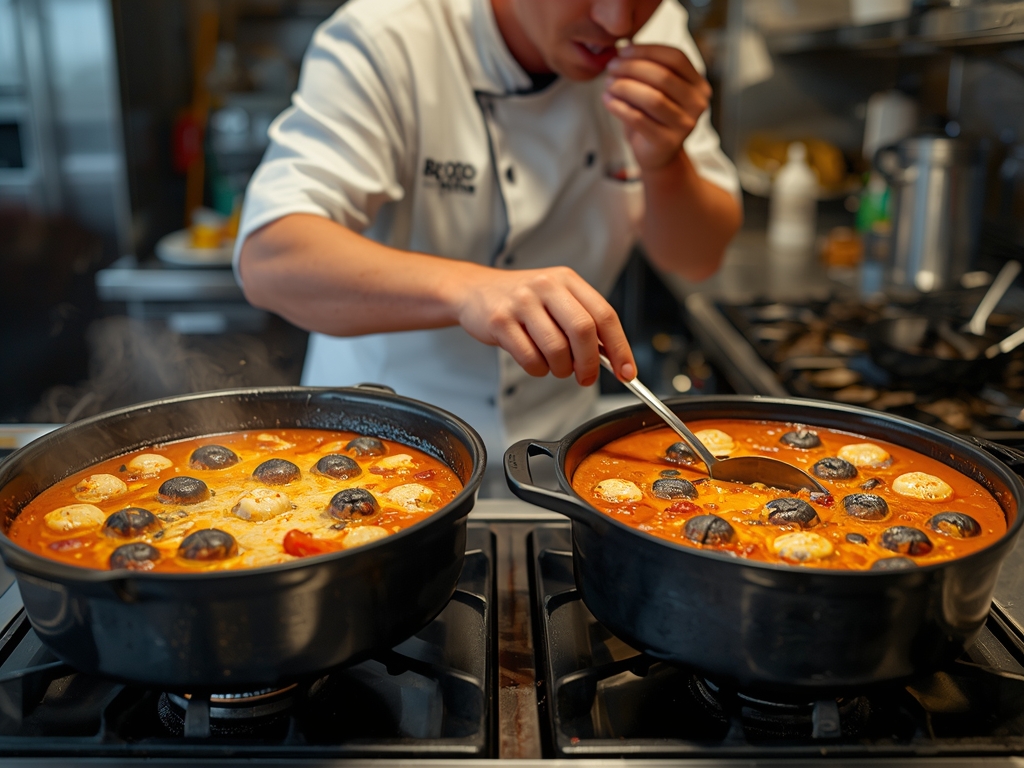
When it comes to cooking performance, both French and Dutch ovens excel at retaining heat and distributing it evenly. This makes them ideal for slow-cooking, braising, and baking.
However, there are some subtle differences. The enamel coating on French ovens can make them slightly more prone to hot spots, whereas the bare cast iron of Dutch ovens provides more consistent heat distribution.
That being said, with proper care and attention, both types of ovens can produce outstanding results. It’s all about understanding their unique characteristics and adjusting your cooking techniques accordingly.
The Verdict: Which One’s Right for You?
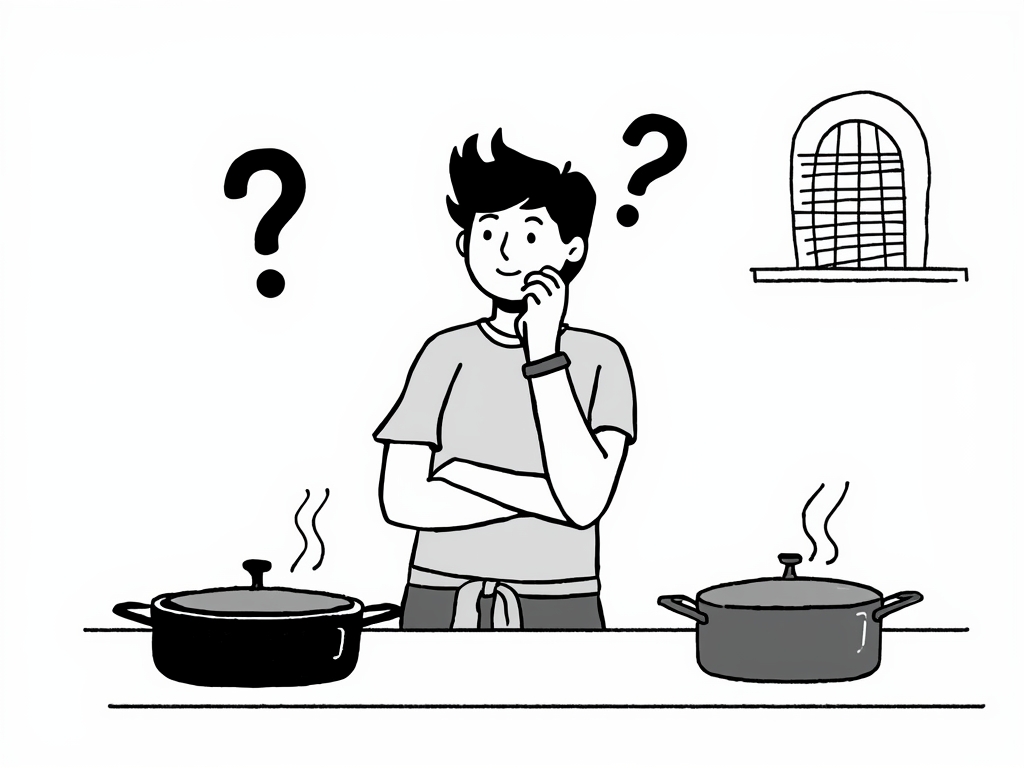
So, which one should you choose? The answer, as with most things in life, depends on your personal preferences and cooking style.
If you’re looking for a low-maintenance, versatile option that’s easy to clean and comes in a range of colors, a French oven might be the way to go. On the other hand, if you’re a traditionalist who values durability, versatility, and the unique flavor that only cast iron can provide, a Dutch oven could be your perfect match.
Ultimately, the best way to decide is to get your hands on both types of ovens and see which one feels more like an extension of your culinary self. After all, the proof is in the pudding – or in this case, the pot roast.
FAQ
Can I use a French oven on an induction cooktop?
Yes, most French ovens with an enamelled base are compatible with induction cooktops. However, it’s always best to check the manufacturer’s specifications to be sure.
How do I season a Dutch oven?
To season a Dutch oven, coat the interior with a thin layer of vegetable oil, then bake it upside down in a preheated oven at 350°F (180°C) for about an hour. Let it cool completely before using.
Can I put my French oven in the dishwasher?
While some French ovens are dishwasher-safe, it’s generally recommended to hand-wash them to prevent damage to the enamel coating. Always check the manufacturer’s instructions for specific care guidelines.
What’s the best way to store my Dutch oven?
Store your Dutch oven in a dry, well-ventilated area to prevent rust. If you’re stacking it with other cookware, place a cloth or paper towel between the pots to prevent scratches.
Can I use metal utensils with my French oven?
It’s best to avoid using metal utensils with enamelled French ovens, as they can scratch the surface. Opt for wooden or silicone utensils instead to prolong the life of your cookware.

David handles the Kitchen Gear category, reviewing tools, equipment, and accessories that make cooking and food storage easier. His articles focus on practical recommendations for everyday home cooks.

← Previous
Mandoline Slicer Safety Gear: Protect Your Hands Like a Pro
Next →
Coffee Grinder Hacks: Spice & Sugar Secrets Revealed