Follow Me On Social Media!

The Great Pizza Sauce Debate: To Freeze or Not to Freeze
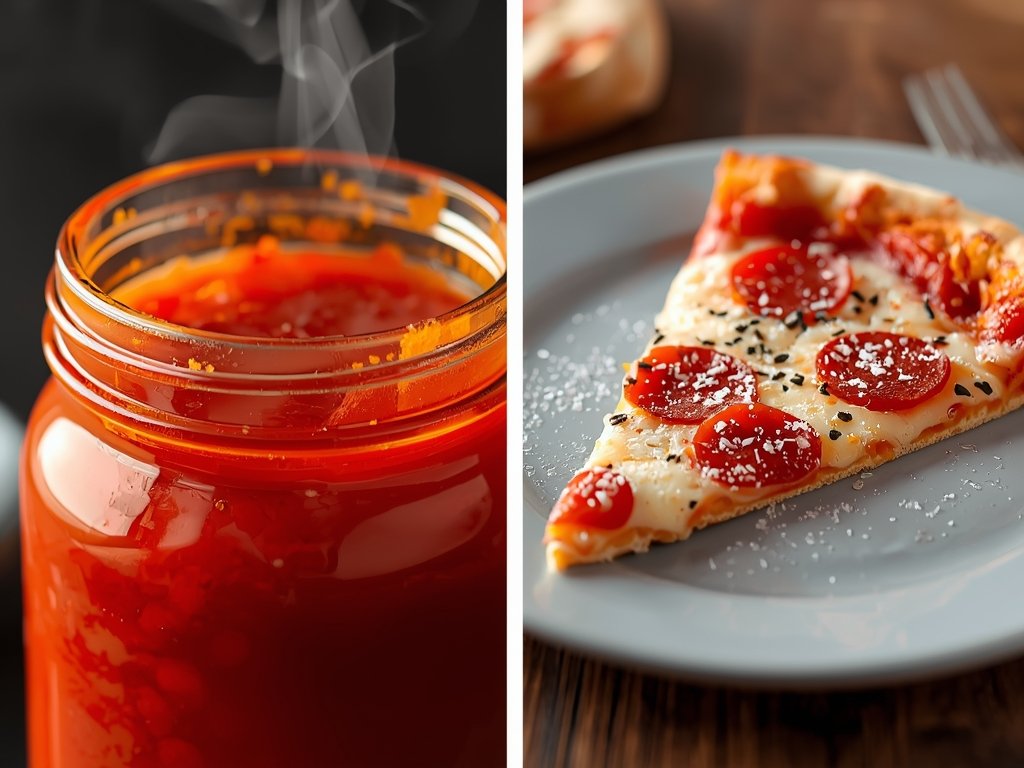
Ah, pizza sauce—the unsung hero of every great pizza. Whether you’re a DIY pizza enthusiast or a weekend chef, you’ve likely found yourself with leftover sauce at some point. But what do you do with it? Can you freeze pizza sauce without sacrificing its flavor and texture? Let’s dive into the saucy details and settle this once and for all.
Why Freeze Pizza Sauce Anyway?
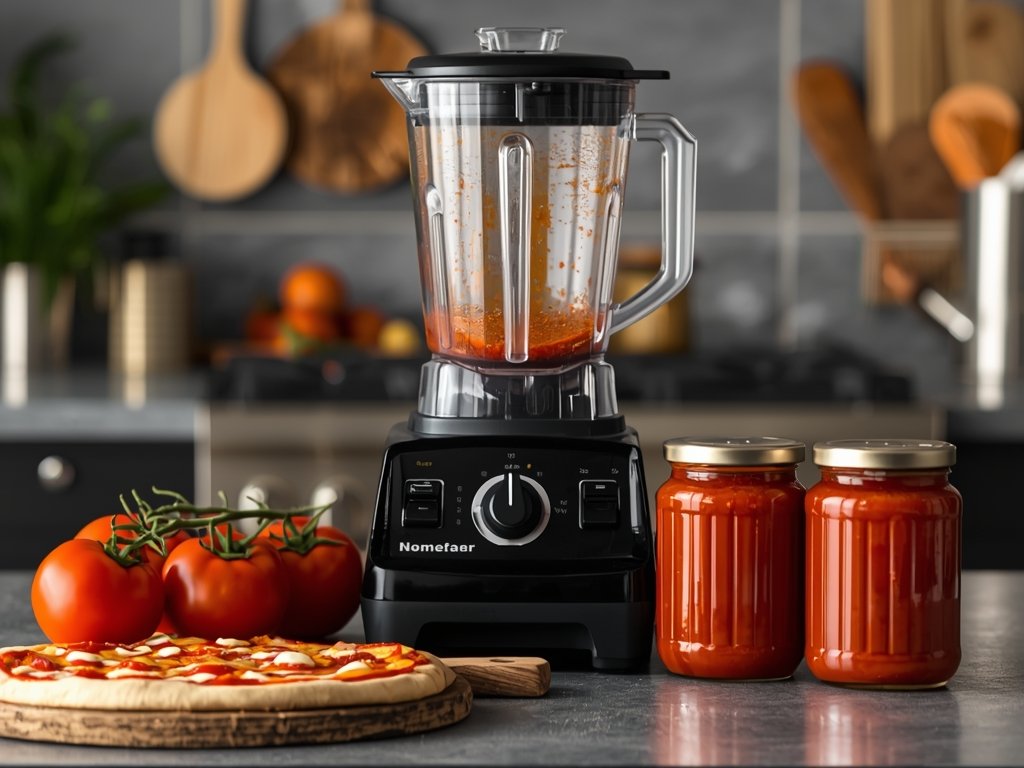
Homemade pizza sauce is a labor of love. From blending fresh tomatoes to perfecting the spice mix, it’s a process that deserves to be savored—literally. But what if you’ve made a big batch and don’t want it to go to waste? Freezing is a practical solution, but it’s not as simple as tossing it in the freezer and forgetting about it.
For many Americans, pizza is a staple, and having sauce on hand means you’re always one step away from a homemade pie. Freezing allows you to preserve that hard work and enjoy it later without the fear of spoilage. Plus, it’s a great way to meal prep for those busy weeknights when delivery just won’t cut it.
The Science Behind Freezing Pizza Sauce

How Freezing Affects Texture and Flavor
Freezing isn’t just about stopping time; it’s a science. When you freeze pizza sauce, the water content expands, which can alter the texture. This is why thawed sauce might seem a bit watery. But don’t worry—there are ways to mitigate this.
Flavor-wise, freezing generally preserves the taste, especially if you’ve seasoned your sauce well. However, some herbs and spices might lose their punch over time. The key is to use airtight containers and label them with the date to ensure freshness.
Common Myths About Freezing Sauce
One common myth is that freezing ruins the sauce’s consistency. While it’s true that thawed sauce might need a quick stir, it’s not a deal-breaker. Another misconception is that frozen sauce loses all its nutrients. In reality, freezing is one of the best ways to retain vitamins and minerals.
Step-by-Step Guide to Freezing Pizza Sauce

Preparing Your Sauce for the Deep Freeze
Before you freeze your sauce, let it cool completely. Hot sauce can raise the temperature of your freezer, affecting other foods. Once cooled, portion the sauce into freezer-safe containers or bags. Ice cube trays are a genius hack for freezing sauce in small, usable portions.
If you’re using containers, leave some space at the top since the sauce will expand. For bags, squeeze out as much air as possible to prevent freezer burn. Label everything with the date and contents—future you will thank you.
Best Practices for Long-Term Storage
- Use airtight containers: Glass jars or BPA-free plastic containers work best.
- Portion control: Freeze in amounts you’ll use at once to avoid waste.
- Avoid overfilling: Leave room for expansion to prevent spills.
- Label everything: Include the date and type of sauce for easy identification.
Thawing and Using Frozen Pizza Sauce

The Right Way to Thaw Your Sauce
When it’s time to use your frozen sauce, thaw it slowly in the refrigerator overnight. This preserves the texture and flavor better than a quick defrost on the counter. If you’re in a hurry, place the container in a bowl of cold water, changing the water every 30 minutes.
Once thawed, give the sauce a good stir to reincorporate any separated liquids. If it seems too thin, simmer it on the stove for a few minutes to reduce and thicken.
Creative Ways to Use Thawed Sauce
Pizza sauce isn’t just for pizza. Use it as a base for pasta dishes, dip for garlic bread, or even a topping for grilled chicken. Its versatility makes freezing it even more worthwhile.
Alternatives to Freezing: Other Storage Methods
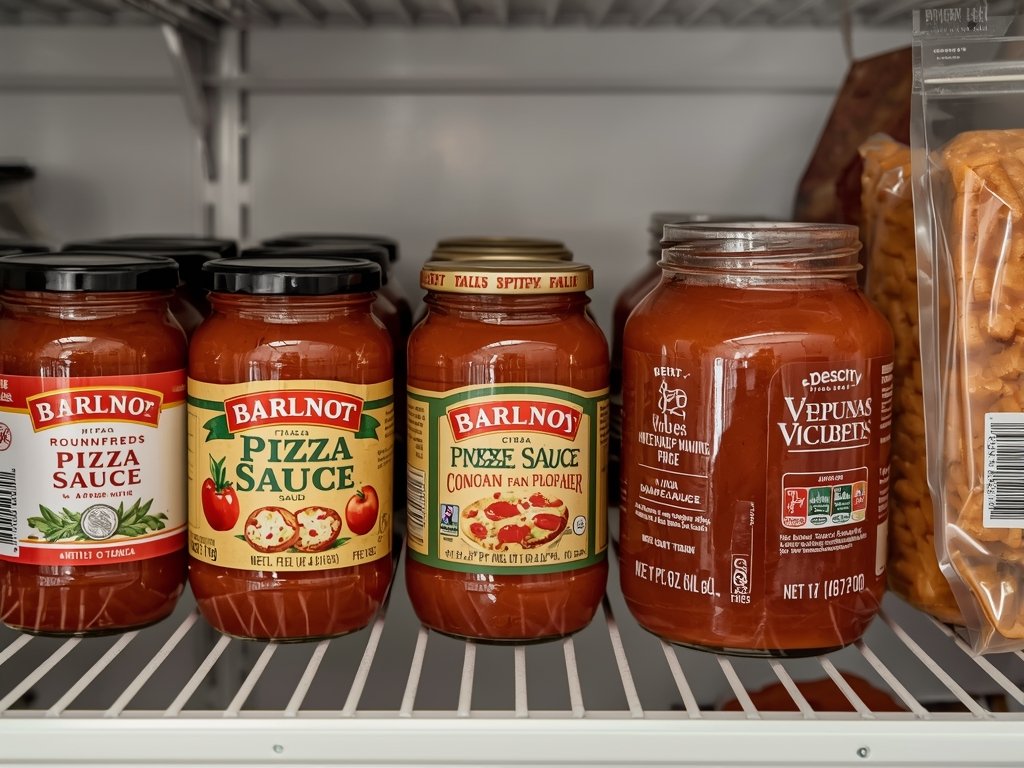
Refrigeration: A Short-Term Solution
If you plan to use the sauce within a week, refrigeration is your best bet. Store it in an airtight container and give it a stir before using. Just remember, the clock is ticking—refrigerated sauce won’t last as long as frozen.
Canning: For the Long Haul
For those who want to keep sauce fresh for months without freezing, canning is an excellent option. It requires more effort but ensures your sauce stays shelf-stable. Follow proper canning procedures to avoid spoilage.
FAQ: Your Burning Questions Answered
Can I freeze pizza sauce with meat?
Yes, but be cautious. Meat-based sauces can become watery when frozen and thawed. Use them within 2-3 months for best quality.
How long does frozen pizza sauce last?
Properly stored, frozen pizza sauce can last up to 6 months. After that, it’s still safe to eat but may lose some flavor.
Can I refreeze thawed pizza sauce?
It’s not recommended. Refreezing can affect texture and quality. Only thaw what you plan to use.
Does freezing affect the nutritional value of pizza sauce?
Minimal impact. Freezing preserves most nutrients, making it a healthy storage option.
Can I freeze store-bought pizza sauce?
Absolutely! Follow the same steps as for homemade sauce. Check the label for any specific storage instructions.

Lina leads the Fresh Hacks category, covering food storage tips, freshness preservation, and smart ways to extend the life of your groceries. Her guides help readers keep ingredients at peak quality for longer.

← Previous
Revive Stale Bread: The Water Splash Method Revealed
Next →
Prevent Apple Browning in Lunch Boxes: Easy Tips & Tricks