Follow Me On Social Media!

Pour, Freeze, Savor: The Ultimate Guide to Saving Leftover Wine

We’ve all been there—a bottle of wine opened for a recipe or a quiet night in, only to realize there’s more left than we can finish. Instead of letting it go to waste, why not freeze it for future culinary adventures? Freezing leftover wine in ice cube trays is a game-changer for home cooks across the U.S. Whether you’re whipping up a risotto, deglazing a pan, or adding depth to a sauce, these wine cubes will be your secret weapon. Let’s dive into the how, why, and what of saving that precious vino.
Why Freeze Wine in Ice Cube Trays?
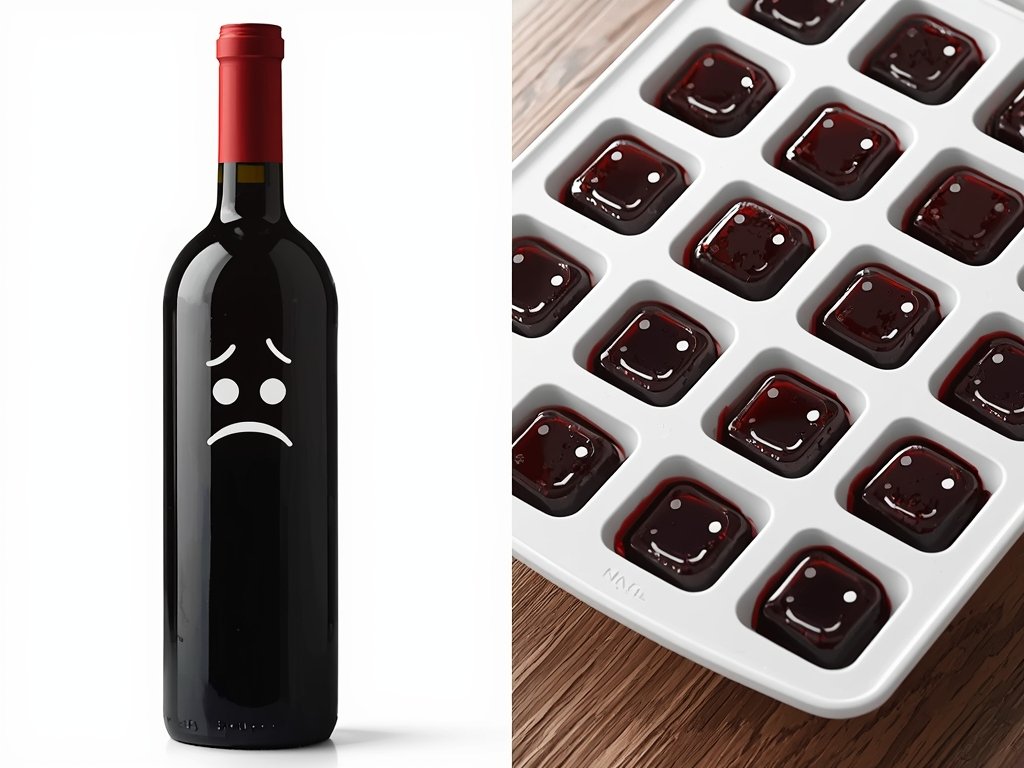
Wine doesn’t last forever once opened. After a few days, it loses its flavor and aroma, leaving you with a less-than-stellar sip. Freezing it in ice cube trays not only preserves its flavor but also makes it incredibly convenient for cooking. Each cube is roughly one ounce, perfect for recipes that call for small amounts of wine. Plus, it’s an eco-friendly way to reduce waste—a win for your wallet and the planet.
Think of it as your own DIY cooking wine stash. No more rushing to the store for a small splash of wine or using up a whole bottle for a single recipe. From marinades to stews, these cubes will elevate your dishes with minimal effort.
What You’ll Need to Get Started
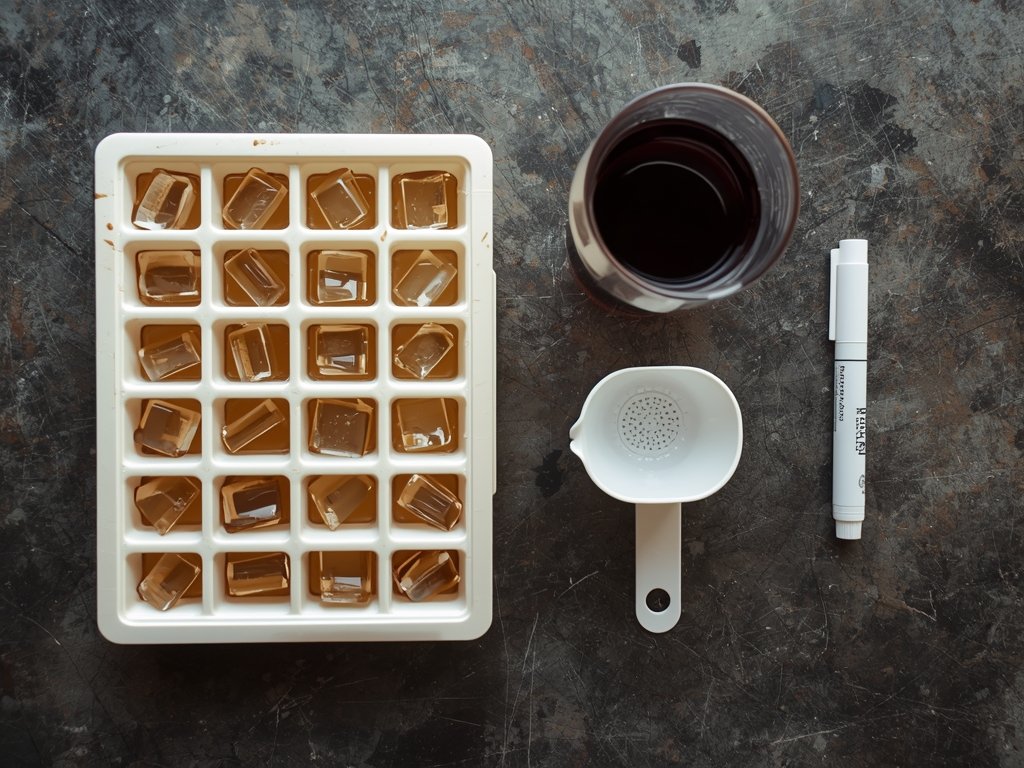
Before you start freezing, gather a few simple tools. You’ll need ice cube trays (silicone ones are easiest to pop out), a funnel (optional but helpful for mess-free pouring), and a marker for labeling. If you’re freezing both red and white wine, consider using different colored trays or labels to avoid mix-ups.
Pro tip: If you’re short on freezer space, opt for flat or stackable trays. And don’t forget to leave a little room at the top of each cube—wine expands as it freezes, just like water.
Step-by-Step: Freezing Your Leftover Wine
- Pour Carefully: Use a funnel to pour the leftover wine into the ice cube trays, filling each slot about ¾ full.
- Freeze: Place the trays in the freezer and let them freeze completely, which usually takes 4-6 hours.
- Pop and Store: Once frozen, pop the wine cubes out of the trays and transfer them to a freezer-safe bag or container. Label with the type of wine and date.
Best Wines to Freeze for Cooking
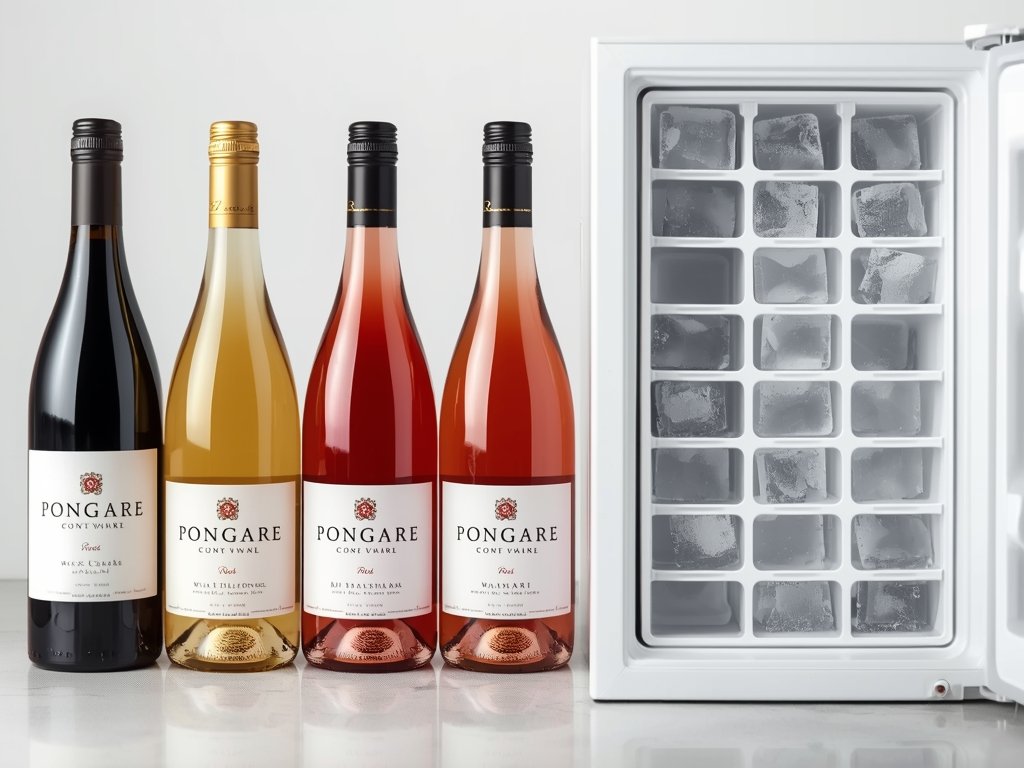
Not all wines are created equal when it comes to freezing. For cooking, stick to dry or semi-dry varieties that complement your recipes. Red wines like Cabernet Sauvignon or Merlot add richness to meats and sauces, while white wines like Sauvignon Blanc or Pinot Grigio are perfect for lighter dishes like seafood or poultry.
Avoid freezing sweet or dessert wines, as their sugar content can affect texture when frozen. And while you can freeze rosé, it’s less commonly used in cooking, so save it for sipping instead.
Wine Pairings for Common Dishes
- Beef Stews: Red wine cubes for depth and richness.
- Chicken Piccata: White wine cubes for a bright, tangy flavor.
- Risotto: Either red or white, depending on your preference.
- Marinades: Red wine for meats, white wine for fish or veggies.
How to Use Frozen Wine Cubes in Recipes

Frozen wine cubes are incredibly versatile in the kitchen. Use them to deglaze pans, add flavor to sauces, or enhance marinades. Since they’re pre-measured, they make cooking a breeze. Simply toss a cube into your dish and let it melt, infusing your meal with that unmistakable wine essence.
For slow-cooker recipes, add the cubes directly to the pot. They’ll thaw slowly, releasing their flavor as the dish cooks. And if you’re making a quick sauté, pop a cube into the pan just as you start cooking for instant flavor.
Recipe Ideas to Try
- Red Wine Reduction Sauce: Melt a few red wine cubes in a pan, add butter and shallots, and simmer until thickened.
- White Wine Mussels: Sauté garlic in butter, add white wine cubes, and toss in mussels until cooked.
- Wine-Infused Risotto: Stir in wine cubes as you gradually add broth for a creamy, flavorful dish.
Tips for Storing and Using Frozen Wine
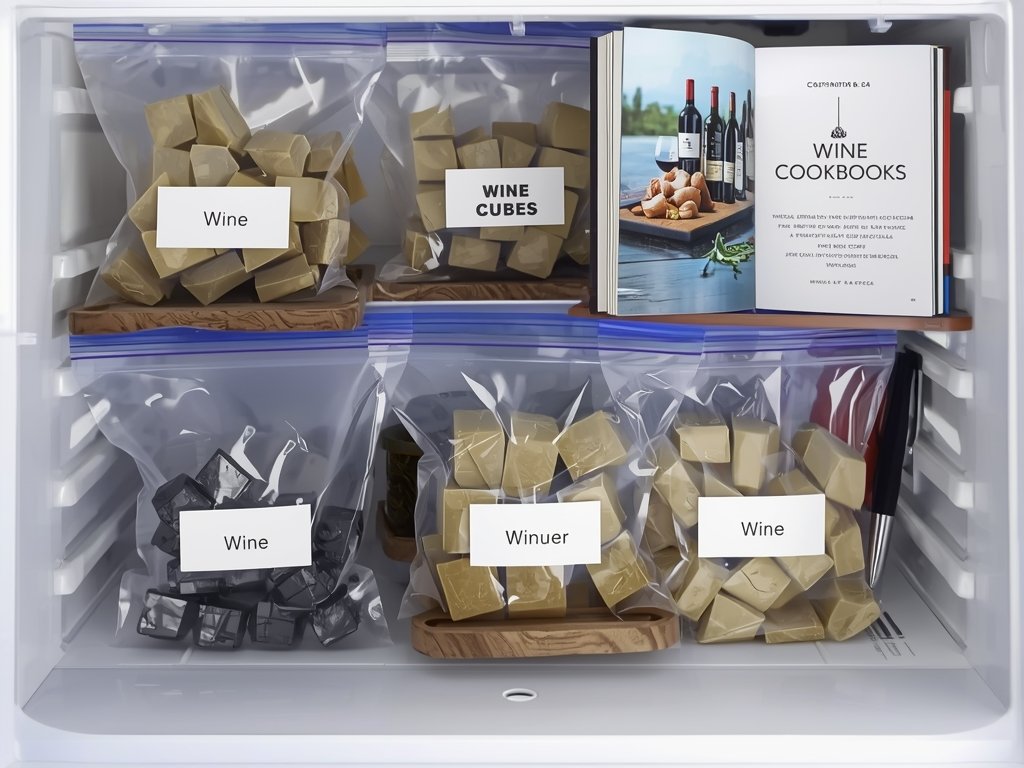
Proper storage is key to keeping your wine cubes fresh. Store them in airtight bags or containers to prevent freezer burn, and use them within 6 months for the best flavor. Labeling is essential—include the type of wine and freezing date so you know exactly what you’re working with.
When using the cubes, there’s no need to thaw them first. They’ll melt quickly in a hot pan or pot, making them a convenient addition to any recipe. Just remember, frozen wine is best for cooking, not drinking—the freezing process alters its texture and taste.
FAQ: Freezing Leftover Wine for Cooking
Can I freeze any type of wine?
While you can freeze most wines, dry or semi-dry varieties work best for cooking. Avoid sweet or dessert wines, as their sugar content can affect texture.
How long do frozen wine cubes last?
Stored properly, frozen wine cubes will last up to 6 months. After that, they may start to lose flavor.
Can I use frozen wine for drinking?
Frozen wine is best reserved for cooking, as the freezing process alters its texture and taste, making it less enjoyable to drink.
How many wine cubes equal a cup?
Since each cube is roughly one ounce, you’ll need about 8 cubes to equal one cup of wine.
Can I freeze wine in something other than ice cube trays?
Yes, you can use muffin tins or silicone molds for larger portions. Just adjust your measurements accordingly.

Lina leads the Fresh Hacks category, covering food storage tips, freshness preservation, and smart ways to extend the life of your groceries. Her guides help readers keep ingredients at peak quality for longer.

← Previous
Milk Expiry Dates Decoded: Sniff Test & Storage Tips
Next →
Keep Cake Moist: The Ultimate Leftover Storage Guide