Follow Me On Social Media!

The Great Flour Debate: To Freeze or Not to Freeze?
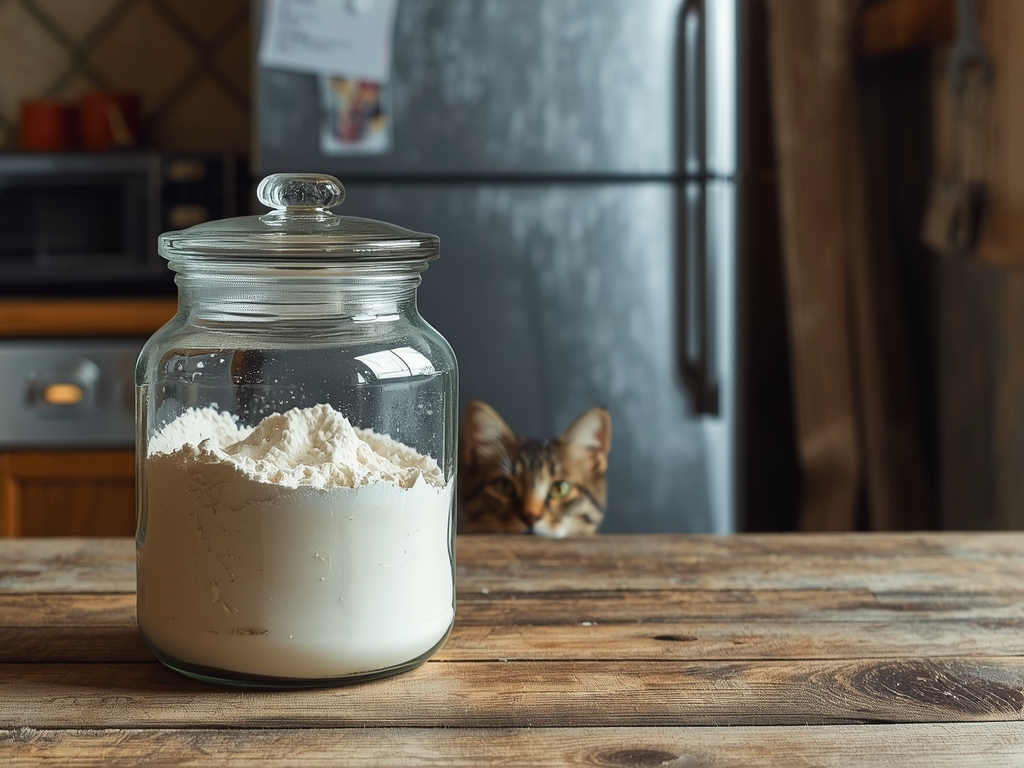
If you’re a baking enthusiast, you’ve likely stumbled upon the age-old question: should flour be stored in the freezer? It’s a topic that sparks heated discussions among home bakers and professional chefs alike. Some swear by the freezer method, while others prefer the pantry approach. So, what’s the deal?
In this article, we’ll delve into the science behind flour storage, exploring why cold storage can be a game-changer for keeping pests at bay and preventing rancidity. Get ready to discover the secrets to preserving your flour’s freshness and quality, ensuring your baked goods always rise to the occasion.
The Pantry Predator: Weevils and Other Pests

The Uninvited Guests
Let’s face it, no one wants to find uninvited guests in their flour. Yet, pantry pests like weevils, flour mites, and beetles can quickly turn your baking dreams into a nightmare. These tiny creatures are attracted to the warmth and coziness of your pantry, making it their personal buffet.
Weevils, in particular, are notorious for infesting flour, rice, and other grains. They lay their eggs in the flour, and before you know it, you’ve got a full-blown infestation. The thought of these critters crawling through your precious baking ingredients is enough to make any baker shudder.
The Cold Shoulder: Freezing Out Pests
Here’s the good news: freezing temperatures can send pests packing. When you store flour in the freezer, you’re creating an environment that’s inhospitable to these unwanted visitors. Most pantry pests can’t survive in temperatures below 32°F (0°C), making the freezer a powerful weapon in your pest control arsenal.
By giving your flour the cold shoulder, you’re not only preventing infestations but also breaking the pests’ life cycle. This means no more eggs hatching and no more generations of pests to contend with. It’s a simple yet effective way to keep your flour pest-free and your baking game strong.
Rancidity: The Silent Flour Killer

What’s Rancidity and Why Should You Care?
Rancidity is the process by which fats and oils in flour become oxidized, leading to off-flavors and odors. This can happen when flour is exposed to heat, light, or air for extended periods. The result? Your baked goods may taste bitter, sour, or just plain unpleasant.
Whole grain flours, in particular, are more susceptible to rancidity due to their higher oil content. This includes popular choices like whole wheat, spelt, and rye flours. If you’re a fan of these nutritious flours, it’s essential to take extra precautions to prevent rancidity.
The Chilling Effect: How Cold Storage Helps
Cold storage is like a magic wand that slows down the rancidity process. When you store flour in the freezer, you’re reducing the temperature, which in turn slows down the chemical reactions that cause oxidation. This means your flour stays fresher for longer, retaining its flavor and nutritional value.
Think of it as hitting the pause button on your flour’s shelf life. By freezing your flour, you’re buying yourself more time to use it before it goes bad. This is especially useful if you don’t bake frequently or if you like to stock up on flour during sales.
The Science Behind Cold Storage

Temperature and Its Impact on Flour
Temperature plays a crucial role in determining the shelf life of flour. At room temperature, flour can last for several months, but its quality will gradually decline. In the refrigerator, flour can last for up to a year, but the cold, dry environment can cause moisture absorption, leading to clumping and texture changes.
The freezer, on the other hand, is the ultimate flour preservation tool. By storing flour at 0°F (-18°C) or below, you’re creating an environment that’s virtually inhospitable to pests and slows down the rancidity process. This means your flour can last for up to 2 years, retaining its freshness and quality.
Moisture Control: The Key to Freezer Storage
When it comes to freezer storage, moisture control is key. Flour is hygroscopic, meaning it absorbs moisture from the air. If not stored properly, this can lead to clumping, ice crystal formation, and texture changes.
To prevent moisture-related issues, store your flour in airtight containers or heavy-duty freezer bags. Make sure to remove as much air as possible before sealing. If using containers, consider adding a silica gel packet to absorb any excess moisture. This will help keep your flour dry and fresh, ensuring your baked goods turn out perfectly every time.
Best Practices for Freezing Flour

Choosing the Right Containers
Not all containers are created equal when it comes to freezing flour. Opt for airtight, freezer-safe containers made from materials like glass, plastic, or heavy-duty metal. Avoid using containers with sharp edges or corners, as these can puncture the packaging and allow air to enter.
If using freezer bags, choose high-quality, thick bags designed specifically for freezer storage. Make sure to label your containers or bags with the date and type of flour, so you can easily identify them later.
Thawing and Using Frozen Flour
When you’re ready to use your frozen flour, it’s essential to thaw it properly. Remove the container from the freezer and let it sit at room temperature for a few hours, or overnight in the refrigerator. Avoid thawing flour in the microwave or on the stovetop, as this can cause uneven heating and affect the flour’s texture.
Once thawed, use the flour as you normally would. Keep in mind that frozen flour may have a slightly different texture due to moisture absorption, so you may need to adjust your recipes accordingly. With proper thawing and handling, your frozen flour will perform just as well as fresh flour, ensuring your baked goods rise to perfection.
FAQ
Can I freeze all types of flour?
Yes, you can freeze all types of flour, including all-purpose, whole wheat, spelt, rye, and more. However, keep in mind that whole grain flours have a higher oil content and are more susceptible to rancidity, so they may benefit more from freezer storage.
How long can I store flour in the freezer?
When stored properly in airtight containers or freezer bags, flour can last for up to 2 years in the freezer. Be sure to label your containers with the date, so you can keep track of how long it’s been stored.
Can I refreeze flour that’s been thawed?
It’s not recommended to refreeze flour that’s been thawed, as this can affect its texture and quality. Instead, try to thaw only the amount of flour you need for your recipe, and use the rest within a few days.
Do I need to sift frozen flour before using it?
It’s a good idea to sift frozen flour before using it, especially if it’s been stored for a long time. This will help break up any clumps that may have formed and ensure a smooth, even texture in your baked goods.
Can I store other baking ingredients in the freezer?
Yes, many baking ingredients can benefit from freezer storage, including nuts, chocolate, and yeast. However, be sure to store them in airtight containers and label them properly to avoid confusion.

Lina leads the Fresh Hacks category, covering food storage tips, freshness preservation, and smart ways to extend the life of your groceries. Her guides help readers keep ingredients at peak quality for longer.

← Previous
Keep Celery Crisp for a weeks with This Foil Trick
Next →
Avocado Water Submerge: Stop Oxidation & Save Your Greens